Hearing aids are essential devices that significantly improve the quality of life for individuals with hearing challenges. With the increasing number of people relying on these devices, proper maintenance has become more important than ever. One of the most common threats to hearing aids is moisture, which can damage internal components and reduce performance.
Whether it is due to humidity, sweat, accidental water exposure, or environmental conditions, moisture can severely impact the functionality of hearing aids. This is why using hearing aid dehumidifiers has become a crucial part of hearing aid care.
In this blog, we will explore the dangers of moisture, preventive measures, and how hearing aid dehumidifiers help maintain device performance and overall hearing health.
Why Moisture Is Dangerous for Hearing Aids
Hearing aids are delicate electronic devices, and even small amounts of moisture can lead to significant damage.
1. Corrosion of Internal Components
Moisture can cause corrosion inside the hearing aid, damaging circuits and affecting performance. Over time, this may lead to complete device failure.
2. Growth of Mold and Bacteria
Damp conditions can promote the growth of mold and bacteria inside the device. This not only affects sound quality but can also lead to ear infections.
3. Battery Damage
Moisture exposure can corrode battery contacts, reducing battery life and causing power issues. This leads to frequent replacements and increased maintenance costs.
4. Wax Build-Up Issues
Moisture can mix with earwax, creating blockages that affect sound clarity and device efficiency.
Understanding these risks highlights the importance of keeping hearing aids dry at all times.
Common Sources of Moisture Exposure
Many users are unaware of how often hearing aids come in contact with moisture.
Key Sources Include:
-
Sweat during physical activity
-
Humid weather conditions
-
Accidental splashes or rain
-
Steam from showers or kitchens
Even daily wear can expose hearing aids to moisture, making protection essential.
Preventive Measures to Protect Hearing Aids
Taking simple precautions can significantly reduce the risk of moisture damage.
1. Avoid Direct Water Exposure
Always remove hearing aids before:
-
Showering
-
Swimming
-
Washing your face
2. Use Custom-Fit Ear Molds
Well-fitted ear molds help reduce moisture entry and improve overall sound quality.
3. Store Devices Properly
Always store hearing aids in a dry and clean environment when not in use.
4. Clean Regularly
Regular cleaning removes wax, dirt, and moisture buildup, ensuring optimal performance.
5. Use Hearing Aid Dehumidifiers
The most effective way to protect your hearing aids is by using a dedicated dehumidifier.
What to Do If Your Hearing Aid Gets Wet
Accidents can happen, so it’s important to act quickly.
Step-by-Step Guide:
-
Remove the hearing aid immediately
-
Take out the batteries to prevent short circuits
-
Gently dry the device with a soft cloth
-
Avoid using heat sources like hair dryers
-
Place the device in a hearing aid dehumidifier
Using a dehumidifier is the safest and most effective way to remove moisture.
Understanding the Role of Hearing Aid Dehumidifiers
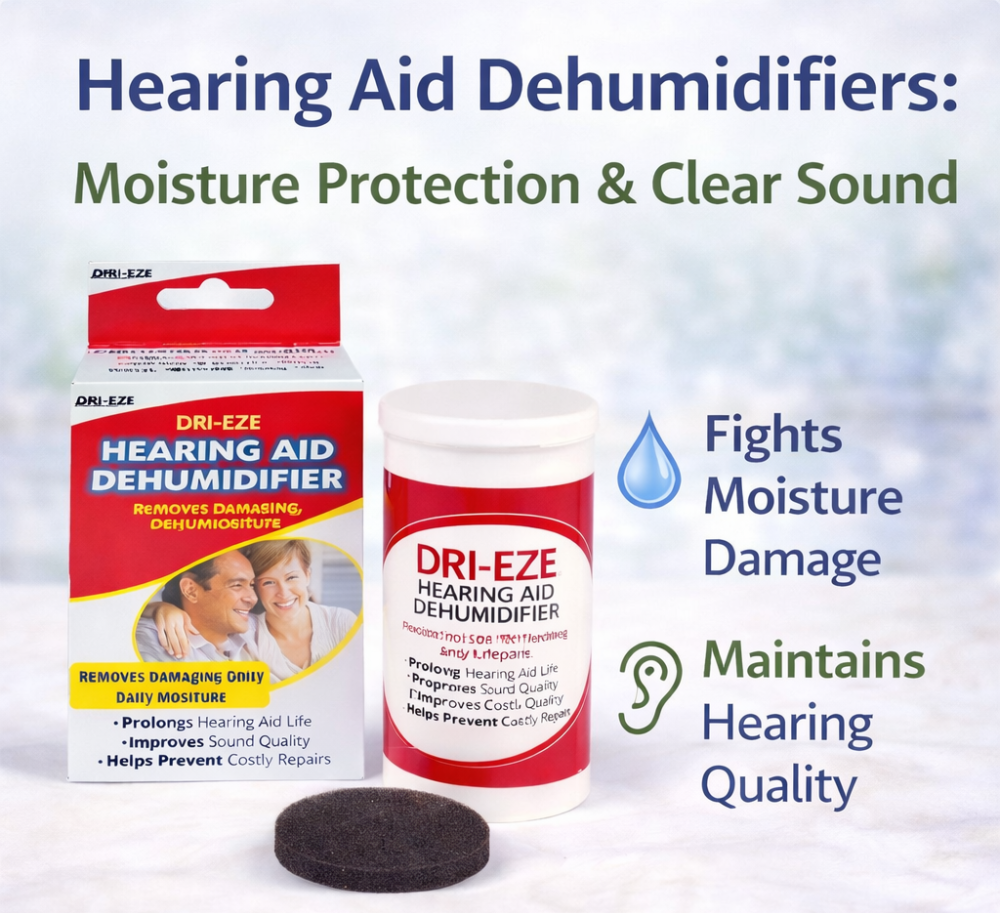
Hearing aid dehumidifiers are specially designed devices that remove moisture from hearing aids, keeping them dry and functional.
How They Work:
-
They use desiccants or drying systems to absorb moisture
-
Create a controlled dry environment
-
Prevent condensation and humidity buildup
These devices are simple to use and highly effective for daily maintenance.
Benefits of Hearing Aid Dehumidifiers
1. Extends Device Lifespan
By preventing moisture damage, dehumidifiers help prolong the life of hearing aids.
2. Maintains Sound Quality
Dry devices perform better, ensuring clear and consistent sound output.
3. Reduces Maintenance Costs
Prevents frequent repairs and replacements caused by moisture damage.
4. Improves Hygiene
Helps reduce bacterial and fungal growth, protecting ear health.
5. Easy to Use
Most dehumidifiers are compact, portable, and require minimal effort.
Types of Hearing Aid Dehumidifiers
1. Passive Dehumidifiers
Use drying capsules or desiccants to absorb moisture. These are cost-effective and easy to use.
2. Electronic Dehumidifiers
Use advanced technology like UV light and heat to remove moisture and disinfect devices.
3. Travel-Friendly Dehumidifiers
Compact and portable options designed for people on the go.
Choosing the right type depends on your needs and usage.
Why Choose High-Quality Hearing Aid Dehumidifiers
Investing in a reliable product ensures better protection and performance.
Features to Look For:
-
Strong moisture absorption capability
-
Durable design
-
Easy operation
-
Compact and portable size
-
Trusted brand reliability
High-quality dehumidifiers provide consistent results and better long-term value.
Additional Tips for Hearing Aid Care
To maintain your hearing aids in top condition:
-
Store them in a dry case when not in use
-
Avoid exposure to extreme temperatures
-
Clean them regularly using the recommended tools
-
Replace batteries as needed
-
Schedule regular check-ups with a professional
Combining these habits with a dehumidifier ensures maximum protection.
Conclusion
Hearing aids are valuable devices that require proper care and maintenance to function effectively. Moisture is one of the biggest threats to their performance, but with the right precautions, it can be easily managed.
Hearing aid dehumidifiers play a crucial role in protecting these devices by removing moisture, improving performance, and extending their lifespan. They are an essential investment for anyone who relies on hearing aids daily.
By incorporating a dehumidifier into your routine and following proper care practices, you can ensure clear sound quality, better hearing health, and long-lasting device performance.
For reliable and high-quality hearing aid dehumidifiers, explore trusted options available at All Care Store and protect your devices with confidence.