MEDICAL DISCLAIMER: This article is for informational purposes only and does not constitute medical advice, diagnosis, or treatment. Cold symptoms can sometimes indicate more serious conditions. Consult your healthcare provider if symptoms are severe, prolonged, or accompanied by high fever. Always read and follow medication labels. Some ingredients interact with common medications — discuss OTC cold medicine with your pharmacist if you take prescription drugs.
When Michael Couldn't Afford to Be Sick
Michael, 54, felt the telltale scratch at the back of his throat on a Sunday evening — right before the most critical week of his year at work. By Monday morning, his nose was running like a faucet, his head felt like it was stuffed with wet cotton, and every swallow was a painful reminder that his body had very different plans than his calendar did.
Standing in the cold medicine aisle, he was overwhelmed. Daytime. Nighttime. Maximum strength. Non-drowsy. Sinus. Flu. Cough. Chest. Multi-symptom. He'd been there 15 minutes and hadn't picked anything up yet. "Why are there so many options?" he muttered. "I just want to feel better."
Sound familiar? The cold and flu medicine aisle is one of the most confusing in any pharmacy. The truth is, there's no single "best" cold medicine — the best choice depends entirely on which symptoms are bothering you most, what other medications you take, and your individual health situation. This guide cuts through the confusion so you can walk out of that aisle with exactly what you need.
Understanding the Common Cold: What's Actually Happening
Before choosing a treatment, it helps to understand what you're treating. The common cold is caused by viruses — most commonly rhinoviruses, which account for about 50% of all colds. A typical adult gets 2-4 colds per year; older adults tend to get fewer (3-4 colds annually in childhood drops to 1-2 in middle age).
The uncomfortable symptoms of a cold — runny nose, congestion, sore throat, sneezing, coughing — are largely not caused directly by the virus. They're your immune system's response to the viral invasion. Inflammation, mucus production, and blood vessel dilation are all immune defense mechanisms. This is why antibiotics don't treat colds: they kill bacteria, not viruses. No antibiotic will shorten a cold or reduce its severity.
Typical Cold Progression Timeline
| Days | Typical Symptoms | Best Treatment Approach |
|---|---|---|
| Days 1-2 | Sore throat, fatigue, early runny nose | Zinc lozenges (if started immediately), rest, fluids, sore throat relief |
| Days 2-4 | Peak runny nose, sneezing, congestion begins, possible low-grade fever | Antihistamines for runny nose, decongestants for congestion, fever reducers if needed |
| Days 4-7 | Congestion peaks, cough develops, nasal discharge may thicken | Expectorants (guaifenesin), cough suppressants if cough is disruptive, continued decongestants |
| Days 7-10 | Gradual improvement; cough may linger | Cough relief, continued fluids, supportive care |
| Beyond 10 days | Persistent or worsening symptoms | See a doctor — may indicate secondary bacterial infection (sinusitis, bronchitis) |
The Active Ingredients: What Each One Actually Does
Here's the key insight that transforms cold medicine shopping: instead of choosing a brand name, choose based on the active ingredient(s) that address your specific symptoms. Multiple brands may contain identical active ingredients at different prices.
Decongestants: For Nasal and Sinus Congestion
Pseudoephedrine (Sudafed Original)
Pseudoephedrine is considered the gold standard decongestant among pharmacists and physicians. It works by constricting blood vessels in the nasal passages, reducing swelling and opening airways. Multiple clinical trials confirm it's significantly more effective than phenylephrine for nasal congestion. Because of its potential for misuse (it can be used in the manufacture of methamphetamine), it's kept behind the pharmacy counter in most states — you'll need to show ID to purchase it, but no prescription is needed.
Typical dosage: 30-60 mg every 4-6 hours (do not exceed 240 mg/day). Extended-release versions (120 mg) provide 12-hour relief.
Caution: Avoid if you have uncontrolled high blood pressure, heart disease, hyperthyroidism, glaucoma, or are taking MAO inhibitors. Can cause increased heart rate, blood pressure, and sleep disruption if taken late in the day.
Phenylephrine (Sudafed PE, many store brands)
Phenylephrine is the version you'll find on the regular pharmacy shelf (no ID required). It has been a subject of ongoing debate: a 2023 FDA Advisory Committee concluded that oral phenylephrine at standard OTC doses is not effective as a nasal decongestant — a significant finding that has led to ongoing FDA review of these products. As of 2026, products containing oral phenylephrine remain on shelves but may eventually be reformulated or removed. If you need effective congestion relief, pseudoephedrine remains the better-supported option.
Oxymetazoline (Afrin, Vicks Sinex Nasal Spray)
This nasal spray decongestant provides fast, effective congestion relief — often within minutes. It's very effective for short-term use (1-2 days). However, using it for more than 3 consecutive days leads to rebound congestion (rhinitis medicamentosa) — a dependency where stopping the spray causes worse congestion than before. Strictly limit use to 3 days maximum.
Antihistamines: For Runny Nose and Sneezing
First-Generation (Sedating): Diphenhydramine, Chlorpheniramine
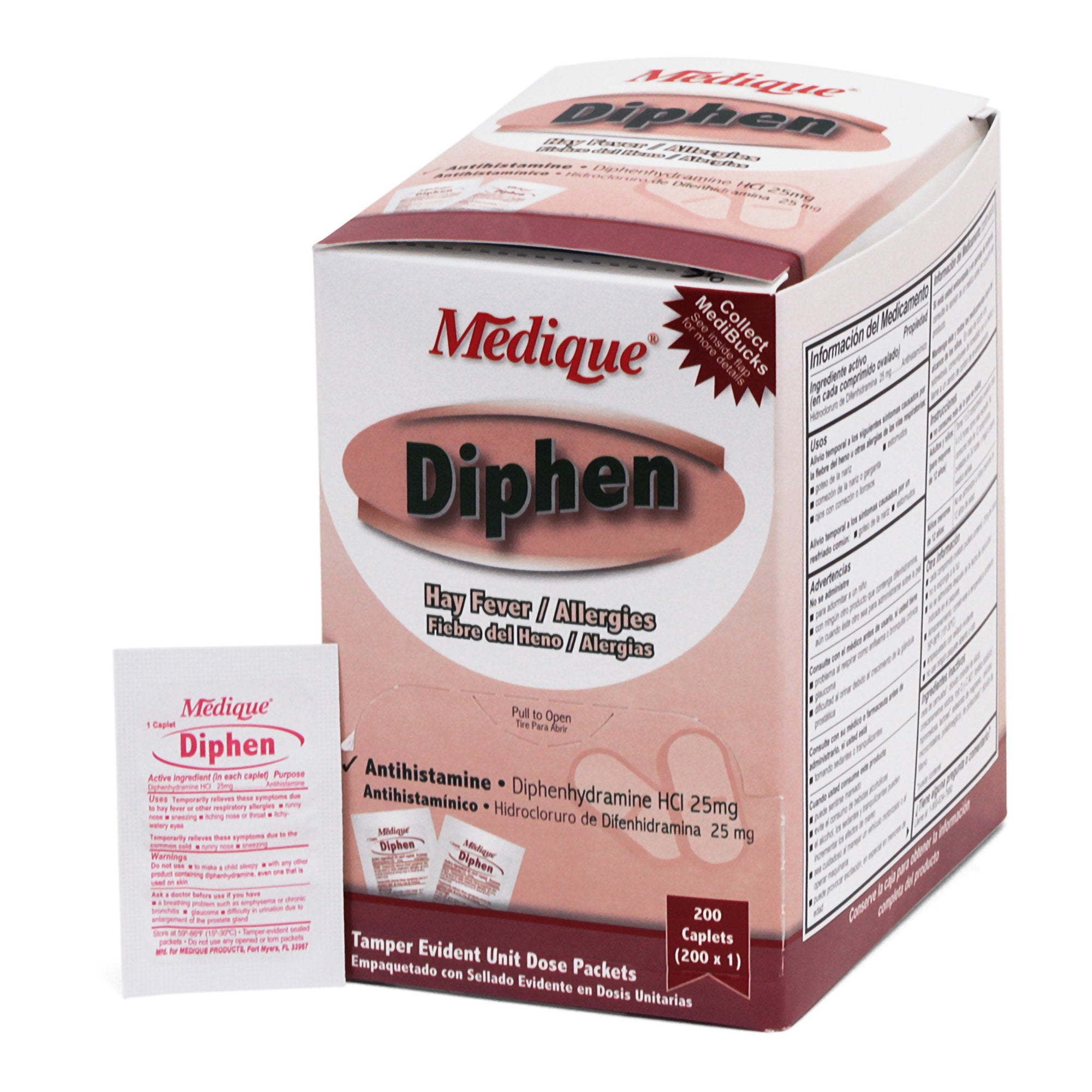
These older antihistamines (the active ingredient in Benadryl and many NyQuil-type products) are effective at drying up runny nose and reducing sneezing — but they cause significant drowsiness. This can actually be helpful for nighttime cold relief, helping you sleep through symptoms. However, in adults over 65, first-generation antihistamines carry specific risks: confusion, falls, urinary retention, and constipation. Older adults should be cautious with these medications; consult a pharmacist or doctor first.
Second-Generation (Non-Drowsy): Loratadine, Cetirizine, Fexofenadine
Non-drowsy antihistamines are less effective for cold symptoms than for allergies, since the runny nose of a cold involves different mechanisms than allergic rhinitis. However, chlorpheniramine (a first-generation) is actually included in some multi-symptom cold products for its effectiveness specifically on cold-related runny nose. If daytime function is important, loratadine or cetirizine can provide some relief with less sedation.
Expectorants: For Chest Congestion and Productive Cough
Guaifenesin (Mucinex, Robitussin)
Guaifenesin is the only FDA-approved OTC expectorant. It works by thinning and loosening mucus in the airways, making it easier to cough up and clear. This is the right choice when you have a productive cough with thick mucus, or chest congestion. Critically important: drink plenty of water when taking guaifenesin — it needs adequate hydration to work effectively.
Typical dosage: 200-400 mg every 4 hours, or 600-1200 mg of extended-release every 12 hours. Do not exceed 2,400 mg/day.
Note: Guaifenesin is for chest congestion and productive cough. If you have a dry, non-productive cough, guaifenesin won't help and a cough suppressant is more appropriate.
Cough Suppressants: For Dry, Disruptive Cough
Dextromethorphan (DM products — Robitussin DM, Mucinex DM, Delsym)
Dextromethorphan (DXM) suppresses the cough reflex in the brain, reducing the frequency and intensity of coughing. It's particularly effective for a dry, hacking cough that disrupts sleep or conversation. It doesn't treat the underlying cause of the cough — it just quiets the reflex. DXM is available in immediate-release (4-6 hour) and extended-release (12-hour) formulations.
Important: Do not use DXM if you take MAO inhibitors. At very high doses, DXM can cause significant neurological effects (this is why some products have age restrictions or contain warning labels). Follow dosage instructions precisely.
Analgesics/Antipyretics: For Pain, Fever, and Sore Throat
Acetaminophen (Tylenol, found in most multi-symptom products)
Acetaminophen reduces fever and relieves pain (headache, sore throat, body aches). It's well-tolerated by most adults and doesn't affect blood pressure. However, it's easy to inadvertently take too much when using multi-symptom cold products that already contain acetaminophen alongside standalone acetaminophen — a genuine safety concern. Always check the ingredient lists of every product you take and never exceed 3,000-4,000 mg of acetaminophen daily (lower limits apply if you consume alcohol regularly or have liver issues).
Ibuprofen/NSAIDs (Advil, Motrin)
NSAIDs reduce fever, relieve pain, and have anti-inflammatory effects that can benefit sore throat and body aches. They're not included in most multi-symptom cold products but can be taken alongside them (they're in different drug classes than the other cold ingredients). Caution: NSAIDs can raise blood pressure, affect kidneys, and irritate the stomach — use with caution in older adults and those with kidney disease or heart conditions.
Zinc: The Early Intervention Option
Zinc lozenges or syrup started within 24 hours of the first cold symptoms have been shown in multiple meta-analyses to reduce the duration and severity of colds. A 2017 Cochrane review found zinc acetate lozenges (75 mg/day) reduced cold duration by about 33%. The catch: timing is everything. Once you're 24-48 hours into symptoms, the benefit diminishes. Keep zinc lozenges on hand so you can start them immediately at the first sign of a cold.
Multi-Symptom Cold Products: Understanding What You're Buying
Multi-symptom cold products combine multiple active ingredients to address several symptoms at once — convenient, but also requiring careful attention to avoid medication interactions or duplication.
| Product Type | Common Active Ingredients | Best For | Key Cautions |
|---|---|---|---|
| DayQuil-type (daytime) | Acetaminophen, phenylephrine, DXM | Daytime cold with congestion, cough, fever | Don't add more acetaminophen; ineffective phenylephrine for congestion |
| NyQuil-type (nighttime) | Acetaminophen, diphenhydramine or doxylamine, DXM | Nighttime symptoms; sleep disruption | Significant sedation; avoid in elderly; don't drive or drink alcohol |
| Mucinex Fast-Max type | Guaifenesin, DXM, acetaminophen, phenylephrine | Chest congestion, cough, multi-symptoms | Check acetaminophen total; stay hydrated |
| Decongestant only (Sudafed) | Pseudoephedrine or phenylephrine | Congestion-dominant colds | Behind counter (pseudoephedrine); blood pressure concerns |
| Expectorant only (Mucinex) | Guaifenesin | Chest congestion, productive cough | Must drink plenty of water; no effect on dry cough |
| Cough syrup (Robitussin DM) | Guaifenesin + DXM | Productive cough with congestion | Don't combine with other DXM products |
| Sore throat lozenges (Cepacol) | Benzocaine or menthol | Localized throat pain, irritation | Don't swallow lozenges; benzocaine allergy possible |
Browse AllCare Store's complete Cold & Flu collection for a curated selection of cold and flu relief products. From daytime multi-symptom formulas to targeted sore throat and cough relief, we carry products trusted by healthcare professionals and families alike.
The "Treat the Symptoms" Strategy: A Step-by-Step Approach
Rather than reaching for a multi-symptom product by default, consider targeting your specific symptoms. This approach is often more effective, reduces unnecessary medication exposure, and is recommended by many pharmacists and physicians.
Step 1: Identify Your Primary Symptoms
Make a quick mental (or written) list of your most bothersome symptoms right now. Rank them: is it congestion that's making you miserable? The cough? Sore throat? Fever? Runny nose keeping you from functioning? Focus first on your top 1-2 symptoms.
Step 2: Match Ingredient to Symptom
- Congestion only: Pseudoephedrine (behind counter) or saline nasal spray + steam inhalation
- Runny nose/sneezing only: First-generation antihistamine (chlorpheniramine) — take at night if possible
- Chest congestion/productive cough: Guaifenesin (Mucinex) + plenty of water
- Dry, hacking cough: Dextromethorphan (DXM)
- Sore throat: Lozenges (benzocaine or menthol), warm salt water gargle, acetaminophen or ibuprofen for pain
- Fever and body aches: Acetaminophen or ibuprofen
- Multiple symptoms: A multi-symptom product that matches your specific combination, OR individual products
Step 3: Mind the Interactions
Always tell your pharmacist what prescription medications you take before adding cold medicines. Especially important interactions include:
- MAO inhibitors + DXM or pseudoephedrine: Potentially life-threatening interaction
- Blood pressure medications + decongestants: Decongestants can raise blood pressure and reduce medication effectiveness
- Warfarin (blood thinner) + acetaminophen at high doses: Can increase bleeding risk
- Antidepressants (SSRIs, SNRIs) + DXM: Risk of serotonin syndrome
- Multiple acetaminophen-containing products: Easy to exceed safe limits
Natural and Supportive Cold Remedies That Actually Have Evidence
Not everything effective comes in a blister pack. Several non-pharmacological approaches have meaningful scientific support for reducing cold severity or duration.
Fluids and Hydration
Drinking adequate fluids when sick isn't just "grandmother's advice" — it has real physiological benefits. Fluids help thin mucus secretions, maintain body temperature during fever, prevent dehydration, and support immune function. Aim for 8-10 glasses of water or other liquids daily when sick. Warm liquids — broth, herbal teas, warm lemon water with honey — have additional benefits: the steam helps open congested airways, and honey has proven antibacterial properties that can soothe sore throats.
Chicken Soup (Really)
The classic cold remedy has more scientific backing than many people realize. A 1978 study at Mount Sinai Medical Center found chicken soup increased the speed of mucus clearance. More recent research found it inhibits the migration of neutrophils (immune cells that contribute to inflammation and mucus production), potentially providing mild anti-inflammatory effects. It also provides fluids, electrolytes, and easy-to-digest nutrition when appetite is low.
Honey
Honey has proven effectiveness for sore throat relief and cough suppression. A 2012 study in Pediatric Clinics found honey more effective than common OTC cough medicines for relieving nighttime coughing in children (and it works for adults too). Its antibacterial properties come from hydrogen peroxide production and its high sugar content creating an unfavorable environment for bacteria. One to two teaspoons in warm tea can provide significant throat relief. Note: Never give honey to children under 12 months due to risk of botulism.
Saline Nasal Rinse
Saline nasal irrigation (using a neti pot or squeeze bottle with sterile saline) physically flushes mucus, debris, and viral particles from the nasal passages. It's one of the few interventions shown to both reduce symptoms and potentially shorten cold duration. A 2016 study found regular nasal saline irrigation during a cold reduced symptom duration by about 1.9 days. Use sterile or distilled water (never tap water) to prevent rare but serious infections.
Vitamin C: The Reality
Despite popular belief, taking vitamin C after a cold begins doesn't significantly shorten or prevent it in most studies. However, regular daily supplementation of vitamin C (200-500 mg) throughout the year may modestly reduce cold duration. Vitamin C supplements are generally safe at these doses and support immune function, though they're not a cure for the common cold.
Elderberry (Sambucus)
Elderberry extracts have gained significant popularity, and some evidence supports their use. A 2016 study found elderberry supplementation reduced cold duration by an average of 4 days in travelers. Elderberry appears to have antiviral and immune-stimulating properties. While not all studies are consistent, elderberry syrup or lozenges are generally safe and may provide benefit when taken at the first sign of a cold. Discuss with your doctor if you take immunosuppressants.
Steam and Humidity
Breathing moist, warm air helps loosen nasal and chest congestion, making mucus easier to clear. Options include steam showers, steam inhalation (with a bowl of hot water and a towel tent), and using a humidifier in your room at night. Research shows that maintaining indoor humidity between 40-60% can reduce virus viability in the air and on surfaces, and helps keep nasal passages moist and functional.
Cold Medicine Special Situations: Adults Who Need Extra Caution
Seniors (Over 65)
Older adults metabolize medications differently and are more susceptible to side effects. Specific cautions for seniors include:
- Avoid first-generation antihistamines (diphenhydramine, doxylamine): Increased risk of confusion, falls, urinary retention — listed on the "Beers Criteria" of medications to avoid in older adults
- Use decongestants cautiously: Higher risk of blood pressure elevation and cardiac effects
- Lower acetaminophen limits: 2,000 mg/day maximum for adults over 65 or those with liver issues (versus 3,000-4,000 mg for healthy younger adults)
- Check all interactions: Seniors typically take more prescription medications; interactions are more likely
- Always consult a pharmacist before adding OTC cold medicines to your regimen
For senior-specific health and medication management needs, our medicine and medication management collection at AllCare Store includes products to help seniors manage their health routinely and safely.
Adults with High Blood Pressure
Many cold medicines — particularly decongestants — can raise blood pressure and interact with blood pressure medications. People with hypertension should avoid pseudoephedrine and phenylephrine, and use nasal decongestant sprays (oxymetazoline) with the 3-day limit as a safer alternative for congestion. Multi-symptom products labeled "for people with high blood pressure" are formulated without decongestants. Always check with your pharmacist.
Adults with Diabetes
Many liquid cold medicines contain sugar. Look for "sugar-free" formulations. Some cold medicines affect blood sugar levels. Decongestants can raise blood glucose in some people. Monitor blood sugar more frequently when sick, as illness itself raises blood sugar levels independently of medications.
Adults with Kidney or Liver Disease
The liver processes acetaminophen; impaired liver function reduces acetaminophen safety. The kidneys process NSAIDs (ibuprofen, naproxen); kidney disease makes these more risky. Consult your doctor about safe cold medicine choices if you have organ disease.
When to See a Doctor
Most colds resolve with supportive care and don't require medical attention. However, seek medical care if you experience:
- Fever above 103°F (39.4°C) or any fever lasting more than 3 days
- Symptoms that get significantly worse after an initial improvement (possible secondary infection)
- Severe or worsening sore throat (could be strep — requires antibiotic treatment)
- Ear pain or significant facial pain/pressure (possible ear infection or sinusitis)
- Shortness of breath or chest pain
- Symptoms persisting beyond 10-14 days
- Confusion, severe headache, or stiff neck (seek emergency care)
- You are immunocompromised, pregnant, or have significant underlying health conditions
Shop AllCare Store for Cold and Flu Relief
When a cold hits, having the right products on hand makes all the difference. AllCare Store's Cold & Flu collection brings together a comprehensive range of cold and flu relief products — from daytime multi-symptom formulas and nighttime sleep aids to targeted cough relief, sore throat lozenges, and chest congestion expectorants — all in one place.
Our medicine and health monitors collection also includes tools to help you track your symptoms and recovery, including thermometers, pulse oximeters, and other home monitoring devices — so you can make informed decisions about when you're getting better and when it's time to see a doctor.
When you shop at AllCare Store, you benefit from free shipping on qualifying orders, discreet packaging for your privacy, and our 30-day return policy. Our knowledgeable team is available to help you navigate your options at 1-888-889-6260, Monday through Friday, 7:00 AM to 4:00 PM CST. Don't suffer through a cold without the right relief — we're here to help.
For additional health support, explore our vitamins and immune support supplements to help strengthen your defenses before cold season hits, and our personal care collection for tissues, saline sprays, and other comfort products.
Back to Michael's Story
Michael made his choice: pseudoephedrine for the congestion (grabbed from behind the pharmacy counter after showing his ID), a separate guaifenesin tablet for the chest congestion starting to develop, and ibuprofen for the headache and sore throat. He skipped the expensive multi-symptom combo because he didn't have a fever or a cough — yet. He added honey in his tea and a humidifier that night.
By Wednesday — day three — he was functional enough to get through his meetings. Not 100%, but present and capable. "I stopped wasting money on 'complete' cold medicines that treated symptoms I didn't have," he says. "Figuring out which ingredients I actually needed made a real difference."
Now you have the knowledge to do the same.
Frequently Asked Questions: Best Cold Medicine for Adults
What is the most effective OTC cold medicine for adults?
There is no single "best" cold medicine — effectiveness depends on your specific symptoms. For nasal congestion, pseudoephedrine (behind the pharmacy counter) has the strongest evidence. For chest congestion and productive cough, guaifenesin (Mucinex) is the only FDA-approved OTC expectorant. For dry cough, dextromethorphan (DXM) is effective. For sore throat and fever, acetaminophen or ibuprofen works well. The most effective approach is to match the active ingredient to your specific symptoms rather than choosing a multi-symptom product by default.
How long does a cold last in adults?
Most colds in adults last 7-10 days. The most intense symptoms typically occur between days 2-4. A cough may linger for 2-3 weeks after other symptoms resolve. If symptoms significantly worsen after day 7 or persist beyond 10-14 days, this may indicate a secondary bacterial infection (like sinusitis or bronchitis) that requires medical evaluation. No OTC cold medicine shortens the duration of a cold — they only relieve symptoms while your immune system does the real work.
Is it safe to take DayQuil and NyQuil in the same day?
Many people take DayQuil during the day and NyQuil at night — but this requires careful attention to dosing intervals and acetaminophen totals. Both products contain acetaminophen, and taking them too close together or too frequently can cause you to exceed the safe daily limit (3,000 mg for most adults, 2,000 mg for those over 65 or who drink regularly). Follow the package directions precisely, allow the recommended time between doses, and don't take any other acetaminophen-containing products simultaneously.
Can I take cold medicine with high blood pressure?
People with high blood pressure should avoid decongestants (pseudoephedrine and phenylephrine), which can raise blood pressure and reduce the effectiveness of blood pressure medications. Safe options for congestion include saline nasal rinses, oxymetazoline nasal spray (3-day limit), steam inhalation, and humidifiers. Multi-symptom products labeled specifically for people with high blood pressure are formulated without decongestants. Always consult your pharmacist before adding any OTC cold medicine to your regimen if you have high blood pressure.
What cold medicine is safe for older adults?
Older adults (65+) should avoid first-generation antihistamines like diphenhydramine (found in many NyQuil products and sleep aids) due to risks of confusion, falls, and urinary retention. They should use decongestants with caution due to blood pressure effects. Acetaminophen is generally safe at reduced doses (maximum 2,000 mg/day). Guaifenesin for chest congestion and saline nasal irrigation are generally well-tolerated. Seniors should always consult their pharmacist or physician before taking OTC cold medicines, especially if they take multiple prescription medications.
Should I take cold medicine if I have no fever?
Not necessarily. Take cold medicines to relieve the symptoms that are actually bothering you. If you don't have a fever, there's no reason to take a fever reducer like acetaminophen or ibuprofen. If you don't have chest congestion, guaifenesin won't help. The targeted approach — treating only your actual symptoms — reduces unnecessary medication exposure and can save money compared to expensive multi-symptom products with ingredients you don't need.
Does cold medicine prevent spreading a cold to others?
No. Cold medicines only treat symptoms — they don't reduce viral shedding or your infectiousness to others. You can still spread a cold to others even when you feel better from medication. The most effective ways to prevent spreading a cold are frequent handwashing, covering coughs and sneezes, avoiding touching your face, and staying home during the most contagious period (typically days 1-3). A person with a cold is generally most contagious in the 1-2 days before symptoms appear and the first 3-4 days of symptoms.
Find fast, effective relief for cold and flu season at AllCare Store. Browse our Cold & Flu collection for trusted products, and our health monitors collection to track your recovery. Free shipping on qualifying orders — call 1-888-889-6260 for assistance.
Medical Disclaimer: This article is for informational purposes only and does not constitute medical advice. Individuals at high risk for pressure injuries should consult a physician, occupational therapist, or certified rehabilitation engineer before selecting a wheelchair cushion.