Mobility Aids
Finding the right mobility aid comes down to one question: how much support do you actually need, day to day? A cane offers light, occasional balance support. A walker or rollator gives full weight-bearing stability for daily use. A wheelchair or transport chair supports someone who can't walk long distances at all, or at all. This hub is here to point you to the right category quickly — browse by need below, or read on for a quick overview of how these options differ.
Shop by Category
-
Walkers — standard folding walkers, two-wheel walkers, and bariatric options for maximum stability.
-
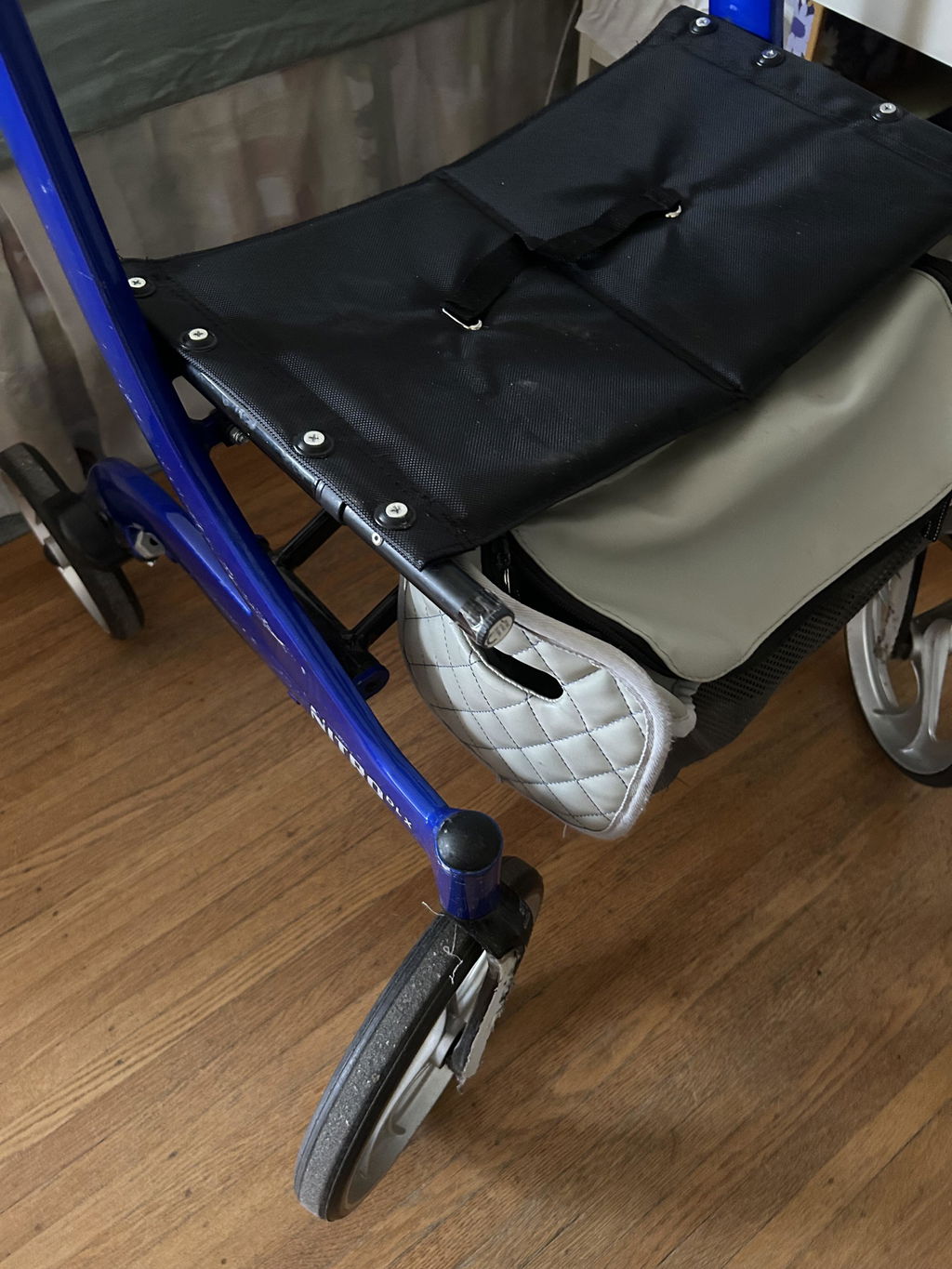
Rollators — wheeled walkers with seats, for those who need to rest during longer outings.
-
Wheelchairs & Transport Chairs — manual wheelchairs, lightweight transport chairs, and bariatric models.
-
Canes & Crutches — single-point canes, quad canes, and forearm or underarm crutches.
How to Choose Between a Cane, Walker, Rollator, or Wheelchair
Canes work well for mild balance concerns or joint pain on one side — they offload weight from a single painful joint but don't provide full support.
Walkers provide the most stability of any option that keeps you walking under your own power. They're lifted with each step, which limits speed but maximizes support — the right call after surgery or for significant balance loss.
Rollators trade a small amount of stability for speed and endurance: the wheels let you keep moving without lifting the frame, and a built-in seat means you can rest anywhere. Better for people who are steady enough to control a rolling frame but want to cover more ground.
Wheelchairs and transport chairs are the right choice when walking any real distance isn't possible, whether temporarily (post-surgery) or long-term. Transport chairs are lighter and meant to be pushed by a caregiver; manual wheelchairs are built for self-propulsion.
Frequently Asked Questions
What's the difference between a walker and a rollator?
A walker has no wheels (or only front wheels) and is lifted with each step for maximum stability. A rollator has four wheels and a seat, letting you roll forward continuously and rest when needed — it trades a bit of stability for speed and endurance.
Do I need a cane or a walker?
A cane is enough if you have mild balance issues or pain in one joint and can otherwise bear your full weight safely. If you need real support to stay upright, a walker is the safer choice.
What's the difference between a wheelchair and a transport chair?
A standard manual wheelchair has large rear wheels for self-propulsion. A transport chair has small wheels all around and is designed to be pushed by someone else — it's lighter and more portable, but you can't wheel yourself.
How do I know what weight capacity I need?
Check the product's stated weight capacity against the user's actual weight, and leave some margin — a device rated right at someone's weight wears out faster and feels less stable. Bariatric-rated models exist across walkers, rollators, and wheelchairs for higher weight ranges.