Medical Disclaimer: This article is for informational purposes only and should not be considered medical advice. Sleep apnea is a serious medical condition that requires diagnosis and treatment by a qualified healthcare professional. Please consult your doctor or sleep specialist before starting any CPAP therapy or making changes to your treatment plan. All information provided here is educational in nature.
Robert's Story: From Exhausted to Energized

Robert had been tired for years. At 55, he thought fatigue was just part of getting older. He'd wake up gasping for air in the middle of the night, struggle to stay awake in afternoon meetings, and feel perpetually foggy. His wife complained about his loud snoring, and he'd often find himself falling asleep during conversations with his kids. His life was gradually becoming smaller—he avoided road trips, couldn't focus at work, and felt too exhausted to enjoy time with family.
When his doctor mentioned sleep apnea, Robert was skeptical. "I just need more coffee," he thought. But after a sleep study revealed severe obstructive sleep apnea, his doctor recommended a CPAP machine. "What's a CPAP?" Robert asked. That was the beginning of a journey that would completely transform his life.
Today, Robert uses his CPAP machine every night. He wakes up refreshed, has the energy to hike with his grandkids, and his marriage has improved because his wife finally gets peaceful sleep too. "I didn't realize how sick I was until I got better," he often says. If you're reading this because you suspect you might have sleep apnea—or you've been diagnosed and feel overwhelmed—Robert's story could be your story too. Let's explore how CPAP machines work and how they might change your life.
What is Sleep Apnea and Why Does It Matter?
Sleep apnea is a serious sleep disorder where a person's breathing repeatedly stops and starts during sleep. Most people aren't even aware it's happening—they just know they're exhausted. There are several types of sleep apnea, but obstructive sleep apnea (OSA) is the most common, accounting for about 80% of all sleep apnea diagnoses.
During an apnea event, the muscles in your throat relax excessively, causing your airway to collapse. Your brain detects the drop in oxygen levels and briefly arouses you so you resume breathing. This cycle can happen dozens or even hundreds of times per night. While you might not fully wake up, your sleep is severely disrupted, preventing you from reaching the restorative deep sleep stages your body desperately needs.
Health Risks of Untreated Sleep Apnea
Untreated sleep apnea is more than just inconvenient—it's genuinely dangerous. When your brain repeatedly detects oxygen deprivation, it triggers your cardiovascular system to go into overdrive. Your heart rate increases, blood pressure spikes, and stress hormones flood your system. Over time, this creates serious health risks:
- Cardiovascular Disease: People with untreated sleep apnea have significantly higher rates of heart attack and stroke
- High Blood Pressure: Sleep apnea triggers sustained hypertension, even during waking hours
- Arrhythmias: Irregular heartbeats and atrial fibrillation are common complications
- Type 2 Diabetes: Sleep apnea disrupts glucose metabolism and increases diabetes risk
- Cognitive Decline: Memory problems and decreased mental sharpness are hallmark symptoms
- Daytime Accidents: Severe fatigue increases the risk of car accidents and workplace injuries
- Depression and Anxiety: The constant sleep deprivation takes a psychological toll
This is why doctors take sleep apnea seriously. Robert's wife kept nudging him to get tested because she'd read scary statistics. She was right to be concerned. Treating sleep apnea with a CPAP machine is one of the most effective ways to reduce these risks.
How Do CPAP Machines Work?
CPAP stands for "Continuous Positive Airway Pressure." Here's the simple version: the machine gently pushes air into your airway through a mask, keeping your airway open so you can breathe freely all night long.
The Basic Components
Every CPAP machine has the same essential parts:
- A motor: Draws in room air and pressurizes it
- A humidifier chamber: Adds moisture to the air to prevent dryness and irritation (like when Robert first started, his nose felt dry until he turned on the humidifier)
- Tubing: Connects the machine to your mask
- A mask: Delivers the pressurized air to your nose, mouth, or both
- A machine body: Contains electronics and controls
When you put on your mask and turn on the machine, pressurized air flows continuously into your airway. This air "splint" keeps your throat muscles from collapsing, allowing you to breathe freely. Your oxygen levels stay normal, your brain doesn't need to arouse you repeatedly, and you finally get genuine, restorative sleep.
Why It Works
Think of your airway like a water hose. When the hose is under water, it stays open and water flows through. But if you remove the water pressure, the hose collapses. CPAP therapy works on the same principle—the air pressure keeps your airway "inflated" and open.
Understanding CPAP, BiPAP, and APAP: Know Your Options
When you visit a sleep specialist, you might hear about CPAP, BiPAP, and APAP. These are different types of positive airway pressure machines, each with distinct advantages. Let's compare them:
CPAP (Continuous Positive Airway Pressure)
The standard CPAP machine delivers the same pressure during both inhalation and exhalation. This steady, continuous pressure is highly effective at keeping your airway open. CPAP machines are the most prescribed and most affordable option. Robert uses a basic CPAP machine, and it works perfectly for his moderate sleep apnea.
BiPAP (Bilevel Positive Airway Pressure)
BiPAP machines deliver two different pressure levels—a higher pressure when you inhale and a lower pressure when you exhale. Many people find BiPAP more comfortable because breathing out against constant pressure can feel restrictive or claustrophobic. If you're someone who feels like you're "fighting" against the machine, BiPAP might be your solution.
APAP (Automatic Positive Airway Pressure)
APAP machines use sensors to detect breathing patterns and automatically adjust pressure levels throughout the night. If you're having an apnea event, the machine increases pressure. When you're breathing normally, it decreases pressure. APAP machines are ideal for people whose pressure needs vary night to night, or who have trouble tolerating a fixed pressure setting. They're typically more expensive than basic CPAP machines.
| Feature | CPAP | BiPAP | APAP |
|---|---|---|---|
| Pressure Delivery | Continuous, fixed | Two levels (high/low) | Automatically adjusting |
| Comfort | Good for most users | Better for pressure sensitivity | Highly personalized |
| Best For | Mild to moderate OSA | Moderate to severe OSA | Variable needs |
| Cost | $$$ | $$$$ | $$$$$ |
| Insurance Coverage | Excellent | Good | Variable |
Your sleep specialist will recommend which type is best for you based on your sleep study results and your comfort needs. Don't feel like you're "failing" if you need to upgrade from CPAP to BiPAP—it's all about finding what works for your unique physiology.
CPAP Mask Types: Finding Your Perfect Fit
The mask is arguably the most important part of your CPAP therapy—because if you're not comfortable wearing it, you won't use it consistently. There are three main mask categories:
Full Face Masks
Full face masks cover your nose and mouth, making them ideal if you breathe through your mouth when you sleep or prefer mouth breathing. They deliver excellent pressure stability and are often recommended for people with severe sleep apnea. The downside: they can feel bulky or claustrophobic to some users. If you're a side sleeper or move around a lot, getting a good seal can be challenging.
Nasal Masks
Nasal masks cover only your nose. They're smaller and less obtrusive than full face masks, making them popular with people who want to feel less "wired up." They work well if you're a quiet sleeper who stays relatively still. Some people find nasal masks drying, which is why humidification becomes extra important.
Nasal Pillow Masks
The most minimal option, nasal pillow masks use small prongs that rest just inside your nostrils, rather than covering the entire nose. They offer the least obstruction to your vision and the feeling of the mask, making them ideal if you're claustrophobic or prefer maximum comfort. The trade-off: they can cause nasal irritation if you're sensitive, and getting a perfect seal requires careful fitting.
When Robert was fitted for his mask, he tried all three types. His sleep specialist explained that the "best" mask is simply the one he'll wear every night for the rest of his life—and for him, that was a nasal mask. He's comfortable enough to wear it consistently, which is what actually matters.
Getting Started With Your CPAP Machine
Step 1: Get a Sleep Study
Before you can use a CPAP machine, you'll need a formal sleep apnea diagnosis. Your doctor will refer you to a sleep clinic for a polysomnogram (sleep study). This can be done in a lab overnight or at home with a portable monitor. The study measures how many times per hour you stop breathing (your "AHI" or Apnea-Hypopnea Index) and other sleep metrics. This data determines your diagnosis severity and guides treatment decisions.
Step 2: CPAP Titration
Once sleep apnea is confirmed, your doctor may order a "titration study"—a second sleep study while wearing a CPAP machine. This helps your sleep specialist find the exact pressure setting that works for you. Some modern machines have auto-titration features, so the pressure adjusts throughout the night to find your optimal level. Others use fixed pressure determined by your doctor.
Step 3: Mask Fitting
You'll work with a respiratory therapist or technician to find the right mask, size, and fit. This might feel awkward at first, but it's crucial. A poorly fitting mask won't deliver effective therapy, and you'll likely abandon it. Don't hesitate to try multiple options until something feels right.
Step 4: Acclimatization
Many people struggle when they first start CPAP therapy. You're putting on a mask, hearing a machine run all night, and feeling pressurized air in your airway. It's not natural! This is why gradual acclimatization is important. Many therapists recommend starting with the machine on a low pressure setting, wearing the mask for short periods during the day while you're awake, and slowly building tolerance. Robert spent a week just wearing his mask while watching TV before actually sleeping with it on.
Step 5: Adjustment and Optimization
Your first few weeks on CPAP are about adaptation. Expect some minor discomfort—this is normal. Over time, most people find their comfort zone. If you're having trouble after two weeks, contact your sleep specialist or respiratory therapist. Small adjustments to your machine settings, mask, or humidifier can make a huge difference.
Tips for CPAP Compliance and Comfort
Starting CPAP therapy is a marathon, not a sprint. Here are evidence-based strategies to help you stick with it:
Gradual Pressure Ramp
Most CPAP machines have a "ramp" feature that starts at a low pressure when you turn on the machine, then gradually increases to your therapeutic pressure over 20-45 minutes. This lets your body acclimate while you're falling asleep. Robert swears by this feature—it made the transition so much easier.
Optimize Your Environment
Make sure your bedroom is conducive to sleep. Use blackout curtains, keep the room cool, and minimize noise. Your tubing can be positioned to not feel like it's pulling on your mask. Some people find it helps to route tubing over the headboard rather than down the side of the bed.
Keep Consistent Sleep Schedules
Go to bed and wake up at similar times every day, even weekends. This helps your body adjust to CPAP therapy and improves overall sleep quality. Robert noticed his compliance jumped when he committed to a consistent bedtime.
Use Humidification
Most CPAP machines include heated humidifiers. Using humidification reduces dryness, nosebleeds, and sinus irritation—all common early complaints. Start with moderate humidity and adjust to your comfort level. Many newer machines allow heated tubing, which prevents rainout (condensation in the tubing).
Invest in Quality Mask Liners and Cushions
Mask liners reduce irritation and improve seal. Replacement cushions are relatively inexpensive. Don't tough it out with a degraded cushion that's causing facial pressure marks or skin irritation—just swap it out.
Join a Support Group
Connecting with others on CPAP therapy is invaluable. Online forums and local support groups can provide practical tips, emotional support, and encouragement. Knowing that others struggled initially and now sleep beautifully with their machines is motivating.
Track Your Progress
Most modern CPAP machines record data including compliance (hours used), AHI scores (number of apnea events), and leak rates. Ask your doctor for access to this data. Seeing improvement in your AHI scores is incredibly motivating.
Maintaining and Cleaning Your CPAP Machine
Proper maintenance extends your machine's life and ensures safe, effective therapy. Here's what you need to do:
Daily Maintenance
- Empty the humidifier chamber and let it air dry
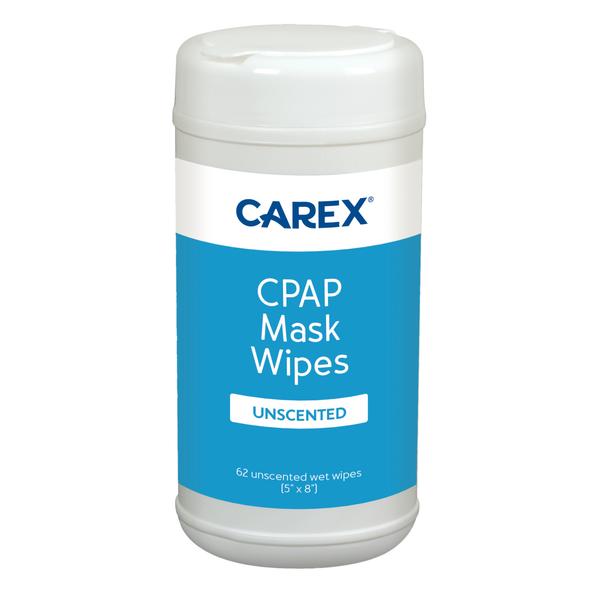
- Wipe down the mask cushion and straps with a damp cloth
- Check tubing for any leaks or damage
Weekly Cleaning
- Wash your mask, headgear, and cushion in warm soapy water; rinse thoroughly and air dry
- Replace the machine's intake filter if it looks dirty (many machines have washable filters)
Monthly Maintenance
- Clean your tubing by running warm water through it and hanging it to dry
- Inspect all connections for tightness
- Review your machine's data and settings
Important: Never Soak Your Machine
Never put your CPAP machine itself in water. Only the removable parts (mask, tubing, humidifier chamber) should be washed. The machine's motor and electronics must stay dry.
For more detailed guidance on CPAP maintenance, visit our related blog post on caring for your respiratory equipment and troubleshooting common issues.
Managing Common Side Effects
Most CPAP side effects are manageable with small adjustments. Here are the most common complaints and solutions:
Dry Nose or Mouth
Problem: Pressurized air can feel drying, causing nasal congestion, nosebleeds, or sore throat.
Solutions: Increase your humidifier setting, use saline nasal rinses before bed, try a full humidifier (heated chamber), or switch to a different mask type.
Facial Irritation or Pressure Marks
Problem: The mask creates red marks or causes skin irritation.
Solutions: Ensure proper mask fit (not too tight), use a mask liner, or try a different mask style. Gel-based mask liners can be game-changers for sensitive skin.
Claustrophobia or Anxiety
Problem: The mask and air pressure trigger anxiety, especially early in therapy.
Solutions: Practice wearing the mask during the day while awake, use the ramp feature, start with lower pressures, or talk to your therapist about anti-anxiety techniques. Some people benefit from sleep-compatible anxiety medications prescribed by their doctor.
Tubing Condensation (Rainout)
Problem: Water droplets form inside your tubing and can drip into your mask or make noises.
Solutions: Use a heated tubing set, lower your humidifier temperature, lower your bedroom temperature, or wrap your tubing in insulation. Many machines now include heated hose connections.
Difficulty Falling Asleep
Problem: You're hyperaware of the mask and machine, making it hard to sleep.
Solutions: Spend daytime hours wearing the mask while watching TV. Practice relaxation techniques. Use the ramp feature. Remember that this typically gets easier within 2-4 weeks as your brain adjusts.
Robert initially experienced dry nose and claustrophobia. "I almost quit after the first week," he admits. But his sleep specialist helped him adjust his humidifier, try a different mask size, and gave him permission to start with just 3-4 hours per night until he adapted. "Now I can't imagine sleeping without my machine," he says.
Insurance, Costs, and Financial Assistance
Insurance Coverage
Most insurance plans, including Medicare and Medicaid, cover CPAP machines when prescribed by a doctor for diagnosed sleep apnea. Typically, they cover:
- The CPAP machine itself
- The mask and headgear
- Replacement parts and supplies
Coverage usually requires documentation of your sleep study diagnosis and your doctor's prescription. Insurance may limit which brands or models they'll cover, so check with your plan before purchasing.
Out-of-Pocket Costs
If you're uninsured or prefer to purchase without insurance, here's what you might expect:
- Basic CPAP machine: $500-$1,000
- BiPAP machine: $1,000-$1,500
- APAP machine: $1,500-$2,500
- Mask and headgear: $100-$300
- Humidifier chamber: $30-$60
- Tubing and supplies: $20-$50
AllCare Store Makes It Affordable
At AllCare Store, we believe everyone deserves access to the equipment they need for quality sleep and health. We offer:
- Free shipping on CPAP machines and supplies
- Discreet packaging so your privacy is protected
- 30-day returns if you need to try a different model or mask
- Competitive pricing to make therapy affordable
Whether you're shopping for your first CPAP machine or replacement supplies, we're here to help you find exactly what you need at the best price.
Beyond CPAP: Complementary Respiratory Health
While CPAP is the gold standard for treating obstructive sleep apnea, supporting your overall respiratory health is important too. At AllCare Store, we offer a range of products to support your breathing and wellness:
Pulse Oximeters: If you have sleep apnea, monitoring your oxygen levels during the day can be helpful. Our pulse oximeter collection includes reliable devices to track your SpO2 levels.
Nebulizers: If you also have asthma, COPD, or other respiratory conditions, you might benefit from a nebulizer for medication delivery. We carry high-quality options like the Take a Breath Nebulizer Compressor Kit by Blue Jay and the MedNeb Compressor Nebulizer.
Medicine and Health Monitors: Our medicine and medication management monitors can help you stay organized with any medications prescribed alongside your CPAP therapy.
Explore our complete health and wellness blog for more information on respiratory care and sleep health topics.
The Life-Changing Results of CPAP Therapy
Let's return to Robert's story. Six months into CPAP therapy, his life looks entirely different. He has the energy to work a full day without afternoon crashes. He exercises regularly—something he couldn't have imagined when he was exhausted all the time. His blood pressure has normalized. His focus at work improved so much that he received a promotion. Most importantly, his marriage is stronger because his wife finally gets peaceful sleep.
"I didn't realize how sick I was until I got better," Robert reflects. "Everyone kept telling me I snored, but I didn't understand what that meant for my health. CPAP therapy literally saved my life. I have my quality of life back."
Your story could be Robert's story. Sleep apnea is treatable, and CPAP machines are highly effective. Yes, there's an adjustment period. Yes, wearing a mask takes some getting used to. But the transformation in how you feel—your energy, your health, your relationships—is worth every bit of initial adjustment.
Frequently Asked Questions About CPAP Machines
How long does it take to adjust to CPAP therapy?
Most people need 2-4 weeks to fully adapt, though some adjust in just a few days. Your brain is learning to accept a new sensation while you're trying to sleep, so patience is key. Don't judge the therapy until you've given it at least a month of consistent use.
Can I travel with my CPAP machine?
Absolutely! CPAP machines are designed to be portable. Most weigh 2-3 pounds and come with carrying cases. You'll need to pack your power adapter (or get an international voltage converter if traveling abroad), and consider bringing extra mask cushions and replacement filters. When flying, you can take your CPAP in carry-on luggage—TSA recognizes it as medical equipment.
What happens if I skip CPAP therapy for a night?
Missing one night of CPAP therapy won't cause permanent harm, but you'll likely experience poor sleep quality and daytime fatigue. Your apnea events will resume. Consistency is what matters—using your CPAP machine 6-7 nights per week, preferably every night, is the goal.
Can I use CPAP therapy while pregnant?
Yes, and it's actually important. Pregnancy can worsen sleep apnea, and untreated sleep apnea during pregnancy carries risks for both mother and baby. If you develop sleep apnea or your existing apnea worsens during pregnancy, your doctor will recommend continuing or starting CPAP therapy. The benefits far outweigh any risks.
Will CPAP therapy cure my sleep apnea?
CPAP therapy treats sleep apnea effectively while you're using it, but it doesn't "cure" the underlying condition. If you stop using your machine, your apnea events will return. That said, if your sleep apnea was caused by temporary factors (like nasal congestion or weight that's since been lost), treatment of those underlying issues might reduce your need for CPAP. Always discuss this with your sleep specialist.
How often should I replace my mask and supplies?
Plan to replace your mask cushion every 1-3 months depending on wear, and your entire mask every 6-12 months. Tubing lasts about 6 months before degrading. Humidifier chambers should be replaced annually. Most insurance plans cover these supplies as needed medical equipment.
Ready to Start Your CPAP Journey?
If you think you might have sleep apnea—or if you've been diagnosed and need equipment—we're here to support you. Contact AllCare Store today to discuss your CPAP needs:
Call us at 1-888-889-6260 to speak with our knowledgeable team. We can answer questions about CPAP machines, help you navigate insurance coverage, and ensure you have everything you need to succeed with therapy.
You deserve restful sleep and good health. Like Robert, you can reclaim your energy, improve your relationships, and feel like yourself again. CPAP therapy works—and we're committed to helping you find the right equipment and support for your unique needs.
Start your journey toward better sleep today. Your healthier, more energized future is waiting.