Recognizing end-of-life signs is one of the most difficult yet important responsibilities caregivers face. When a person is nearing the end of life, understanding the physical and emotional changes can provide clarity, comfort, and peace for both the individual and their loved ones.
At All Care Store, we support caregivers not only with high-quality medical supplies but also with the knowledge needed to navigate this deeply emotional stage with compassion and confidence.
Understanding End-of-Life Symptoms
End-of-life symptoms can begin weeks or even months before a person passes away. These changes often appear gradually and increase in intensity over time.
Recognizing these signs early allows caregivers and families to focus on:
-
Comfort care
-
Emotional support
-
Preparing for the final stages of life
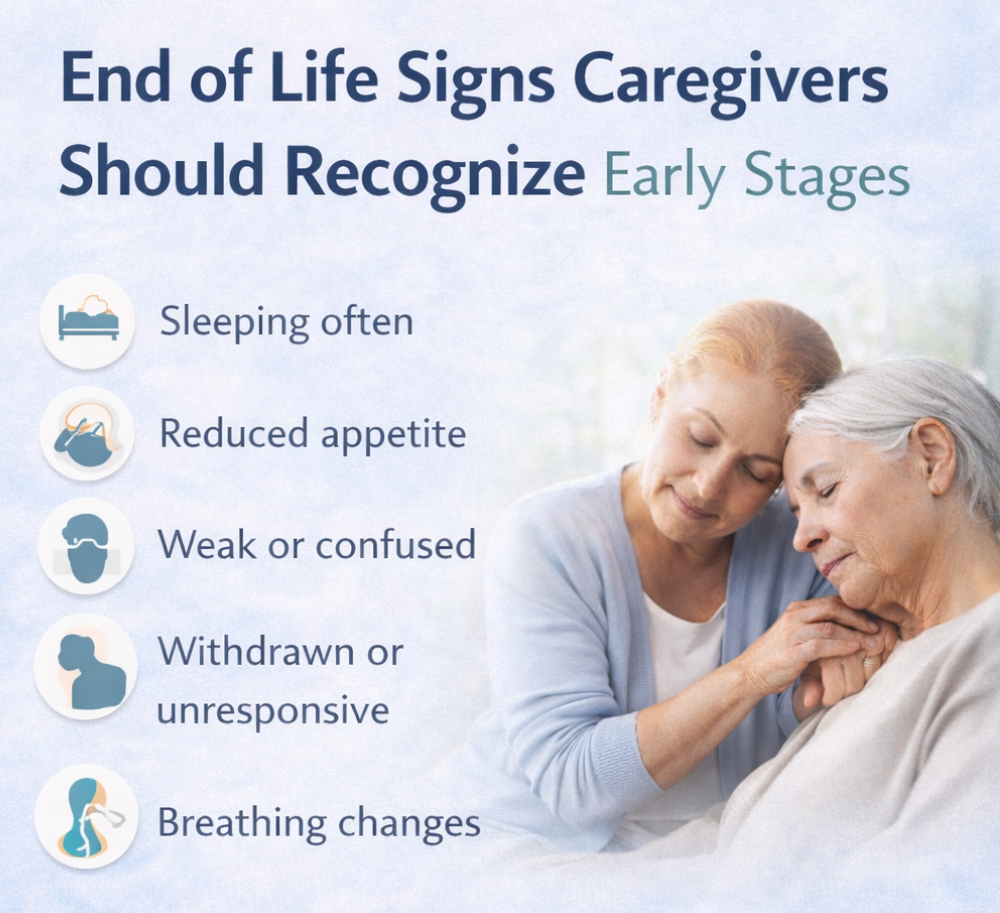
Common end-of-life signs may include:
-
Sleeping for long periods or staying in bed most of the day
-
Reduced appetite or refusal of food and water
-
Weakness, confusion, or forgetfulness
-
Physical withdrawal or unresponsiveness
-
Changes in breathing patterns
-
Fluctuations in body temperature
These symptoms may initially be subtle but usually become more noticeable as a person approaches the last 24 hours before death.
Six Months Before Death Symptoms: Early Indicators
The dying process often begins gradually. For individuals with chronic illness or terminal conditions, noticeable changes may appear six months before death.
Common symptoms six months before death include:
-
Significant weight loss or muscle wasting
-
Increased fatigue and sleeping more often
-
Frequent infections or hospital visits
-
Decline in mobility or ability to perform daily activities
-
Emotional withdrawal or reduced interest in life events
Identifying these early signs allows caregivers to consult healthcare professionals, explore palliative or hospice care, and prepare necessary care supplies from trusted providers like All Care Store.
Do Elderly Sleep a Lot Before Death?
A common question caregivers ask is: Do the elderly sleep a lot before death?
Yes, increased sleep is a natural part of the body's preparation for the end of life. As vital organs begin to slow down, the body conserves energy by sleeping longer.
While this change can be worrying for families, it is a normal end-of-life sign and should be met with patience, reassurance, and gentle care.
Transitioning to Death: What to Expect
Transitioning to death is a gradual process where both physical and emotional changes occur.
During this phase, caregivers may notice:
-
Labored or irregular breathing
-
Cold hands and feet
-
Reduced responsiveness
-
Limited communication
One visible sign is mottling before death, which appears as purple or blotchy discoloration on the skin. This indicates slowing circulation and is often a signal that the final stage has begun.
Helpful Caregiving Products
You may also find these healthcare supplies helpful during caregiving:
-
Bed pads
-
Incontinence pads
-
Adult wipes
-
Catheters for men
-
Commode over toilet
These products help caregivers maintain comfort, hygiene, and dignity during the final stages of life.
Last 24 Hours Before Death: Important Signs
Understanding the last 24 hours before death can help caregivers prepare emotionally and practically.
During this stage, common changes include:
-
Irregular or shallow breathing (Cheyne-Stokes breathing)
-
Cool or bluish skin tone
-
Decreased urine output or incontinence
-
Loss of appetite or inability to swallow
-
Unconsciousness or minimal responsiveness
Providing a calm environment with soft lighting, gentle music, and comforting touch can create a peaceful atmosphere.
All Care Store provides supportive products such as:
-
Disposable underpads
-
Skin care wipes
-
Absorbent bedding
These help maintain comfort and dignity during this sensitive time.
End of Life Signs Final Hours
During the final hours of life, the body begins shutting down completely.
Common end-of-life signs in the final hours include:
-
Open or glassy eyes
-
Extremely weak or absent pulse
-
Long pauses between breaths
-
Complete loss of muscle control
These signs indicate that death is very near. Simply holding a hand, speaking softly, or sitting nearby can provide comfort and reassurance.
5 Minutes Before Death: Physical Changes
In the 5 minutes before death, the body's functions slow dramatically.
Common signs may include:
-
Slack jaw or mouth slightly open
-
No chest movement
-
Eyes partially open or fixed
-
Complete stillness
This moment can be emotionally overwhelming. Knowing what to expect allows caregivers to remain calm and present.
3 Minutes Before Death: The Final Transition
At 3 minutes before death, breathing may already have stopped, and the body becomes completely still.
Caregivers may observe:
-
No visible breathing
-
Fixed eyes
-
Pale, cool skin
These final moments are deeply emotional and meaningful for families and caregivers.
Hospice End of Life Signs
When someone receives hospice care, professionals are trained to recognize hospice-end-of-life signs and provide guidance to families.
Hospice teams may observe changes such as:
-
Gradual refusal of food and water
-
Decreased physical movement
-
Increasing need for comfort medications
Hospice care teams work alongside caregivers to ensure comfort and dignity during the final stages.
Signs You May Die in Your Sleep
Some individuals pass away peacefully while sleeping.
Possible signs you may die in your sleep include:
-
Extended periods of unconsciousness
-
Extremely slow breathing
-
Sudden drops in oxygen levels
-
Very low heart rate
Passing during sleep is often calm and painless. Creating a comfortable and peaceful environment can support this natural process.
The Last Bowel Movement Before Death
The last bowel movement before death often occurs as the digestive system shuts down.
This may happen hours or days before passing.
Caregivers should manage hygiene gently using:
-
Soft wipes
-
Moisture barrier creams
-
Absorbent pads
All of these supplies are available at All Care Store to help maintain dignity and cleanliness.
Supporting Caregivers Through the End of Life Process
Caring for someone during the final stages of life is emotionally demanding.
Caregivers should remember they are not alone.
All Care Store supports caregivers with essential supplies such as:
-
Hygiene products
-
Bedding protection
-
Skin care supplies
-
Comfort aids
These tools help caregivers focus on providing compassionate care.
Final Thoughts
Recognizing end-of-life signs helps caregivers prepare emotionally and physically for the final stage of life.
Whether observing six months before death symptoms or identifying the last 24 hours before death, understanding these changes allows families to focus on comfort, dignity, and emotional connection.
At All Care Store, we are committed to supporting caregivers with trusted products, helpful knowledge, and compassionate service every step of the way.
FAQ
What happens in the last 24 hours before death?
During the last 24 hours, individuals may become unresponsive, experience irregular breathing, and develop cool or mottled skin.
What are the most recognized end-of-life signs?
Common signs include increased sleeping, shallow breathing, decreased appetite, and cold hands and feet.
Are there specific changes that occur 3 minutes before death?
Yes, there may be no pulse, no breathing, and complete stillness.
Why do the elderly sleep a lot before death?
The body conserves energy as organs begin shutting down, which leads to increased sleeping.
What are the six months before death symptoms?
Symptoms include reduced activity, weight loss, fatigue, and difficulty swallowing.
What are common end-of-life signs in the final hours?
Irregular breathing, mottled skin, and lack of responsiveness are common signs.
What physical signs of the end of life should I be aware of?
Breathing changes, skin color changes, weakness, and minimal movement are typical signs.
What are the signs that you may die in your sleep?
Deep unconsciousness, slow breathing, and extremely low heart rate may occur.
What does mottled skin before death look like?
It appears as purple or blotchy patches on the arms, legs, or hands.
Why is the last bowel movement before death significant?
It often indicates the digestive system is shutting down as the body prepares for death.