NUTRITIONAL DISCLAIMER: This article is for informational purposes only and does not constitute medical or dietary advice. Protein and supplement needs vary based on individual health conditions, kidney function, and medications. Always consult your physician or a registered dietitian before beginning a new protein supplementation program, particularly if you have kidney disease, diabetes, or other chronic conditions.
Frank's Wake-Up Call at 72
Frank had always been the strong one in the family. For decades he worked in construction, built furniture in his garage, and hiked with his grandchildren every summer. So when his daughter noticed him struggling to lift a bag of groceries last fall — and when Frank himself admitted that climbing the stairs left him winded in a way it never used to — neither of them quite knew what to make of it.
His doctor put a name to what was happening: sarcopenia. Age-related muscle loss. Starting in our forties, humans lose roughly 3–8% of muscle mass per decade — and that rate accelerates significantly after age 60. By Frank's age, even people who remain moderately active can lose substantial muscle if their diet doesn't provide adequate protein to counteract the body's natural muscle breakdown processes.
Frank's doctor recommended a simple, two-part intervention: a resistance exercise routine (even light weight training three times a week) and a high-protein diet with at least 1.2 grams of protein per kilogram of body weight per day. For Frank, who weighed 185 pounds, that meant roughly 100 grams of protein daily — significantly more than the average American senior consumes. The practical solution? A high-quality protein shake each morning, added to a protein-conscious diet throughout the day.
Eight months later, Frank is back to hiking with his grandchildren. He's not 40 again — but the slide has reversed, his grip strength has improved measurably, and he feels like himself again.
If Frank's story resonates, this guide will walk you through everything you need to know about protein shakes for seniors — what works, what to look for, and how to build a sustainable approach to preserving muscle mass as you age.
Why Seniors Lose Muscle — and Why Protein Is the Answer
The Science of Sarcopenia
Sarcopenia — from the Greek for "poverty of flesh" — is the progressive, age-related decline in skeletal muscle mass and strength. It's not a disease but a normal physiological process, though its consequences are anything but benign. Sarcopenia contributes directly to increased fall risk, fractures, loss of independence, slower recovery from illness and surgery, and reduced quality of life. It's one of the strongest predictors of disability in older adults.
Multiple mechanisms drive sarcopenia. Anabolic hormones that stimulate muscle growth — testosterone, growth hormone, insulin-like growth factor 1 — decline with age. Motor neurons that control muscle fibers are lost. Chronic low-grade inflammation, common in older adults, promotes muscle protein breakdown. Physical activity often decreases. And critically, the muscle's sensitivity to the anabolic stimulus of dietary protein diminishes — meaning older adults need more protein to achieve the same muscle-building response that younger people get from less.
The Protein Gap in Senior Diets
Despite elevated protein needs, most seniors consume less protein than recommended. Appetite naturally declines with age. High-protein foods like meat can become harder to chew or prepare. Fixed incomes may limit access to quality protein sources. The result is a protein gap that quietly accelerates muscle loss even in seniors who believe they're eating adequately.
Current research suggests older adults need 1.0–1.6 grams of protein per kilogram of body weight daily to support muscle maintenance — significantly above the 0.8 g/kg recommendation for younger adults. A 154-pound (70 kg) senior needs 70–112 grams of protein per day. A high-quality protein shake delivering 20–30 grams per serving can meaningfully close that gap.
Why Protein Shakes Work Well for Seniors
Protein shakes offer practical advantages that make them well-suited to older adults' needs and lifestyles. They require no cooking and minimal preparation. They're easy to consume even when appetite is low. They deliver a concentrated, measured protein dose that takes the guesswork out of tracking intake. They come in formats that are easy to chew and swallow — important for seniors with dental issues or dysphagia. And they can be consumed post-exercise, when muscles are most receptive to protein for repair and growth.
Key Protein Types: What's in Your Senior Protein Shake?
Not all protein is equal. Understanding protein types helps you choose a shake that delivers maximum benefit for muscle maintenance in older adults.
Whey Protein: The Gold Standard
Whey protein, derived from milk, is the most extensively studied protein source for muscle building in both younger and older adults. Its advantages are significant: it's a complete protein containing all nine essential amino acids, it's rich in leucine (the amino acid most directly responsible for triggering muscle protein synthesis), and it's rapidly digested and absorbed — meaning the amino acids reach muscles quickly after consumption.
Multiple clinical trials in older adults have shown whey protein supplementation, particularly when combined with resistance exercise, significantly slows muscle loss and in some cases reverses it. For seniors focused specifically on muscle preservation, whey protein is the most evidence-backed choice.
Whey concentrate vs. whey isolate: Whey isolate has been further processed to remove most lactose and fat, resulting in a higher protein percentage per serving (typically 90%+ protein by weight) and lower calorie count. It's a better choice for lactose-sensitive seniors. Whey concentrate contains slightly more lactose and fat but is usually less expensive.
Casein Protein: The Slow-Release Option
Also derived from milk, casein protein digests slowly — over several hours rather than the quick absorption of whey. This makes it less optimal for post-workout use (when fast protein is beneficial) but excellent as a bedtime supplement. Taking casein protein before sleep provides a sustained supply of amino acids overnight, when muscle repair occurs, preventing the overnight fasting period from becoming a period of net muscle loss. For seniors, a bedtime casein shake is a clinically supported strategy for overnight muscle preservation.
Plant-Based Proteins: Pea, Rice, and Blends
For seniors who avoid dairy, plant-based protein options have improved considerably in recent years. The key consideration is amino acid completeness — most plant proteins are low in at least one essential amino acid, which can limit their muscle-building effectiveness compared to whey.
Pea protein is the most promising plant option for seniors. It's rich in leucine relative to other plant proteins and performs better than many plant alternatives in muscle-building studies. It's also hypoallergenic and well-tolerated digestively.
Brown rice protein alone is incomplete (low in lysine), but when blended with pea protein, the combination achieves a more complete amino acid profile that approaches whey's effectiveness.
Look for plant-based protein blends rather than single-source plant proteins when muscle maintenance is the primary goal. The combination of pea + rice + hemp or other complementary sources provides a more complete amino acid profile than any single plant protein.
Collagen Protein: Bone and Joint Support
Collagen protein has surged in popularity and is frequently marketed to seniors for joint, bone, and skin health. It's worth understanding clearly: collagen protein is not an effective source of muscle-building protein. It's very low in leucine and several other essential amino acids that muscle synthesis requires. It does, however, provide glycine, proline, and hydroxyproline — amino acids used in connective tissue synthesis — and some evidence supports its use for joint comfort and bone density support.
For seniors who want both muscle support and joint/bone support, using a collagen supplement alongside (not instead of) a high-quality whey or pea protein shake is the most strategic approach.
Best Protein Shakes for Seniors: What to Look For
Protein Content Per Serving
Aim for at least 20–25 grams of protein per serving. Research suggests that doses below about 20 grams may not fully stimulate muscle protein synthesis in older adults, whose muscles have reduced sensitivity to protein's anabolic signal. Higher-dose shakes (25–30g) are appropriate for seniors with significant protein deficits or those using shakes post-exercise.
Leucine Content
Leucine is the key amino acid that activates the muscle protein synthesis pathway. Look for protein shakes that provide 2–3 grams of leucine per serving. Whey protein naturally delivers this; plant proteins may need to be consumed in higher quantities to reach similar leucine thresholds.
Low Sugar
Many protein shakes — particularly those marketed as meal replacements — contain significant sugar or artificial sweeteners to improve taste. For seniors managing blood sugar, avoiding unnecessary sugar is important. Look for shakes with fewer than 5 grams of added sugar per serving.
Digestive Tolerance
Seniors are more likely to experience digestive discomfort from high doses of certain protein types, particularly whey concentrate (due to lactose). Whey isolate, plant-based proteins, or hydrolyzed proteins (pre-digested for faster, easier absorption) tend to be gentler on the digestive system. Probiotics and digestive enzymes in some formulations can also help.
Added Nutrients Beneficial for Seniors
Some protein shakes include additional ingredients particularly relevant for muscle maintenance in older adults:
HMB (beta-hydroxy-beta-methylbutyrate) — A metabolite of leucine that directly inhibits muscle protein breakdown. Clinical trials in older adults support HMB supplementation (3 grams/day) for reducing muscle loss, particularly during periods of reduced activity or illness. Ensure Enlive contains HMB.
Creatine — Well-documented for enhancing muscle strength and power in combination with resistance exercise. Safe and effective in older adults at doses of 3–5 grams/day. Some specialized senior protein shakes include creatine; it can also be added separately.
Vitamin D — Critically important for muscle function. Vitamin D deficiency — common in seniors — directly impairs muscle strength independent of protein intake. Protein shakes that include vitamin D (ideally D3 at 800–1000 IU) address this compounding factor.
Recommended Protein Shake Options for Seniors
| Product Type | Protein/Serving | Best For | Key Feature |
|---|---|---|---|
| Whey Isolate Shake | 25–30g | Post-exercise muscle building | Fast absorption, low lactose |
| Casein Shake | 20–25g | Overnight muscle preservation | Slow-release, bedtime use |
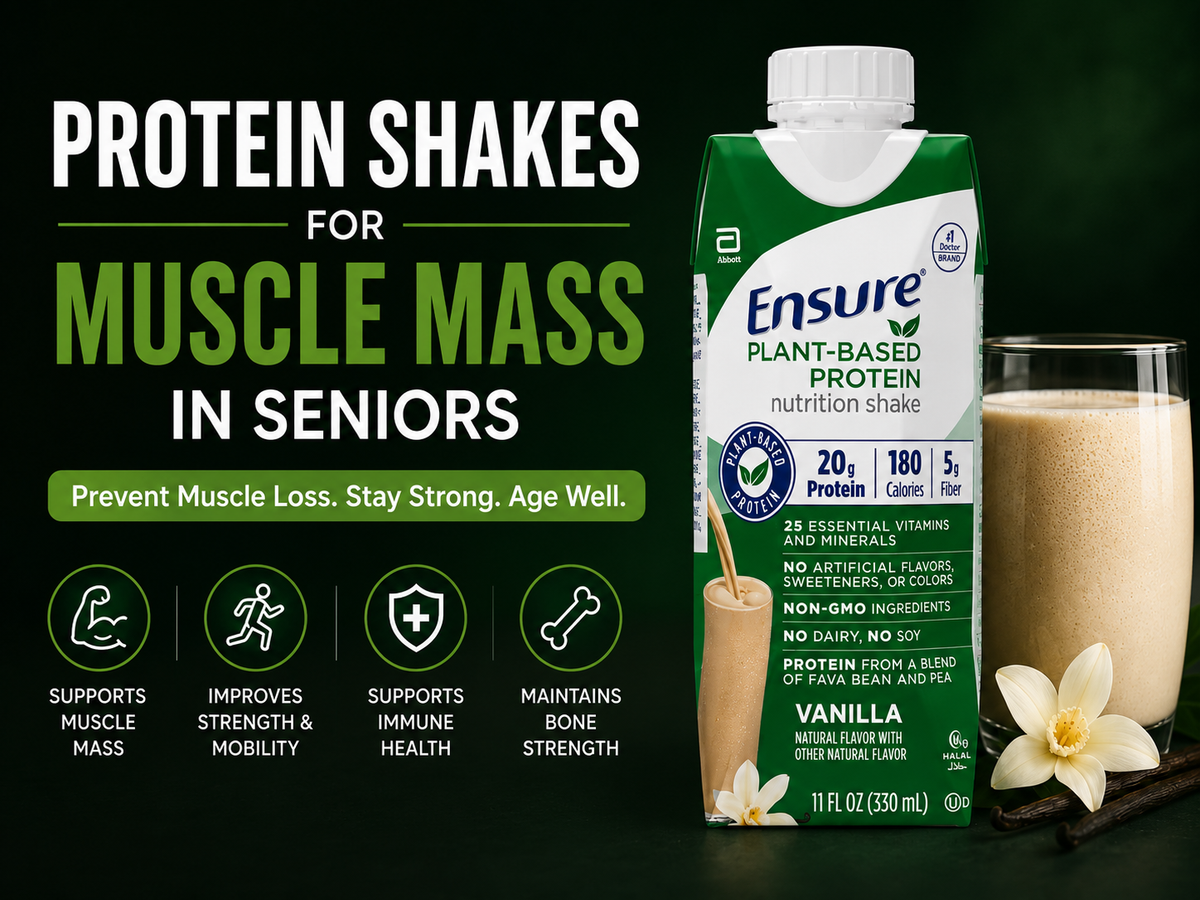
| Ensure Enlive | 20g | Complete senior nutrition + muscle | Contains HMB, vitamins, minerals |
| Ensure Max Protein | 30g | High protein deficit correction | Very high protein, low sugar |
| Boost High Protein | 20g | Balanced nutrition + muscle support | Complete meal with protein |
| Pea/Rice Protein Blend | 20–25g | Dairy-free seniors | Plant-based, hypoallergenic |
| Premier Protein | 30g | High protein, low calorie | Widely available, affordable |
How to Use Protein Shakes Effectively: Timing and Strategy
The Post-Exercise Window
Consuming protein within 30–60 minutes of resistance exercise is the most effective strategy for stimulating muscle protein synthesis. The exercise itself sensitizes muscles to protein's anabolic signal, and having protein available immediately maximizes the response. A whey protein shake after resistance training is the combination most consistently supported by research for muscle building in older adults.
Distributing Protein Throughout the Day
Rather than consuming most protein in one meal, distribute intake across three or four meals and snacks throughout the day. Each protein-containing meal should provide 25–35 grams of protein to adequately stimulate muscle protein synthesis. Many seniors consume most of their protein at dinner — front-loading breakfast and lunch with more protein can significantly improve daily muscle stimulus.
A practical daily structure for a senior consuming 100 grams of protein:
- Breakfast: 2 eggs + protein shake = ~30g protein
- Lunch: Greek yogurt + chicken or tuna = ~30g protein
- Post-exercise or afternoon: Protein shake = ~25g protein
- Dinner: Meat, fish, or legumes = ~25g protein
Bedtime Casein for Overnight Preservation
A casein protein shake before bed — 20–40g — provides slow-releasing amino acids throughout the overnight fast, reducing muscle breakdown during sleep. Clinical studies in older adults show this strategy improves overnight muscle protein synthesis without disrupting sleep quality. This is a simple, high-impact addition to any senior muscle preservation program.
Combining Protein Shakes with Exercise
Protein supplementation without exercise produces modest benefits. The combination of resistance exercise and adequate protein intake produces dramatically better results than either alone. The good news: older adults do not need intense workouts to stimulate meaningful muscle adaptation. Research consistently shows that even light-to-moderate resistance exercise — bodyweight exercises, resistance bands, light dumbbells — is sufficient to activate muscle protein synthesis when protein intake is adequate.
The American College of Sports Medicine recommends older adults perform resistance exercise at least 2 days per week. If your loved one is new to exercise or has orthopedic limitations, a physical therapist can design a safe, appropriate program. Even chair-based resistance exercises provide meaningful muscle stimulus for frail older adults.
Safety Considerations for Senior Protein Supplementation
Kidney Disease: The Critical Caution
High protein intake can accelerate the progression of chronic kidney disease (CKD). Seniors with compromised kidney function — even mild CKD that may not have obvious symptoms — should not follow high-protein supplementation programs without physician guidance. Kidney function declines naturally with age and is often not tested unless specifically requested. If there is any uncertainty, ask your doctor to check kidney function (creatinine, GFR) before beginning high-protein supplementation.
Medication Interactions
Some protein shakes contain significant amounts of potassium, phosphorus, or vitamin K that can interact with certain medications or be contraindicated in specific medical conditions. Review ingredients with your pharmacist if your loved one takes multiple medications.
Starting Gradually
Dramatically increasing protein intake quickly can cause digestive upset — bloating, gas, changes in bowel habits. Start with one shake per day and gradually increase over 1–2 weeks to allow the digestive system to adapt. Staying well hydrated when increasing protein intake is also important.
Supporting Senior Muscle Health at AllCare Store
At AllCare Store, we carry products that support seniors' strength, mobility, and nutritional health at every stage. Alongside protein supplementation, consider these from our collection:
- Vitamins & Supplements — Vitamin D, creatine, omega-3s, and other evidence-backed supplements that complement protein intake for muscle and bone health.
- Nutrition & Feeding — Nutritional shakes, protein supplements, and feeding aids for seniors managing nutritional needs.
- Mobility Aids — Walkers, rollators, canes, and supports for seniors building strength and maintaining independence.
- Physical Therapy & Exercise — Resistance bands, balance aids, and therapy tools to pair with protein supplementation for optimal muscle maintenance results.
Call us at 1-888-889-6260 for guidance on nutrition and mobility products for seniors. Free shipping on most orders, 30-day returns.
Frequently Asked Questions: Protein Shakes for Senior Muscle Health
How much protein do seniors need per day for muscle maintenance?
Current research suggests older adults need 1.0–1.6 grams of protein per kilogram of body weight daily — significantly more than the 0.8 g/kg recommended for younger adults. A 154-pound (70 kg) senior needs approximately 70–112 grams of protein per day. Seniors who exercise regularly, are recovering from illness, or have been diagnosed with sarcopenia may benefit from the higher end of this range. Most American seniors consume well below this amount, which contributes to accelerated muscle loss.
Is whey protein safe for seniors?
Whey protein is safe for most seniors with normal kidney function. It's the most extensively studied protein source for muscle maintenance in older adults and has a strong safety record in clinical trials. The main considerations are lactose intolerance (whey isolate has less lactose than concentrate and is better tolerated by lactose-sensitive individuals) and kidney disease — seniors with chronic kidney disease should consult their physician before increasing protein intake significantly, as high protein can stress compromised kidneys.
Can protein shakes reverse muscle loss in seniors?
Protein shakes combined with resistance exercise can meaningfully slow, halt, and in some cases partially reverse age-related muscle loss. Clinical trials consistently show that older adults who combine protein supplementation with resistance training gain measurable muscle mass and strength. Protein alone (without exercise) produces more modest benefits. The degree of improvement depends on baseline status, consistency of the program, and individual factors. Starting earlier is better — preserving existing muscle is easier than rebuilding lost muscle, though both are possible.
When is the best time for seniors to drink protein shakes?
Post-exercise (within 30–60 minutes of resistance training) is the most effective time for whey protein to stimulate muscle growth. Morning is also valuable — overnight fasting depletes available amino acids, and consuming protein at breakfast helps reverse this catabolic state early in the day. Bedtime casein protein is supported by research for reducing overnight muscle breakdown. Distributing protein intake across multiple meals rather than concentrating it in one meal is more effective than single large doses.
What is HMB and should seniors look for it in protein shakes?
HMB (beta-hydroxy-beta-methylbutyrate) is a metabolite of the amino acid leucine that directly inhibits muscle protein breakdown — the process by which muscles are broken down between meals or during periods of inactivity. Clinical trials in older adults support HMB supplementation (3 grams/day) for reducing muscle loss, particularly during periods of bedrest or illness. It's especially valuable for seniors who cannot exercise due to injury or health conditions, as it provides some anti-catabolic benefit even without the exercise stimulus. Ensure Enlive is one widely available product that includes HMB.
Strength Is a Choice You Make Every Day
Frank's doctor put it simply: sarcopenia is not inevitable — it's preventable with the right nutrition and the right movement, at any age. The body's capacity to build and maintain muscle never fully disappears. What changes with age is that the stimulus required gets larger, and the window for recovery gets narrower. Adequate protein, consistently consumed throughout the day and paired with regular resistance exercise, gives older adults the best available tools to remain strong, independent, and capable for as long as possible.
A high-quality protein shake isn't a magic solution — but as a reliable, convenient, measured protein source that can be consumed every single day regardless of appetite or cooking ability, it's one of the most practical tools available for fighting back against age-related muscle loss.
Explore our Nutrition & Feeding and Vitamins & Supplements collections at AllCareStore.com. Our team is here to help — call us at 1-888-889-6260.