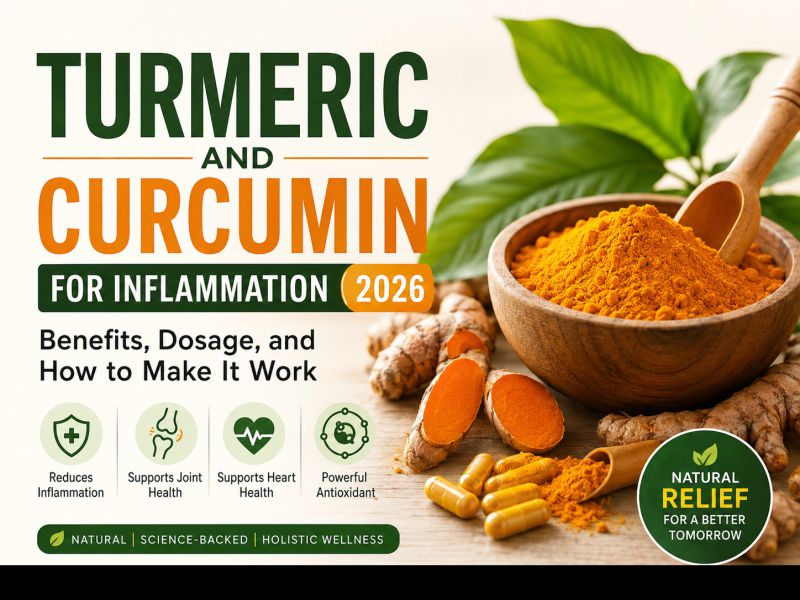
Medical Disclaimer: This article is for informational purposes only and is not medical advice. Culinary turmeric is generally safe, but concentrated turmeric or curcumin can interact with blood thinners and other medications. Talk to your healthcare provider before making big changes if you take medication or have a health condition.
Capsules Aren't the Only Way — and Often Not the Nicest
If you want the dosing science, standardized extracts, and clinical evidence for curcumin, our companion turmeric and curcumin supplement guide covers all of that. This article is about the other path a lot of people actually prefer: getting turmeric into your food. It is gentler on the stomach, it is enjoyable, and it fits into an overall anti-inflammatory way of eating rather than being one more pill.
The One Trick That Makes Kitchen Turmeric Work
Turmeric's active compound, curcumin, is poorly absorbed on its own — but two everyday kitchen ingredients fix that dramatically:
- Black pepper. A compound in pepper (piperine) can raise curcumin absorption many times over. A few cracks of pepper in any turmeric dish is not just flavor — it is what makes it count.
- Fat. Curcumin is fat-soluble, so cooking turmeric with a little olive oil, coconut milk, ghee, or full-fat dairy helps your body take it up.
Turmeric + pepper + a little fat + gentle heat is the golden formula behind traditional dishes — they were built around good absorption long before anyone measured it.
Golden Milk (Haldi Doodh): The Classic Nightcap
The most popular way to drink turmeric, and an easy nightly ritual:
- Warm 1 cup of milk of choice (dairy, oat, or coconut) in a small pot.
- Whisk in ½ tsp turmeric, a pinch of black pepper, ¼ tsp cinnamon, and a small piece of grated fresh ginger.
- Simmer gently 5 minutes — do not boil hard.
- Sweeten with a little honey or maple after it cools slightly. Optional: a tiny bit of coconut oil for extra absorption.
Warm, soothing, and easy on the stomach — a nice wind-down for stiff, achy evenings.
Easy Ways to Use Turmeric Every Day
| Meal | How to Add Turmeric |
|---|---|
| Breakfast | Whisk a pinch into scrambled eggs; stir into oatmeal with cinnamon; blend into a smoothie with mango and black pepper |
| Soups & stews | Add ½ tsp to lentil soup, chicken soup, or any broth — warmth and color with almost no flavor change |
| Rice & grains | A pinch turns rice golden; great with a drizzle of olive oil |
| Roasted veg | Toss cauliflower, sweet potato, or chickpeas in oil, turmeric, and pepper before roasting |
| Dressings & tea | Shake into a vinaigrette; steep fresh turmeric and ginger for a simple tea |
A practical note: turmeric stains counters, plastic, and fingers a stubborn yellow. Wipe spills quickly and use a spoon rather than your hands.
Fresh Root vs. Ground Powder
Ground turmeric is convenient, consistent, and perfect for cooking. Fresh turmeric root (it looks like small ginger) has a brighter, earthier taste — grate it into teas, dressings, and stir-fries. Either works; keep ground turmeric sealed away from light so it does not go flat, and store fresh root in the fridge.
Turmeric Is One Piece of an Anti-Inflammatory Plate
No single spice outweighs your overall pattern of eating. Turmeric shines alongside the wider anti-inflammatory basics: olive oil, oily fish, leafy greens and colorful vegetables, berries, nuts, and whole grains, while dialing back ultra-processed food and added sugar. Think of turmeric as a flavorful, everyday nudge in the right direction — not a cure on its own.
When a Supplement Makes More Sense
Food-first is great for everyday maintenance, but the amounts used in clinical research are higher than most people eat. If you are targeting a specific issue like ongoing joint pain and want a measured, standardized dose, a curcumin supplement (ideally with piperine or a lipid-based formula) may fit better — the details are in our curcumin supplement guide. Browse options in the Vitamins & Supplements collection. Many people do both: turmeric in cooking, plus a supplement when they need a stronger, consistent dose.
Questions about choosing a curcumin product? Call 1-888-889-6260. Free shipping on every order.
Frequently Asked Questions
Can I get enough turmeric from food, or do I need a supplement?
Cooking with turmeric is excellent for everyday, gentle support and fits into a broader anti-inflammatory diet. However, the doses used in clinical studies are higher than typical cooking amounts. For general wellness, food is a fine approach; for a targeted, measured dose aimed at a specific issue, a standardized curcumin supplement with black pepper or a lipid-based formula delivers more reliably.
Why do recipes always pair turmeric with black pepper?
Because it dramatically improves absorption. Curcumin, turmeric's active compound, is poorly absorbed alone, but piperine in black pepper can multiply its bioavailability many times over. Pairing turmeric with a little fat (oil, coconut milk, ghee) helps too, since curcumin is fat-soluble. That is why golden milk and curries include both.
Is it safe to cook with turmeric every day?
Culinary amounts of turmeric are considered safe for most people as part of a normal diet. Concentrated turmeric or curcumin supplements are a different story and can interact with blood thinners and some medications, so check with your provider before taking those. If you have gallbladder issues or are on anticoagulants, mention regular turmeric use to your doctor.
For dosing and the clinical evidence, see our Turmeric & Curcumin for Inflammation supplement guide. More on the AllCare Store blog.