Why Quality Physical Therapy Tools Matter for Recovery
Whether you’re recovering from surgery, bouncing back from an injury, or helping a loved one rebuild their strength, our physical therapy recovery collection is designed for support, comfort, and real-life improvement. Healing and recovery aren’t just physical; they’re emotional, too. We believe in products that help you feel empowered again.
Why physical therapy recovery matters
After an injury or surgery, your body deserves more than just rest—it deserves tools and guidance that help it heal properly. According to experts, physical therapy plays a vital role in recovery by improving strength, flexibility and mobility.
When you invest in physical therapy recovery aides, you’re investing in the possibility of independence, better movement, and a smoother path back to your daily life.
How our collection supports you
Our selection brings together thoughtfully designed aids that boost recovery, ease strain and enhance your ability to move freely.
Re-gain movement and strength
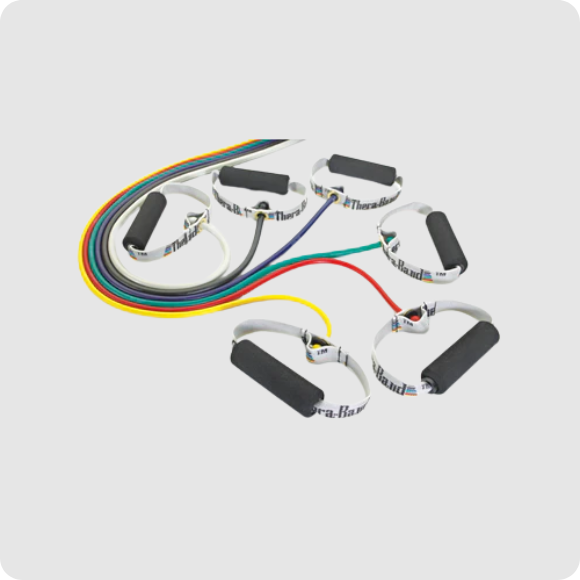
From resistance bands to balance tools, you’ll find items that assist you in gently rebuilding your body. Therapists say physical therapy supports improved mobility and function.
Comfort and support for caregivers and families
If you’re helping someone else—the stair-walker, the recovery after knee or hip surgery—you’ll find accessible options that ease the process.
Encouragement toward independence
Being able to dress, reach, stand or walk with confidence is a big deal. Physical therapy recovery items help translate therapy into everyday life.
Motivation and confidence
When you use tools that feel safe and effective, you’re more likely to stick with your routine—and sticking with it means better outcomes.
Everyday benefits you’ll feel
Freedom to move
Whether it’s sitting up without pain, walking down the hall, or lifting groceries again—these changes matter.
Less worry, more living
Knowing you have recovery aids that support you removes a lot of the “what if” anxiety.
Emotional uplift
Healing is more than physical. Feeling stronger, more capable, less limited—it boosts your mood, hope and sense of self.
Better long-term outcomes
Physical therapy recovery doesn’t just help now—it helps prevent future issues, keep you active and maintain quality of life.
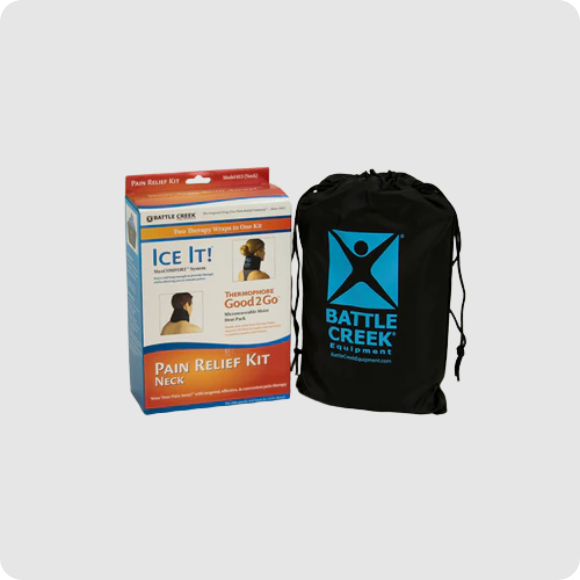
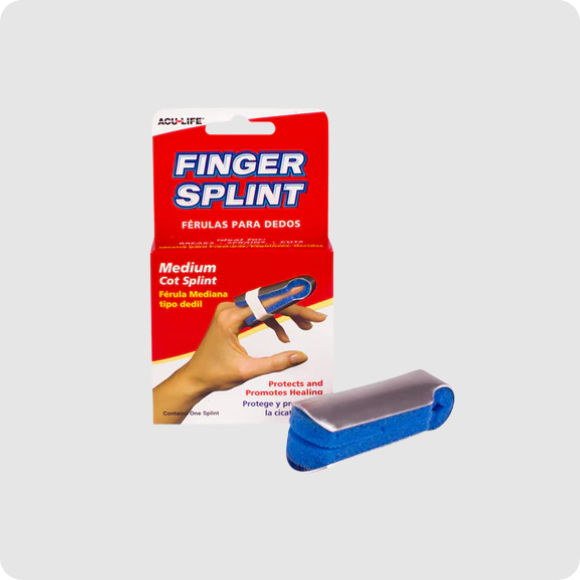
Explore more: Hot and Cold Therapy | Leg Braces for Walking | Braces and Wraps | Thumb Splint
What you’ll find in this collection
Home-rehab equipment
balance boards, resistance bands, foam rollers, and therapy-grade aids for daily use.
Mobility and support tools
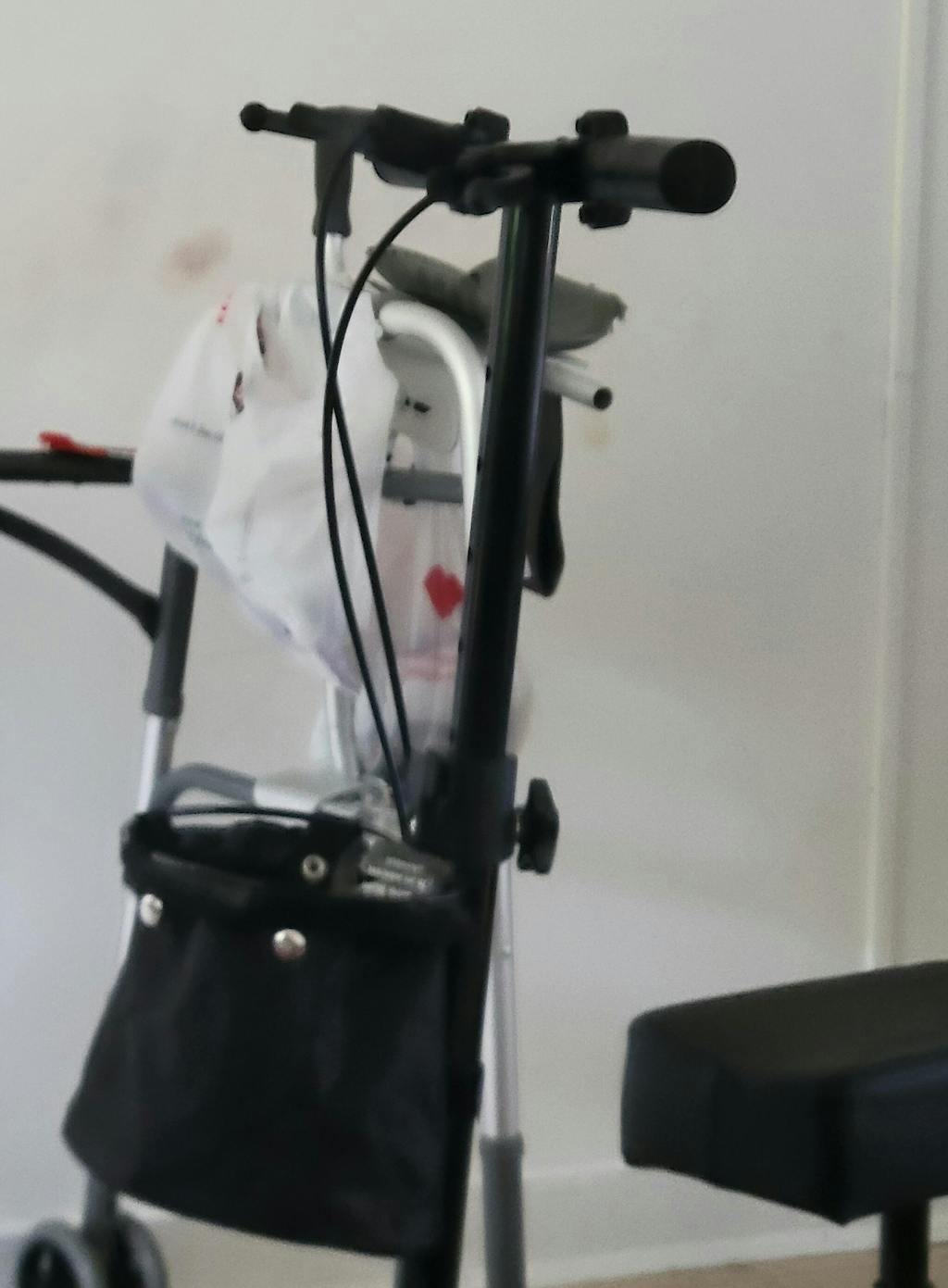
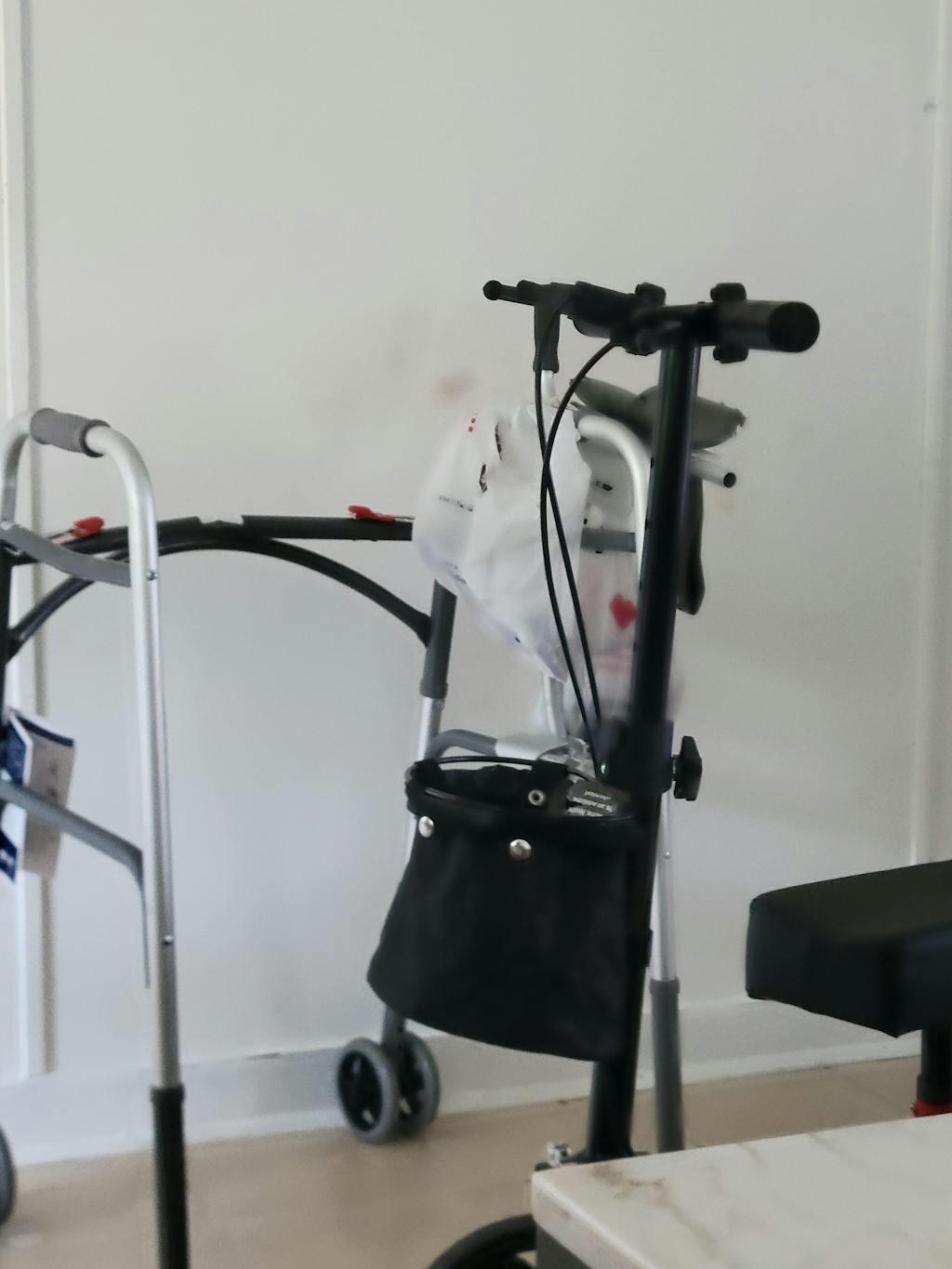
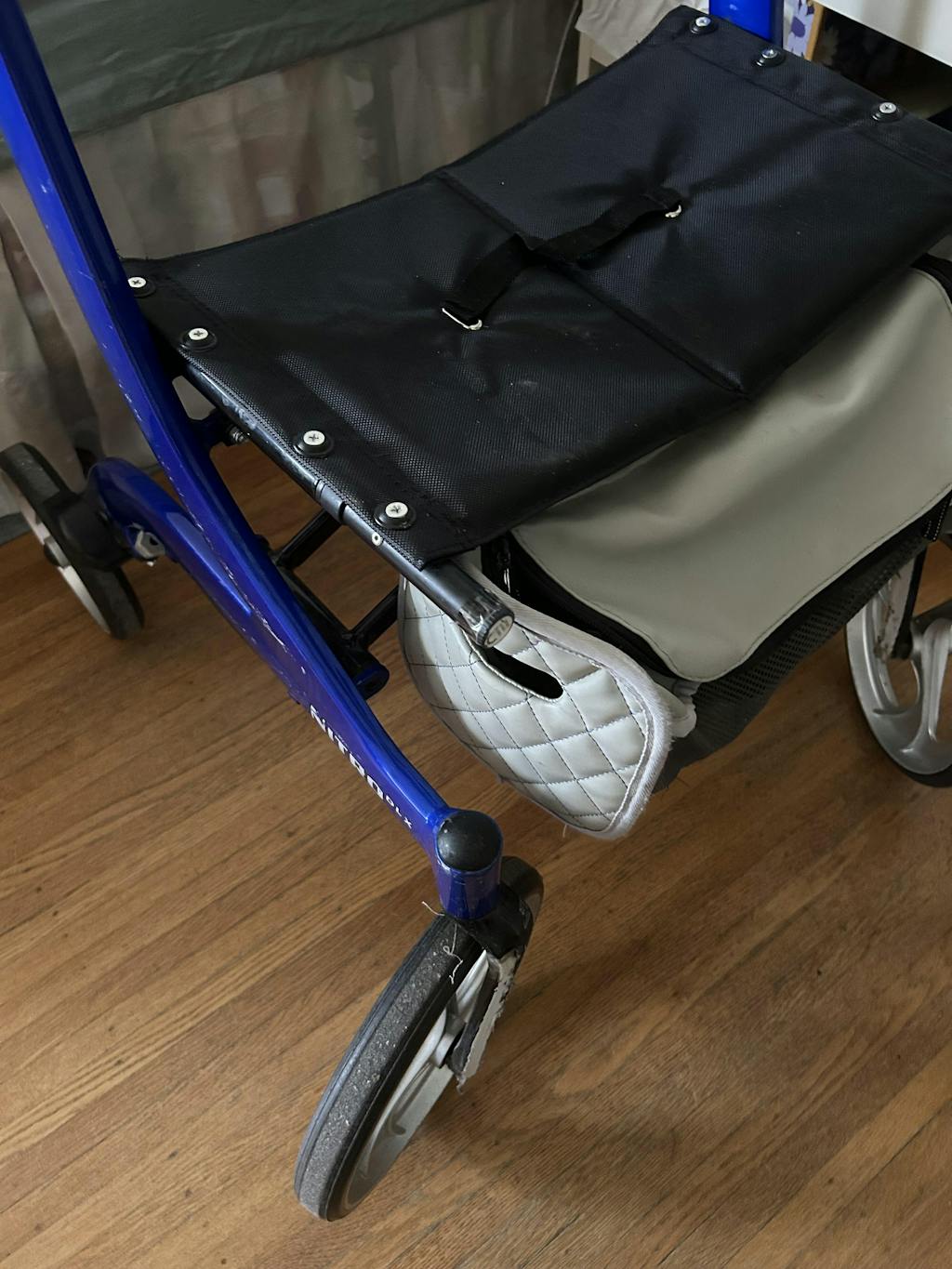
walkers, gait trainers, transfer aids, and assistive-movement gear for after surgery or when mobility is reduced.
Recovery-friendly accessories
mats, cushions, therapy-balls, and easy-to-use tools for at-home warm-up or post-therapy routines.
Senior-friendly and caregiver-friendly options
designed with comfort, safety and simplicity in mind—so recovery doesn’t feel complex.
Making recovery part of your life
Healing doesn’t happen overnight. It often happens step by step—one exercise, one walk, one stretch at a time. Medical sources highlight how physical therapy offers more than just post-surgery repair; it helps people regain function and reduce future risks.
As you explore this collection, think of each item as a partner on your journey—something that helps you reclaim your daily routine, keep the people you care about moving, and live with less limitations.
Frequently Asked Questions
1. What exactly does “physical therapy recovery” mean in a home-care context?
It means using tools and supports to carry out rehab activities outside a clinic—building strength, improving flexibility, working on balance and walking safely.
2. Who benefits from physical therapy recovery aids?
Anyone recovering from injury or surgery, seniors working on mobility, caregivers helping someone heal, or anyone wanting to prevent future injuries and stay active.
3. How soon should recovery aids be used after surgery or injury?
That depends on your doctor or therapist’s guidance. These aids work best when they match your stage of healing. Always follow professional advice and use home tools as recommended.
4. Will using these recovery products replace seeing a therapist or doctor?
No—they’re designed to support your professional care. They help you follow your therapist’s plan at home but don’t replace personalized medical or therapy supervision.
5. Are these home-rehab tools safe for seniors or people with limited mobility?
Yes—many are built specifically with ease-of-use in mind: grips, non-slip surfaces, simple adjustments. Choose tools that suit your strength level and always ensure safe surroundings.