Medical Disclaimer: This article is for informational purposes only and should not be considered medical advice. Always consult your healthcare provider before starting any new medication, especially if you have existing health conditions, take other medications, or are pregnant or breastfeeding. If you experience severe side effects or allergic reactions, seek immediate medical attention.
Margaret's Morning: Finding the Right Pain Relief
Margaret woke at 6 AM with a familiar, throbbing sensation in her knees. At 68, she'd learned to expect these aches, but that didn't make them any easier to bear. She shuffled to the kitchen, reaching for her medicine cabinet—and suddenly felt overwhelmed by the choices staring back at her. Tylenol? Advil? That bottle of Aleve her daughter recommended? Which was the best pain medicine for her creaky joints?
If you've stood in front of your bathroom mirror or pharmacy shelf facing the same question, you're not alone. Millions of people struggle to choose between these popular pain relief options every single day. The good news? Understanding how each one works—and when to use it—is easier than you might think.
In this guide, we'll walk you through the best pain relievers available today, comparing Tylenol, Advil, and Aleve side-by-side. By the end, you'll know exactly which pain reliever is right for your specific situation, how to use it safely, and when to reach out to your doctor. Let's find you the relief you deserve.
Understanding Your Pain Reliever Options: The Basics
Before we dive into comparing these three popular pain relief products, let's talk about what makes them different. You might be surprised to learn that there are only a few main types of over-the-counter pain medicine, and each works in a completely different way inside your body.
When you understand the mechanism behind each pain reliever, choosing the best pain medicine becomes much simpler. It's not about which one is "strongest"—it's about which one matches your specific type of pain and your body's needs.
What Exactly Is a Pain Reliever?
A pain reliever (also called an analgesic) is a medication that reduces your perception of pain. Think of it this way: your body sends pain signals to your brain all the time. A pain reliever doesn't actually heal the injury—instead, it interrupts those signals or reduces the inflammation causing them. It's like turning down the volume on your body's pain alarm.
There are different types of pain relievers, and they work in different ways. The three most popular over-the-counter options—acetaminophen (Tylenol), ibuprofen (Advil), and naproxen (Aleve)—each use distinct mechanisms to help you feel better.
Tylenol (Acetaminophen): The Gentle Option
How Tylenol Works
Tylenol contains acetaminophen, which works differently from the other pain relievers we'll discuss. Instead of reducing inflammation (like NSAIDs do), acetaminophen primarily works on your brain's pain centers and temperature regulation. It tells your brain to reduce the pain signals—and fever signals—being sent through your nervous system.
Think of it as changing how your brain interprets pain, rather than reducing the inflammation causing that pain in the first place.
When to Choose Tylenol
- Headaches and migraines: Tylenol is excellent for tension headaches and general headache relief
- Fever: One of its primary uses, especially for children and older adults
- General aches: Back pain, body aches from colds or flu
- Sensitive stomach: If you have a history of stomach ulcers or gastric issues, Tylenol is gentler on your digestive system
- When you take blood thinners: Safer option than NSAIDs if you're on medications like warfarin
- Arthritis (in some cases): For mild arthritis pain, though NSAIDs may be more effective
Tylenol Dosage Guidelines
Adults and children 12 and older: 325-650 mg every 4-6 hours, not to exceed 3,000-4,000 mg per day (depending on formulation). For children's formulations, follow package directions carefully based on age and weight.
Safety Considerations with Tylenol
Liver health is crucial: Your liver processes acetaminophen, so exceeding recommended doses—or combining Tylenol with alcohol or other acetaminophen-containing products—can cause liver damage. This is one of the most important safety concerns with this pain reliever.
- Never exceed 4,000 mg per day
- Avoid mixing with cold/flu medicines that also contain acetaminophen
- Be cautious if you have liver disease or drink alcohol regularly
- Generally safe during pregnancy when used as directed
Tylenol Pros and Cons
| Pros | Cons |
|---|---|
| Gentle on the stomach | Can cause liver damage if overused |
| Safe for most children | Works by changing pain perception, not reducing inflammation |
| Works well for fevers | May not be as effective for inflammatory pain |
| Can use with blood thinners | Requires careful dosing to avoid overdose |
Advil (Ibuprofen): The Anti-Inflammatory Power Player
How Advil Works
Advil and other ibuprofen products work very differently from Tylenol. Ibuprofen is a nonsteroidal anti-inflammatory drug (NSAID), which means it tackles pain by reducing inflammation in your body. When you have a muscle strain, joint pain, or other inflammatory condition, ibuprofen addresses the root cause—the swelling—rather than just masking the pain signals.
This is why many people find ibuprofen more effective for certain types of pain. It's not just blocking your pain perception; it's actually reducing the inflammation causing that pain.
When to Choose Advil
- Muscle and joint pain: Sprains, strains, and exercise-related soreness respond well to ibuprofen's anti-inflammatory action
- Menstrual cramps: Extremely effective because cramps are inflammation-related
- Dental pain: Tooth pain and gum inflammation benefit from ibuprofen
- Cold and flu aches: The body aches that come with illness
- Mild to moderate arthritis: Better than Tylenol for inflammatory arthritis
- Headaches (especially migraines): Can be more effective than Tylenol for some people
Advil Dosage Guidelines
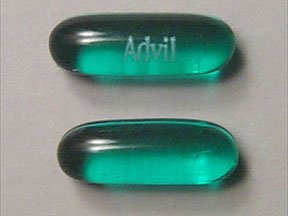
Adults and children 12 and older: 200 mg every 4-6 hours as needed, not to exceed 1,200 mg per day unless directed by a doctor. Advil comes in multiple formulations, including Liqui-Gels for faster absorption and traditional tablets.
Safety Considerations with Advil
Stomach and kidney health matter: As an NSAID, ibuprofen can irritate your stomach lining and, with long-term use, affect kidney function. This is especially important to consider if you have existing health concerns.
- Don't take on an empty stomach—eat something first
- Avoid if you have a history of stomach ulcers
- Use caution if you have kidney disease
- Can increase heart attack and stroke risk with long-term use
- Not recommended during late pregnancy
- Should not be used by children under 6 months without medical supervision
Advil Pros and Cons
| Pros | Cons |
|---|---|
| Powerful anti-inflammatory action | Can irritate stomach; take with food |
| Excellent for menstrual cramps | Potential kidney issues with long-term use |
| Works faster than some alternatives | Not suitable for people taking blood thinners |
| Multiple convenient formulations | Should not use during late pregnancy |
Aleve (Naproxen): The Long-Lasting Option
How Aleve Works
Aleve contains naproxen, another NSAID like ibuprofen. But here's the key difference: naproxen lasts much longer in your system. While ibuprofen typically works for 4-6 hours, Aleve can provide relief for 8-12 hours or even longer. This is because your body processes naproxen more slowly, keeping it in your bloodstream longer.
Like ibuprofen, naproxen reduces inflammation, but it does so for an extended period. This makes it ideal for people who don't want to take medication multiple times throughout the day.
When to Choose Aleve
- Chronic pain conditions: Arthritis, chronic back pain, or ongoing joint problems
- All-day pain relief: You want to take medication just once or twice daily instead of every 4-6 hours
- Menstrual cramps: A single dose can last through much of your day
- Arthritis: Many arthritis sufferers prefer Aleve's longer-lasting action
- When consistency matters: Maintaining steady pain relief throughout the day
Aleve Dosage Guidelines
This is critical with Aleve: the dosage is very different from Advil. Adults and children 12 and older should take 220 mg (one tablet) every 8-12 hours. Never exceed 440 mg in a 24-hour period. The lower dosage (compared to ibuprofen) reflects naproxen's longer-lasting action.
Safety Considerations with Aleve
Dosage is crucial: Because naproxen lasts longer, you need to take less of it. Some people make the mistake of taking Aleve as frequently as they take ibuprofen, which can lead to overdose.
- Never exceed 440 mg per 24 hours
- Space doses at least 8-12 hours apart
- Take with food to protect your stomach
- Can cause the same stomach and kidney concerns as ibuprofen
- Not recommended for people with kidney disease
- Avoid if you have a history of heart problems or stroke
- Not suitable during late pregnancy
Aleve Pros and Cons
| Pros | Cons |
|---|---|
| Lasts 8-12 hours per dose | Lower daily dosage limit (440 mg/day) |
| Perfect for chronic pain | Same stomach/kidney concerns as other NSAIDs |
| Fewer daily doses needed | Easy to accidentally overdose |
| Excellent for arthritis | Takes longer to start working initially |
Head-to-Head Comparison: Tylenol vs Advil vs Aleve
Let's put these three pain relievers side-by-side so you can see exactly how they compare across the most important factors:
| Factor | Tylenol (Acetaminophen) | Advil (Ibuprofen) | Aleve (Naproxen) |
|---|---|---|---|
| Type | Analgesic (pain reducer) | NSAID (anti-inflammatory) | NSAID (anti-inflammatory) |
| How It Works | Reduces pain signals to brain | Reduces inflammation | Reduces inflammation |
| Onset Time | 30-60 minutes | 30 minutes (faster with Liqui-Gels) | 1-2 hours |
| Duration | 4-6 hours | 4-6 hours | 8-12 hours |
| Standard Dose | 325-650 mg every 4-6 hours | 200 mg every 4-6 hours | 220 mg every 8-12 hours |
| Max Daily Dose | 3,000-4,000 mg | 1,200 mg (without Rx) | 440 mg |
| Best For | Headaches, fever, general aches | Muscle pain, cramps, inflammation | Chronic pain, arthritis, all-day relief |
| Stomach Impact | Very gentle | Can irritate; take with food | Can irritate; take with food |
| Primary Safety Concern | Liver damage if overused | Stomach ulcers, kidney issues | Stomach ulcers, kidney issues |
| Safe with Blood Thinners? | Yes | No | No |
Choosing the Best Pain Reliever for Your Situation
Now that you understand how each pain reliever works, let's talk about how to choose. The "best" pain medicine isn't one-size-fits-all—it depends on your specific situation.
Choose Tylenol If You:
- Have a sensitive stomach or history of ulcers
- Take blood thinning medications
- Have liver concerns (though all pain medication requires care)
- Are dealing with fevers or general body aches
- Have a headache or migraine
- Need a pain reliever for a child
Choose Advil (or Similar Ibuprofen Products) If You:
- Have menstrual cramps or period pain
- Have muscle strain or exercise-related soreness
- Have inflammatory pain (sprains, strains, dental pain)
- Need pain relief multiple times throughout the day
- Have mild to moderate arthritis
- Want fast-acting relief (Liqui-Gels work quickly)
- Can take medication with food
Choose Aleve (or Similar Naproxen Products) If You:
- Have chronic pain conditions that require consistent relief
- Have arthritis and want to minimize daily dosing
- Don't want to take medication every 4-6 hours
- Have menstrual cramps and want all-day relief from one or two doses
- Prefer longer-lasting pain management
- Can take medication with food
Pain Relief for Older Adults: Special Considerations
As we age, our bodies process medications differently. If you're an older adult like Margaret from our opening story, here's what you need to know about choosing the best pain medicine:
Considerations for Seniors
- Start low, go slow: Older adults often need lower doses to achieve the same effect with fewer side effects
- Monitor kidney function: NSAIDs are processed by the kidneys, which work less efficiently as we age. Regular checkups are important if you use NSAIDs regularly
- Stomach protection: If you need to use NSAIDs regularly, ask your doctor about taking a stomach protector like omeprazole
- Watch for interactions: Older adults typically take more medications, increasing the risk of interactions
- Consider your heart: NSAIDs can affect heart health. If you have any cardiac concerns, discuss this with your doctor
- Fall risk: Some pain medications can cause dizziness; be aware of this when moving around
Many older adults find that a combination of pain relief and non-medication approaches (like physical therapy, heat therapy, or pain relief devices) works best.
Pain Relief for Children: Safe Options
If you're managing pain in children, age and weight matter enormously. Here's a quick guide:
Acetaminophen (Tylenol) for Children
- Safe for infants and young children when dosed correctly by weight
- Always use children's or infant formulations designed for their age
- Never give adult-strength Tylenol to children
- Works well for fevers and general aches
Ibuprofen for Children
- Can be used in children 6 months and older (with proper dosing)
- Often preferred for inflammatory pain in children
- Must use age-appropriate formulations
- Very effective for fever reduction
Naproxen for Children
- Generally not recommended for children under 12 without medical supervision
- If used in older children, requires lower doses due to naproxen's longer action
Always consult your pediatrician about the best pain reliever for your child's specific situation, age, and weight. Never guess at dosages—pediatric dosing is complex and depends on several factors.
Common Pain Conditions: Which Reliever Works Best?
Headaches and Migraines
For most headaches, both Tylenol and Advil work well, though some people find ibuprofen more effective for migraines due to its anti-inflammatory action. Aleve can work but takes longer to start working, so it's less ideal for acute headaches. For recurring migraines, prescription medications may be necessary—consult your doctor.
Menstrual Cramps
This is where NSAIDs really shine. Ibuprofen (Advil) is often the first choice because cramps are inflammation-related, and ibuprofen addresses the source of the pain. Many women also find Aleve effective because one or two doses can last through an entire day. Starting ibuprofen at the first sign of cramps is often more effective than waiting until pain is severe.
Back Pain
For acute back pain from a strain or injury, ibuprofen or naproxen is usually more effective than acetaminophen because of their anti-inflammatory properties. For chronic back pain, you might alternate between types or combine pain relievers with physical therapy and other approaches. Always consult your doctor for persistent back pain.
Arthritis Pain
Chronic arthritis pain often responds better to NSAIDs (Advil or Aleve) than to Tylenol. Many people with arthritis prefer Aleve because its longer duration means fewer daily doses. Some doctors recommend starting Aleve at a low dose daily for arthritis management. Always work with your healthcare provider on an arthritis pain plan.
Toothaches and Dental Pain
Ibuprofen is often the first choice for dental pain because of its anti-inflammatory action on gums and tooth tissues. However, avoid swallowing whole tablets if you have tooth pain—they can irritate your throat if left to dissolve. Tylenol also works for dental pain if ibuprofen isn't suitable for you.
Fever
Both Tylenol and ibuprofen work well for fever reduction. Ibuprofen may work slightly faster and longer, but Tylenol is gentler and often preferred for young children or people with stomach sensitivity. Never give aspirin to children with fever due to the risk of Reye's syndrome.
Natural and Complementary Pain Relief Approaches
While over-the-counter pain relievers are effective, many people find that combining them with other approaches provides the best results:
Heat and Cold Therapy
- Heat: Helps relax muscles and is great for chronic pain, stiffness, and arthritis. Use a heating pad or warm compress for 15-20 minutes
- Cold: Reduces inflammation and is ideal for acute injuries. Use ice packs for 15-20 minutes, especially in the first 24-48 hours after injury
Physical Activity and Exercise
Gentle movement, stretching, and appropriate exercise can actually reduce chronic pain over time. Physical therapy is often recommended for back pain, arthritis, and sports injuries.
Relaxation Techniques
- Deep breathing exercises
- Meditation and mindfulness
- Progressive muscle relaxation
- Yoga (gentle, appropriate for your condition)
Topical Treatments
Creams and gels containing menthol, capsaicin, or NSAIDs can provide localized relief without affecting your whole body. These work well for joint pain, muscle soreness, and arthritis.
Proper Sleep and Rest
Pain and sleep have a complex relationship—pain interferes with sleep, and poor sleep makes pain worse. Prioritizing sleep can actually reduce pain perception.
Lifestyle Modifications
- Maintaining healthy weight reduces stress on joints
- Ergonomic improvements reduce strain-related pain
- Stress reduction helps, as tension increases pain perception
- Anti-inflammatory diet may help chronic pain conditions
Check out AllCare Store's pain relief devices collection for heating pads, cold packs, and other complementary pain management tools.
AllCare Store Pain Relief Products
At AllCare Store, we're committed to helping you find the right pain relief solution. We offer a comprehensive selection of over-the-counter pain relievers:
- Medi-First Ibuprofen Tablets - 200 mg strength in convenient boxes
- Geri-Care Ibuprofen Bulk - Perfect for clinics, offices, and facilities
- Advil Ibuprofen Liqui-Gels - Fast-absorbing gel capsules
- Addaprin Ibuprofen Tablets - Affordable pain relief option
- Pain-Off Combination Tablets - Multi-ingredient formula for complex pain
- Medi-First Sinus Relief - For pain combined with congestion
We also carry a full medicine and medication management collection to help you organize and track your medications safely.
Why Choose AllCare Store for Your Pain Relief Needs?
- Free Shipping: On orders over our minimum threshold—no hidden costs
- Discreet Packaging: Your health and privacy matter. We ship securely and discreetly
- 30-Day Returns: Not satisfied? Return your purchase within 30 days for a full refund
- Trusted Selection: We carry only name brands and quality generics you can trust
- Expert Support: Questions? Call us at 1-888-889-6260 for personalized guidance
Whether you need individual ibuprofen bottles or bulk quantities for a facility, we've got you covered.
When to See a Doctor About Your Pain
Over-the-counter pain relievers are effective for many situations, but some types of pain warrant professional medical attention. See a doctor if:
- Pain is severe and doesn't improve with over-the-counter medication
- Pain lasts longer than 10 days without improvement
- Pain follows a fall or injury (especially head injuries)
- Pain is accompanied by other concerning symptoms (fever, swelling, numbness, weakness)
- You're taking pain relievers more than a few days per week consistently
- You have chronic pain conditions—your doctor can help develop a long-term management plan
- You're pregnant and unsure which pain reliever is safe
- You're having side effects from pain medication
- Pain interferes with your daily activities or sleep
Margaret, from our opening story, finally called her doctor after a month of knee pain. Her physician recommended a combination of ibuprofen for acute flare-ups, physical therapy, and heat therapy for daily management. Within weeks, she was back to enjoying her morning walks.
FAQ: Your Questions About Pain Relievers Answered
Can I take Tylenol and Advil together?
Generally, it's not recommended to take Tylenol and Advil simultaneously or in close succession without medical guidance. While they work differently, combining them increases your total medication load and potential side effects. Some doctors may recommend alternating between them (for example, Tylenol at 2pm and Advil at 4pm) to manage difficult pain, but this should only be done under medical supervision and for short periods. Always consult your doctor before combining pain relievers.
Is it safe to take pain relievers every day?
Daily pain reliever use can be problematic. Regular acetaminophen use increases liver damage risk. Daily NSAID use increases stomach and kidney risks. If you need pain relief daily, you likely have a condition that deserves professional medical attention. Talk to your doctor about developing a comprehensive pain management plan that may include physical therapy, lifestyle changes, or prescription medications that are safer for long-term use.
Which pain reliever is safest?
There's no universally "safest" pain reliever—it depends on your individual health profile. For people with stomach issues, Tylenol is gentler. For people with liver concerns or those taking blood thinners, NSAIDs might be safer. The key is choosing the right one for YOUR situation and using it as directed. When in doubt, consult your healthcare provider about which is safest for you.
Can I take pain relievers on an empty stomach?
Tylenol can be taken on an empty stomach without issues. However, NSAIDs like Advil and Aleve should always be taken with food or milk to protect your stomach lining. Taking NSAIDs on an empty stomach significantly increases the risk of stomach irritation and ulcers. If you take NSAIDs regularly, consider taking a stomach protector medication as recommended by your doctor.
Are generic pain relievers as good as name brands?
Yes. Generic pain relievers contain the exact same active ingredient as name brands and work just as effectively. The FDA requires them to meet the same quality and purity standards. The differences are usually in fillers, binders, and branding. You can confidently use generics to save money without sacrificing effectiveness or safety.
What should I do if I took too much pain reliever?
If you suspect an overdose, contact Poison Control immediately at 1-800-222-1222 (US) or seek emergency medical care. Provide information about which pain reliever you took, how much, and when. Don't wait for symptoms to develop. For acetaminophen overdose specifically, there's an effective antidote (N-acetylcysteine), so getting medical help quickly is important.
Is it safe to use pain relievers during pregnancy?
This is a question for your obstetrician. Acetaminophen (Tylenol) is generally considered safe throughout pregnancy. NSAIDs are typically avoided, especially in the third trimester, due to potential effects on the fetus and complications during delivery. Don't assume any medication is safe during pregnancy—always check with your doctor first.
Can I take pain relievers if I have high blood pressure?
NSAIDs can increase blood pressure and may interfere with blood pressure medications, so check with your doctor before using them regularly if you have hypertension. Acetaminophen (Tylenol) doesn't affect blood pressure and is often a safer choice. However, always consult your healthcare provider about which pain reliever is appropriate for your specific situation and medications.
Finding Your Perfect Pain Relief Solution
There's no one "best" pain reliever that works for everyone. The best pain medicine is the one that:
- Effectively addresses YOUR specific type of pain
- Works with YOUR body and health profile
- Is used safely at the proper dosage
- Doesn't interfere with your other medications
- Fits into your daily routine
Margaret discovered that a combination approach—Advil for acute knee pain flare-ups, daily gentle exercise, and heat therapy—gave her the best results. You might find your ideal solution looks completely different, and that's okay.
The key is to choose thoughtfully, use responsibly, and don't hesitate to consult your healthcare provider if pain persists or worsens. Whether you choose Tylenol, Advil, Aleve, or a combination approach, your goal is to manage pain effectively while protecting your long-term health.
Get Started with AllCare Store Today
Ready to find the pain reliever that's right for you? Browse our complete medicine and pain relief collection, or call our expert team at 1-888-889-6260 for personalized recommendations.
We offer:
- Fast, free shipping on qualifying orders
- Discreet packaging for your privacy
- 30-day returns on all products
- Expert customer service ready to help
Visit AllCare Store today and discover why thousands of customers trust us for their health and wellness needs. Your pain relief journey starts here.
Remember: the best pain reliever is one you use safely and effectively. When in doubt, consult your healthcare provider. We're here to support your health decisions every step of the way.