Meet David: A Story of Constipation and Relief
David, 72, hadn't had a comfortable bowel movement in five days. He sat in his doctor's waiting room, shifting uncomfortably in his chair, feeling embarrassed and bloated. For the past week, he'd tried everything—drinking more water, eating prunes, even taking walks around the block. Nothing seemed to work. When his doctor mentioned laxatives, David felt a mix of relief and confusion. "Which kind?" he asked. "How long will I need them? Are there side effects?"
If David's story sounds familiar, you're not alone. Constipation affects millions of people every year, from busy professionals to seniors managing health changes. The good news? Understanding different types of laxatives and how they work can help you find the right solution for your individual needs. Whether you're dealing with occasional constipation or a more persistent issue, knowing your options puts you back in control.
At AllCare Store, we believe constipation is nothing to be embarrassed about—it's a common health concern, and we're here to help you navigate the solutions available. In this guide, we'll explore the different types of laxatives, how each one works, when to use them, and how to prevent constipation naturally.
Understanding Constipation: Why Laxatives Matter
Constipation is generally defined as having fewer than three bowel movements per week, or experiencing difficult, painful, or infrequent stools. But constipation relief isn't one-size-fits-all. Your body is unique, and so is your digestive system. What works wonderfully for your neighbor might not be your ideal solution.
The key to effective constipation relief is understanding the different mechanisms of action. Some laxatives work by drawing water into your stool to make it softer and easier to pass. Others stimulate your colon's natural contractions. Still others simply soften stool without adding water. By learning about these different approaches, you can work with your healthcare provider to find the constipation relief method that's best for you.
Types of Laxatives: A Complete Overview
1. Osmotic Laxatives: The Water Drawers
How They Work: Osmotic laxatives work by drawing water into your intestines, which softens stool and increases bowel movement frequency. They essentially create a osmotic gradient that pulls water from your bloodstream into your digestive tract.
Common Types:
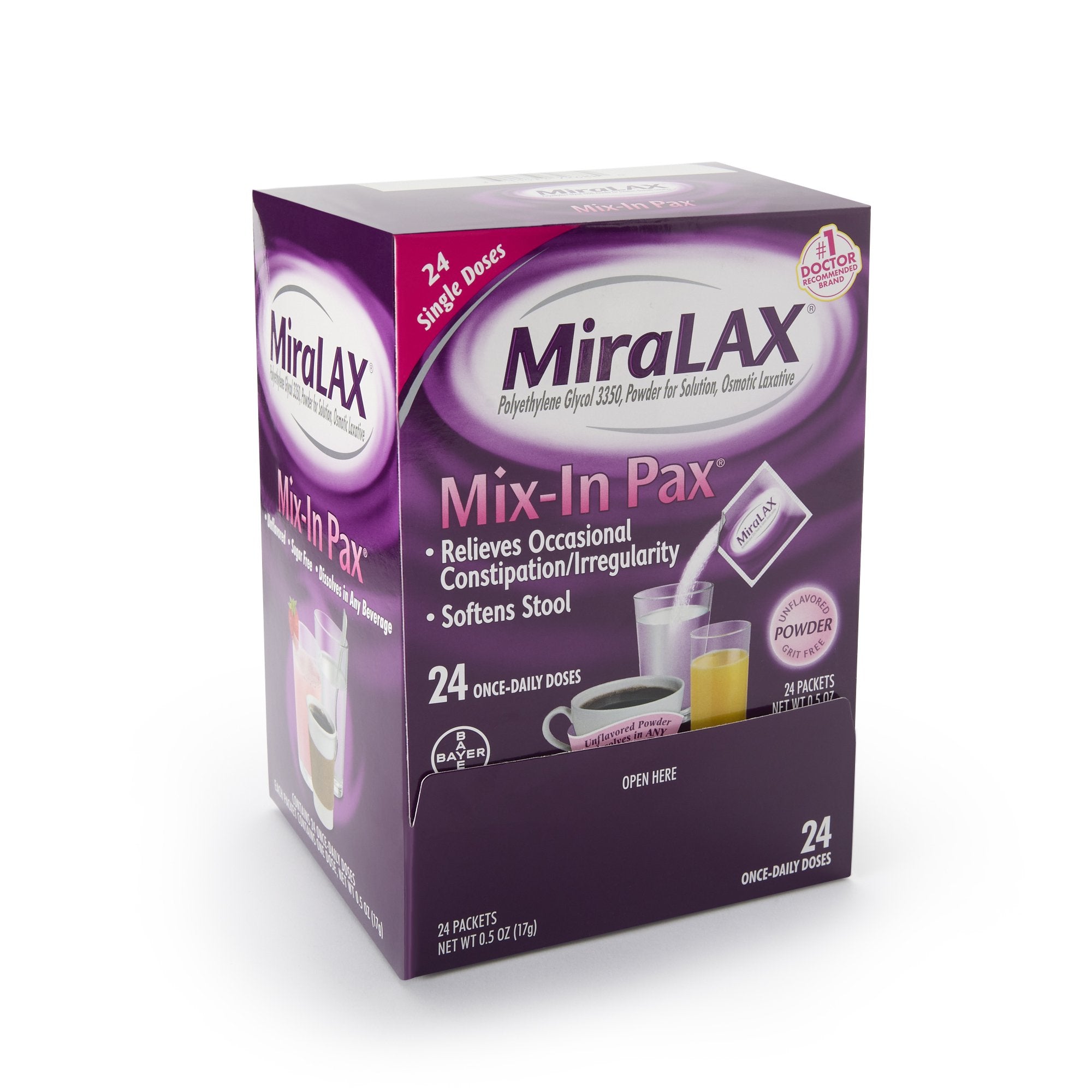
- Polyethylene Glycol (PEG): Available under brand names like MiraLAX, PEG is one of the gentlest and most effective osmotic laxatives. Geri-Care offers a high-quality PEG option in various sizes to suit your needs.
- Magnesium Citrate: A naturally occurring compound that's particularly effective for quick relief.
- Lactulose: A synthetic sugar that your body can't absorb, making it useful for stubborn constipation.
When to Use: Osmotic laxatives are ideal for gentle, gradual constipation relief. They typically take 12-72 hours to work, making them perfect for situations where you're not in a rush. They're also considered safe for long-term use when recommended by your healthcare provider.
Benefits: Gentle on your system, unlikely to cause cramping or urgency, safe for older adults and those with sensitive digestive systems.
Considerations: They require adequate water intake to be effective. If you're dehydrated, osmotic laxatives won't work well. They can also cause mild bloating or gas.
2. Stimulant Laxatives: The Action Takers
How They Work: Stimulant laxatives work by directly stimulating your colon's muscle contractions, triggering bowel movements through increased activity rather than by drawing in water. They essentially tell your intestines, "Time to move!"
Common Types:
- Senna: Derived from the Senna plant, this herbal stimulant has been used for centuries. Sennoside tablets offer a convenient option for constipation relief.
- Bisacodyl: A synthetic stimulant that works quickly and effectively.
- Castor Oil: A traditional remedy that stimulates bowel movements.
When to Use: Stimulant laxatives work faster than osmotic ones (typically 6-12 hours) and are great for occasional constipation relief or when you need quicker results. They're particularly useful when other methods haven't worked.
Benefits: Fast-acting, effective for stubborn constipation, require less water than osmotic laxatives to be effective.
Considerations: Can cause cramping and urgency. Healthcare providers generally recommend limiting long-term use, as your digestive system may become dependent on stimulation. Not ideal if you have an upcoming work meeting or event!
3. Stool Softeners: The Gentle Modifiers
How They Work: Stool softeners don't stimulate bowel movements or draw water into your intestines. Instead, they work by reducing the surface tension of stool, allowing water that's already present in your stool to be absorbed more effectively. This makes stool easier to pass without straining.
Common Types:
- Docusate (Colace): The most common stool softener. Colace offers proven, trusted constipation relief, and McKesson and Geri-Care also provide quality options.
When to Use: Stool softeners are ideal for people who have painful bowel movements, those recovering from surgery, pregnant women (often recommended by healthcare providers), or anyone who needs to avoid straining. They're also gentle enough for children.
Benefits: Very gentle, no cramping or urgency, safe for long-term use, safe during pregnancy when approved by your doctor, can be combined with other laxatives.
Considerations: Work slowly (24-72 hours), not effective for severe constipation, require adequate hydration to work properly.
4. Bulk-Forming Laxatives: The Natural Solution
How They Work: Bulk-forming laxatives contain fiber that absorbs water in your digestive tract, creating larger, softer stools that stimulate natural bowel movements. They essentially mimic the effect of eating a high-fiber diet.
Common Types:
- Psyllium Husk: Available under brand names like Metamucil, this natural fiber is highly effective.
- Methylcellulose: A synthetic fiber that's particularly good for those with sensitive systems.
- Polycarbophil: Another synthetic option that works reliably.
When to Use: Bulk-forming laxatives are best for long-term constipation prevention and management. They work best when incorporated into your daily routine as part of a healthy lifestyle. They're ideal for people with irritable bowel syndrome who need gentle, consistent relief.
Benefits: Mimics natural bowel function, safe for long-term use, can improve overall digestive health, gentle and non-habit-forming, helps regulate cholesterol levels.
Considerations: Takes several days to become fully effective, requires lots of water (at least 8 glasses daily), can cause bloating initially, not ideal when you need immediate relief.
5. Lubricant Laxatives: The Slip-and-Slide Solution
How They Work: Lubricant laxatives, typically mineral oil, coat your stool and intestinal walls, making it easier for stool to pass through your system. It's like adding a slippery coating to help things move along smoothly.
Common Types:
- Mineral Oil: The most common lubricant laxative, used for generations.
When to Use: Lubricant laxatives are best for occasional constipation relief in people who can't tolerate other types. However, they're less commonly recommended than other options due to absorption concerns.
Benefits: Very gentle, no cramping, natural mechanism of action.
Considerations: Can interfere with absorption of fat-soluble vitamins (A, D, E, K), may cause anal leakage with regular use, takes 8-12 hours to work, not recommended for long-term use.
6. Saline Laxatives: The Electrolyte Balancers
How They Work: Saline laxatives contain salts (like magnesium hydroxide, found in Milk of Magnesia) that draw water into your intestines, similar to osmotic laxatives but with a different mechanism.
Common Types:
- Magnesium Hydroxide: Gentler and slower-acting than magnesium citrate.
- Magnesium Citrate: Stronger and faster-acting saline laxative.
When to Use: Saline laxatives work moderately fast (2-6 hours for magnesium citrate, 12 hours for hydroxide) and are good for occasional constipation relief. They're particularly useful before medical procedures requiring bowel prep.
Benefits: Effective and relatively quick, natural ingredients, gentle enough for most people.
Considerations: Can cause cramping, not ideal for long-term use, people with kidney disease should consult their doctor before using.
Laxative Types Comparison Table
| Type | How It Works | Speed | Best For | Long-Term Use? |
|---|---|---|---|---|
| Osmotic (MiraLAX, PEG) | Draws water into intestines | 12-72 hours | Gentle, chronic constipation | Yes, safe |
| Stimulant (Senna, Bisacodyl) | Stimulates colon contractions | 6-12 hours | Occasional, quick relief | Limited; risk of dependency |
| Stool Softener (Colace) | Softens stool consistency | 24-72 hours | Post-surgery, pregnancy | Yes, very safe |
| Bulk-Forming (Metamucil) | Increases stool volume | 2-3 days to work | Long-term, prevention | Yes, ideal |
| Lubricant (Mineral Oil) | Coats stool for easy passage | 8-12 hours | Occasional, gentle needs | No, limited use |
| Saline (Magnesium Citrate) | Electrolyte draws water in | 2-6 hours | Quick relief, medical prep | Limited; occasional use |
When to Use Different Laxatives: A Practical Guide
Occasional Constipation Relief
If you experience constipation occasionally—maybe you're traveling, eating less fiber than usual, or feeling a bit sluggish—you have several good options:
- Start naturally: Increase fiber intake, drink more water, move your body a bit more. Sometimes that's all you need.
- Try an osmotic laxative: A gentle PEG product like MiraLAX is a safe starting point that won't interrupt your day with urgency.
- Consider a stool softener: If you've been straining, a stool softener can help gently get you back on track.
Chronic or Stubborn Constipation
If you struggle with constipation regularly, your approach should focus on safety and sustainability:
- Work with your healthcare provider: Rule out underlying conditions that might need attention.
- Focus on lifestyle: Increase fiber gradually, drink plenty of water, exercise regularly, establish a routine.
- Use osmotic laxatives: Consistent use of a quality product like MiraLAX is considered safe long-term.
- Add stool softeners: If straining is an issue, combine with a stool softener like Geri-Care for comprehensive support.
- Consider combination products: Some products combine stool softeners and laxatives. Health Star offers a convenient combination option.
Need for Quick Relief
If you need faster results—say you're dealing with several days of constipation or need relief before an important event—consider:
- Stimulant laxatives: Sennoside tablets work faster than osmotic options.
- Saline laxatives: Magnesium citrate provides even quicker action.
- Important: Don't make fast-acting laxatives your go-to solution. Use them occasionally and then transition to gentler, long-term options.
Special Populations
Older Adults
As we age, constipation becomes more common due to medications, reduced activity, and changes in digestion. Older adults benefit most from gentle, gradual solutions. Osmotic laxatives like Geri-Care's smaller-size PEG powder and stool softeners are typically recommended over stimulants. Always consult with your healthcare provider, especially if you're taking multiple medications.
During Pregnancy and Postpartum
Constipation is incredibly common during pregnancy (affecting up to 40% of pregnant women) and after delivery. Stool softeners like Colace are generally considered safe and recommended by healthcare providers. They're gentle, non-systemic, and don't interfere with fetal development. Always consult your OB-GYN before starting any laxative during pregnancy.
Children
Constipation in children should always be evaluated by a pediatrician. Stool softeners are the most commonly recommended option for children. Osmotic laxatives can also be used in children, but never use stimulant laxatives without specific medical guidance.
Natural Constipation Relief: Prevention is Key
While laxatives are sometimes necessary, the best constipation relief starts with prevention. Here's how to keep your digestive system running smoothly:
Fiber: Your Digestive System's Best Friend
Dietary fiber is the foundation of digestive health. Aim for 25-35 grams daily from:
- Whole grains (oats, brown rice, whole wheat bread)
- Fruits (apples, berries, pears, prunes)
- Vegetables (broccoli, carrots, leafy greens, beans)
- Nuts and seeds (almonds, chia seeds, flaxseeds)
Important: Increase fiber gradually over a few weeks. A sudden increase can cause bloating and gas. And always increase water intake alongside fiber increases.
Hydration: Water is Essential
Most people don't drink enough water for optimal digestive function. Aim for at least 8-10 glasses daily, more if you're active or in a hot climate. Water softens stool naturally and helps fiber do its job. Without adequate hydration, even high-fiber diets won't prevent constipation.
Movement and Exercise
Physical activity stimulates intestinal contractions and promotes regular bowel movements. You don't need intense exercise—even a 30-minute daily walk can make a huge difference. Gentle stretching, yoga, and abdominal exercises are also beneficial.
Bathroom Habits
Create a consistent routine:
- Go to the bathroom at the same time each day, ideally after meals when your digestive system is most active.
- Don't ignore the urge to go—your body's signals become less effective if you delay consistently.
- Take your time; rushing can interfere with natural bowel movements.
- Never strain excessively; if nothing happens after 5 minutes, try again later.
Dietary Considerations
Beyond fiber, certain foods can help:
- Prunes and prune juice—a classic remedy that really works
- Kiwi fruit—contains enzymes that promote digestion
- Coffee and tea—caffeine stimulates bowel movements naturally
- Olive oil—a tablespoon with meals can help
- Fermented foods—yogurt, kefir, and sauerkraut support healthy gut bacteria
Common Myths About Laxatives Debunked
Myth: Using Laxatives Creates Dependency
Reality: This is partially true but oversimplified. Stimulant laxatives can lead to dependency if used continuously long-term, which is why healthcare providers recommend limiting them. However, osmotic laxatives and stool softeners are safe for long-term use and don't create dependency. The key is using the right type of laxative for your situation.
Myth: Laxatives Clean Out Your System
Reality: Laxatives help you have bowel movements—they don't "clean" or "detox" your system in any special way. Your digestive system naturally eliminates waste. Marketing claims about "system cleansing" are misleading.
Myth: You Should Take Laxatives Regularly to Stay Healthy
Reality: Healthy digestive function comes from diet, hydration, exercise, and regular bathroom habits. If you need laxatives regularly, work with your healthcare provider to address the underlying cause rather than just treating the symptom.
Myth: Natural Laxatives Are Always Safer
Reality: "Natural" doesn't automatically mean safer or more effective. Senna, while herbal, can be harsh and cause cramping. Some synthetic laxatives like MiraLAX are gentler than natural alternatives. Always choose based on effectiveness and safety for your situation, not just whether it's natural.
When to See a Healthcare Provider
Constipation relief usually doesn't require a doctor's visit, but you should contact your healthcare provider if:
- Constipation lasts more than two weeks despite trying diet and laxatives
- You experience severe abdominal or rectal pain
- You see blood in stool or on toilet paper
- You have sudden, unexplained changes in bowel habits
- You're experiencing constipation as a new symptom alongside other concerning signs
- You need long-term laxative use and want to ensure it's appropriate
- You have underlying health conditions or take medications that might be causing constipation
- You're pregnant and concerned about constipation management
Safety Considerations and Precautions
Interactions with Medications
Some laxatives can interact with medications or reduce their effectiveness. For example:
- Stimulant laxatives can speed up transit time, potentially reducing absorption of other medications
- Lubricant laxatives can reduce absorption of fat-soluble vitamins and some medications
- Some medications themselves cause constipation (pain relievers, antihistamines, antidepressants)
Always inform your healthcare provider and pharmacist about any laxatives you're taking regularly.
Dehydration Concerns
Laxatives work best when you're well-hydrated. If you're dehydrated, they may not work effectively and could actually worsen dehydration. This is especially important for older adults and people with kidney issues.
Overuse Concerns
Regular overuse of stimulant laxatives can lead to:
- Loss of normal bowel function
- Electrolyte imbalances
- Dependency where your colon becomes less responsive to natural signals
- Abdominal cramping
AllCare Store: Your Partner in Digestive Health
At AllCare Store, we understand that digestive health is personal, and constipation relief shouldn't be complicated. We offer a comprehensive selection of laxatives and digestive health products to meet every need and preference.
Our Popular Products for Constipation Relief
- MiraLAX PEG Products: We carry MiraLAX 24-pack, MiraLAX 10-pack, and other sizes so you can find what works for you.
- Geri-Care Options: Larger PEG powder containers and smaller sizes for convenience provide quality and value.
- Sennoside Tablets: For those who prefer a faster-acting option.
- Stool Softeners: Choose from Colace, McKesson, or Geri-Care options.
- Combination Products: Try Health Star's combo tablets that combine stool softener with sennosides.
- Additional Options: We also carry Sorbitol liquid, colon cleanse products, and digestive enzymes for comprehensive digestive health support.
Why Choose AllCare Store?
- Free Shipping: On qualifying orders, making healthcare more affordable.
- Discreet Packaging: We understand that constipation can feel embarrassing. Your package will arrive in plain, unmarked packaging for complete privacy.
- 30-Day Returns: If a product doesn't work for you, we'll take it back within 30 days—no questions asked.
- Expert Selection: Every product we carry has been chosen for quality and effectiveness.
- Competitive Pricing: We believe constipation relief shouldn't break the bank.
- Fast Delivery: Most orders ship within 24 hours.
For questions about which product might be best for your situation, our customer service team is here to help. Call us at 1-888-889-6260—our representatives are knowledgeable and discreet.
Visit our Medicine & Monitors collection to explore our full range of digestive health products. For more helpful information, check out our blog for additional health and wellness articles.
Real Talk: Living with Constipation
Let's circle back to David, our story from the beginning. After his doctor's visit, David learned about different laxative options and started with a gentle osmotic product. He combined it with some simple lifestyle changes—drinking more water, adding fiber gradually, and taking daily walks around his neighborhood. Within a week, he felt noticeably better. Within a month, he barely needed the laxative anymore because his new habits had become routine.
The key insight David gained was this: constipation isn't something to be embarrassed about, and it doesn't require a complicated solution. Often, it just takes understanding your options, choosing the right approach for your situation, and committing to healthy habits.
You might not be experiencing David's level of constipation, or yours might be different entirely. Maybe you're a busy professional with occasional constipation when you travel. Maybe you're an older adult managing multiple health changes. Maybe you're recovering from surgery and finding strain uncomfortable. Whatever your situation, there's a constipation relief solution that can help.
Frequently Asked Questions About Laxatives
What's the difference between a laxative and a stool softener?
A stool softener makes stool softer and easier to pass without triggering bowel movements. A laxative actively promotes bowel movements. Stool softeners are gentler and can be used long-term, while some laxatives should be used only occasionally. You can even combine them—in fact, many people do.
How long does it take for laxatives to work?
It depends on the type. Osmotic laxatives take 12-72 hours. Stimulant laxatives work in 6-12 hours. Saline laxatives vary from 2-6 hours. Stool softeners take 24-72 hours. Bulk-forming products take 2-3 days. Starting at the longer end of the range is normal—your body may take a few doses to respond.
Are generic laxatives as effective as brand name ones?
Yes. Generic versions contain the same active ingredients and must meet the same FDA standards as brand names. They're often significantly cheaper. Products like Geri-Care offer excellent quality at lower prices than brand names.
Can I take laxatives while pregnant?
Stool softeners are generally considered safe and are often recommended during pregnancy. Osmotic laxatives are also usually safe. Stimulant laxatives should be used only under healthcare provider guidance. Never start any laxative during pregnancy without consulting your OB-GYN first.
What if laxatives aren't working?
First, ensure you're drinking enough water—most laxatives require good hydration to work. Give it several days; your body may need time to respond. If constipation persists, try a different type of laxative. If nothing works after two weeks, contact your healthcare provider to rule out underlying conditions.
Is MiraLAX safe for long-term use?
Yes, MiraLAX (polyethylene glycol) is considered safe for long-term use by the FDA and most healthcare providers. Unlike stimulant laxatives, it doesn't lead to dependency. However, long-term use should be discussed with your healthcare provider to ensure it's addressing the root cause of constipation.
Can children use laxatives?
Constipation in children should be evaluated by a pediatrician. Stool softeners are commonly recommended for children. Some osmotic laxatives can be used in children under medical guidance. Stimulant laxatives generally shouldn't be used without specific pediatric direction.
What medications can cause constipation?
Common culprits include pain relievers (especially opioids), antihistamines, antidepressants, blood pressure medications, iron supplements, and anti-nausea medications. If you suspect a medication is causing constipation, talk to your healthcare provider about alternatives or whether adding a stool softener would help.
Final Thoughts: You've Got This
Constipation is uncomfortable, sometimes embarrassing, but always solvable. Whether you need occasional constipation relief or are managing a chronic issue, the right laxative combined with healthy lifestyle habits can make a huge difference in your quality of life.
Remember: there's no shame in needing a little help with digestive health. Millions of people experience constipation at some point. The important thing is taking action, finding what works for you, and moving forward.
At AllCare Store, we're committed to making constipation relief accessible, affordable, and discreet. Browse our selection of digestive health products, and don't hesitate to reach out to our customer service team at 1-888-889-6260 if you have questions about which product might be right for you.
Here's to better digestive health and the comfort you deserve.