Medical Disclaimer: This article is for informational purposes only and should not be considered medical advice. Always consult your healthcare provider for medical concerns, diagnosis, or treatment. If you believe you have a medical emergency, please call 911 or seek immediate emergency medical care.
Best Thermometers for Adults and Kids 2026: Your Complete Buyer's Guide

It was 3 AM when Linda jolted awake, her heart racing. Her eight-year-old daughter Emma was coughing in the next room. Stumbling through the darkened hallway, Linda placed her hand on Emma's forehead—it was burning hot. Her first instinct? Grab the thermometer. But which one? Where was it? As she frantically searched through drawers, Linda realized her old mercury thermometer had been packed away during their recent move, and the cheap digital one she found gave wildly different readings each time she used it.
That night, Linda experienced what millions of parents face daily: the frustration of not having a reliable thermometer when you need one most. A fever can be frightening, and accurate temperature measurement is the critical first step in understanding whether a child—or adult—needs medical attention. The good news? Finding the best thermometer for your family's needs has never been easier, and we're here to guide you through every option available in 2026.
Why Accurate Temperature Measurement Matters
Temperature is one of the body's most important vital signs. It tells us when something is wrong—whether that's an infection, inflammation, or other health concern. For parents like Linda, an accurate thermometer isn't just a convenience; it can mean the difference between reassuring yourself everything is fine and knowing when to call the pediatrician.
But here's the problem: not all thermometers are created equal. Some are slow, some are inaccurate, and some are so complicated that you can't get a reliable reading in the middle of the night when you're exhausted and worried. The solution? Understanding your thermometer options and choosing the right tool for your specific situation.
When Linda finally located her phone flashlight and found a working thermometer, Emma's temperature read 101.2°F. With that accurate information, Linda could confidently determine whether this was a minor childhood fever that required watchful waiting or something more serious. (It turned out to be a simple cold—but knowing that required that crucial temperature reading.)
Understanding Different Types of Thermometers
Before you can find the best thermometer for your household, you need to understand the options available. Each thermometer type has unique advantages and disadvantages, and the right choice depends on your age group, lifestyle, and preferences.
Oral Thermometers: The Reliable Standard
Oral thermometers are placed under the tongue and are the most commonly recommended by healthcare providers. They're reliable, non-invasive, and appropriate for anyone old enough to hold one safely under their tongue—typically children age 4 and up, plus all adults.
Pros:
- Easy to use and widely understood
- Accurate readings for most people
- Affordable and available everywhere
- No special technique required once you understand the basics
- Appropriate for general household use
Cons:
- Cannot be used safely with young children under 4
- Requires the person to cooperate (difficult with sick infants)
- Takes slightly longer than some alternatives
- Must wait 15 minutes after eating or drinking for accurate readings
Best for: School-age children, teenagers, and adults in home settings
Ear (Tympanic) Thermometers: Fast and Convenient
Ear thermometers measure infrared heat from the eardrum and surrounding tissue. The HealthSmart ear thermometer is an excellent example of this technology, providing readings in just one second.
Pros:
- Incredibly fast—perfect for uncooperative children
- Can be used safely on infants and young children
- Non-invasive and gentle
- Easy one-button operation
- Great for quick screenings
Cons:
Best for: Parents with young children, people who need extremely fast readings, busy families
Temporal (Forehead) Thermometers: The Modern Choice
Temporal thermometers, like the ComfortScanner temporal thermometer, scan the temporal artery on the forehead using infrared technology. These have become increasingly popular in recent years and for good reason.
Pros:
- Very fast—results in 1-3 seconds
- No insertion required; purely non-contact option
- Works on all ages, including newborns
- Comfortable for sick, fussy children
- Can be used while someone is sleeping
- Easy to understand digital display
Cons:
- May be less accurate than oral or ear thermometers if not used correctly
- Environmental factors (room temperature, sweating) can affect readings
- Require specific distance and angle for accuracy
- Generally the most expensive option
Best for: Families with multiple age groups, quick temperature screenings, non-invasive preferences
Rectal Thermometers: The Gold Standard for Accuracy
Though less pleasant than other options, rectal thermometers are considered the most accurate method, which is why pediatricians often recommend them for infants and young children under 3 years old.
Pros:
- Most accurate temperature measurement available
- Trusted by medical professionals
- Appropriate for infants and very young children
- Not affected by eating, drinking, or mouth breathing
- Unaffected by environmental factors
Cons:
- Uncomfortable and invasive
- Requires patience and careful technique
- Takes longer than other methods
- Cannot be used in certain medical situations
- May be difficult with uncooperative children
Best for: Infants under 3 months, situations requiring maximum accuracy, when other methods aren't available
No-Contact Infrared Thermometers: The Future of Health Monitoring
No-contact infrared thermometers represent the cutting edge of thermometer technology. They measure infrared radiation from the skin surface without any physical contact—perfect for public health screenings, healthcare facilities, and families who want maximum convenience.
Pros:
- Zero contact required—hygienic and safe
- Incredibly fast readings
- Perfect for screening groups of people
- Works through many barriers (light clothing)
- Great for immunocompromised individuals
- Easy to disinfect
Cons:
- Can be affected by environmental temperature
- Requires specific distance and angle
- Generally less accurate than contact methods
- Most expensive option
- Requires clear skin surface
Best for: Healthcare facilities, public health screening, families wanting maximum convenience
Best Thermometers for Different Age Groups
For Newborns and Infants (0-3 Months)
The safest option for newborns is a rectal thermometer, as it provides the most accurate reading. During this critical period, accurate temperature measurement is essential because fever in infants can indicate serious infections that need immediate medical attention. Many parents pair a rectal thermometer with an ear thermometer for quick follow-up checks as their baby grows.
For Infants and Toddlers (3 Months-3 Years)
As children grow slightly older, you have more options. An ear thermometer like the HealthSmart ear thermometer becomes a practical choice, offering speed and accuracy for this age group. A temporal thermometer is also excellent for toddlers, as it requires no insertion and minimal cooperation.
For Preschoolers and School-Age Children (3-12 Years)
Linda found that once Emma reached school age, she had multiple reliable options. An oral thermometer works well for children who can follow instructions. The ComfortScanner temporal thermometer remained her favorite because Emma was often too tired to cooperate with oral readings when she was sick.
For Teenagers and Adults
Adults have the full range of options available. Oral thermometers remain the most practical for home use, though many adults also appreciate the convenience and accuracy of ear or temporal thermometers. The McKesson LUMEON oral thermometer is an excellent choice for adults seeking reliability and precision.
Featured Thermometers: Expert Reviews
HealthSmart Infrared Ear Thermometer
The HealthSmart ear thermometer represents an excellent balance of speed, accuracy, and price. This infrared model provides readings in just one second, making it ideal for children who can't hold still for longer measurements. The large LCD display is easy to read even in dim lighting—perfect for 3 AM fever checks like Linda experienced with Emma.
What makes the HealthSmart thermometer stand out is its reliability. It includes a fever indicator system that shows whether the reading falls in the normal range, and it stores previous readings for tracking temperature trends over time. For families dealing with recurring fevers or chronic conditions, this memory function is invaluable.
ComfortScanner Temporal Thermometer
The ComfortScanner temporal thermometer offers a different approach—measuring temperature across the temporal artery on the forehead. This method has gained tremendous popularity because it's non-invasive, works on all ages, and doesn't require any insertion technique.
Parents consistently praise the ComfortScanner for its speed and ease of use with young children. The gentle sliding motion across the forehead takes just seconds, and many children barely notice it's happening. The device also includes a small object mode, making it useful beyond just human temperature measurements.
McKesson LUMEON Oral Thermometer
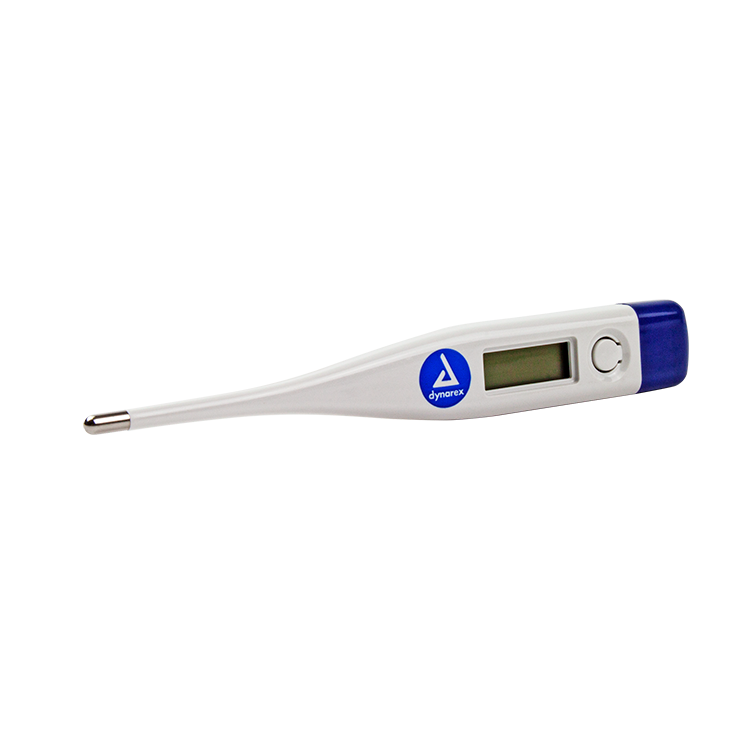
For those seeking a traditional, reliable oral option, the McKesson LUMEON oral thermometer delivers. As a healthcare-grade thermometer, it meets professional standards for accuracy and is widely used in medical facilities. The electronic probe design provides consistent, dependable readings.
The LUMEON thermometer is particularly valued by adults and healthcare providers for its precision. If you're managing a chronic condition requiring frequent temperature monitoring, or if you work in healthcare, this is a professional-grade choice that delivers medical-quality accuracy in a home-use format.
Comparison Table: Thermometer Types at a Glance
| Thermometer Type | Best Age Group | Speed | Accuracy | Price Range | Key Advantage |
|---|---|---|---|---|---|
| Oral Digital | 4+ years, adults | 30-60 seconds | Very High | $10-30 | Affordable, reliable standard |
| Ear (Tympanic) | 6+ months to adult | 1 second | High | $30-60 | Extremely fast, works on infants |
| Temporal (Forehead) | Newborn to adult | 1-3 seconds | High | $40-100 | Non-invasive, works on all ages |
| Rectal Digital | 0-3 years | 30-60 seconds | Highest | $15-40 | Most accurate, gold standard for infants |
| No-Contact Infrared | All ages | 1 second | Moderate | $50-150 | Zero contact, hygienic, fastest |
How to Take Temperature Correctly
Owning the best thermometer is only half the battle. Proper technique is essential for accurate readings. Here's how to get reliable measurements:
Oral Temperature
Steps:
- Wait 15 minutes after eating, drinking, or smoking
- Place the probe under the tongue, toward the back of the mouth
- Close the lips gently around the thermometer
- Keep it in place until you hear the beep (usually 30-60 seconds)
- Remove and read the display
Normal temperature: 97°F to 99°F (36.1°C to 37.2°C)
Ear Temperature
Steps:
- Gently pull the outer ear back and up (adults) or back and down (children under 3)
- Insert the probe gently into the ear canal at a slight angle
- Press the button and hold until you hear the beep (usually 1 second)
- Remove and read the display
Normal temperature: 98.6°F (37°C) - Note: Ear readings run slightly higher than oral readings
Temporal Temperature
Steps:
- Make sure the forehead is clean and dry
- Press the scan button to activate the infrared sensor
- Gently slide the probe across the forehead from one temple to the other
- Keep the probe flat against the skin during the sweep
- Release the button after reaching the other temple
Normal temperature: 97°F to 99°F (36.1°C to 37.2°C)
Rectal Temperature
Steps:
- Apply a small amount of lubricant (like petroleum jelly) to the probe tip
- Lay the child on their side or stomach, or have them lie face down across your lap
- Gently insert the probe about ½ inch (1.3 cm) into the rectum
- Keep your hand on the thermometer the entire time for safety
- Wait for the beep (usually 30-60 seconds)
- Remove gently and read the display
Normal temperature: 98.6°F to 100.4°F (37°C to 38°C) - Rectal readings are typically 0.5°F higher than oral
Understanding Fever: When to Worry
After Linda got an accurate temperature reading for Emma, she faced her next challenge: understanding what that 101.2°F reading actually meant. Is this normal? Should she call the pediatrician? Does Emma need medication? Let's address these critical questions.
Fever Guidelines by Age
Infants 0-3 Months:
- Any temperature 100.4°F (38°C) or higher is considered fever
- Call your pediatrician or seek emergency care immediately
- Fever in newborns requires prompt medical evaluation
Infants and Toddlers 3-36 Months:
- Fever is generally 101°F (38.3°C) or higher
- Low-grade fever (100-101°F) often doesn't require treatment
- Contact your pediatrician if fever lasts more than 24 hours or appears serious
Children 3 Years and Older:
- Fever is typically 101°F (38.3°C) or higher
- Treatment depends on how sick the child appears and other symptoms
- Monitor comfort level—a playful child with 102°F fever may need no treatment
- Seek care if fever exceeds 104°F or lasts more than 3-5 days
Adults:
- Fever is generally 98.6°F or higher (normal varies slightly)
- Most fevers below 102°F can be managed at home
- Seek care if fever exceeds 103°F, lasts more than 3 days, or you have severe symptoms
Warning Signs That Require Immediate Medical Attention
- Infant under 3 months with any fever
- Fever accompanied by difficulty breathing
- Fever with severe lethargy or unresponsiveness
- Fever with purple or blue discoloration of skin
- Fever with signs of dehydration (no tears when crying, dry mouth, dark urine)
- Fever with severe headache and stiff neck
- Fever in anyone with a compromised immune system
- Fever with unusual rash
Thermometer Care and Maintenance
Your thermometer is an investment in your family's health. Proper care ensures it remains accurate and hygienic for years to come.
Cleaning Your Thermometer
- Digital thermometers: Wipe with a soft, damp cloth or alcohol wipe between uses
- Ear thermometers: Clean the probe with an alcohol wipe after each use; check the probe regularly for debris
- Temporal thermometers: Wipe the lens gently with a soft cloth; keep the lens clean for accurate readings
- Avoid submerging thermometers in water unless they're explicitly waterproof
Storage Tips
- Store thermometers in a clean, dry case
- Keep away from extreme heat or cold
- Store in an easily accessible location (Linda keeps hers on her nightstand)
- Keep replacement batteries nearby if your thermometer is battery-powered
- Check battery level periodically
Accuracy Maintenance
- Replace thermometers every 3-5 years
- If readings seem inconsistent, test against a known-accurate thermometer
- For ear thermometers, regularly clean the probe and replace probe covers as recommended
- Follow manufacturer's calibration recommendations if applicable
Features to Look for When Buying a Thermometer
When shopping for the best thermometer for your needs, consider these important features:
Speed of Reading
How quickly does the thermometer provide results? Devices like the HealthSmart ear thermometer offer one-second readings, while traditional oral thermometers may take 30-60 seconds. For families with young children, speed often matters.
Display Quality
Is the display easy to read? Does it have a backlight for use in dim conditions? Large, clear numbers are essential, especially during middle-of-the-night fever checks.
Memory Function
Can the thermometer store previous readings? This feature helps you track temperature trends, which is valuable when managing fever or monitoring illness progression.
Fever Indicator
Some thermometers include visual or auditory indicators when temperature exceeds normal ranges. This quick alert system can be helpful.
Age Appropriateness
Does the thermometer work safely for your family's age groups? Check manufacturer recommendations.
Battery Life
How long do batteries last? Will you need to buy replacements frequently?
Durability and Design
Is it drop-resistant? Easy to hold? Designed to withstand use by children?
Warranty and Support
Does the manufacturer offer a warranty? Is customer support available if you have questions?
Why Choose AllCare Store for Your Thermometer Needs
When Linda finally found reliable thermometers for her family, she chose to order from AllCare Store. Here's why AllCare Store should be your trusted partner for medical equipment:
Expert Product Selection
We carry only the most reliable, clinically-tested thermometers—including the HealthSmart ear thermometer, ComfortScanner temporal thermometer, and McKesson LUMEON thermometer. Each product is selected for accuracy, reliability, and customer satisfaction.
Free Shipping
We believe healthcare shouldn't be a burden. That's why we offer free shipping on all orders, getting your thermometer to you quickly and affordably.
Discreet Packaging
Your healthcare privacy matters. We ship all items in discreet packaging so you can order confidently from home.
30-Day Returns
Not satisfied with your thermometer? We offer a hassle-free 30-day return policy. If you're not completely happy, we'll make it right.
Browse Our Complete Medicine & Monitors Collection
Thermometers are just the beginning. Visit our Medicine & Monitors collection for a complete range of health monitoring devices. We also carry oximeters and other essential health tools to help you monitor your family's wellness.
Building a Complete Home Health Monitoring Kit
After Emma's fever incident, Linda realized she needed more than just a thermometer. She built a complete home health monitoring kit that includes:
- Primary thermometer: The ComfortScanner temporal thermometer for quick daily screening
- Backup thermometer: A reliable oral thermometer for confirmation readings
- Fever management supplies: Non-aspirin pain reliever, cooling packs, extra fluids
- Health tracking notebook: To record temperatures and symptoms for doctor visits
- First aid supplies: Bandages, antiseptic, antibiotic ointment
- Additional monitors: An oximeter for monitoring oxygen levels during illness
The Future of Temperature Monitoring
Temperature monitoring technology continues to evolve. In 2026, we're seeing innovations like:
- Wearable thermometers that monitor temperature continuously
- Smartphone integration for tracking temperature trends
- AI-powered analysis that provides health insights based on temperature patterns
- Improved non-contact infrared accuracy through better calibration
- Multi-purpose health monitors that measure temperature alongside other vital signs
Even with these innovations, the fundamentals remain the same: you need an accurate, reliable thermometer that works for your family's specific needs.
Your Temperature Monitoring Success Story
Linda's story doesn't end with that 3 AM fever check. Today, armed with the right thermometers and knowledge, she confidently manages her family's health. When Emma comes home with a sore throat, Linda can quickly assess whether it's serious. When her aging mother visits with respiratory concerns, Linda can monitor her temperature trend. And when Linda herself comes down with flu symptoms, she has accurate readings to share with her healthcare provider.
Your family's health monitoring journey can be just as successful. The key is having the right tools—and the knowledge to use them effectively.
Frequently Asked Questions About Thermometers
Q: What's the difference between a fever and an elevated temperature?
A: Medically speaking, they're the same thing. Fever is an elevation of body temperature above the normal range, typically considered 98.6°F or higher. The terms are used interchangeably by healthcare providers. What matters is understanding what's normal for your body and when that elevation might indicate illness requiring medical attention.
Q: Can I use an ear thermometer if someone has an ear infection?
A: No, an ear thermometer like the HealthSmart ear thermometer should not be used during an ear infection. The infection affects the eardrum's temperature, giving inaccurate readings. Use an oral, temporal, or rectal thermometer instead until the ear infection clears.
Q: How often should I replace my thermometer?
A: Most digital thermometers remain accurate for 3-5 years with proper care and maintenance. If you notice inconsistent readings, test your thermometer against another known-accurate device. Many people keep a backup thermometer for comparison. If readings are significantly different, it's time to replace your thermometer.
Q: Why do different thermometer types show different readings?
A: Different measurement locations naturally have slightly different temperatures. Rectal readings are typically 0.5°F higher than oral readings. Ear readings may be higher than oral. Temporal readings typically match oral readings. This is normal and expected. Always note which method you used when tracking temperature changes.
Q: Is it safe to use a digital thermometer in the bathtub or shower?
A: Most digital thermometers are not waterproof and should not be used in water. However, you can take an accurate temperature reading before or after bathing. Make sure the person has not eaten, drunk anything, or been in a hot shower for at least 15 minutes before an oral reading for maximum accuracy.
Q: Should I treat a fever or let it run its course?
A: This is an individual decision best made with your healthcare provider. Generally, low-grade fevers (under 101°F in children, under 102°F in adults) may help your body fight infection and don't always require treatment. However, if fever causes discomfort, you can use appropriate over-the-counter fever reducers. Always consult your healthcare provider, especially for children, before giving any medication.
Call AllCare Store Today
Ready to find the perfect thermometer for your family's needs? Our healthcare experts are here to help. Call us at 1-888-889-6260 to discuss which thermometer is right for you, or visit AllCare Store to browse our complete selection.
Whether you're a parent like Linda seeking reliability for your children, an adult managing your own health, or a caregiver for elderly family members, we have the perfect thermometer solution. With free shipping, discreet packaging, and our 30-day returns guarantee, there's no risk in choosing AllCare Store as your trusted healthcare partner.
Visit our blog hub for more health and wellness articles, or explore our full Medicine & Monitors collection for additional health monitoring devices.
Temperature monitoring is just one component of comprehensive health management. Always consult qualified healthcare professionals for medical concerns, and remember that a thermometer is a tool to inform your healthcare decisions—not a substitute for professional medical advice.