Medical Disclaimer: This article is for informational purposes only. It is not intended to provide medical advice or to diagnose, treat, cure, or prevent any disease. Consult your healthcare provider before starting any new medication, especially if you are pregnant, nursing, taking other medications, or have any underlying health conditions. Always read and follow the product instructions and warnings on the label.
The Nasal Spray Solution: Linda's Story and Your Path to Clear Breathing
Linda, 55, dreaded spring every year. Not because of the rain, but because of the relentless nasal congestion that turned every April into an endless battle. She'd wake up feeling like her sinuses were stuffed with cotton, struggle through work calls with her voice sounding strained, and lie awake at night unable to breathe properly through her nose. By noon, she'd already used a full box of tissues, and her throat felt raw from mouth breathing.
For years, Linda thought she was stuck with these seasonal allergies. She'd tried everything—extra pillows, saline rinses, even sleeping sitting upright. Nothing worked for more than a few hours. Then, during a routine visit to her doctor, she learned about nasal sprays specifically formulated for allergy relief and congestion. Within days of using the right nasal spray, Linda could breathe freely again. Her sleep improved. Her energy returned. Spring became just another season, not a nightmare.
If you're like Linda, you know how debilitating nasal congestion can be. Whether caused by seasonal allergies, year-round environmental triggers, or sudden sinus flare-ups, congestion affects your sleep, productivity, and overall quality of life. The good news? There are multiple types of allergy nasal spray solutions available today, each designed to work in different ways. This comprehensive guide will help you understand which nasal spray options are right for your specific needs.
Understanding Nasal Congestion: Why It Happens
Before we dive into the different types of nasal sprays available, it's important to understand what causes congestion in the first place. When you're exposed to allergens—pollen, dust mites, pet dander, or mold—your immune system responds by triggering inflammation in your nasal passages. Blood vessels swell, mucous membranes thicken, and excess mucus production occurs. This combination creates that stuffed-up feeling that makes breathing difficult.
Congestion can also result from:
- Viral infections like colds or flu
- Environmental irritants and pollution
- Changes in humidity or temperature
- Sinus infections or sinusitis
- Deviated septum or nasal polyps
- Hormonal changes during pregnancy
Understanding the root cause of your congestion helps determine which type of nasal spray will work best for you. Different nasal sprays target different mechanisms, so using the right one matters significantly.
Types of Nasal Sprays for Allergies and Congestion
1. Decongestant Nasal Sprays (Oxymetazoline)
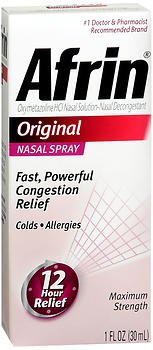
Decongestant nasal sprays are among the fastest-acting options available. Afrin Original, containing oxymetazoline, works by constricting blood vessels in your nasal passages. This reduces swelling and decreases mucus production within minutes. Many people notice relief within 5-10 minutes of application.
How They Work: Decongestants are sympathomimetic drugs that stimulate receptors in blood vessels, causing them to narrow. This reduces the amount of blood flowing to the nasal lining, which decreases inflammation and swelling.
Best For: Acute congestion relief, sinus infections, post-nasal drip, and temporary relief during colds or flu.
Important Warning - Rebound Congestion: This is critical: do not use decongestant nasal sprays for more than 3 consecutive days. Extended use causes a phenomenon called "rebound congestion" where your nasal passages become dependent on the medication and actually become MORE congested when you stop using it. Many people find themselves in a cycle where they need the spray continuously. Stick to the 3-day maximum recommended on the label.
We recommend Afrin No Drip Extra Moisturizing for those who want longer-lasting relief, and Afrin Severe Congestion for particularly stubborn cases.
2. Corticosteroid Nasal Sprays (Fluticasone, Triamcinolone)
Corticosteroid nasal sprays work differently than decongestants. They reduce inflammation and swelling by suppressing the immune response in your nasal passages. While they work more slowly than decongestants (usually taking several days to reach full effectiveness), they're designed for regular use and actually improve over time.
How They Work: These sprays contain mild steroids that target the inflammatory response directly. They reduce the production of inflammatory chemicals and decrease the immune system's reaction to allergens.
Best For: Chronic allergy sufferers, seasonal allergies, non-allergic rhinitis, and people seeking long-term relief without dependency risk.
Advantages:
- Safe for long-term use (many people use them for months or years)
- No rebound congestion risk
- Become more effective the longer you use them consistently
- Available over-the-counter
- Generally well-tolerated
Timeline: Most people notice improvement within 3-7 days, with maximum benefit reached after 2-4 weeks of consistent use.
3. Saline Nasal Sprays and Rinses
Saline nasal sprays are the gentlest option available. They contain nothing but salt water (typically a 0.9% saline solution) and work through gentle flushing and moisturization rather than medication.
How They Work: Saline rinses physically remove irritants, allergens, and excess mucus from your nasal passages. This reduces swelling naturally and helps your nasal cilia (tiny hair-like structures) work more effectively. Dynarex Saline Nasal Spray provides straightforward saline relief, while systems like NeilMed Sinus Rinse Kit offer more thorough nasal irrigation.
Best For: Pregnant women, children, people with medication sensitivities, post-surgical care, complementary treatment with other medications, and regular nasal hygiene.
Why It Works: Salt water is naturally soothing and helps reduce inflammation. When allergens and irritants are physically removed, your body's inflammatory response naturally calms down. Many ENT specialists recommend saline rinses as part of a comprehensive allergy management strategy.
No Side Effects: Saline is completely safe for daily use, pregnancy, nursing, and even young children. There's virtually no risk of dependency or rebound effects.
4. Antihistamine Nasal Sprays (Azelastine)
Antihistamine nasal sprays work by blocking histamine receptors directly in your nasal passages. When allergens trigger your immune system, it releases histamine—the chemical responsible for itching, swelling, and congestion. Antihistamine sprays stop this process at the source.
How They Work: These sprays contain antihistamine medications that block H1 receptors in nasal tissue. This prevents histamine from triggering inflammatory cascades.
Best For: Allergic rhinitis with itching and sneezing, post-nasal drip related to allergies, and people who want medication delivered directly to the affected area.
Unique Benefits: Antihistamine sprays can work faster than oral antihistamines (which must be absorbed through your digestive system first) because they deliver medication directly to where allergies occur.
5. Anticholinergic Nasal Sprays (Ipratropium)
Anticholinergic nasal sprays, like ipratropium, work by reducing mucus production. These are less commonly used but can be helpful for specific situations.
How They Work: These medications block acetylcholine receptors that normally stimulate mucus glands. By blocking this signal, they reduce the amount of mucus produced without affecting nasal blood vessels.
Best For: Excessive mucus production, rhinitis with significant post-nasal drip, and people who need congestion relief without the stimulating effects of decongestants.
Nasal Spray Comparison Table
| Type | Onset | Duration | Safety Long-Term | Best For |
|---|---|---|---|---|
| Decongestant (Oxymetazoline) | 5-10 minutes | 8-12 hours | 3 days max (rebound risk) | Acute relief, sinus infections |
| Corticosteroid | 3-7 days | 24+ hours | Safe for months/years | Chronic allergies, long-term |
| Saline | Immediate | 1-2 hours | Safe daily | All ages, pregnancy, daily use |
| Antihistamine | 15-30 minutes | 6-8 hours | Safe for long-term | Allergic symptoms, itching |
| Anticholinergic | 30 minutes | 4-6 hours | Safe for long-term | Excessive mucus, post-nasal drip |
How to Use Nasal Sprays Correctly
Even the best nasal spray won't work properly if you don't use it correctly. Here's the proper technique:
Step-by-Step Instructions
- Blow your nose gently: Clear both nostrils of excess mucus before applying spray.
- Hold the bottle upright: Most nasal sprays are designed to be held vertically, not tilted.
- Tilt your head forward slightly: A 45-degree angle helps the spray reach the nasal passages rather than the throat.
- Close one nostril: Gently press the side of your nostril to close it completely.
- Spray into the open nostril: Aim toward the outer part of your nose (away from the septum). One or two sprays per side is typical.
- Sniff gently: Breathe in through your nose as you spray to help the medication reach deeper into your sinuses.
- Repeat on the other side: Repeat steps 4-6 for your other nostril.
- Wait 30 seconds before blowing: Don't blow your nose immediately after spraying, as this can remove the medication.
- Wash the applicator: Clean the spray tip with warm water after each use to prevent bacteria buildup.
Common Mistakes to Avoid:
- Tilting your head back (this sends the spray to your throat, not your sinuses)
- Spraying too forcefully or multiple times per nostril
- Blowing your nose immediately after spraying
- Letting others use your nasal spray bottle
- Continuing to use a spray past its expiration date
Choosing the Right Nasal Spray for Your Situation
For Seasonal Allergies
If you experience allergies primarily during specific seasons (spring pollen, fall ragweed, summer mold), a corticosteroid nasal spray is often the best choice. Start using it about two weeks before allergy season begins for optimal prevention. This gives the medication time to build up in your system. You might also combine it with an allergy relief nasal spray from our nasal and sinus relief collection for additional support.
For Year-Round Allergies
Chronic allergen exposure requires consistent, safe treatment. A corticosteroid spray used daily is ideal because it improves over time and poses no rebound risk. Many people use these for months or years with excellent results and no negative effects.
For Acute Cold or Flu
When you suddenly develop congestion from a viral infection, a decongestant spray provides rapid relief. Remember: use for no more than 3 days. After that, switch to saline rinses or a corticosteroid spray if congestion continues. Many people combine a decongestant spray with Chest Rub CareAll or Vicks VapoRub for additional relief.
For Sinus Infection
If you have a confirmed sinus infection, consult your doctor, as you may need antibiotics. For symptom relief while treating the infection, decongestant nasal sprays provide temporary comfort. Saline rinses are particularly helpful because they physically flush out infected mucus. NeilMed Sinus Rinse Kit offers a more thorough rinse than simple nasal spray.
For Post-Nasal Drip
Excessive mucus draining down your throat can be addressed with either antihistamine sprays (if allergy-related) or anticholinergic sprays (to reduce mucus production). Saline rinses also help by physically removing excess mucus. Allergy Relief tablets can supplement nasal sprays for comprehensive symptom management.
When Nasal Spray Alone Isn't Enough
Many people benefit from combining nasal sprays with oral medications. For example, you might use a corticosteroid nasal spray for local relief while taking an oral sinus relief medication for systemic support. Always consult your pharmacist or doctor before combining medications to avoid interactions or overdose.
Special Populations: Important Considerations
Children
Nasal spray options vary by age:
- Under 2 years: Consult your pediatrician. Saline drops or sprays are typically safest.
- 2-6 years: Saline sprays are ideal. Some mild formulations of other sprays may be appropriate under medical guidance.
- 6+ years: Most nasal spray options are available, but consult your pediatrician about which is best.
Never use decongestant sprays in children under 12 without explicit pediatrician approval. Children are more sensitive to sympathomimetic drugs and can experience side effects like elevated heart rate or blood pressure.
Pregnancy and Nursing
If you're pregnant or nursing, safety is paramount:
- Saline sprays and rinses: Completely safe—this is your best first-line option.
- Corticosteroid sprays: Generally considered safe in pregnancy, but discuss with your OB/GYN first.
- Decongestants: Avoid in pregnancy, especially first trimester. The systemic absorption could affect your blood pressure.
- Antihistamines: Discuss with your doctor; some are considered safer than others in pregnancy.
Always inform your healthcare provider about any nasal sprays you're using while pregnant or nursing.
Elderly Adults
Older adults often take multiple medications, making drug interactions a concern. Additionally, nasal passages change with age, sometimes becoming drier. Consider:
- Saline sprays: Excellent for age-related dryness and safe with all medications.
- Corticosteroids: Generally well-tolerated and safe.
- Decongestants: Use with caution, as they can elevate blood pressure and heart rate—both concerns in older adults with cardiovascular conditions.
Always review nasal sprays with your pharmacist, especially if you take blood pressure medications or other cardiovascular drugs.
The Power of Nasal Irrigation and Saline Rinses
While traditional nasal sprays deliver medication, nasal irrigation systems like the NeilMed Sinus Rinse offer a different approach: physical cleansing. Many allergists and ENT specialists recommend nasal irrigation as a cornerstone of allergy management.
Why Nasal Irrigation Works
When you rinse your nasal passages with saline solution, you physically remove allergens, irritants, and excess mucus. This:
- Reduces the allergic load in your nose (fewer allergens = less immune response)
- Helps your nasal cilia work more effectively
- Moisturizes dry nasal passages
- Supports natural healing
- Requires no medication or potential side effects
Best Practices for Nasal Irrigation
- Use sterile or distilled water only (tap water can introduce bacteria)
- Use the proper saline concentration (typically 0.9% or follow package instructions)
- Rinse once or twice daily, preferably morning and evening
- Perform irrigation over a sink, tilting your head forward
- Allow solution to drain naturally; don't force it
Many people find that combining nasal irrigation with nasal spray medication provides superior results compared to either treatment alone. The irrigation removes irritants, while the spray provides targeted medication relief.
Combining Nasal Sprays with Other Treatments
Nasal Spray + Oral Antihistamines
This combination is often very effective for allergy sufferers. Nasal sprays deliver medication directly where allergies occur, while oral medications provide systemic relief. Your doctor can help determine if this combination is right for you.
Nasal Spray + Decongestant Tablets
For acute congestion, some people combine a nasal spray with oral decongestants. However, be aware that this increases total decongestant intake. Never exceed recommended dosages, and discuss with your pharmacist to avoid overdose.
Nasal Spray + Saline Rinse
This is an excellent combination with no risk of overdose or interactions. Use saline rinse first to clear irritants and mucus, then apply your medicated nasal spray. The cleared passages allow better medication absorption, making the spray more effective.
Nasal Spray + Topical Chest Rub
For comprehensive respiratory support, some people use nasal sprays alongside Chest Rub CareAll or Vicks VapoRub. The rub helps open airways through aromatherapy while nasal sprays address nasal passages directly.
Always inform your healthcare provider or pharmacist about all treatments you're using, including over-the-counter options. This ensures nothing interacts with prescription medications you may be taking.
Complementary Approaches Beyond Nasal Sprays
While nasal sprays are highly effective, several complementary approaches enhance their benefits:
Steam Inhalation
Breathing in steam from a hot shower or steam inhaler naturally opens nasal passages and loosens mucus. This works particularly well before applying nasal spray, as clearer passages allow better medication delivery. The warmth also feels soothing and provides psychological relief.
Humidifiers
Dry indoor air (especially in winter) aggravates nasal passages and allergies. Using a humidifier adds moisture to the air, reducing irritation. Many people find they need less frequent nasal spray use when they run a humidifier consistently.
Nasal Strips
Adhesive nasal strips physically open nasal passages without medication. While not as powerful as sprays, they can provide supplemental relief and help with sleep quality. Some people use them at night while using medication during the day.
Environmental Control
Reducing allergen exposure at the source reduces the need for nasal sprays:
- Use HEPA filters in your home
- Keep bedroom doors closed during high pollen season
- Shower and wash hair after being outdoors to remove pollen
- Use air conditioning with clean filters
- Wash bedding frequently in hot water
- Minimize carpet in your home (hard floors trap fewer allergens)
Dietary Support
While not a replacement for nasal sprays, certain foods have anti-inflammatory properties that may help:
- Foods rich in omega-3 fatty acids (salmon, flaxseeds, walnuts)
- Quercetin-rich foods (apples, onions, berries) with natural antihistamine properties
- Spicy foods that can help clear congestion
- Staying well-hydrated to support mucus drainage
When to See an ENT Specialist
Nasal sprays work well for most people, but some situations warrant professional evaluation:
- Nasal sprays aren't helping: If you've tried appropriate sprays for 2-4 weeks with no improvement, see a specialist.
- One-sided symptoms: If congestion or discharge is only on one side, this could indicate polyps, tumors, or other structural issues requiring evaluation.
- Persistent nosebleeds: Repeated bleeding from nasal spray use isn't normal; get evaluated.
- Yellow or green discharge: This may indicate a bacterial sinus infection requiring antibiotics beyond what sprays can treat.
- Severe pain: Significant sinus pain might indicate an infection or other condition needing medical attention.
- Symptoms lasting over 10 days: Beyond typical cold duration, prolonged congestion may need professional diagnosis.
- Sleep disruption: If congestion significantly impacts your sleep quality, an ENT can identify underlying causes.
- Impact on quality of life: If allergies or congestion significantly limit your activities, specialized treatment might help.
ENT specialists can perform tests to identify specific allergens you're reacting to, evaluate your nasal structure for abnormalities, and recommend prescription-strength treatments if over-the-counter options aren't sufficient. If you're struggling with your symptoms, don't hesitate to ask your primary care doctor for a referral.
AllCare Store: Your Complete Allergy and Congestion Solution
At AllCare Store, we understand how frustrating nasal congestion and allergies can be. That's why we've carefully curated a selection of the most effective nasal sprays and complementary products to help you breathe freely again.
Our Selection Includes:
- Afrin Original Oxymetazoline for fast decongestant relief
- Afrin No Drip Extra Moisturizing for longer-lasting comfort
- Afrin Severe Congestion for severe symptoms
- Dynarex Saline Nasal Spray for gentle, safe daily use
- NeilMed Sinus Rinse Kit for thorough nasal irrigation
- Medi-First Sinus Relief tablets for systemic support
- Allergy Relief tablets for oral medication options
- Chest Rub CareAll for complementary relief
- Vicks VapoRub for comforting aromatherapy
Browse our complete nasal and sinus relief collection or visit our medicine category to explore all options. We also invite you to read our complete guide to the best allergy medicine for 2026 for more comprehensive treatment information.
Why Choose AllCare Store?
- Free Shipping: On most orders—because accessible healthcare shouldn't be expensive
- Discreet Packaging: Your privacy matters to us. All orders ship in unmarked packaging
- 30-Day Returns: Try products with confidence. If you're not satisfied, return within 30 days for a full refund
- Expert Selection: We choose every product based on quality, efficacy, and customer satisfaction
- Customer Support: Questions about which nasal spray is right for you? Call us at 1-888-889-6260
We're committed to helping you find the relief you deserve. Whether you're looking for fast decongestant relief like Linda found, or prefer gentler saline options, we have the products and knowledge to support your journey to clearer breathing.
Frequently Asked Questions (FAQ)
Can I use decongestant nasal spray every day?
No. Decongestant nasal sprays should only be used for 3 consecutive days maximum. Extended use causes rebound congestion, where your nasal passages become dependent on the medication and actually become more congested when you stop. If you need longer-term relief, switch to a corticosteroid nasal spray or saline rinses, both of which are safe for daily use.
How long does it take for corticosteroid nasal sprays to work?
Corticosteroid nasal sprays work more slowly than decongestants. Most people notice improvement within 3-7 days of regular use, with maximum benefit reached after 2-4 weeks of consistent use. The benefit is that they continue to improve over time and are safe for long-term use without dependency risk.
Is saline nasal spray safe during pregnancy?
Yes, saline nasal spray is completely safe during pregnancy. Saline is just salt water with no active medications, making it the safest option for pregnant women experiencing congestion. Always consult your OB/GYN before using any other type of nasal spray during pregnancy, as some medications may not be recommended in early pregnancy.
Can I use a nasal spray if I have high blood pressure?
If you have high blood pressure, avoid decongestant nasal sprays (like oxymetazoline) as they can elevate blood pressure further. Instead, use corticosteroid sprays, saline sprays, or antihistamine sprays, which don't affect blood pressure. Always inform your pharmacist or doctor about your blood pressure condition when selecting a nasal spray.
What's the difference between nasal spray and nasal irrigation?
Nasal spray delivers a mist of medication or saline directly into your nostrils in a targeted way. Nasal irrigation (like the NeilMed Sinus Rinse Kit) uses a larger volume of saline solution to thoroughly flush and rinse your entire nasal passages and sinuses. Both are effective and often work even better when used together—rinse first to clear irritants, then spray for targeted medication delivery.
Can children use nasal sprays?
Yes, but it depends on the type and child's age. Saline nasal sprays are safe for all ages, even infants. Corticosteroid sprays are generally safe for children 2 years and older. Decongestant sprays are not recommended for children under 12 without explicit pediatrician approval. Always consult your pediatrician about which nasal spray is appropriate for your child's age and condition.
Why does my nose bleed when I use nasal spray?
Minor nosebleeds can occasionally occur, especially with decongestant sprays if used incorrectly (spraying too forcefully or too frequently) or if nasal passages are already dry or irritated. If you experience nosebleeds, try: using gentler technique, switching to a moisturizing formula, using saline spray to keep passages hydrated, or applying a lubricating saline gel after spraying. Persistent nosebleeds warrant a visit to your ENT specialist.
Can I use multiple nasal sprays at the same time?
Some combinations are safe, but others aren't. For example, combining two decongestants increases overdose risk. Generally safe combinations include: saline spray + any medicated spray (use saline first), or corticosteroid spray + antihistamine spray. For combinations with decongestants or multiple medications, always consult your pharmacist or doctor to ensure safety and avoid interactions.
How do I know if my nasal spray has expired?
Check the expiration date printed on your nasal spray bottle. Never use a spray past its expiration date, as the active ingredient may have degraded and effectiveness is no longer guaranteed. Additionally, if the solution looks discolored, cloudy, or has visible particles, discard it immediately. Replace nasal spray bottles at least annually even if not expired, as bacteria can accumulate in the spray tip.
Your Path to Clear Breathing Starts Now
Like Linda, you don't have to accept nasal congestion and allergies as a permanent part of your life. With the right knowledge about nasal spray options and proper usage, you can find relief that works for your unique situation. Whether you need fast acute relief, long-term allergy management, or gentle daily support, there's a nasal spray solution designed for you.
The key is understanding your specific needs—Is this acute congestion or chronic allergies? Do you need fast relief or long-term prevention? Are you pregnant, nursing, or taking other medications? What's your comfort level with different treatment types?—and then selecting the right product accordingly.
Start with AllCare Store's nasal and sinus relief collection to find your solution. If you have questions about which nasal spray is right for you, don't hesitate to call us at 1-888-889-6260. Our knowledgeable team is here to help you choose the perfect product for your needs. Plus, enjoy free shipping on most orders, discreet packaging that respects your privacy, and our 30-day return guarantee so you can shop with confidence.
Breathe easier. Feel better. Reclaim your quality of life. Your clear nasal passages—and the restful sleep, productive days, and improved quality of life that come with them—are waiting.