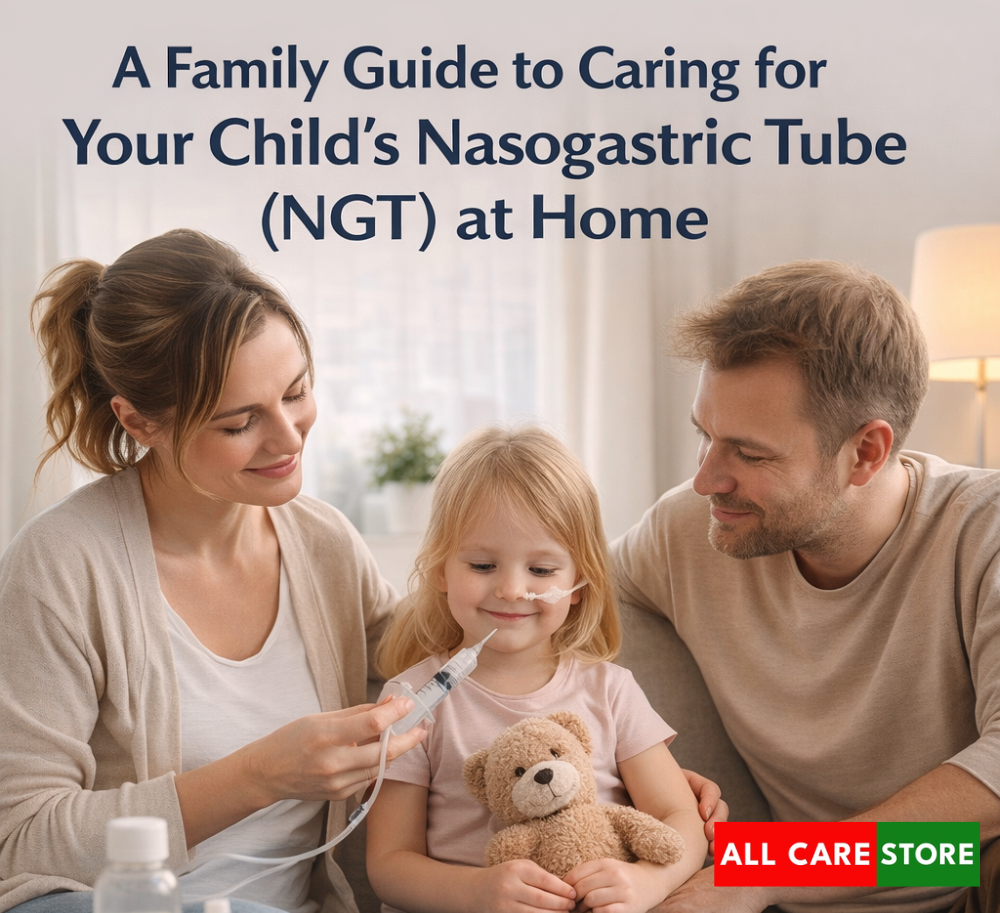
When a child comes home with a nasogastric tube (NGT), the whole household adjusts. What used to be a simple mealtime suddenly becomes a medical, structured, and sometimes overwhelming process. Many mothers and fathers describe the first few days at home as a mix of alleviation and anxiety, alleviation that their child is in the end domestic and anxiety about doing the whole lot successfully.
The precise news is that with the right know-how, routine, and support, caring for a kid with an NGT at home becomes possible. This guide is written for households in the United States who want clean, practical, and human-centred advice for regular NGT care.
Understanding the role of an NGT at home

A nasogastric tube is a thin, flexible tube inserted through the nostril and into the belly. It is used to deliver:
- Nutrition
- Fluids
- Medications
Children may need an NGT for many reasons, such as:
- Difficulty swallowing
- Recovery after surgery
- Premature birth
- Chronic medical conditions
- Temporary feeding challenges
For many families, the NGT (nasogastric tube) is used for a restricted time. Its reason is to help with the kid's growth, hydration, and healing until the child can effectively consume via mouth once more.
Equipment needed

Before starting NGT care at home, it enables you to hold all essential items in one organised area.
Typical equipment includes:
- Nasogastric feeding tube (correct size prescribed)
- Syringes for feeding and flushing
- Feeding pump (if prescribed)
- Feeding bags or gravity sets
- pH testing strips (if recommended)
- Medical tape or securement device
- Clean container for water
- Measuring cup for feeds
- Gloves (optional but helpful)
Keeping these supplies in a smooth, distinctive area makes daily routines less complicated and reduces stress.
Buy all these Enteral Feeding Kits & Accessories at All Care Store
Supplies you will need
Along with the main equipment, you will also need daily-use supplies:
- Prescribed feeding formula
- Clean drinking water (as instructed by your care team)
- Skin-friendly adhesive tape
- Alcohol-free wipes or mild soap
- Gauze or soft cloth for cleaning
- Spare feeding tubes (if advised)
Many parents find it helpful to create a small “feeding station” at home where everything is easy to reach.
For a closer look at what should be included, read our guide on What You Need to Know About Enteral Feeding Supply Kit Essentials.
How to measure for depth

Proper tube length is critical for safe feeding.
Your healthcare provider will usually teach you how to measure the correct depth using this basic method:
- Measure from the top of the kid’s nostril.
- Go to the earlobe.
- Then degree right down to the middle of the chest (or as told).
- Mark this duration on the tube, the usage of tape or a marker.
This size facilitates make certain the tube reaches the belly, not the throat or lungs.
Always comply with the exact method taught with the aid of your doctor or nurse, as commands may vary by child.
How to place the NGT

Only place an NGT at home if your healthcare provider has trained you to do so.
Basic steps usually include:
- Wash your hands thoroughly.
- Prepare the tube and supplies.
- Position your child comfortably, usually sitting upright.
- Gently insert the tube into one nostril.
- Guide it slowly down the throat.
- Stop at the measured length.
- Check placement before feeding.
It’s normal for children to feel uncomfortable or gag slightly during insertion. Staying calm and speaking gently can help them feel safer.
Securing the NGT

Once the tube is in place, it must be secured properly.
Steps to secure the tube:
- Dry the skin around the nose.
- Use skin-friendly tape or a securement device.
- Place the tape so the tube does not pull or twist.
- Leave enough slack for comfortable movement.
Check the tape regularly:
- Replace it if it becomes loose.
- Change it if the skin becomes irritated.
Proper securing helps prevent accidental removal.
How to check placement
Checking tube placement before feeding is one of the most important safety steps.
Common methods include:
1. pH testing (if recommended)

- Use a syringe to draw a small amount of stomach fluid.
- Test it with a pH strip.
- Follow the safe range given by your healthcare provider.
2. Length check

- Make sure the tube is still at the marked measurement.
- If the tube appears longer or shorter, do not feed.
If you are ever unsure about placement, pause and contact your healthcare provider.
Remove the NGT if:

You may need to remove the tube if you notice:
- The tube has come out partially
- The child is coughing or choking continuously
- The tube appears in the mouth
- The child is in distress
- The tube is blocked and cannot be cleared
Always follow your provider’s instructions about when and how to remove the tube.
Additional instructions for daily care

Daily habits make NGT care easier and safer.
Keep the area clean
- Clean the nose and skin around the tube daily.
- Check for redness, swelling, or irritation.
Flush the tube regularly
- Flush with the recommended amount of water.
- Do this before and after feedings or medications.
For more guidance on hydration routines, read our Tips to Stay Hydrated With an Enteral Feeding Tube.
Keep your child upright during feeding
- The semi-upright or upright position is safest.
- Keep the child upright for at least 20–30 minutes after feeding.
Changing or removing the NGT

Your healthcare provider will tell you how often the tube should be changed.
General steps include:
- Wash your hands.
- Remove tape gently.
- Slowly pull out the tube.
- Dispose of it as instructed.
- Insert a new tube if required.
Never reuse a tube unless specifically instructed.
When to contact the doctor

Call your child’s healthcare provider if you notice:
- Vomiting during or after feeds
- Persistent coughing
- Tube blockage that will not clear
- Skin breakdown around the nose
- Fever or unusual discomfort
- Tube repeatedly coming out
Important U.S. contact numbers
- Emergency (life-threatening situation): 911
- Poison Control (U.S.): 1-800-222-1222
- For non-emergency medical advice, contact your child’s pediatrician or local hospital helpline.
Helping your child feel comfortable

Children often take emotional cues from their parents. If you remain calm and confident, they will feel more secure.
Ways to support your child:
- Keep feeding times relaxed.
- Offer favourite toys during feeding.
- Maintain regular play and sleep routines.
- Give gentle reassurance.
Over time, feeding becomes part of the normal daily rhythm.
Building a simple daily routine
Many families find that structure reduces anxiety.
Example routine:
- Morning: Flush and first feeding
- Midday: Check tube position and feed
- Afternoon: Skin check and flush
- Evening: Final feeding and cleaning
Keeping a small notebook or phone log helps track:
- Feeding times
- Water flushes
- Tube changes
- Any concerns
Emotional support for caregivers
Caring for a child with an NGT can feel isolating. Remember:
- You are not alone.
- Many families go through this.
- Confidence grows with time and routine.
If you feel overwhelmed:
- Speak to your child’s nurse or doctor.
- Ask about caregiver support groups.
- Connect with other parents in similar situations.
The road ahead

For many children, the NGT (nasogastric tube) is used only temporarily. As they develop more potent and regain the ability to consume, the tube is not wished.
With patience, consistent effort, and the proper support, families regularly flow from fear to self-assurance in only a few weeks.
Your care, attention, and love are critical to your toddler's healing.
References
- U.S. pediatric home-care guidelines
- Hospital discharge instructions
- General caregiver education materials
- Public health guidance from U.S. medical authorities