If you or a loved one is using tube feeding at home, having the right enteral feeding supply kit is just as important as knowing how to use it correctly. The right supplies help ensure safe nutrition, reduce the risk of infection, and make daily feedings easier and less stressful.
This guide provides a detailed overview of all the essential components of an entire feeding supply kit. It is written in simple, easy-to-understand language for patients and caregivers in the United States.
Whether you are just starting tube feeding or providing long-term care for a patient, this article will help you understand what supplies you need, why they are necessary, and how to use them safely.
What Is an Enteral Feeding Supply Kit?
An enteral feeding supply kit contains all the basic equipment needed to deliver liquid nutrition through a feeding tube. These kits are used with feeding tubes, pumps, gravity feeding, or syringe feeding, depending on your care plan.
Enteral feeding is commonly recommended when a person cannot eat enough by mouth, but their stomach and digestive system are still able to absorb nutrients normally.
Why Enteral Feeding Supplies Are Important
Using the right feeding tube supplies is important because it helps to:
- Deliver nutrition safely and accurately
- Prevent tube blockages
- Reduce the risk of infection
- Increase comfort during feeding
- Make daily care easier for caregivers
High-quality enteral feeding supplies are designed for home use and follow strict medical safety standards in the USA.
Core Enteral Feeding Supply Kit Essentials
Let’s break down the most important items found in a complete enteral feeding supply kit.
1. Feeding Tube

The feeding tube delivers nutrition directly into the stomach or small intestine.
- G-tube (gastrostomy tube)
- J-tube (jejunostomy tube)
- NG tube (nasogastric tube)
- Low-profile button tubes
Your healthcare provider determines which feeding tube is best for your condition.
2. Feeding Tube Pump


A feeding pump controls the speed and volume of formula delivery. Pumps are commonly used for continuous or overnight feedings.
- Accurate flow control
- Reduced stomach discomfort
- Ideal for long-duration feedings
Read our complete guide: How to Use a Pump With Your Feeding Tube
3. Feeding Bags
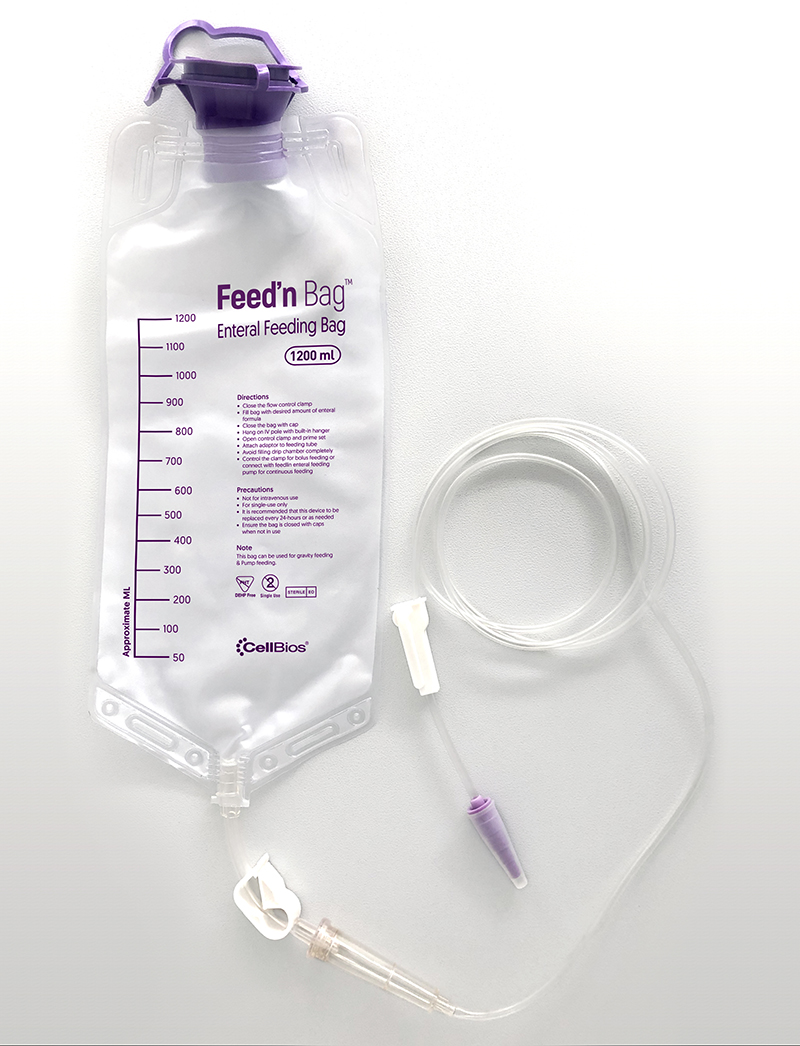
Kangaroo Epump Enteral Feeding Pump Set
Feeding bags hold the formula and connect to the feeding tube or pump.
- Single-use or 24–48 hour use
- Help maintain cleanliness
- Must be replaced regularly to prevent infection
4. Syringes
(ENFit or Dynarex Syringes)


Syringes are used to:
- Flush feeding tubes
- Administer medications
- Provide water or bolus feeding
Most users require 60 mL syringes. Replace every 24–48 hours.
5. Enteral Feeding Formula


Enteral feeding formulas provide calories, protein, vitamins, and fluids.
- Standard formulas
- High-calorie formulas
- High-protein formulas
- Fiber-enriched formulas
- Disease-specific formulas
Always use the formula prescribed by your healthcare provider.
6. Water for Flushing and Hydration

Water is essential to:
- Prevents tube clogs
- Maintains hydration
- Flush before and after feedings
Use clean, drinkable water at room temperature unless instructed otherwise.
7. Button Adapters and Extension Sets

If you have a button-style tube (like MIC-KEY), you’ll need an extension set.
These allow you to:
- Connect feeding bags
- Attach syringes
- Disconnect easily after feeding
8. IV Pole or Backpack


Feeding bags must be elevated for proper flow.
Options include:
- IV pole for stationary home use
- Backpack for mobility
9. Cleaning Supplies

Clean supplies reduce infection risk.
Helpful items:
- Clean cloths or paper towels
- Mild soap
- Warm water
How Often Should Enteral Feeding Supplies Be Replaced?
| Supply | Replacement Frequency |
|---|---|
| Feeding bag | Every 24–48 hours |
| Syringe | Every 24–48 hours |
| Extension set | As directed |
| Formula | Check expiration |
| Pump tubing | Per manufacturer |
Replacing supplies on time helps prevent bacteria buildup.
How to Store Enteral Feeding Supplies
-
Store supplies in a clean, dry area
-
Keep formula at room temperature (unopened)
-
Refrigerate the opened formula
-
Discard unused open formula after 24 hours

Ordering Enteral Feeding Supplies in the USA
Most patients receive enteral feeding supplies through insurance-approved home care providers.
Tips:
- Reorder when you have 10 days of supplies left
- Confirm insurance coverage
- Keep emergency backup supplies
If insurance doesn’t cover supplies, they are available at:
- Medical supply stores
- Pharmacies
- Online retailers
Safety Tips for Using Enteral Feeding Supplies
- Wash your hands before handling supplies
- Flush tubes before and after feeding
- Never reuse old feeding bags for too long
- Sit upright during feeding
- Watch for signs of infection

When to Call Your Healthcare Provider
Call your provider if you notice:
- Redness or drainage at the tube site
- Fever over 100.4°F
- Tube clogging that won’t clear
- Vomiting or diarrhoea
- Sudden weight changes
FAQs – Enteral Feeding Supply Kit Essentials
What does an enteral feeding supply kit include?
An enteral feeding supply kit typically includes a feeding bag, tubing, syringes, connectors, and other accessories necessary for safely administering tube feeding at home.
How often should the feeding bag be changed?
The feeding bag should be changed every 24 to 48 hours to minimise bacterial growth and reduce the risk of infection during enteral feeding.
Are enteral feeding supplies reusable?
Some enteral feeding supplies can be reused for a short period, but items like feeding bags and syringes need to be replaced regularly for safety.
Where can I buy enteral feeding supplies in the USA?
You can buy enteral feeding supplies online from trusted medical stores like All Care Store, pharmacies, or local medical supply shops.
How do I prevent blockages in the feeding tube?
To prevent blockages, flush the feeding tube with the prescribed amount of water before and after each feeding and medication administration.
Are high-calorie tube feeding formulas safe for adults?
High-calorie tube feeding formulas, are safe for adults when prescribed by a healthcare provider and used as directed for nutritional support.
How should enteral feeding supplies be stored?
Store enteral feeding supplies in a clean, dry place. Keep unopened formula at room temperature, and refrigerate opened formula for up to 24 hours.
When should I contact my healthcare provider?
Final Thoughts
Managing tube feeding at home becomes much easier with the right enteral feeding supply kit. Using high-quality supplies, proper cleaning methods, and timely replacement significantly reduces the risk of infection and complications.
For patients and caregivers in the USA, trusted medical suppliers like All Care Store make it easy to purchase reliable enteral feeding supplies online. With proper guidance and the right products, enteral feeding at home can be safe, confident, and stress-free.