Eleanor's Kitchen, and the Difference Between the Right Tool and the Wrong One
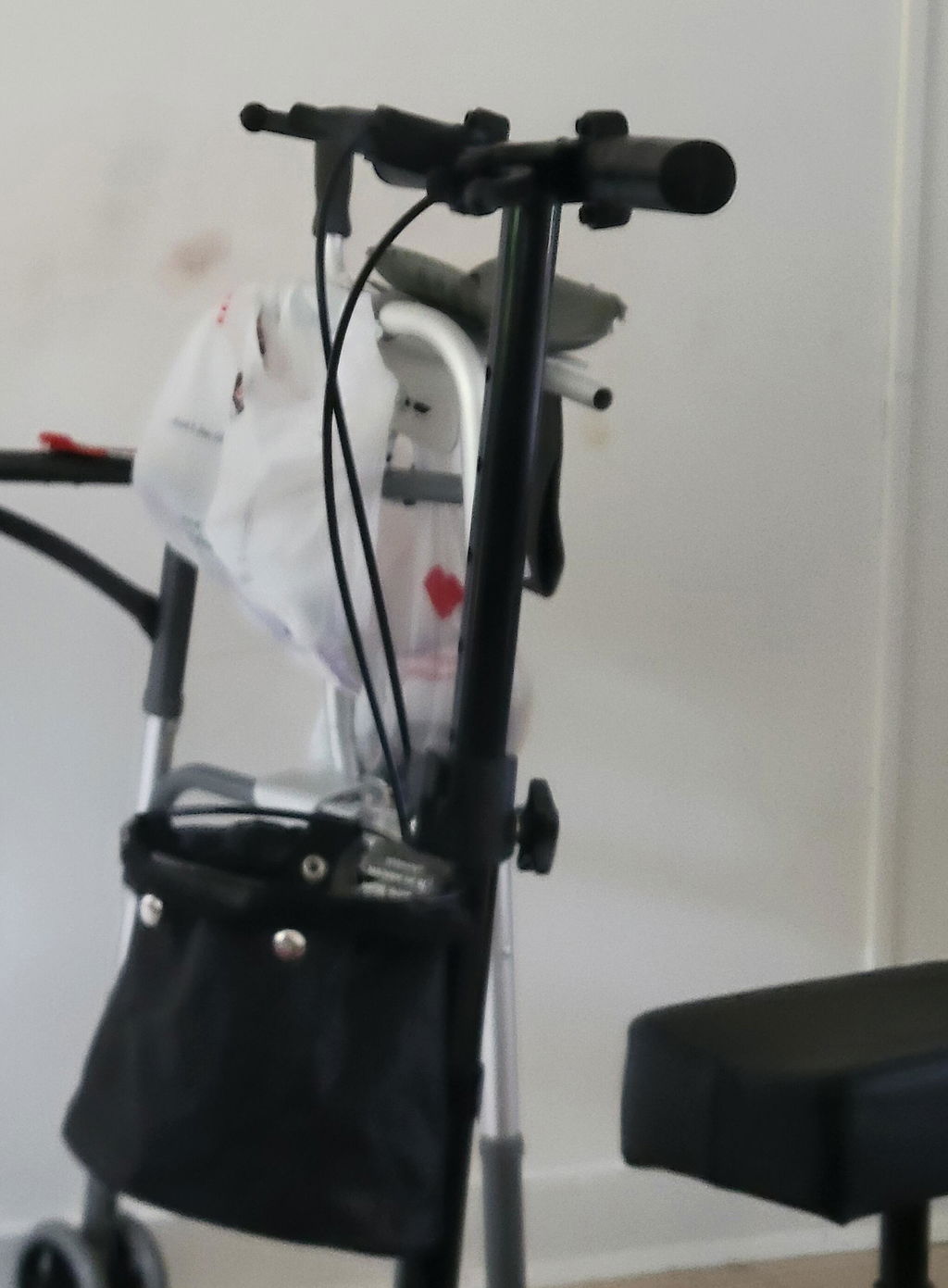
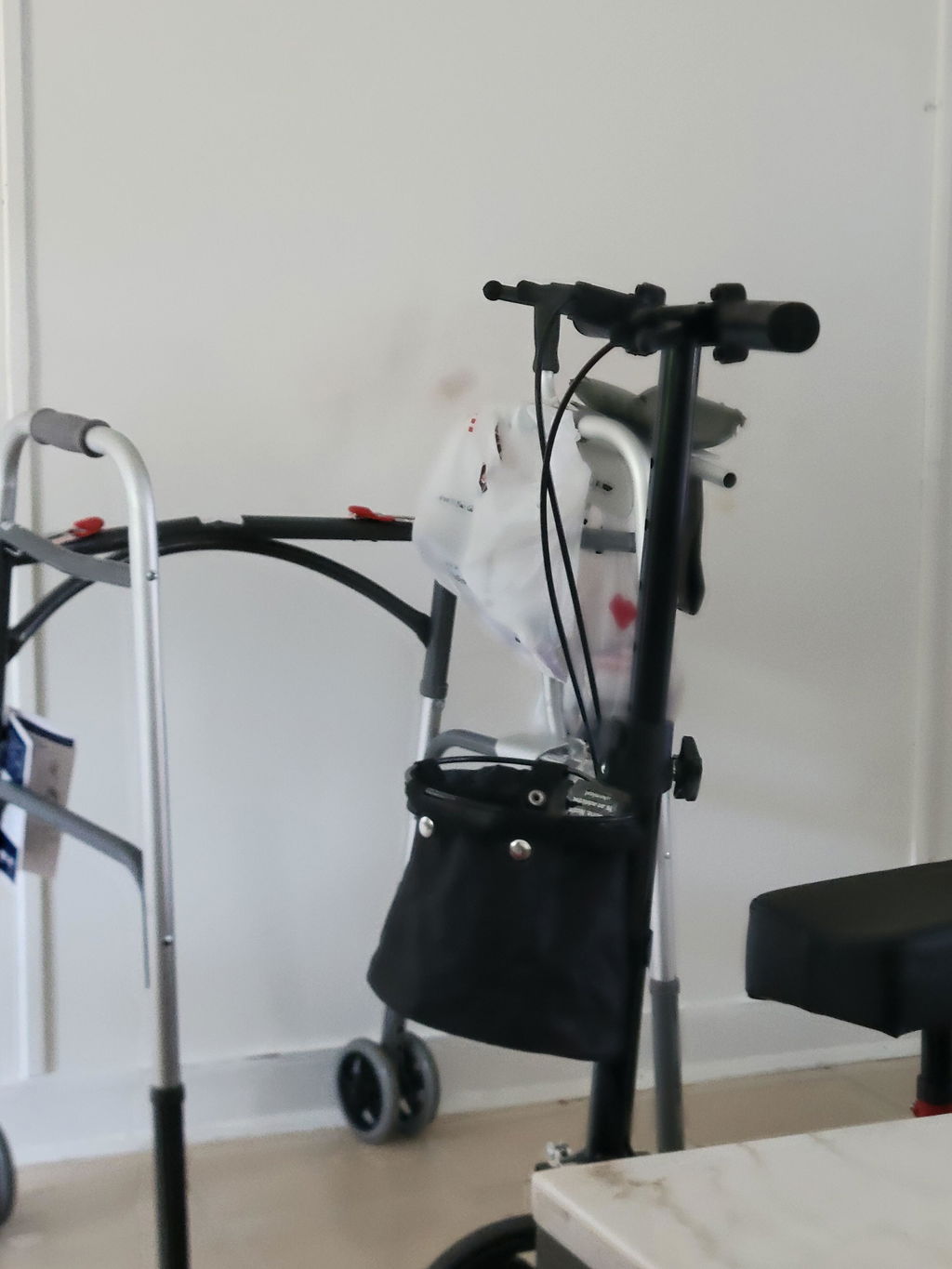
Eleanor is 79. For most of her life she moved through her small ranch house without thinking about it once. Then a bout of pneumonia last winter left her weak, a little unsteady, and — for the first time she could remember — frightened of falling. Her daughter bought her a rollator, the kind with four big wheels and a padded seat, because it looked modern and had good reviews.
It was the wrong tool, and it took a scary near-miss to figure out why.
Eleanor's balance hadn't just gotten a little worse — it had gotten unreliable. When she leaned on the rollator to steady herself, it rolled. One afternoon in the kitchen she reached for a cabinet, put her weight on the handlebars, and the whole thing scooted forward on its wheels. She caught the counter. She was fine. But she sat down at the table with her heart pounding and didn't tell anyone for a week.
What Eleanor actually needed, her physical therapist explained later, was the opposite of what she'd been given: a standard walker with two front wheels and two rubber-tipped back legs — a device that doesn't roll away when you lean on it, because it's designed to bear weight and hold still. Three weeks later, once her strength came back, she graduated to a rollator and loved it. The rollator wasn't a bad product. It was simply the right product for the wrong stage of her recovery.
That distinction — walker or rollator, and which one for which person — is the single most important decision in this whole category, and it's the one people get wrong most often. This guide will make it simple.
The Core Difference in One Paragraph
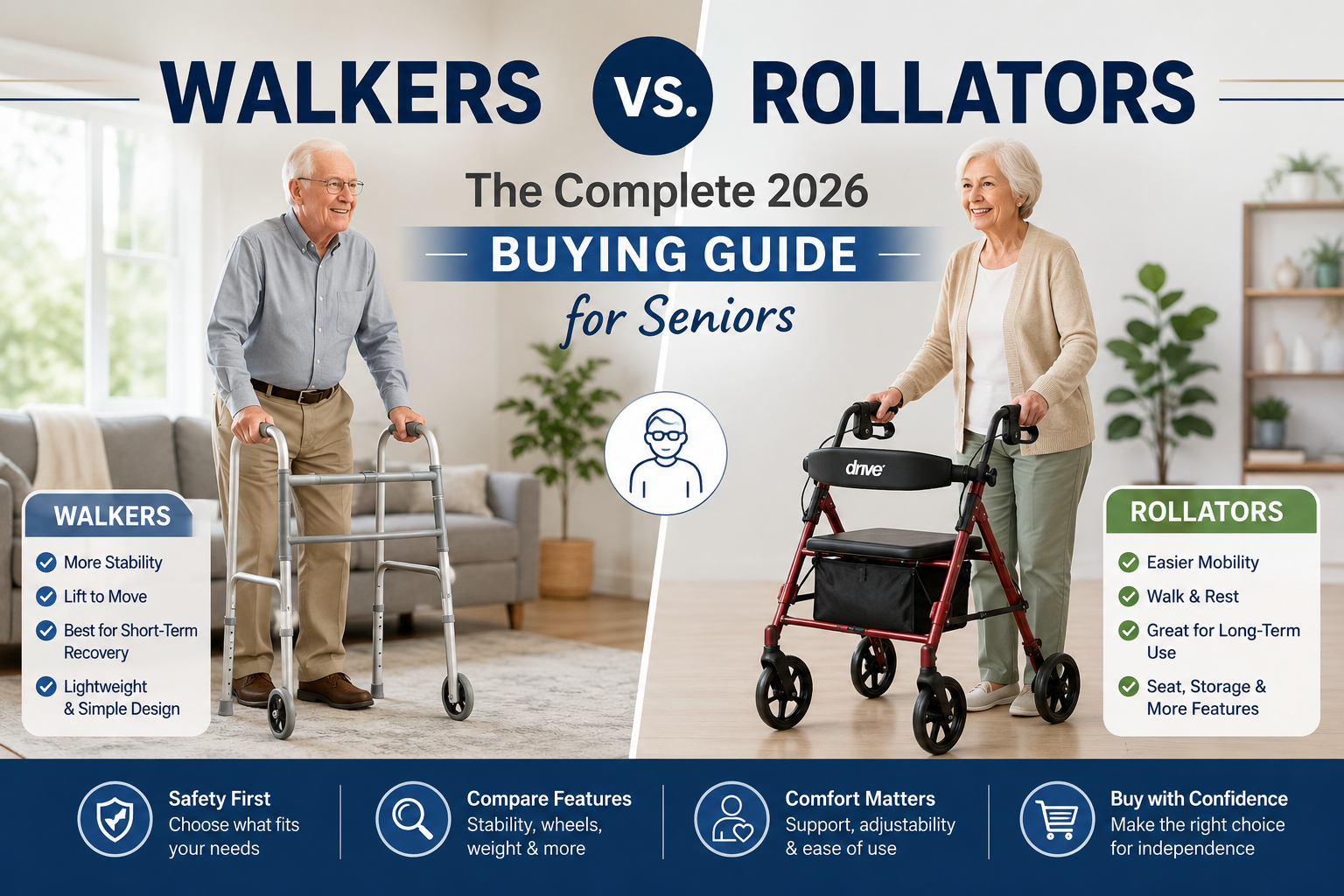
A walker is built for stability and weight-bearing. You lift it or roll it forward a little, then step up to it while it holds still. It's the safer choice when your balance is genuinely unreliable or you need to lean real weight on the frame. A rollator is built for endurance and distance. It has four wheels, hand brakes, and usually a seat, so it glides with you and lets you rest anywhere — but because it rolls freely, it is not the right choice for someone who needs to lean hard on it to stay upright. In short: walkers stop; rollators roll. Choose based on which of those you need most.
Walker vs. Rollator: An Honest Side-by-Side
| Factor | Standard Walker | Rollator (4-Wheel) |
|---|---|---|
| Stability when leaning | Excellent — holds still under weight | Limited — can roll if you lean hard |
| Effort to move it | Higher — you push/lift each step | Low — glides smoothly |
| Best for distance | Short trips around the home | Longer walks, stores, outdoors |
| Built-in seat to rest | No | Yes, on most models |
| Brakes | Not needed — no free-rolling | Hand brakes, must be used correctly |
| Carrying items | Basket/pouch add-on, limited | Basket and under-seat storage standard |
| Weight of the device | Very light (5–8 lbs) | Heavier (12–20 lbs) |
| Tight spaces (bathrooms) | Easier — narrow footprint | Harder — wider turning circle |
| Typical 2026 price | $60–$210 | $85–$300+ |
The quick rule of thumb: if the main problem is balance and you need to lean on the frame, choose a walker. If the main problem is stamina and you need to rest and travel farther, choose a rollator. When you're not sure, ask a physical therapist — this is exactly the kind of question they answer every day, and getting it right prevents falls. Browse both side by side in the walkers and rollators collection at AllCare Store.
The Types of Walkers
1. Standard Walkers (No Wheels)
Four rubber-tipped legs, no wheels. You lift the walker, set it down, and step to it. Maximum stability, because it plants firmly and holds still under your full weight. The trade-off is effort and a slightly halting gait, since you lift with every step. Best for people with significant balance issues, upper-body strength to lift the frame, and mostly indoor use on smooth floors.
2. Two-Wheel Walkers (Front-Wheeled)
The most popular walker style for good reason. Two wheels on the front legs and rubber glides on the back mean you can push the walker forward smoothly without lifting it, while the back legs still grip and stop the walker from rolling away when you lean. It's the sweet spot between the rock-solid standard walker and the free-rolling rollator. The Drive Two Button Folding Walker (Lightweight Aluminum) — a best-seller at $70.03 — is a classic example, with two easy-squeeze buttons to fold it flat for the car.
3. Trigger-Release and Easy-Fold Walkers
A refinement for people with arthritis or limited hand strength. Instead of pressing a button on each side, a single trigger under each hand grip releases the frame so it advances one side at a time — helpful for a more natural walking rhythm. The Drive Medical Trigger Release Folding Walker starts at $59.98 and is one of the most affordable, widely stocked options in the store.
4. Compact Folding Walkers
Modern, lightweight walkers engineered to fold flat in one motion and stand on their own, so they tuck beside a chair or into a car trunk without a fight. They tend to look less clinical, too, which matters more to people than they expect. The Stander EZ Fold-N-Go Walker ($159.00, several colors) folds to about the width of a laptop bag and is a favorite for travel and small apartments.
5. Walkers with a Built-In Seat (Hybrids)
A middle path between a walker and a rollator: the stability of a rolling walker plus a fold-down seat and push-down brakes, so you can stop and sit without the free-rolling feel of a full rollator. The Drive Medical Clever-Lite Walker with Seat and Push-Down Brakes ($200.99) is a good example — the brakes lock the moment you press down to sit.
The Types of Rollators
1. Standard 4-Wheel Rollators
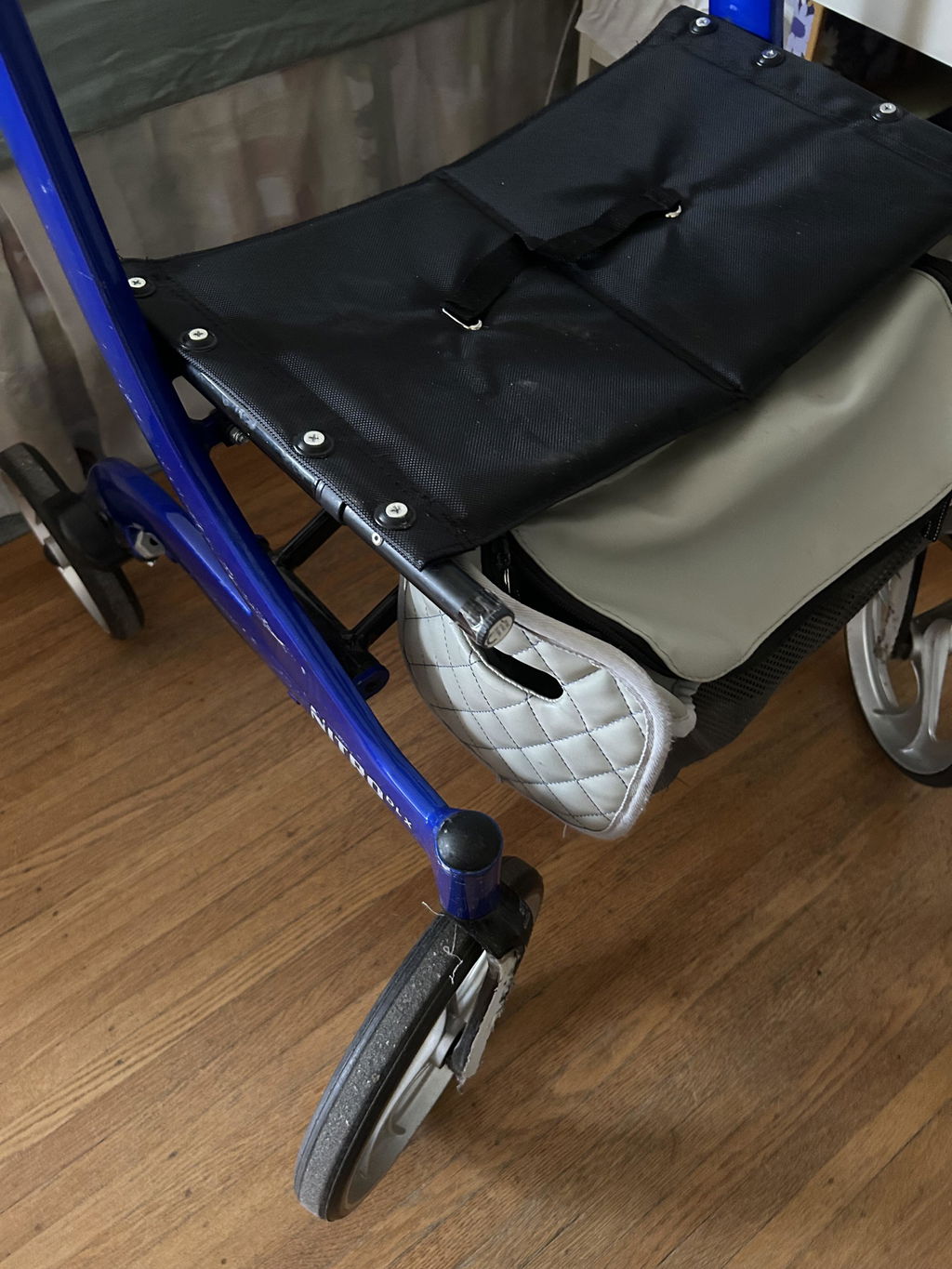
Four wheels, hand-loop brakes, a padded seat, and a storage basket. The workhorse of the category, ideal for someone with decent balance who tires easily and wants to walk farther, shop, or spend time outdoors with a place to rest built in. Wheels of 7.5" to 8" roll well on pavement and indoor floors.
2. Petite and Junior Rollators
Shorter users — roughly under 5'4" — often find a standard rollator forces them to hunch or reach up for the handles, which is both uncomfortable and unsafe. Petite frames lower the handle range and seat height to fit properly. The Drive Medical Junior Rollator Walker with Seat ($86.00) and the ProBasics Petite Aluminium Rollator with Padded Flip-Up Seat ($118.87) are both built for shorter statures.
3. Bariatric / Heavy-Duty Rollators
Reinforced frames, wider seats, and larger 8" wheels rated to 400 pounds or more. If you are near the 300-pound limit of a standard rollator, size up — an overloaded frame flexes exactly when you need it to stay rigid. The Bariatric Rollator Walker with Seat (8-inch wheels) at $169.00 and the ProBasics Bariatric Aluminum Rollator (8-inch, 400 lb capacity) at $194.30 are both built for heavier users and taller frames.
4. Three-Wheel Rollators
A lighter, more maneuverable option with a triangular footprint that turns tightly in narrow homes. The trade-off is no seat and slightly less front stability, so they suit active users who want portability over a place to sit.
Eight AllCare Store Models at a Glance
| Model | Type | Best For | Price |
|---|---|---|---|
| Drive Trigger Release Folding Walker | Wheeled walker | Budget pick, arthritis-friendly release | $59.98 |
| Drive Two Button Folding Walker | Two-wheel walker | All-round best-seller | $70.03 |
| Drive Junior Rollator with Seat | Petite rollator | Shorter users, best value rollator | $86.00 |
| ProBasics Petite Aluminium Rollator | Petite rollator | Shorter users wanting a padded flip-up seat | $118.87 |
| Stander EZ Fold-N-Go Walker | Compact folding walker | Travel, small homes, easy one-hand fold | $159.00 |
| Bariatric Rollator with Seat (8") | Heavy-duty rollator | Heavier or taller users | $169.00 |
| ProBasics Bariatric Rollator (8", 400 lb) | Heavy-duty rollator | Maximum weight capacity | $194.30 |
| Drive Clever-Lite Walker with Seat | Hybrid walker + seat | Stability plus a place to sit | $200.99 |
Prices are current at the time of writing and may change; check the product page for the latest. See the full range in the walkers and rollators collection.
How to Fit a Walker or Rollator Correctly
A device set to the wrong height causes more harm than good — too high and you can't put safe weight on it, too low and you hunch forward, which throws off your balance and strains your back. Fitting takes two minutes.
Set the Handle Height
Stand upright inside the walker or behind the rollator, wearing your normal shoes, with your arms relaxed at your sides. The top of the hand grips should line up with the crease of your wrist. When your hands rest on the grips, your elbows should bend at a comfortable 15–20 degrees — not locked straight, not sharply bent. If you have to hunch or reach up, the height is wrong.
Check Your Posture
Your back should stay tall and your eyes forward, not down at your feet. Looking down is one of the most common causes of falls with any mobility aid, because it shifts your weight forward and shrinks your field of view. The device should let you walk upright, not fold you over it.
Confirm the Weight Capacity
Every model has a stated weight limit. Choose one with real margin above your weight rather than one you are right at the edge of. Bariatric models exist precisely so heavier users get a frame that stays rigid under load.
Safety Habits That Prevent Falls
- With a rollator, lock the brakes before you sit down. This is the single most important rollator habit. Never lower yourself onto the seat while the wheels are free — press or squeeze both brakes to lock first, every time.
- Keep the walker or rollator close. Step up to it; don't reach out and lean far forward. The device should be just ahead of you, not an arm's length away.
- Don't put a walker in front of you on stairs. Standard walkers and rollators are not for stairs. Use a handrail, or a stair-appropriate plan your therapist approves.
- Turn by taking small steps rather than pivoting sharply — pivoting is where many falls happen.
- Clear the paths at home. Roll up throw rugs, move cords, and widen the route from bed to bathroom to kitchen. Small wheels catch on things a shoe would step over.
- Wear supportive, non-slip footwear and avoid walking in socks alone.
- Check the wheels and brakes weekly. Worn glides, loose wheels, or a stretched brake cable all reduce control.
What It Costs — and Whether Insurance Helps
Standard and two-wheel walkers generally run $60–$210, and rollators $85–$300+ depending on frame material, wheel size, and capacity. The good news on coverage: unlike knee scooters, Medicare Part B generally does cover standard walkers and many rollators as durable medical equipment (DME) when your doctor documents that it's medically necessary and prescribes it. You typically pay 20% of the Medicare-approved amount after your deductible, and the supplier must be Medicare-enrolled.
Coverage rules vary by plan and change over time, so confirm the specifics with your plan and your prescribing doctor before you buy, and keep the written order and receipt. Walkers and rollators are also usually eligible expenses under an HSA or FSA. If you are recovering from surgery, our knee walkers post-surgery recovery guide covers the closely related decision of when a knee scooter is the better tool.
Accessories Worth Adding
- A basket or carry bag so you can move a phone, a drink, or a book from room to room with your hands still on the frame.
- A cup holder or tray — small, but it's the difference between eating at the table and eating at the counter.
- Replacement wheels, glides, and brake cables. These wear out long before the frame does, and replacing a $15 part beats replacing the whole walker. Browse the mobility accessories and parts collection for wheels, tips, pins, and pads.
- Ski glides or tennis-ball glides for standard walkers, which help the back legs slide smoothly over carpet and thresholds.
Setting Up the Home
The device is only half the picture; the home is the other half. Clear a straight, wide path between the rooms used most. Solve the bathroom first, since it's tight and wet and where many falls happen — add grab bars, a non-slip mat, and consider a shower chair from the bath care collection. If stairs are a daily obstacle, arrange a main-floor setup rather than negotiating steps repeatedly. And if walking distance is very limited even with a rollator, a transport chair from the transport and wheelchairs collection can cover the longer outings.
Frequently Asked Questions
What is the main difference between a walker and a rollator?
A walker has two or four legs (with two front wheels at most) and holds still when you lean on it, making it the stable choice for balance problems. A rollator has four wheels, hand brakes, and a seat, and it rolls freely for easier, longer walking — but it's not meant for leaning your full weight on to stay upright.
Which is safer, a walker or a rollator?
For someone with unreliable balance who needs to bear weight on the frame, a standard or two-wheel walker is safer because it doesn't roll away. For someone with good balance who mainly tires easily, a rollator is safe and far less exhausting. The safest choice is the one matched to your specific needs — a physical therapist can tell you which in a single visit.
Do I need a prescription, and will Medicare pay?
Medicare Part B generally covers standard walkers and many rollators as durable medical equipment when a doctor prescribes one as medically necessary and you use a Medicare-enrolled supplier. You typically pay 20% after your deductible. Rules vary by plan, so confirm with your plan and doctor first.
How do I know what height to set it to?
Stand upright in your normal shoes with arms relaxed. The hand grips should reach the crease of your wrist, so your elbows bend about 15–20 degrees when you hold the grips. If you hunch or reach up, adjust the legs.
Can I use a rollator seat to sit anywhere?
Yes, that's a key advantage — but only after you lock both brakes. Never sit down while the wheels can still roll. Lock first, then sit, and make sure the rollator is on level ground.
What weight can these support?
Standard walkers and rollators are typically rated to about 300 pounds. Bariatric and heavy-duty models generally support 400 pounds or more with wider seats and reinforced frames. Always pick one with margin above your weight.
I'm short. Will a regular rollator fit me?
Often not comfortably. Users under about 5'4" usually do better with a petite or junior rollator that lowers the handle and seat height, so you can stand tall instead of reaching up. See the petite models linked above.
Can walkers and rollators go on stairs?
No. Neither is designed for stairs. Use a handrail and a plan approved by your therapist, keep a second device on another floor if needed, or consider a stair-safe alternative.
The Takeaway
Choosing between a walker and a rollator comes down to one honest question: do you need something that holds still so you can lean on it, or something that rolls with you so you can go farther and rest? Get that right and the device becomes a quiet source of confidence. Get it wrong — as Eleanor nearly learned the hard way — and even a well-reviewed product can put you at risk. When in doubt, a physical therapist's recommendation is worth far more than any online review, this one included.
Set the height correctly on day one. Use the brakes every time you sit. Clear the rugs. And choose a capacity with room to spare.
Ready to Find the Right Fit? We Can Help.
AllCare Store stocks standard walkers, two-wheel and folding walkers, petite and bariatric rollators, hybrid walker-seats, and all the replacement wheels, glides, and brake parts that keep them working. Explore the walkers and rollators collection, the mobility products collection, and the transport and wheelchairs collection to compare options.
Call 1-888-889-6260 to speak with a specialist about which model fits your balance, your height, and your home, or visit AllCareStore.com to browse the full line. Free U.S. shipping, discreet packaging, and 30-day returns on every order.
This guide was written and reviewed by the AllCare Store editorial team. For personalized medical advice, always consult your physician or a licensed physical therapist.
MEDICAL DISCLAIMER: This article is for general information only and is not a substitute for professional medical advice or a physical therapy evaluation. Whether a walker or a rollator is right for you depends on your balance, strength, weight-bearing status, and any conditions that affect your judgment or reaction time. Ask your doctor or a physical or occupational therapist to recommend the right device and to check your fit and technique before you rely on it. If you are experiencing frequent falls, new dizziness, or a sudden change in your ability to walk, seek medical attention promptly.