As people age or recover from an injury, moving around safely can become more difficult. Simple daily activities like walking to the kitchen, going outside for fresh air, or visiting the doctor may start to feel challenging. This is where walkers and rollators can make a big difference.
Both rollators and walkers are popular mobility aids designed to provide support, balance, and confidence during everyday movement. They help users stay independent and continue their normal routine with greater comfort and safety.
In this blog, we will explain everything you need to know about walkers and rollators in simple, natural words.
What Are Walkers and Rollators?
Walkers and rollators are mobility support devices that help people walk more safely.
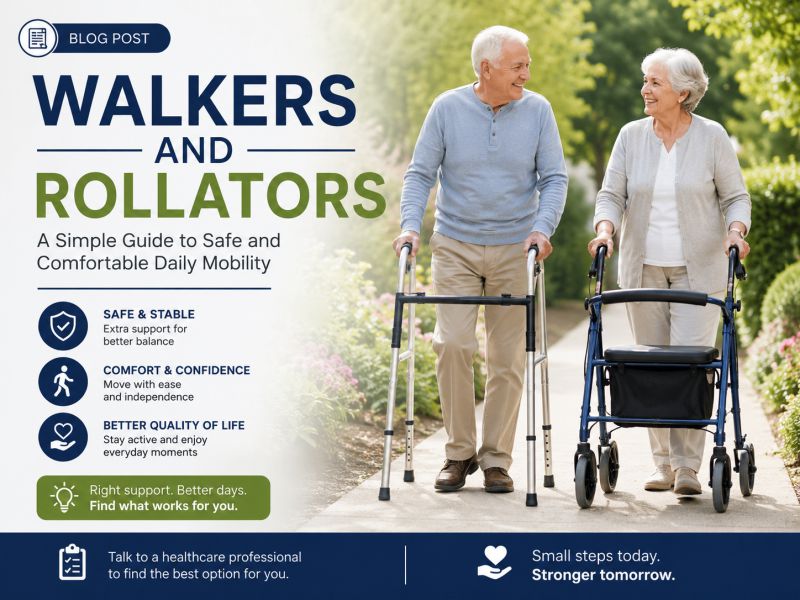
A walker usually has a lightweight metal frame with four legs and no wheels, or sometimes two front wheels. It provides stable support and is often used by seniors or people recovering from surgery.
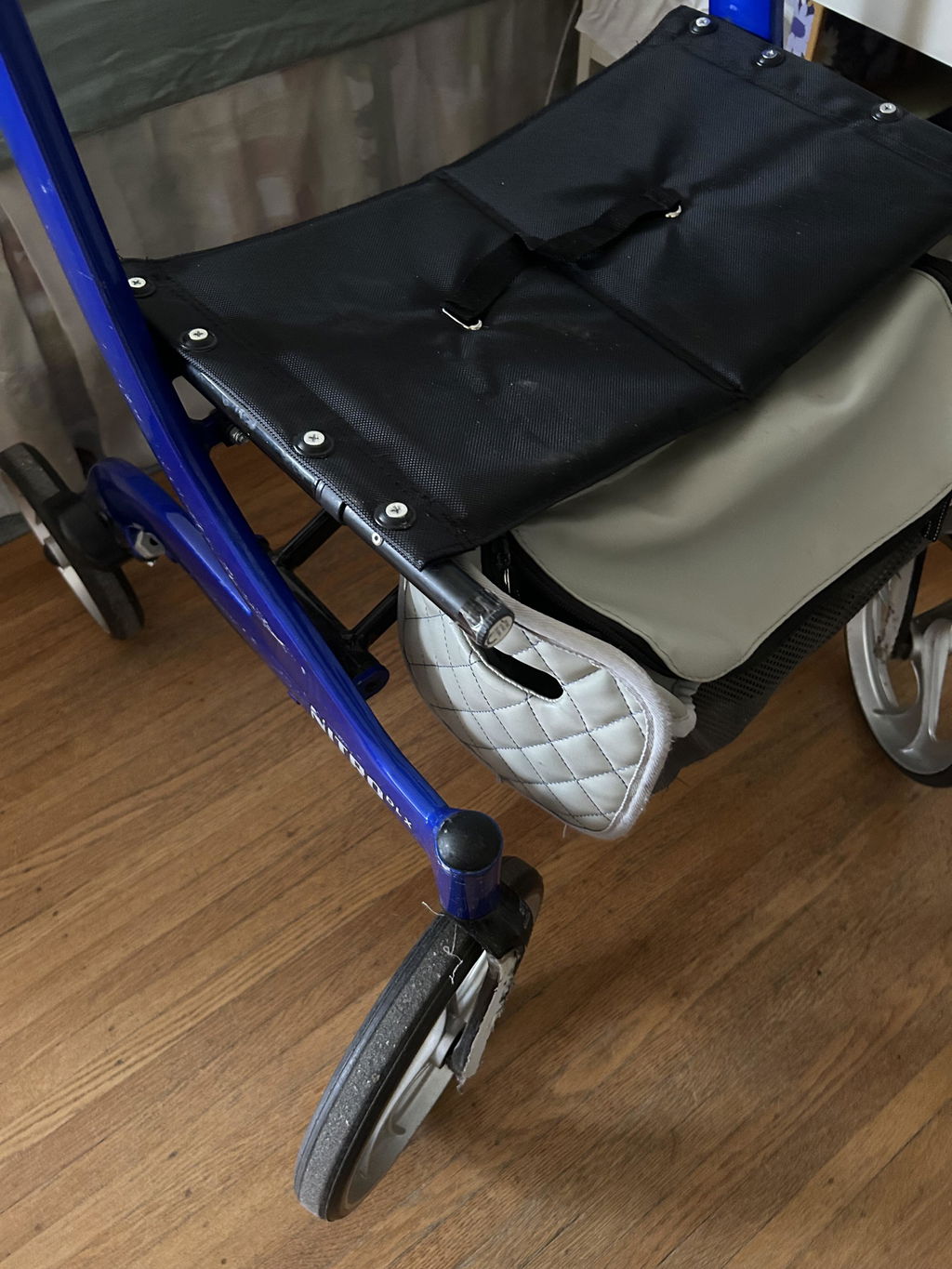
A rollator is similar, but it comes with wheels on all four legs, hand brakes, and often a built-in seat. This makes it easier to move without lifting the frame.
Both options are designed to improve balance and reduce the risk of falls.
Difference Between Rollators and Walkers
Understanding the difference between rollators and walkers helps in choosing the right one.
Walker
A walker is best for users who need maximum support.
Features include:
-
Strong frame
-
Stable design
-
Lightweight structure
-
Easy indoor use
-
Good for recovery support
Walkers often need to be lifted slightly while moving.
Rollator
A rollator is better for users who can walk but need balance support.
Features include:
-
Four wheels
-
Hand brakes
-
Comfortable seat
-
Storage pouch or basket
-
Smooth movement
Because it rolls easily, it is ideal for longer distances.
Benefits of Walkers and Rollators
There are many reasons why people choose walkers and rollators.
Better Stability
They help users stay balanced while walking, especially on smooth floors or outdoor paths.
More Independence
Users can move around without needing help from family members.
Reduced Risk of Falls
One of the biggest benefits is improved safety.
Comfortable Daily Use
Rollators especially offer a seat for resting during longer walks.
Suitable for Recovery
They are commonly used after surgery, injury, or during physical therapy.
Who Should Use Rollators and Walkers?
Rollators and walkers are ideal for many different users.
They are commonly used by:
-
Seniors
-
People recovering from surgery
-
Users with weak legs
-
People with balance issues
-
Individuals with temporary injuries
They are also helpful for anyone who feels unsteady while walking.
Best Uses at Home
A walker or rollator is very useful inside the home.
Common uses include:
-
Moving between rooms
-
Going to the bathroom safely
-
Walking in the kitchen
-
Bedroom support
-
Indoor daily activities
Many people use walkers for better support in narrow indoor spaces.
Outdoor Use Benefits
Rollators and walkers can also be used outdoors.
Rollators are especially useful for:
-
Park walks
-
Shopping trips
-
Doctor visits
-
Community walks
-
Travel use
The wheels make movement smoother on sidewalks and paved roads.
Why Rollators Are Popular
Many people prefer rollators and walkers, especially rollators, because of their extra features.
Built-in Seat
One of the biggest advantages is the seat. Users can stop and rest anytime.
Storage Basket
Many rollators come with a basket or pouch for carrying essentials.
Easy Steering
The wheels help with smooth turning and easy movement.
Brakes for Safety
Hand brakes offer extra control and safety.
How to Choose Between Walkers and Rollators
The right choice depends on the user’s needs.
Choose a Walker If:
-
You need stronger support
-
Balance is a major concern
-
You are recovering from surgery
-
Indoor use is the main need
Choose a Rollator If:
-
You can walk independently
-
You need help with balance
-
You walk outdoors often
-
You want a built-in seat
Important Features to Look For
When buying rollators and walkers, check these features.
Adjustable Height
The handles should be adjustable for comfort.
Strong Frame
Choose a sturdy and durable frame.
Comfortable Grip
Soft handles improve comfort.
Foldable Design
A folding frame makes storage easier.
Weight Capacity
Always check the supported weight limit.
Safety Tips for Using Walkers and Rollators
To use walkers and rollators safely, follow these tips.
-
Keep the frame on a flat surface.
-
Use brakes before sitting on a rollator.
-
Move slowly on uneven paths.
-
Check wheel condition regularly.
-
Adjust the handle height properly.
These simple steps help improve daily safety.
Benefits for Seniors
For seniors, rollators and walkers provide confidence and independence.
They help with:
-
Safe walking
-
Better posture
-
Reduced body strain
-
Lower fall risk
-
Improved daily movement
This allows users to stay active and continue everyday life more comfortably.
Why They Improve Quality of Life
The biggest advantage of walkers and rollators is freedom.
Users can continue daily routines such as:
-
Morning walks
-
Household tasks
-
Social visits
-
Shopping
-
Medical appointments
This improves both physical comfort and emotional confidence.
Final Thoughts
Walkers and rollators are essential mobility aids that help users move safely and comfortably. Whether you need extra support during recovery or a reliable aid for everyday walking, rollators and walkers are practical solutions.
With features like strong support, smooth wheels, adjustable handles, and comfortable seating, they help users stay independ