Medical Disclaimer: This article is for informational purposes only and does not constitute medical advice. Before starting any new exercise program, please consult with your physician or physical therapist — especially if you have heart disease, joint replacements, osteoporosis, or balance issues. Your healthcare provider can recommend the best exercise approach for your individual health needs.
Best Exercise Bikes for Seniors 2026: Your Complete Guide to Safe Indoor Cycling
Margaret's Return to Movement
At 71, Margaret had always prided herself on staying active — garden walks, ballroom dancing, Sunday hikes with her grandchildren. But after her knee replacement surgery two years ago, even a short walk around the block left her in pain. Her orthopedic surgeon had cleared her for low-impact exercise, but traditional gym equipment felt intimidating, and outdoor cycling was out of the question on Minnesota winters.
"My daughter found a recumbent exercise bike and set it up in my living room," Margaret recalled. "Within three weeks, I was cycling 20 minutes a day. Within three months, I was back to hiking with the grandkids."
Margaret's story reflects an experience shared by millions of older adults who discover that the right exercise bike can be genuinely life-changing — returning independence, rebuilding strength, and restoring the joy of movement. This guide will help you find the right bike for your unique situation.
Why Exercise Bikes Are Ideal for Seniors
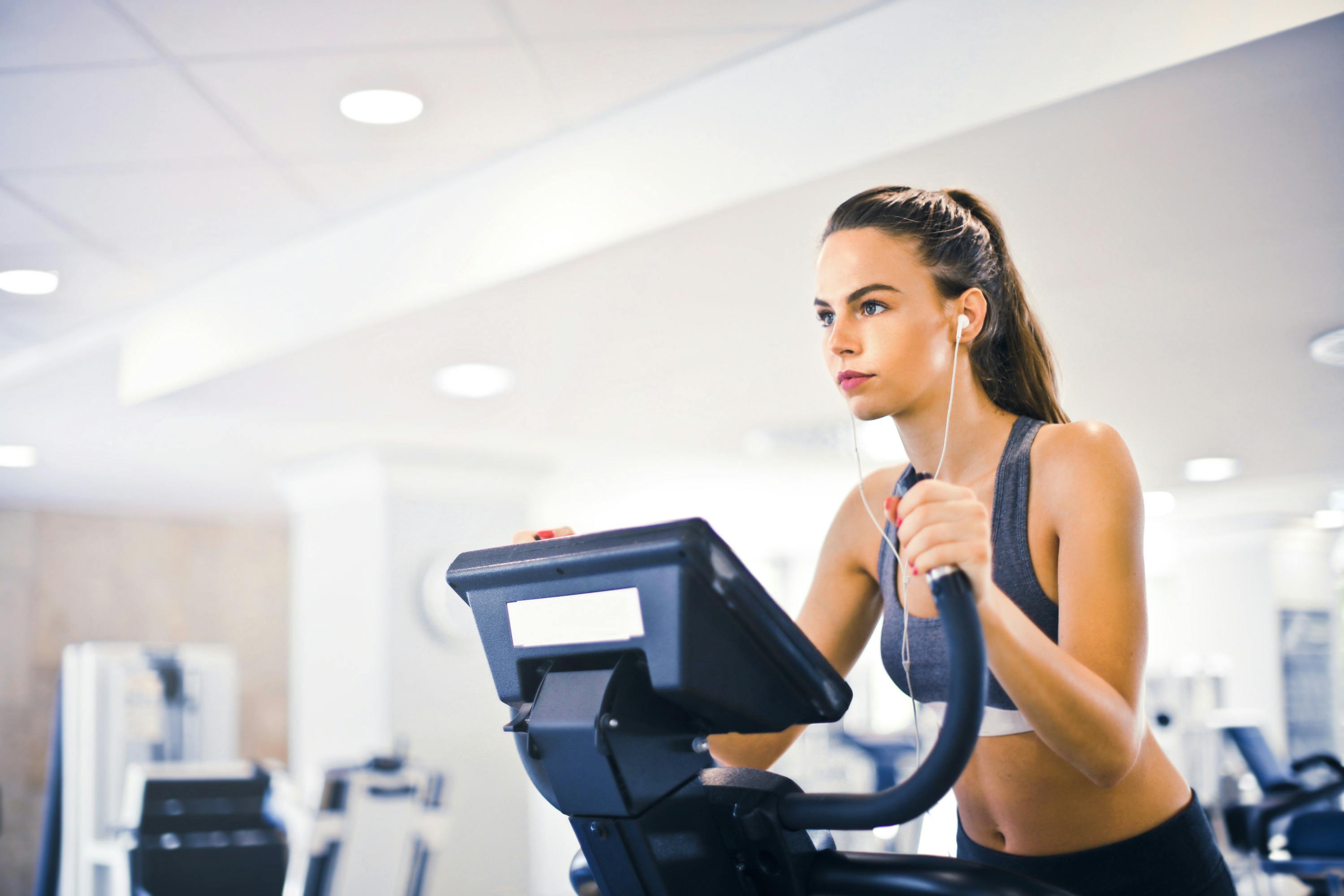
Exercise bikes offer a combination of benefits that make them particularly well-suited for older adults:
- Zero-impact cardio: Unlike running or even brisk walking, cycling places no jarring impact on knees, hips, and ankles — making it ideal after joint replacement surgery or for arthritis sufferers.
- Seated stability: You pedal seated, eliminating the fall risk associated with outdoor cycling or treadmill walking.
- Adjustable intensity: Resistance levels let you start gentle and progress gradually at your own pace.
- Indoor convenience: No weather worries, traffic hazards, or uneven terrain. You can exercise regardless of season or time of day.
- Cardiovascular health: Regular cycling strengthens your heart, lowers blood pressure, and improves circulation — all critical for senior health.
- Muscle maintenance: Cycling engages quads, hamstrings, calves, and glutes, helping maintain the muscle mass that naturally declines with age.
Studies consistently show that regular moderate exercise extends healthy life expectancy and reduces the risk of falls, cognitive decline, and chronic disease. An exercise bike makes it easier than ever to get those benefits safely at home.
Types of Exercise Bikes for Seniors
There are three main types of exercise bikes, each with distinct advantages for older adults:
Recumbent Exercise Bikes
Recumbent bikes have a wide, chair-like seat with a backrest, and the pedals are positioned in front of you rather than beneath you. This design is often the best choice for seniors because:
- The backrest provides lumbar support, reducing strain on the lower back
- The seated position is more stable and easier to get on and off
- The reclined angle reduces pressure on the hips and tailbone
- The pedal position is gentler on arthritic knees
- Heart rate monitors are often built into the handgrips
Recumbent bikes are especially recommended for seniors with chronic back pain, hip replacements, balance challenges, or severe arthritis.
Upright Exercise Bikes
Upright bikes resemble traditional bicycles, with the seat above the pedals and handlebars in front. Advantages for seniors include:
- More closely mimics the feel of outdoor cycling
- Engages the core muscles more actively than recumbent bikes
- Often more compact — better for smaller living spaces
- Generally more affordable than recumbent models
Upright bikes are a good choice for seniors who are in relatively good health, have no significant joint issues, and want a more traditional cycling experience.
Stationary Spin Bikes
Spin bikes are the most intense option, designed for vigorous workouts. They're generally not recommended for most seniors due to the aggressive riding position, high resistance requirements, and lack of back support. However, fit, active seniors with no joint issues who want intense interval training may find them effective under medical supervision.
Comparing Exercise Bike Types for Seniors
| Feature | Recumbent | Upright | Spin |
|---|---|---|---|
| Back Support | ✅ Full backrest | ❌ None | ❌ None |
| Ease of Getting On/Off | ✅ Very easy (step-through) | ⚠️ Moderate | ⚠️ Moderate |
| Joint Impact | ✅ Lowest | ✅ Low | ⚠️ Moderate-High |
| Core Engagement | ⚠️ Minimal | ✅ Moderate | ✅ High |
| Space Required | ⚠️ More (larger footprint) | ✅ Less | ✅ Least |
| Best For | Arthritis, back pain, joint replacements | Active seniors, general fitness | Fit seniors wanting intensity |
| Typical Price Range | $300–$1,500+ | $150–$800 | $200–$2,000 |
Key Features to Look for in a Senior Exercise Bike
Step-Through Frame Design
The single most important safety feature for older adults. A step-through (or low step-over) design means there's a gap in the frame that lets you simply step onto the seat without swinging a leg up over the seat or frame. This dramatically reduces fall risk when mounting and dismounting — especially important after hip replacement or with limited flexibility.
Seat Comfort and Adjustability
A wide, padded seat with height and depth adjustment accommodates different body types and ensures proper leg extension (slight bend at the knee at the bottom of the pedal stroke). Look for a seat with gel cushioning or memory foam padding for extended comfort. Recumbent bikes offer the most comfortable seating of all types.
Easy-to-Read Display Console
Large digital displays with high contrast are essential for seniors with vision changes. Look for displays showing speed, time, distance, calories, and heart rate with font sizes you can read without glasses. Backlit displays are ideal for low-light rooms.
Built-In Heart Rate Monitoring
Grip heart rate sensors on the handlebars let you monitor your exertion in real time without a separate device. This is especially valuable for seniors managing blood pressure or heart conditions who need to stay within target heart rate zones.
Smooth Magnetic Resistance
Magnetic resistance mechanisms provide smooth, quiet pedaling without the mechanical wear of friction-based resistance. They also allow fine-tuned adjustments — critical for gradually increasing workout intensity as fitness improves.
Stability and Weight Capacity
Look for bikes with a wide, stable base and rubberized feet that won't slip on hard floors. Weight capacity should comfortably exceed your body weight. Many quality senior bikes support 250–350 lbs.
Storage Pockets and Cup Holders
Small conveniences that matter: a place for your water bottle, phone, or reading material makes longer sessions more enjoyable and sustainable.
The Health Benefits of Regular Cycling for Seniors
Cardiovascular Health
Even moderate cycling — 20 to 30 minutes three times per week — meaningfully improves cardiovascular health. Regular cardio exercise lowers resting blood pressure, improves cholesterol profiles, strengthens the heart muscle, and reduces the risk of stroke and heart attack. For seniors managing hypertension or pre-diabetes, consistent aerobic activity can reduce the need for medication over time (always discuss with your doctor before changing any medication).
Joint Health and Arthritis Management
It might seem counterintuitive, but gentle cycling is one of the best activities for arthritic joints. The repetitive motion lubricates the joint cartilage, reduces stiffness, and strengthens the surrounding muscles — which takes pressure off the joint itself. Many people with knee osteoarthritis report significant pain reduction after 6–8 weeks of regular cycling.
Balance and Fall Prevention
While cycling itself doesn't directly improve balance, the lower body strength it builds — particularly in the quads and hamstrings — directly supports stability when walking and standing. Stronger legs mean better recovery when you lose balance, significantly reducing fall risk.
Mental Health and Cognitive Function
Physical exercise raises levels of brain-derived neurotrophic factor (BDNF), a protein that supports the growth and maintenance of brain cells. Regular aerobic exercise is associated with reduced rates of depression, anxiety, and cognitive decline in older adults. Many seniors report that a morning cycling session improves their mood and mental clarity for the entire day.
Weight Management and Metabolic Health
Cycling burns calories efficiently — typically 200–400 calories per 30-minute session depending on intensity. Combined with a sensible diet, regular cycling helps maintain a healthy weight, which reduces stress on joints and lowers the risk of type 2 diabetes.
Safe Cycling Practices for Seniors
Before You Start
Always get medical clearance from your physician before beginning a new exercise program. Share your planned exercise routine (type, duration, intensity) with your doctor so they can assess appropriateness given your health history.
Proper Bike Setup
Correct setup prevents strain and injury. When seated on an upright bike with a pedal at its lowest point, your knee should have a slight bend (15–20 degrees), not be fully extended or deeply bent. On a recumbent bike, adjust the seat so your legs can fully extend at the bottom of the stroke without locking the knee.
The Right Heart Rate Zone
A simple guideline: aim for 50–70% of your maximum heart rate for moderate activity. A rough estimate of maximum heart rate is 220 minus your age. So a 70-year-old's maximum is roughly 150 bpm; 50–70% of that is 75–105 bpm. Your doctor may specify a different target based on your cardiovascular health.
Build Up Gradually
Start with just 10–15 minutes at low resistance and increase by 5 minutes per week as fitness improves. There is no rush. Sustainable progress matters far more than fast gains.
Warm Up and Cool Down
Begin each session at very low resistance for 3–5 minutes to warm the joints and gradually elevate heart rate. End with 3–5 minutes of gentle pedaling to cool down before stopping. This prevents dizziness and reduces muscle soreness.
Stay Hydrated
Keep water nearby and sip throughout your session. Seniors are more susceptible to dehydration, and even mild dehydration impairs cardiovascular function and increases fatigue.
Warning Signs to Stop
Stop cycling immediately and seek medical attention if you experience chest pain or pressure, severe shortness of breath, dizziness or lightheadedness, heart palpitations, sudden intense headache, or numbness in arms or hands. These may indicate serious conditions requiring immediate evaluation.
Exercise Bike Workout Plans for Seniors
Beginner Plan (Weeks 1–4)
Goals: Build the habit, warm up the joints, establish a baseline.
Frequency: 3 days per week with rest days between.
Duration: 10–15 minutes per session.
Resistance: Level 1–2 (very light).
Heart rate target: 50–60% maximum.
Intermediate Plan (Weeks 5–12)
Goals: Build cardiovascular endurance and leg strength.
Frequency: 4–5 days per week.
Duration: 20–30 minutes per session.
Resistance: Level 2–4 (light to moderate).
Include gentle intervals: 2 minutes slightly faster, then 1 minute rest pace, repeat 3–4 times.
Maintenance Plan (Week 13+)
Goals: Maintain fitness, continue progressive challenge.
Frequency: 5 days per week.
Duration: 30–45 minutes per session.
Resistance: Vary levels 3–6 based on how you feel.
Consider mixing in other activities: walking, stretching, resistance bands.
Pairing Your Exercise Bike with Other Recovery Tools
Exercise bikes work best as part of a broader wellness routine. Consider pairing your cycling sessions with:
- Resistance bands: For upper body strength training on non-cycling days. AllCare Store carries a full range of exercise and physical therapy equipment to complement your indoor cycling routine.
- Ice and heat therapy: If joints feel sore after cycling, cold packs reduce inflammation while heat before exercise improves joint mobility. Check our physical therapy recovery products for options.
- Compression socks: Wearing mild compression socks during cycling can improve circulation, especially for seniors with varicose veins or leg swelling.
- Stretching: Gentle leg and hip stretches after each cycling session reduce soreness and improve flexibility over time.
AllCare Store Exercise and Physical Therapy Products
At AllCare Store, we carry a carefully curated selection of exercise and physical therapy equipment designed to support seniors at every fitness level. Our product experts have selected items based on quality, safety, and value — so you can shop with confidence.
Our collection includes therapeutic tools that complement your exercise bike routine, from resistance bands and balance trainers to ice packs and joint support braces. Whatever your fitness goals, we have the products to help you get there safely.
AllCare Store Benefits
- Free Shipping: We ship all orders at no charge, so you can equip your home gym without worrying about delivery costs.
- Discreet Packaging: Every order arrives in plain, unmarked packaging that protects your privacy.
- 30-Day Returns: If any product doesn't meet your needs, our 30-day return policy ensures your complete satisfaction.
Take the First Step Toward Better Health
Like Margaret, you may be surprised by how quickly regular cycling transforms your daily life — more energy, less pain, greater confidence in your movement. The key is choosing the right bike for your needs and starting gently.
Explore our exercise and physical therapy collection today and find the tools to support your fitness journey. Questions? Call our knowledgeable team at 1-888-889-6260 — we're here to help you find the best options for your specific situation and health goals.
Your body is worth investing in. Start your journey to better senior fitness with AllCare Store today.
Frequently Asked Questions About Exercise Bikes for Seniors
Is a recumbent or upright bike better for seniors?
For most seniors — especially those with back pain, hip or knee issues, or balance concerns — a recumbent bike is the better choice. The full backrest, step-through design, and forward pedal position are significantly easier on the joints and dramatically reduce fall risk. Upright bikes are a solid option for active seniors without significant joint problems who want a more traditional cycling experience.
How long should a senior exercise on a stationary bike?
Beginners should start with just 10–15 minutes at low resistance, 3 days per week. Gradually increase by 5 minutes every 1–2 weeks. A long-term goal of 30 minutes, 5 days per week meets the American Heart Association's guidelines for moderate aerobic activity for seniors. Always listen to your body and reduce duration or intensity if you experience fatigue, joint pain, or shortness of breath.
Can I use an exercise bike after knee or hip replacement?
Yes — in fact, gentle cycling is often recommended as part of post-surgical rehabilitation for knee and hip replacement patients. The low-impact, controlled motion strengthens surrounding muscles without stressing the new joint. However, you must get explicit clearance from your surgeon and physical therapist before starting, as the timing and appropriate resistance levels depend on your individual recovery progress.
Are exercise bikes good for seniors with arthritis?
Exercise bikes are among the best tools for seniors with arthritis. The smooth, circular motion lubricates joint cartilage, reduces morning stiffness, and strengthens the muscles around arthritic joints — which relieves pressure on the joint itself. Many people with knee or hip osteoarthritis experience significant pain reduction after several weeks of regular cycling. A recumbent bike is generally more comfortable for arthritic hips and knees.
What resistance level should seniors start with on an exercise bike?
Most seniors should start at resistance level 1 or 2 — the absolute lightest setting. The goal in the first few weeks is to establish the habit and warm up the joints, not to push yourself. If you can hold a full conversation while cycling without losing breath, your resistance level is appropriate for a beginner session. Increase resistance only after you can comfortably complete your full session duration without fatigue.
Do I need a doctor's permission to start exercising on a stationary bike?
Anyone with a heart condition, recent surgery, uncontrolled blood pressure, diabetes, or other significant health condition should consult their physician before starting any new exercise program. For generally healthy seniors without major health concerns, gentle cycling is safe to begin at low intensity. When in doubt, a quick phone call to your doctor's office to describe your planned routine is always worthwhile — and most physicians will enthusiastically support gentle indoor cycling for senior patients.