This article is for informational purposes only and does not constitute medical advice. Always consult your healthcare provider or certified diabetes educator before making changes to your diabetes management plan, including changing your glucose monitoring method.
Margaret was 64 years old when her doctor delivered the news she had feared for years: Type 2 diabetes. She sat in the car after her appointment, prescription in hand, feeling completely overwhelmed. "How will I know if my blood sugar is okay?" she asked herself. "What if I pick the wrong meter and get bad readings? What if I can't figure out how to use it?"
Her daughter drove her straight to the pharmacy, where they stood paralyzed in the glucometer aisle, staring at a wall of options — different brands, different prices, different features, none of them with any obvious explanation of what made one better than another. They left without buying anything. Margaret spent the next two weeks guessing and worrying.
She's not alone. For the 38 million Americans living with diabetes, choosing a glucose meter can feel impossibly confusing. The stakes feel high because, in many ways, they are. Inaccurate readings can lead to dangerous decisions. Hard-to-use devices get abandoned. The wrong meter can undermine an otherwise solid diabetes management plan.
This guide is for Margaret — and for everyone who has stood in that aisle, staring at the wall, not knowing where to start. We'll break down everything you need to know about glucose meters in 2026, explain the differences between types, and help you find the right device for your needs and lifestyle. And when you're ready to order, AllCare Store has everything you need, shipped discreetly to your door with free shipping available.
Why Accurate Blood Sugar Monitoring Matters
Blood glucose monitoring is the cornerstone of diabetes self-management. Whether you have Type 1, Type 2, or gestational diabetes, knowing your blood sugar levels helps you:
- Understand how food, exercise, stress, and illness affect your numbers
- Make informed decisions about medications and insulin doses
- Catch dangerous highs (hyperglycemia) and lows (hypoglycemia) before they become emergencies
- Share accurate data with your healthcare team for better treatment decisions
- Stay motivated and in control of your health
The American Diabetes Association recommends that people with diabetes test their blood glucose regularly — the frequency depends on your treatment plan and medication type. Your doctor or diabetes educator will give you specific guidance, but having a reliable, easy-to-use meter is non-negotiable.
Types of Glucose Monitoring Devices in 2026
Traditional Blood Glucose Meters (BGMs)
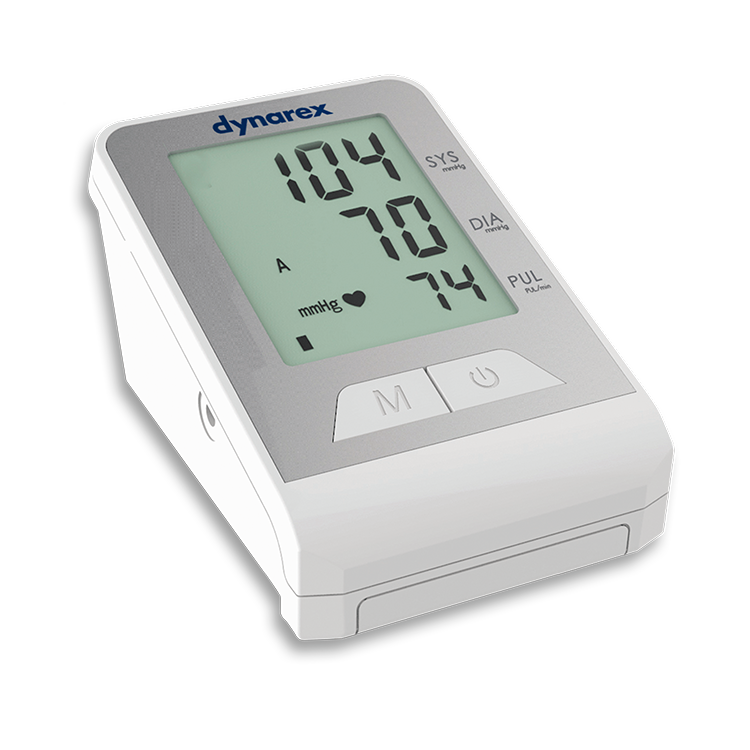
Traditional glucose meters use a small drop of blood — usually from a fingertip — applied to a test strip. The meter reads the strip and displays your blood glucose level in seconds. These meters are affordable, accurate, and widely available. They remain the most common choice for millions of diabetics worldwide.
Best for: Most people with Type 2 diabetes, those on a budget, people who test 1-4 times daily.
Continuous Glucose Monitors (CGMs)
CGMs use a small sensor inserted under the skin to continuously measure glucose in the interstitial fluid (the fluid surrounding your cells). They provide readings every few minutes — and many send alerts to your smartphone when levels go too high or too low.
Best for: Type 1 diabetics, insulin-dependent Type 2 diabetics, those who need real-time trend data, people prone to hypoglycemia unawareness.
Note: CGMs require a prescription and are significantly more expensive than traditional meters, though many insurance plans now cover them. For affordable traditional glucose meters and testing supplies, visit AllCare Store's Monitors, Meters & Tests collection.
Non-Invasive Glucose Monitors
Wearable devices that measure blood glucose without any skin penetration are in development, but as of 2026, none have received FDA clearance for standalone clinical use. Research continues in this space — watch for updates.
What to Look for in a Glucose Meter: 7 Key Factors
1. Accuracy
FDA standards require that at least 95% of glucose meter readings fall within 15% of the actual blood glucose value. But "meeting standards" isn't the same as "best in class." Look for meters with strong clinical study backing and user reviews confirming consistency.
Key takeaway: Always check that your test strips are compatible, not expired, and stored properly — even a great meter gives bad readings with degraded strips.
2. Ease of Use
Consider how easy the device is to set up, calibrate, and use on a daily basis. For older adults or those with limited dexterity, features like large buttons, large test strip slots, and clear displays are essential.
3. No-Coding Required
Older meters required users to manually enter a code from each new box of strips — a process that, when skipped or done incorrectly, led to significant measurement errors. Modern meters like the Prodigy Blood Glucose Meter by Prodigy Diabetes Care are code-free, eliminating this common source of error. No coding = one less thing to worry about.
4. Sample Size
Meters vary in how much blood they require. Smaller sample sizes (0.3-0.5 microliters) mean less pain from finger sticks. This is especially important if you test frequently.
5. Test Strip Cost and Availability
The meter itself is often inexpensive or even free — it's the test strips that add up. A diabetic who tests 4 times a day uses about 120 strips per month. Research strip costs before committing to a meter brand. Strips are often the biggest ongoing expense in diabetes management.
Find affordable glucose test strips and diabetic testing supplies at AllCare Store.
6. Memory and Data Management
Most meters store 100-1000 readings internally. Some connect to smartphone apps via Bluetooth, creating detailed logs that you can share with your doctor. If data tracking matters to you, look for connectivity features.
7. Special Features for Specific Needs
- Talking meters: Audible readouts for people with visual impairments (the Prodigy AutoCode is a notable example)
- Backlit displays: Essential for nighttime testing
- Large display screens: Important for anyone with visual difficulties
- Ketone testing: Some meters test for ketones in addition to glucose (important for Type 1 diabetics and those on ketogenic diets)
- Alternate site testing: Some meters allow testing from the forearm or palm, not just fingertip
Spotlight: Prodigy Blood Glucose Meter — No Coding Required
One of the standout options available at AllCare Store is the Prodigy Blood Glucose Meter by Prodigy Diabetes Care. Here's why it's earned a strong reputation among people managing diabetes at home:
- No-coding technology: Automatically reads test strip calibration — no manual code entry needed. This eliminates one of the most common user errors with glucose meters.
- Small blood sample: Requires only 0.6 µL of blood — less finger prick pain.
- Fast results: Provides readings in just 7 seconds.
- Large memory: Stores up to 450 test results with date and time stamps.
- Automatic averaging: Calculates 7, 14, and 30-day averages automatically — great for tracking trends.
- Easy to use: Intuitive design that works well for both newly diagnosed diabetics and experienced users.
- Affordable: Competitively priced, with strips available through AllCare Store.
Whether you're newly diagnosed or switching from another brand, the Prodigy is a solid, reliable choice. Shop it at AllCare Store.
Glucose Meter Comparison: Key Features at a Glance
| Feature | Entry-Level Meters | Mid-Range Meters | Premium/Smart Meters |
|---|---|---|---|
| No-coding required | Sometimes | Usually | Always |
| Test time | 10-15 seconds | 5-10 seconds | 5 seconds |
| Blood sample size | 1.0-2.0 µL | 0.5-1.0 µL | 0.3-0.5 µL |
| Memory storage | 100-300 readings | 300-500 readings | 500-1000+ readings |
| Bluetooth/App connectivity | No | Sometimes | Yes |
| Backlit display | Rarely | Often | Always |
| Talking/Audio feature | No | Select models | Select models |
| Average cost (meter only) | Free - $25 | $20 - $50 | $30 - $75 |
Understanding Your Blood Sugar Numbers
Before we go further, let's clarify what your glucose meter is actually measuring, and what the numbers mean.
Blood Glucose Ranges (General Guidelines — Always Follow Your Doctor's Specific Targets)
| Reading Type | Normal Range | Diabetic Target (typical) |
|---|---|---|
| Fasting (before meals) | 70–99 mg/dL | 80–130 mg/dL |
| 2 hours after meals | Less than 140 mg/dL | Less than 180 mg/dL |
| Bedtime | 100–140 mg/dL | 90–150 mg/dL (varies) |
| A1C equivalent (avg 3 months) | Below 5.7% | Below 7% (ADA guideline) |
Important: These are general guidelines. Your personal targets may differ based on your age, medications, other conditions, and your doctor's recommendations. Always follow your healthcare team's specific guidance.
How to Use a Glucose Meter Correctly
Even the best meter gives inaccurate readings if used incorrectly. Here's a step-by-step guide to ensure accurate results every time:
Before You Test
- Wash your hands with warm water and dry thoroughly. Do not use alcohol wipes on your fingers — residue can affect results.
- Check your test strip expiration date. Expired strips can give falsely low or high readings.
- Check that strips are stored correctly — most require storage between 59°F and 86°F, away from light and moisture.
- Check your meter's battery level. A low battery can cause errors.
During the Test
- Insert a fresh test strip into your meter.
- Use your lancing device to prick the side of your fingertip (less painful than the center).
- Gently squeeze to get a small drop of blood — don't squeeze hard, as this can dilute the sample.
- Touch the edge of the strip to the blood drop and let it absorb.
- Wait for the result to appear (usually 5-15 seconds).
After the Test
- Record your result with time and meal context (before eating, after eating, etc.).
- Apply gentle pressure to the finger stick site.
- Dispose of the used lancet and strip safely in a sharps container.
Essential Accessories for Glucose Monitoring
A complete blood sugar monitoring kit includes more than just the meter. Here's what you need for a seamless daily routine:
Test Strips
Test strips are meter-specific — you must use strips designed for your exact meter model. Shop a variety of glucose test strips and monitoring accessories at AllCare Store.
Lancets and Lancing Devices
Lancets are the small needles used to prick your finger. They come in different gauges — the higher the gauge number, the thinner and generally less painful the lancet. Most people prefer 30-33 gauge for daily fingertip testing. Replace your lancet with every use for minimal pain and reduced infection risk.
Control Solution
Control solution allows you to test the accuracy of your meter and strips without using actual blood. Use it when you open a new box of strips, drop your meter, or get an unexpectedly high or low reading.
Carrying Case
Most meters come with a carrying case. If yours doesn't, invest in a quality case to protect your meter and keep strips, lancets, and logbook organized — especially if you test at work or on the go.
Logbook or App
Tracking your readings over time reveals patterns that help you and your doctor fine-tune your diabetes management. Many meters include simple logbooks; others connect to comprehensive diabetes management apps.
Tips for Testing Less Painfully
One of the biggest barriers to consistent glucose monitoring is discomfort. Here are evidence-based strategies to minimize pain:
- Use the sides of your fingertips, not the center (fewer nerve endings on the sides).
- Rotate testing sites. Repeatedly testing the same finger causes soreness and calluses. Cycle through all 10 fingers.
- Warm your hands first. Good circulation means you need less pressure to get a blood drop. Rub your hands together or hold them under warm water.
- Use the smallest blood sample size meter available. Less blood needed = shallower prick.
- Use a fresh lancet every time. Used lancets become dull and cause more pain and tissue damage.
- Adjust your lancing device depth. Start at a shallower depth and increase only if needed.
Common Glucose Meter Mistakes (And How to Avoid Them)
Mistake 1: Using Expired Test Strips
Expired strips are one of the most common causes of inaccurate readings. Always check the expiration date, and never buy more strips than you can use before they expire.
Mistake 2: Not Washing Hands Before Testing
Even a tiny amount of food residue on your finger can significantly elevate your reading. A patient who ate an orange and didn't wash their hands might see a reading 50 mg/dL higher than their actual level. Always wash and dry thoroughly before testing.
Mistake 3: Squeezing the Finger Too Hard
Aggressive squeezing dilutes the blood sample with tissue fluid, leading to falsely low readings. A gentle squeeze or even just letting gravity do the work is ideal.
Mistake 4: Leaving the Strip Exposed Too Long
Test strips are sensitive to air exposure. Use them promptly after removing from the vial, and always replace the cap immediately to protect remaining strips.
Mistake 5: Ignoring Error Messages
If your meter shows an error code, look it up in your user manual and address it before continuing. Common errors involve insufficient blood sample, damaged strips, or extreme temperatures.
Diabetes Management Beyond the Meter
AllCare Store is your one-stop shop for diabetes management supplies and everyday health products. In addition to blood glucose meters and test strips, we carry personal care products and expert health guides to support every aspect of your wellness journey.
Accurate blood sugar monitoring is essential, but it's one component of a comprehensive diabetes management plan. Your healthcare team may recommend:
- Healthy eating patterns (individualized to your diabetes type and goals)
- Regular physical activity (aim for 150 minutes/week of moderate aerobic activity, per ADA guidelines)
- Medications or insulin as prescribed
- Regular A1C testing (typically every 3-6 months)
- Regular foot exams, eye exams, and kidney function tests
- Stress management and adequate sleep
For monitoring supplies, vitamins, and wellness products that support your overall health, explore AllCare Store's full health and wellness catalog. We carry everything from blood glucose meters and test strips to vitamins and supplements that support metabolic health.
When to Call Your Doctor
Blood glucose monitoring helps you detect issues, but some readings require prompt medical attention. Contact your healthcare provider if you experience:
- Blood sugar consistently above 300 mg/dL
- Blood sugar below 70 mg/dL that doesn't improve after eating fast-acting carbohydrates
- Symptoms of hypoglycemia: shakiness, confusion, sweating, rapid heartbeat
- Symptoms of hyperglycemia: extreme thirst, frequent urination, fatigue, blurred vision
- Difficulty understanding or interpreting your readings
In an emergency, call 911 or go to your nearest emergency room.
Why Shop AllCare Store for Your Diabetes Supplies
At AllCare Store, we understand that managing diabetes is a daily commitment — and we're here to make it easier. Here's why thousands of diabetics trust us for their monitoring supplies:
- Free shipping on qualifying orders — no surprise fees at checkout
- Discreet packaging — your health choices are private
- 30-day returns on eligible products — shop with confidence
- Trusted brands — we carry proven products like the Prodigy Diabetes Care line
- Knowledgeable support team — call us at 1-888-889-6260 with any questions about products or compatibility
Shop our full Monitors, Meters & Tests collection to find everything you need for confident, accurate blood sugar management at home.
Frequently Asked Questions About Glucose Meters
Q: How often should I test my blood sugar?
A: This depends on your diabetes type, treatment plan, and your doctor's recommendations. People using insulin may need to test multiple times daily. Those managing Type 2 with diet and oral medications may test less frequently. Ask your healthcare team for your personalized testing schedule.
Q: Can I use any brand of test strips with my glucose meter?
A: No. Test strips are meter-specific. Using the wrong brand — even if they look similar — can produce inaccurate results. Always use strips designed for your specific meter model. Find compatible strips at AllCare Store.
Q: How do I know if my glucose meter is accurate?
A: Use the control solution that comes with your meter to verify accuracy when you open a new box of strips. You can also compare your meter reading with the blood draw result at your doctor's office — they should be within 15% of each other. If results are consistently different, replace your strips or contact the manufacturer.
Q: What is "no-coding" and why does it matter?
A: Older meters required users to manually enter a code from each new box of test strips. If this code was entered incorrectly — or skipped — it caused measurement errors. No-code meters like the Prodigy Blood Glucose Meter automatically read the strip calibration, eliminating this common error source.
Q: Are glucose meters covered by insurance?
A: Many insurance plans, including Medicare and Medicaid, cover glucose meters and test strips for people with diabetes. Coverage requirements vary — contact your insurance provider for details. Your doctor may need to write a prescription or letter of medical necessity.
Q: How do I dispose of used lancets and strips safely?
A: Used lancets are considered sharps waste and should be placed in a puncture-resistant sharps container — never in regular trash. When the container is full, check your local regulations for sharps disposal options (many pharmacies accept sharps containers). Used test strips can go in regular trash.
Q: What is the difference between a glucose meter and a CGM?
A: A traditional glucose meter requires you to manually draw blood and test it at specific moments. A CGM (Continuous Glucose Monitor) uses a small sensor under the skin to automatically measure glucose levels every few minutes, providing real-time data and trend arrows. CGMs are generally more expensive and require a prescription, but provide far more data for active insulin users.
Q: How do I store my glucose meter and test strips?
A: Store your meter and strips at room temperature (59°F–86°F), away from direct sunlight, heat, and moisture. Avoid leaving them in your car on hot or cold days. Always close the strip vial cap immediately after removing a strip.
Q: Can extreme temperatures affect my glucose meter reading?
A: Yes. Both very hot and very cold temperatures can affect meter accuracy and damage test strips. If your meter or strips have been exposed to extreme temperatures, let them return to room temperature for 30 minutes before testing, and use a control solution to verify accuracy.
Q: Where can I buy affordable glucose meters and test strips?
A: AllCare Store offers competitive pricing on diabetes monitoring supplies, including the Prodigy Blood Glucose Meter and a range of test strips. We offer free shipping on qualifying orders and a 30-day return policy. Call our team at 1-888-889-6260 for help finding the right products for your needs.
Final Thoughts: Finding Your Perfect Glucose Meter
Margaret eventually found her meter — and her confidence. Once she learned what to look for, the choice became much clearer. She went with a no-code meter with a large display and simple operation. Within a few weeks, she was testing consistently, understanding her patterns, and feeling genuinely in control of her health for the first time since her diagnosis.
"I wish someone had just explained it this way from the beginning," she told her daughter. "It's not as scary as I thought."
If you're in the same place Margaret was — overwhelmed, uncertain, not sure where to start — know that you're not alone. The right glucose meter is out there, and it's one of the most powerful tools you can have in your diabetes management toolkit.
Start with the Prodigy Blood Glucose Meter at AllCare Store — no coding required, fast results, and trusted by diabetics across the country. Or browse our full Monitors, Meters & Tests collection to find the right fit for your specific needs.
Have questions? Our team is here to help. Call us at 1-888-889-6260, and we'll be happy to help you find the right products for confident, comfortable diabetes management at home.
You've got this.
Medical Disclaimer: This article is for informational purposes only and does not constitute medical advice. Individuals at high risk for pressure injuries should consult a physician, occupational therapist, or certified rehabilitation engineer before selecting a wheelchair cushion.