For millions of older adults across the USA, staying mobile is not just about getting from one room to another. It is about keeping independence, confidence, and quality of life. A folding walker makes that possible without turning your home into a storage unit for bulky medical equipment. It gives you the solid support of a traditional walker, then folds flat in seconds so you can slide it beside the couch, tuck it in a closet, or lift it into the trunk of your car.
In this guide, we will explain what a folding walker is, who it is best for, the different types available, how to fit and use one safely, and what to look for before you buy. By the end, you will know exactly which walker matches your needs and lifestyle.
What Is a Folding Walker?
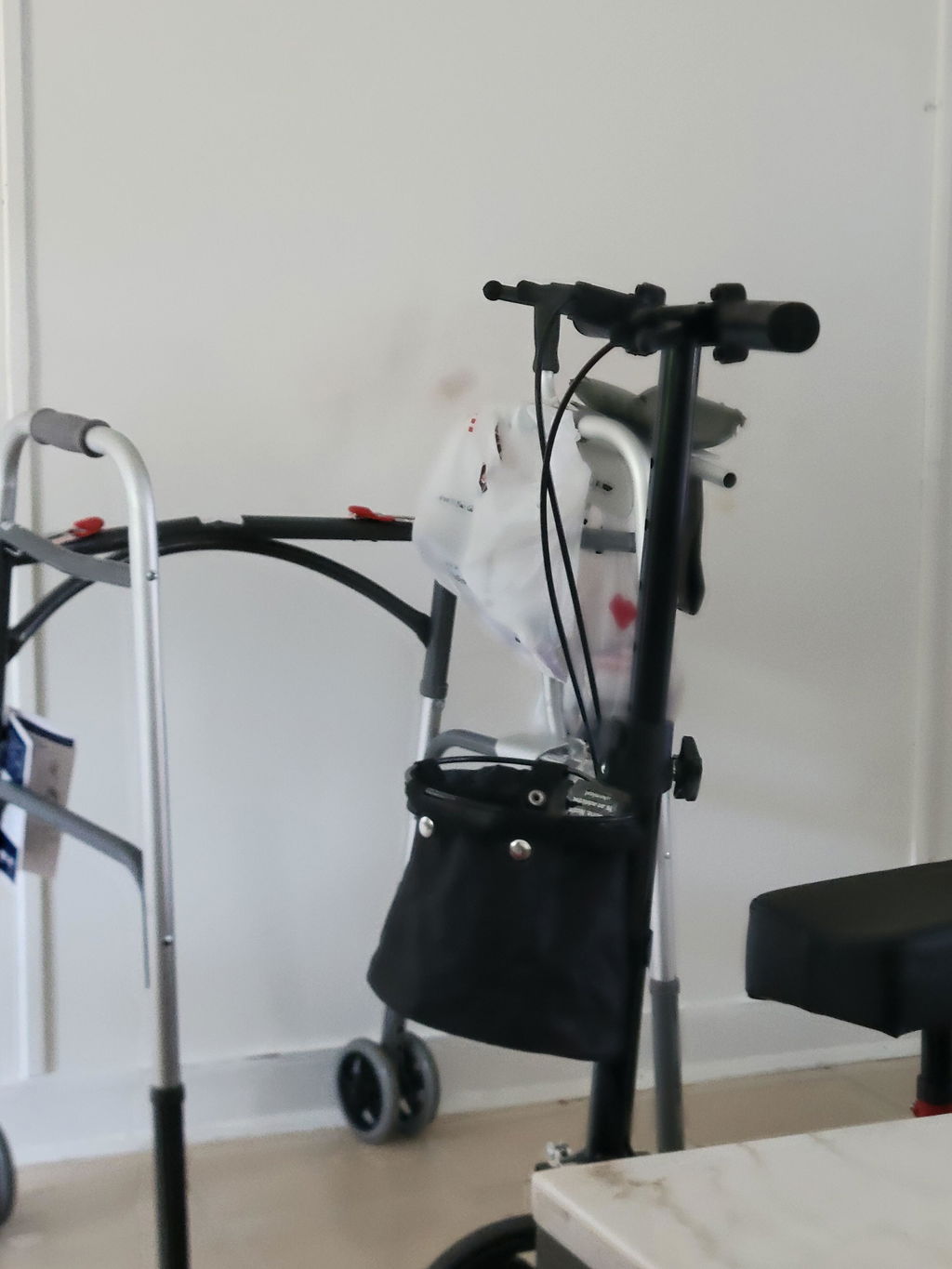
A folding walker is a lightweight mobility aid, usually made from aluminum, with four legs and a frame that collapses for easy storage and transport. Most models use a simple push button or lever mechanism that lets each side fold independently. This design is a game changer for anyone living in a smaller home, apartment, or assisted living space where every square foot counts.
Unlike a standard non folding walker, which stays rigid at all times, a folding walker is built for real life in America today. Doctor visits, family trips, grocery runs, church on Sunday, and flights to see the grandkids. Wherever you go, it goes with you.
Key Benefits of a Folding Walker
1. Reliable Stability and Fall Prevention
Falls are the leading cause of injury among adults 65 and older in the United States, according to the CDC. A folding walker provides a wide, stable base of support that helps you keep your balance on every step. Rubber tips or glide caps grip the floor, and the frame distributes your weight evenly so you feel steady, not shaky.
2. Compact Storage for Small Spaces
When folded, most walkers shrink to just a few inches wide. That means they fit behind a door, under a bed, in a hallway closet, or in the trunk of a sedan. If you live in an apartment or share a home with family, this compact footprint keeps your walking aid handy without cluttering the space.
3. Perfect for Travel
Folding walkers are the go to choice for active seniors. They fit easily in car trunks, are accepted on airlines as mobility devices, and can be carried by a caregiver without strain. If road trips or family visits are part of your routine, a foldable frame is a must-have feature.
4. Lightweight Yet Strong
Modern aluminum folding walkers typically weigh between 5 and 8 pounds while supporting 300 pounds or more. Bariatric models raise that capacity to 500 pounds and beyond. You get hospital grade strength in a frame light enough to lift with one hand.
5. Ideal for Post Surgery Recovery
After hip replacement, knee replacement, or foot surgery, doctors often recommend a walker to keep weight off the healing limb. A folding walker without wheels offers the most support during those early recovery weeks, and it stores away easily once you no longer need it every day.
6. Budget Friendly and FSA/HSA Eligible
Compared to rollators and power mobility devices, folding walkers are one of the most affordable mobility aids available. Many models in the USA are also FSA and HSA eligible, and Medicare Part B may cover a walker as durable medical equipment when prescribed by your doctor. Always confirm coverage details with your provider before purchase.
Types of Folding Walkers
Standard Folding Walker (No Wheels)
This is the most stable option. All four legs have rubber tips, and you lift the frame slightly with each step. It is the best choice when you need to keep weight off a leg or foot, or when maximum stability matters more than speed. The ProBasics Sure Lever Release Folding Walker is a great example, with a lever release system that lets you fold it without taking your hands off the handles. That is a huge help for users with arthritis or limited hand strength.
Two Wheel Folding Walker
Two front wheels with rear glide tips let you push the walker forward instead of lifting it. This reduces fatigue and works well for people with weaker upper body strength who still need solid support. It moves smoothly indoors on hardwood, tile, and carpet.
Folding Travel Walker
Designed for people on the move, travel walkers fold down to an ultra compact size that fits in tight car trunks and overhead compartments. The Elite Travel Walker combines a lightweight foldable frame with a basket and pouch for personal essentials, making it perfect for errands, appointments, and vacations.
Bariatric Folding Walker
Built with reinforced frames and wider dimensions, bariatric models support 500 to 650 pounds while still folding flat for storage. If you need heavy duty support, this category delivers safety without sacrificing convenience.
Folding Walker vs. Standard Walker: Which One Should You Pick?
Both give you a four legged base of support. The difference comes down to lifestyle:
Choose a folding walker if you travel, ride in cars often, live in a smaller space, want easy storage, or need a second walker for a different floor of your home. Many families in multi level houses keep a folding walker upstairs and another walking aid on the main floor, so no one ever carries a walker on the stairs.
Choose a standard rigid walker if the walker will stay in one place, you want the absolute simplest frame with no moving parts, or your therapist recommends a fixed frame for your specific condition.
For most American seniors and post surgery patients, the folding design wins because it fits the way people actually live, with cars, appointments, travel, and limited storage space.
How to Fit and Use a Folding Walker Safely
Set the right height. Stand upright with your arms relaxed at your sides. The walker handles should line up with the crease of your wrist. When you grip the handles, your elbows should bend about 15 to 20 degrees. Most folding walkers adjust from roughly 32 to 39 inches to fit users of different heights.
Walk with the correct pattern. Move the walker one step ahead, step forward with your weaker leg first, then bring your stronger leg to meet it. Stay inside the frame, never behind it, and avoid leaning forward over the handles.
Check the mechanism regularly. Before every use, make sure both sides are fully locked open. Listen for the click. Inspect rubber tips for wear and replace them when they smooth out.
Clear your path. Remove loose rugs, cords, and clutter. Good lighting and dry floors go a long way toward preventing falls at home.
Helpful Accessories That Upgrade Your Folding Walker
Small add ons make daily life easier. A universal walker tray gives you a stable spot for meals, snacks, and drinks with recessed cup holders that prevent spills. Storage pouches keep your phone, keys, and medications within reach. Glide caps help the rear legs slide smoothly across carpet and hardwood. Padded hand grips reduce pressure on sore wrists and palms.
Who Should Use a Folding Walker?
A folding walker is an excellent match for seniors with balance concerns, people recovering from hip, knee, or foot surgery, individuals managing arthritis or general weakness, and anyone transitioning from a cane who needs more support. If you tire quickly and want a built in seat for rest breaks, you may prefer a rollator instead. Our complete guide to the best walkers and rollators for seniors breaks down that comparison in detail.
What to Look for Before You Buy
Keep this quick checklist in mind while shopping:
- Weight capacity that comfortably exceeds your body weight
- Height adjustment range that fits you at the wrist crease
- Easy folding mechanism that you can operate with your hand strength
- Lightweight aluminum frame, ideally under 8 pounds
- Non slip rubber tips or quality wheels with glide caps
- FSA/HSA eligibility if you plan to use those funds
Final Thoughts
A folding walker delivers the winning combination that most mobility aid shoppers in the USA are looking for: dependable stability, lightweight portability, and space saving storage at an affordable price. Whether you are recovering from surgery, supporting an aging parent, or simply want more confidence on your feet, the right folding walker helps you move through every day safely and independently.
Ready to find yours? Explore our full collection of walkers and rollators at All Care Store, along with a complete range of mobility products designed to keep you moving with freedom and confidence.