MEDICAL DISCLAIMER: This article is for informational purposes only and should not be used as a substitute for professional medical advice, diagnosis, or treatment. Always consult your healthcare provider before starting any antifungal treatment, especially if you have diabetes, a weakened immune system, circulation problems, or if the infection involves the scalp, nails, or large areas of skin. If your symptoms are severe, spreading rapidly, or do not improve within 2–4 weeks of treatment, seek medical attention promptly.
Harold's Story: The Itch That Wouldn't Go Away
Harold, 71, had always been proud of his feet. He walked two miles every morning, played golf twice a week, and rarely missed a chance to wiggle his toes into warm sand on family beach trips. So when his right foot started feeling a little itchy last spring, he brushed it off. "Probably just dry skin," he told his wife, Ruth. "I'll put some lotion on it."
But the itch didn't go away. Within a week, the skin between his fourth and fifth toes had turned white, soggy, and peeling. A red, burning patch crept across the arch of his foot. The smell — Harold hated to admit it — was getting noticeable. He'd wake up in the middle of the night to scratch, and the scratching only made things worse. Small cracks opened up on the sides of his toes, and they stung every time he stepped into the shower.
When Harold finally mentioned it at his annual checkup, his doctor took one look and smiled kindly. "Harold, you've got a classic case of athlete's foot. It's a fungal infection, and it's extremely common — millions of Americans get it every year. The good news? We can clear this up in a few weeks with the right treatment."
The doctor recommended a simple over-the-counter antifungal cream, along with some practical changes: dry the feet thoroughly after bathing, change socks twice a day, rotate shoes so they fully air out, and consider an antifungal powder for inside the shoes. Harold followed every step. Within two weeks, the itching was gone. By the end of the month, his skin looked normal again. By his next golf game, he was back to wiggling his toes without a second thought.
If you've ever experienced the frustrating itch, burn, or peeling of a fungal skin infection — whether it's athlete's foot, ringworm, jock itch, or a nail infection — you're not alone, and relief is absolutely possible. This comprehensive 2026 guide will walk you through everything you need to know about fungal infection treatments, including how to identify different types, which antifungal products work best, how to prevent recurrence, and when to see a doctor. Along the way, we'll introduce you to the trusted foot care and hand and feet care products available at AllCare Store.
What Are Fungal Infections? Understanding the Invisible Invaders
Fungal infections — medically known as mycoses — are caused by microscopic organisms called fungi that thrive in warm, dark, moist environments. Fungi are everywhere: on your skin, in the air, on surfaces, and in the soil. In small amounts, many fungi are harmless. But when conditions are right, certain species multiply out of control on or inside the body, causing the familiar symptoms of itching, redness, scaling, and discomfort that we call a fungal infection.
The most common fungi responsible for skin infections belong to a group called dermatophytes. These fungi feed on keratin — the protein that makes up your skin, hair, and nails — which is why they so often affect these areas. Other fungal infections are caused by yeasts (like Candida) or molds. Understanding which type you have matters, because the treatment approach can vary.
Why Fungal Infections Are So Common
If you've ever dealt with a fungal infection, you know how persistent they can be. A few key factors make these infections so widespread:
- Warm, moist environments: Sweaty feet inside shoes, damp locker room floors, public showers, swimming pools, and humid weather all create ideal conditions for fungal growth.
- Skin-to-skin and skin-to-surface contact: Fungi spread easily from person to person through direct contact or through shared surfaces like towels, shoes, yoga mats, and gym equipment.
- Weakened barriers: Tiny cracks in the skin, calluses, blisters, or areas of compromised immunity give fungi a place to establish themselves.
- Age-related changes: Adults over 60 are particularly susceptible because aging skin is drier and more prone to small cracks, circulation may be reduced, and the immune system's ability to fight off fungal growth can decline.
- Medical conditions: Diabetes, circulation issues, obesity, and conditions or medications that suppress the immune system all increase fungal infection risk.
Common Types of Fungal Skin Infections
Not all fungal infections look alike. Knowing which type you have helps you choose the right antifungal treatment and recognize when professional care is needed.
Athlete's Foot (Tinea Pedis)
Athlete's foot is the most common fungal skin infection, affecting an estimated 15–25% of adults at any given time. Despite the name, you don't have to be an athlete to get it. The infection typically affects the spaces between the toes (interdigital type), but it can also appear on the soles (moccasin type) or as blisters (vesicular type).
Common symptoms:
- Itching, burning, or stinging between the toes — especially between the fourth and fifth toes
- White, soggy, peeling, or cracking skin
- Redness, scaling, or dry flaking on the soles and sides of the feet
- Small blisters that may ooze or crust over
- Unpleasant odor
- Thickened, discolored toenails (which may indicate the infection has spread to the nails)
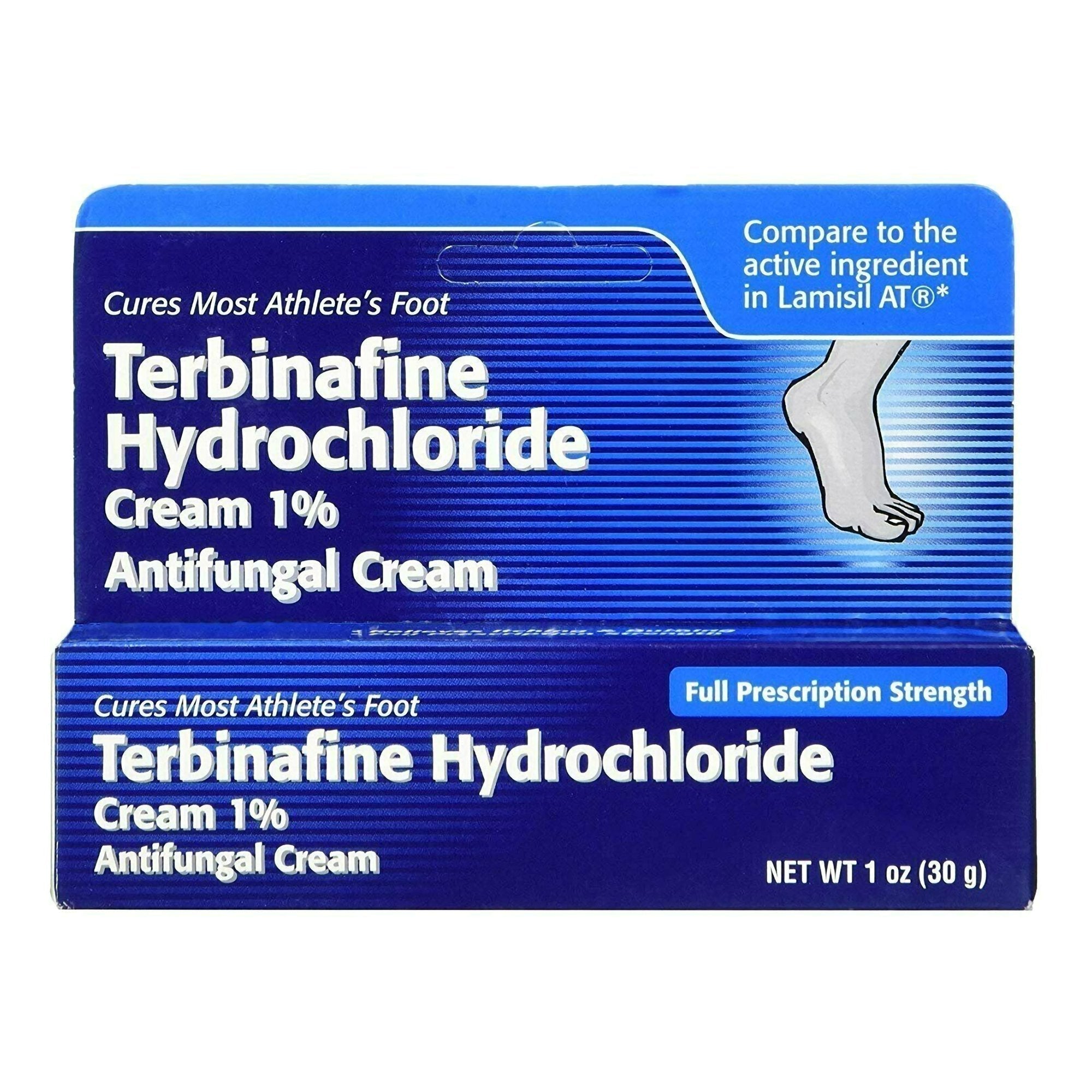
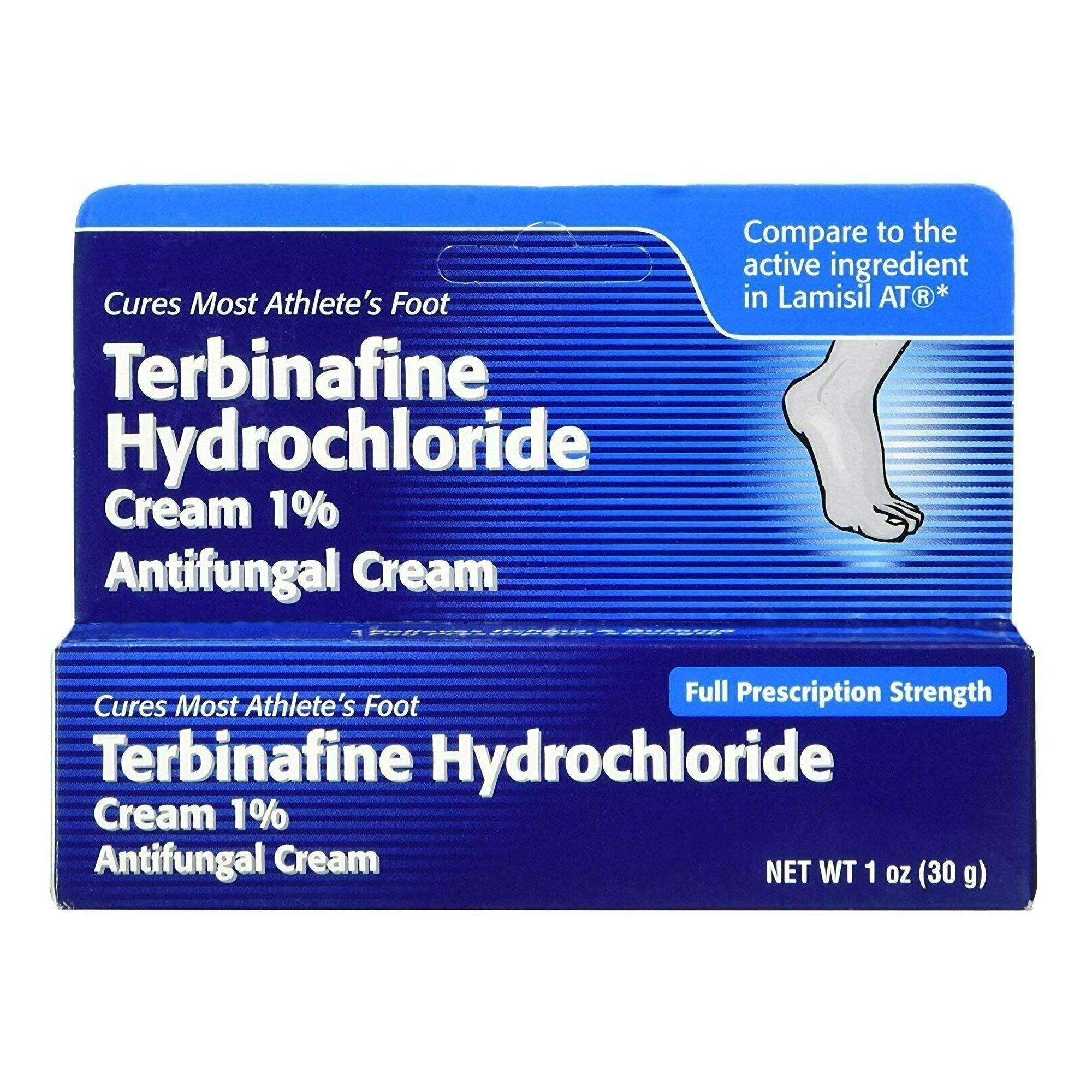
Most cases of athlete's foot respond well to a quality antifungal cream applied twice daily for 2–4 weeks. AllCare Store carries the trusted Terbinafine Antifungal Cream 1%, which is one of the most effective over-the-counter options available.
Ringworm (Tinea Corporis)
Despite the name, ringworm has nothing to do with worms. It's a fungal skin infection caused by the same dermatophytes that cause athlete's foot. The "ring" name comes from its classic appearance: a red, raised, scaly, circular rash with a clearer center, giving it the look of a ring.
Ringworm commonly appears on the arms, legs, torso, or face, and is easily spread through skin contact, shared clothing, bedding, or contact with infected pets. Children in daycare, wrestlers, and pet owners are at higher risk. Most ringworm responds well to the same topical antifungal creams used for athlete's foot.
Jock Itch (Tinea Cruris)
Jock itch is a fungal infection of the groin, inner thighs, and buttocks that most commonly affects men, especially those who sweat heavily, wear tight clothing, or are overweight. It presents as a red, itchy, ring-shaped rash that may spread outward with a raised, scaly border. Though the name suggests it only affects athletes, anyone can get it.
Most cases respond to a gentle topical antifungal cream applied to clean, dry skin twice daily for 2–4 weeks. Keeping the area as dry as possible — using an antifungal powder after showers — is essential for both treatment and prevention.
Nail Fungus (Onychomycosis)
Toenail fungus is more stubborn than other fungal infections because the fungus hides beneath the hard nail plate, where topical creams have trouble reaching. Symptoms include thickened, yellow, brown, or white nails; brittle or crumbly nail edges; separation of the nail from the nail bed; and a faint odor. Advanced nail fungus often requires prescription oral antifungal medication, but topical treatments can be effective for mild cases and for preventing spread. Our complete toenail fungus treatment guide goes deeper on this specific type.
Yeast Infections of the Skin (Cutaneous Candidiasis)
Candida yeast naturally lives on human skin, but overgrowth can cause red, itchy rashes — especially in warm, moist folds like under the breasts, in the armpits, between buttocks, or in the groin. Yeast infections often produce a bright red rash with smaller red satellite spots at the edges. People with diabetes, obesity, or those taking long courses of antibiotics are at higher risk.
Scalp Ringworm (Tinea Capitis) and Beard Ringworm (Tinea Barbae)
Fungal infections of the scalp are most common in children and can cause scaly patches, hair loss, and sometimes painful, pus-filled bumps. Beard ringworm affects men's facial hair. These infections typically require prescription oral antifungal medication because topical treatments can't adequately penetrate hair follicles.
How Antifungal Medications Work
Over-the-counter and prescription antifungal treatments work by either killing the fungus outright (fungicidal) or stopping its growth so your immune system can clear it (fungistatic). Different active ingredients target different fungi, which is why your choice of product matters.
The Major Over-the-Counter Antifungal Ingredients
| Active Ingredient | Class | How It Works | Best For | Typical Duration |
|---|---|---|---|---|
| Terbinafine 1% | Allylamine | Fungicidal — destroys fungal cells | Athlete's foot, ringworm, jock itch | 1–2 weeks |
| Clotrimazole 1% | Azole | Fungistatic — stops growth | Athlete's foot, ringworm, yeast | 2–4 weeks |
| Miconazole 2% | Azole | Fungistatic — broad spectrum | Athlete's foot, jock itch, yeast | 2–4 weeks |
| Tolnaftate 1% | Thiocarbamate | Fungistatic — prevents spread | Athlete's foot, ringworm (prevention) | 2–4 weeks |
| Butenafine 1% | Benzylamine | Fungicidal | Athlete's foot | 1–4 weeks |
| Undecylenic acid | Fatty acid | Fungistatic, mild | Mild athlete's foot, prevention | 2–4 weeks |
Terbinafine (the active ingredient in Lamisil AT) is often considered the most powerful over-the-counter option because it kills the fungus directly. The azoles (clotrimazole, miconazole) work more slowly but are well-tolerated and effective against both dermatophytes and yeasts — making them the broadest-spectrum OTC choice.
Top Antifungal Products Available at AllCare Store
AllCare Store carries a carefully curated selection of antifungal treatments from trusted clinical brands. Here are some of the standout options to consider for your fungal infection treatment plan:
Terbinafine Antifungal Cream 1% — Best for Athlete's Foot and Ringworm
The Terbinafine Antifungal Cream 1% is the clinical-strength option many foot specialists reach for first. Because terbinafine is fungicidal — it actively kills the fungal cells rather than just slowing them down — many people see visible improvement within days of starting treatment.
Key benefits:
- Fungicidal action for faster results
- Often clears athlete's foot in just 1–2 weeks of twice-daily use
- Effective against the most common dermatophyte species
- 30-gram tube provides enough cream for a full course of treatment
- Gentle enough for most sensitive skin types
Secura Antifungal 2% Cream — Best for Sensitive and Aging Skin
The Secura Antifungal 2% Cream is a gentler formulation specifically designed for sensitive, fragile, or aging skin. Because the cream uses miconazole nitrate 2% — an azole antifungal — it's effective against both dermatophytes and Candida yeast infections, making it especially useful for rashes in skin folds where yeast overgrowth is common.
Key benefits:
- Broad-spectrum activity against dermatophytes and yeasts
- Soothing formulation for sensitive and aging skin
- Ideal for skin-fold infections (under breasts, groin, between buttocks)
- 2-ounce tube for extended treatment
- Widely used in long-term care and home-health settings
Geri-Care Antifungal 1% Powder — Best for Prevention and Shoes
An antifungal powder is a crucial tool in your fungal infection arsenal — not just for treatment, but for prevention. The Geri-Care Antifungal 1% Powder combines tolnaftate with an absorbent base that keeps feet, shoes, socks, and skin folds dry — removing the moisture fungi need to grow.
Key benefits:
- Keeps skin dry, removing the moisture fungi need to thrive
- Can be sprinkled directly into shoes and socks for all-day prevention
- Ideal for people prone to recurrent athlete's foot or jock itch
- Gentle enough for daily preventive use
- Clinical-grade formulation
Cream vs. Powder vs. Spray vs. Solution: Choosing the Right Form
Antifungal medications come in several different forms, and choosing the right one depends on the location of the infection, your lifestyle, and personal preference:
| Form | Best Use | Advantages | Considerations |
|---|---|---|---|
| Cream | Active infections on skin | Stays in place, provides hydration | Can feel greasy; not ideal in humid weather |
| Powder | Prevention, shoes, skin folds | Keeps area dry, excellent for prevention | Less effective for established infections |
| Spray | Large areas, hard-to-reach spots | Easy application, no touching required | Can be less concentrated |
| Solution/Liquid | Nail edges, scalp | Penetrates around nails, dries fast | Can sting on broken skin |
| Gel | Hairy areas, humid climates | Non-greasy, cooling feel | Can dry skin with frequent use |
Many people benefit from combining forms — for example, using a cream on the active infection while sprinkling antifungal powder in shoes and socks to prevent reinfection.
How to Apply Antifungal Medication Correctly
Proper application technique significantly affects how quickly you recover. Here's a step-by-step approach that will get you the best results:
Step-by-Step Application
- Wash your hands thoroughly with soap and water before and after touching the infected area to avoid spreading the fungus to other parts of the body or other people.
- Clean the affected area with mild soap and water.
- Dry completely — fungi love moisture. Pat dry with a clean towel, and consider using a hairdryer on a cool setting between toes or in skin folds where towels struggle to reach.
- Apply a thin layer of antifungal cream to the affected area and about one inch of surrounding skin. More cream is not better — thin and complete coverage is what matters.
- Rub in gently until absorbed.
- Wash hands again before touching anything else.
- Repeat twice daily (morning and night) unless your product label or doctor says otherwise.
- Continue treatment for the full recommended duration — usually 2 to 4 weeks — even if symptoms disappear sooner. Stopping early is the #1 reason fungal infections come back.
Common Application Mistakes to Avoid
- Applying to wet skin: Moisture dilutes the medication and keeps fungi happy.
- Stopping as soon as symptoms improve: Fungi can persist invisibly for 1–2 weeks after you feel better.
- Using too much cream: A thin layer works as well as a thick one and wastes less product.
- Covering with bandages: Unless your doctor says otherwise, let the treated skin breathe.
- Sharing antifungal products: This can spread infection between family members.
- Not treating shoes and socks: These often reinfect you after you've cleared the skin.
Preventing Fungal Infections From Coming Back
Many people clear a fungal infection only to have it return weeks or months later. Preventing recurrence is every bit as important as treating the initial infection. Here's a comprehensive prevention plan:
Daily Habits That Keep Fungi Away
- Dry thoroughly after bathing: Pay special attention to between the toes, groin, armpits, and skin folds. A few extra seconds with a clean towel makes a big difference.
- Change socks daily — or more often: If your feet sweat a lot, change socks at lunch. Choose moisture-wicking synthetic or merino wool socks over cotton.
- Rotate your shoes: Give each pair 24–48 hours to fully dry between wearings. Fungi can survive in damp shoes for weeks.
- Use antifungal powder as prevention: Sprinkle Geri-Care Antifungal Powder in shoes, socks, and groin area, especially in humid weather.
- Wear sandals in public areas: Locker rooms, public showers, pool decks, and gym floors are fungal hot zones.
- Keep nails trimmed and clean: Short nails are harder for fungi to colonize.
- Treat family pets: Cats and dogs can carry ringworm. If a pet has patchy hair loss, see your vet.
Environmental Changes That Help
- Disinfect shoes: Use an antifungal spray inside shoes weekly. UV shoe sanitizers are another option.
- Launder towels and washcloths hot: Wash in water at least 140°F when possible, and don't share towels with family members.
- Clean bathroom surfaces: Bath mats, shower floors, and tub edges should be cleaned regularly with a disinfectant.
- Avoid tight, synthetic clothing: Choose breathable fabrics like cotton and linen, especially in humid climates.
Special Considerations for Seniors and People with Diabetes
If you're over 60 or living with diabetes, fungal infections deserve extra attention. Here's what makes this group different and what you need to know to stay safe:
Why Older Adults Are More Vulnerable
Skin changes with age. It becomes thinner, drier, and more prone to tiny cracks that give fungi an entry point. Circulation to the feet often decreases, which slows healing. Reduced mobility can make it harder to notice infections early, and eyesight changes may make it difficult to inspect feet daily. Additionally, many older adults take medications — including antibiotics, corticosteroids, or immunosuppressants — that increase fungal infection risk.
Diabetes and Fungal Infections: A Dangerous Combination
For people with diabetes, even a minor fungal skin infection can become a serious medical issue. High blood sugar weakens the immune system's ability to fight off fungal overgrowth. Diabetic neuropathy reduces sensation in the feet, so a small crack or blister can go unnoticed. Poor circulation slows healing. And what starts as athlete's foot can progress to cellulitis, diabetic foot ulcers, or even require hospitalization if untreated.
If you have diabetes:
- Inspect your feet every day — top, bottom, between toes, and around nails.
- Never try to treat a suspected diabetic foot infection on your own without consulting your doctor.
- Keep your blood sugar well-controlled to help your body fight off infections.
- Never walk barefoot — even indoors.
- See a podiatrist regularly for professional foot care.
Fall Prevention and Fungal Infections
Severe athlete's foot can cause cracking, pain, and changes in how you walk — all of which increase fall risk. Treating fungal infections promptly is part of a broader fall prevention strategy for older adults. For seniors with reduced mobility, pairing antifungal treatment with good bathroom safety — non-slip mats, bathing supplies, and sturdy grab bars — keeps you safely on your feet while the skin heals.
Natural and Home Remedies: What Actually Works?
The internet is full of home remedy suggestions for fungal infections. Some have partial scientific support, while others are more folklore than fact. Here's an honest breakdown:
Home Remedies With Some Evidence
- Tea tree oil: Some studies suggest 25–50% tea tree oil may help mild athlete's foot. Always dilute — undiluted tea tree oil can cause skin irritation.
- Vinegar soaks: Diluted white vinegar (1 part vinegar to 2 parts warm water) can help make skin less hospitable to fungi. Soak affected feet for 15–20 minutes.
- Keeping the area dry and clean: No remedy beats dry skin in preventing fungal growth.
- Cotton socks worn briefly, then changed: Clean, dry socks changed frequently support healing.
Home Remedies That Don't Reliably Work
- Bleach baths or soaks: Can cause severe skin irritation and chemical burns. Not recommended.
- Urine soaks: No scientific evidence and a significant hygiene concern.
- Garlic poultices: Can cause skin burns.
- Applying toothpaste: No benefit, may irritate skin.
The bottom line: proven over-the-counter antifungal creams and powders are far more reliable than home remedies for clearing an established fungal infection. If you want to try a natural approach for mild cases, tea tree oil and vinegar soaks have some evidence, but they work slowly and often require supplementing with a traditional antifungal for complete clearance.
When to See a Doctor About a Fungal Infection
Many fungal skin infections resolve with consistent over-the-counter treatment. But some situations require professional medical attention. See your healthcare provider if:
- Your symptoms haven't improved after 2–4 weeks of consistent over-the-counter treatment.
- The infection is spreading rapidly or covering large areas of your body.
- You have diabetes, poor circulation, or a weakened immune system — what seems minor could become serious.
- The infection involves the scalp, beard, or nails — these usually require prescription oral medication.
- You see pus, severe swelling, red streaks, or fever — these can indicate a secondary bacterial infection.
- The skin is cracked or bleeding to the point of concern.
- You're pregnant or breastfeeding — some antifungal medications require medical guidance.
- You have recurring infections that return despite prevention efforts.
Prescription options include oral antifungals like terbinafine tablets, itraconazole, and fluconazole, which treat infections systemically and are especially useful for nail fungus, scalp infections, and extensive or resistant cases.
Real-World Treatment Timelines: What to Expect
Setting realistic expectations helps you stick with treatment long enough to truly clear the infection. Here's what most people experience with topical antifungal treatment:
| Infection Type | First Improvement | Symptoms Clear | Full Treatment Course |
|---|---|---|---|
| Athlete's foot (mild) | 3–5 days | 10–14 days | 2–4 weeks |
| Athlete's foot (moccasin type) | 1–2 weeks | 3–4 weeks | 4–6 weeks |
| Ringworm (body) | 3–7 days | 10–14 days | 2–4 weeks |
| Jock itch | 3–5 days | 7–14 days | 2–4 weeks |
| Yeast skin infection | 2–4 days | 7–10 days | 2–3 weeks |
| Nail fungus (topical) | 1–3 months | 6–12 months | 9–18 months |
Notice the huge range for nail fungus — that's because nails grow slowly, and the fungus has to be "grown out" of the infected nail. Many people benefit from prescription oral antifungals for faster nail results.
Building a Complete Fungal Infection Care Kit
Keeping a few key products on hand makes it easier to address infections early, before they become severe. A well-stocked home care kit should include:
- A primary antifungal cream — like the Terbinafine Antifungal Cream 1% — for active infections.
- A gentle secondary cream — like the Secura Antifungal 2% Cream — for sensitive skin or yeast-prone skin folds.
- An antifungal powder — like the Geri-Care Antifungal 1% Powder — for prevention and shoes.
- Moisture-wicking socks and breathable footwear.
- A dedicated towel for infected areas to prevent spread.
- A soft bristled brush for scrubbing under nails during bathing.
Browse our full foot care collection and hand and feet care collection to stock up on everything you need for healthy skin and nails.
Fungal Infections and Overall Wellness
Healthy skin and strong immunity go hand in hand. Supporting your body from the inside out can help reduce the frequency and severity of fungal infections. Consider these complementary approaches:
- Nutritional support: Zinc, vitamin C, and vitamin D all play roles in immune function and skin healing. Browse our vitamins and supplements collection for quality options.
- Probiotics: Healthy gut bacteria can help balance yeast overgrowth throughout the body. Our best probiotics for digestive health 2026 guide covers top options.
- Blood sugar control: For people with diabetes or prediabetes, keeping blood sugar stable reduces the fuel fungi thrive on. Check out our guide on best glucose meters for diabetics 2026.
- Stress management and quality sleep: Both support immune function. If sleep is a struggle, our best sleep aids for insomnia 2026 guide may help.
Frequently Asked Questions About Fungal Infection Treatments
How long does it take for an antifungal cream to start working?
Most people notice reduced itching and burning within 3–5 days of starting a quality antifungal cream like terbinafine or clotrimazole. Visible improvement in redness and scaling typically appears within 7–10 days. However, complete clearance of the underlying fungal infection takes longer — usually 2–4 weeks of consistent, twice-daily application. It's important to continue treatment for the full recommended duration even after symptoms disappear, because stopping early is the leading cause of recurrence.
What's the difference between terbinafine and clotrimazole?
Terbinafine and clotrimazole are both effective over-the-counter antifungals, but they work differently. Terbinafine is fungicidal — it actively kills the fungal cells — which often allows for shorter treatment courses (1–2 weeks for athlete's foot). Clotrimazole is fungistatic — it stops fungi from growing so your immune system can clear them — which typically requires 2–4 weeks of treatment. Terbinafine is especially effective against dermatophytes (the cause of athlete's foot, ringworm, and jock itch), while clotrimazole and other azoles have broader activity against yeasts as well, making them better for skin-fold infections or when you're not sure whether you're dealing with a dermatophyte or yeast.
Can I use antifungal cream on my face or genitals?
Many over-the-counter antifungal creams are safe for short-term use on the face (for ringworm) and external genitals (for jock itch), but you should always check the product label first. Avoid getting cream in your eyes, mouth, or inside the mouth, nose, or vagina. For vaginal yeast infections, use products specifically labeled for vaginal use. If you're uncertain about using an antifungal cream in a specific area, ask your pharmacist or healthcare provider for guidance. Don't use antifungal cream on broken or severely irritated skin without medical advice.
Why do my fungal infections keep coming back?
Recurrent fungal infections are usually caused by one of three things: (1) Treatment was stopped too early — always complete the full 2–4 week course even if symptoms clear sooner. (2) Reinfection from shoes, socks, towels, or surfaces — treat your environment by using antifungal powder in shoes, washing towels in hot water, and rotating footwear. (3) An underlying health issue that predisposes you to fungal infections — common culprits include diabetes, immune system issues, excessive sweating, and circulation problems. If you've had three or more fungal infections in a year, talk with your healthcare provider about testing for underlying conditions and possibly using preventive antifungal powder daily.
Are fungal infections contagious?
Yes, most fungal skin infections are contagious. Athlete's foot, ringworm, and jock itch can spread through direct skin-to-skin contact, shared towels, clothing, bedding, and contaminated surfaces like locker room floors and swimming pool decks. To prevent spreading the infection to others: don't share towels, don't walk barefoot in public wet areas, wash bedding and towels in hot water, and treat family pets if ringworm is suspected. Wash your hands thoroughly after applying antifungal medication. Family members with similar symptoms should each use their own tube of antifungal cream to avoid cross-contamination.
Can I wear nail polish during a fungal toenail treatment?
Generally, it's best to avoid nail polish during active nail fungus treatment. Polish can trap moisture under the nail and interfere with the antifungal medication's ability to reach the infection. If you must wear polish for a special occasion, apply the antifungal solution first, let it dry completely, and use breathable "nail health" polishes that are medicated. Remove polish promptly after the event and resume regular antifungal treatment. For better long-term results, consider keeping nails polish-free until the infection clears, which can take 6–12 months or longer for toenails.
When should I see a doctor instead of self-treating?
See a healthcare provider if: your symptoms don't improve after 2–4 weeks of consistent over-the-counter treatment; the infection is spreading quickly; you have diabetes or a weakened immune system; the infection affects your scalp, nails, or large body areas; you notice pus, severe swelling, red streaks, or fever (signs of bacterial infection); you're pregnant or breastfeeding; you have recurrent infections; or the skin is cracked and bleeding. Your doctor may prescribe oral antifungal medication, perform tests to confirm the type of fungus, or rule out look-alike conditions such as eczema, psoriasis, or contact dermatitis.
Your Path to Clear, Healthy Skin Starts Today
Harold's itchy, uncomfortable summer ended with just a few weeks of the right antifungal treatment and some simple lifestyle changes. Your story can be the same. Whether you're dealing with athlete's foot, ringworm, jock itch, or a persistent nail infection, modern antifungal medications offer effective relief for the vast majority of fungal infections.
Start by browsing the trusted options in our foot care collection or our broader hand and feet care collection. For comprehensive skin and personal care solutions, explore our personal care collection. And if you're not sure which product is right for your situation, our experienced team is just a phone call away.
Call us today at 1-888-889-6260 to speak with a knowledgeable representative who can help you choose the right antifungal products for your needs. We're happy to answer questions about specific ingredients, application techniques, or building a complete fungal infection care kit.
At AllCare Store, we make it easy to shop with confidence. Enjoy free shipping on most orders, discreet packaging for your privacy, and a 30-day return policy so you can try products without risk.
Don't let a fungal infection slow you down another day. The combination of an effective antifungal, good hygiene habits, and the right preventive products can get you back to feeling comfortable and confident in your skin.
Visit AllCareStore.com to explore our complete range of health, wellness, and personal care products. For more expert health guides, check out our blog.