Medical Disclaimer: This article is for informational purposes only and should not replace professional medical advice. Consult your healthcare provider before starting any new treatment regimen for toenail fungus. While we provide evidence-based information about common treatments, only a qualified physician can properly diagnose fungal nail infections and recommend the most appropriate treatment for your specific situation.
The Story of David: From Hidden Feet to Confident Strides
David, 67, hadn't worn sandals in years. Once a passionate golfer who prided himself on keeping up with younger players, he found himself making excuses to decline beach trips and pool parties. The culprit? A stubborn toenail fungus that had slowly crept into his life about five years ago, turning his once-healthy nails yellow, brittle, and thick. He remembered the exact moment he noticed it—a slight discoloration on his big toe that seemed trivial at first. But within months, it had spread to three more nails, and the embarrassment began to outweigh the physical discomfort.
David tried everything he could find at the pharmacy without much success. Over-the-counter nail files, home remedies he found online, even avoiding certain shoes. Nothing seemed to work. He felt trapped by this condition that nobody seemed to talk about openly. Sound familiar? If you're reading this, you probably understand exactly how David felt.
The good news? David's story doesn't end there. After discovering the right combination of treatments and understanding the science behind toenail fungus, he's now wearing sandals again—with nails he's proud of. And today, we're sharing that same roadmap with you.
Understanding Toenail Fungus: What You're Actually Dealing With
Toenail fungus treatment starts with understanding the enemy. Fungal nail infections, medically known as onychomycosis, are caused by microscopic organisms called dermatophytes, yeasts, or nondermatophyte molds. These fungi thrive in warm, moist environments—exactly what your shoes and socks provide, especially during exercise or in humid climates.
The infection begins at the edge or tip of the nail and gradually spreads toward the nail bed and nail matrix (the part beneath the skin where your nail grows). This is why many people don't notice it until it's already established—by the time you see visible symptoms, the fungus has usually been there for months.
Who's Most at Risk?
Several factors increase your likelihood of developing toenail fungus:
- Age: People over 60 are significantly more prone to nail fungus, as circulation decreases and nails thicken naturally with age
- Diabetes: High blood sugar creates an ideal environment for fungi to thrive
- Weak Immune System: Conditions like HIV or medications that suppress immunity increase vulnerability
- Athlete's Foot: Having fungal infections on your feet makes nail infections more likely
- Nail Trauma: Injury to the nail or repeated stress from tight shoes increases infection risk
- Moisture Exposure: Swimming pools, communal showers, and humid environments promote fungal growth
- Family History: Fungal infections tend to run in families
- Circulation Problems: Conditions affecting blood flow to your feet make infections more likely
Recognizing the Symptoms
Early detection is crucial for successful treatment. Watch for these warning signs:
- Discoloration: Yellow, brown, or white patches on the nail
- Thickening: The nail becomes noticeably thicker and harder
- Brittleness: Nails become fragile and crack easily
- Nail Crumbling: Edges of the nail start to crumble or break
- Debris Under the Nail: Buildup of dead skin and nail material
- Separation: The nail begins to lift away from the nail bed
- Odor: A slight musty or unpleasant smell may develop
- Pain: Discomfort when wearing shoes or walking
The Complete Arsenal: Your Toenail Fungus Treatment Options
Over-the-Counter Antifungal Treatments
Why OTC First? Many people prefer starting with over-the-counter options for several reasons: they're accessible without a doctor's visit, they have minimal side effects, and they can be effective for mild to moderate infections. At AllCare Store, we carry professional-grade OTC antifungal solutions.
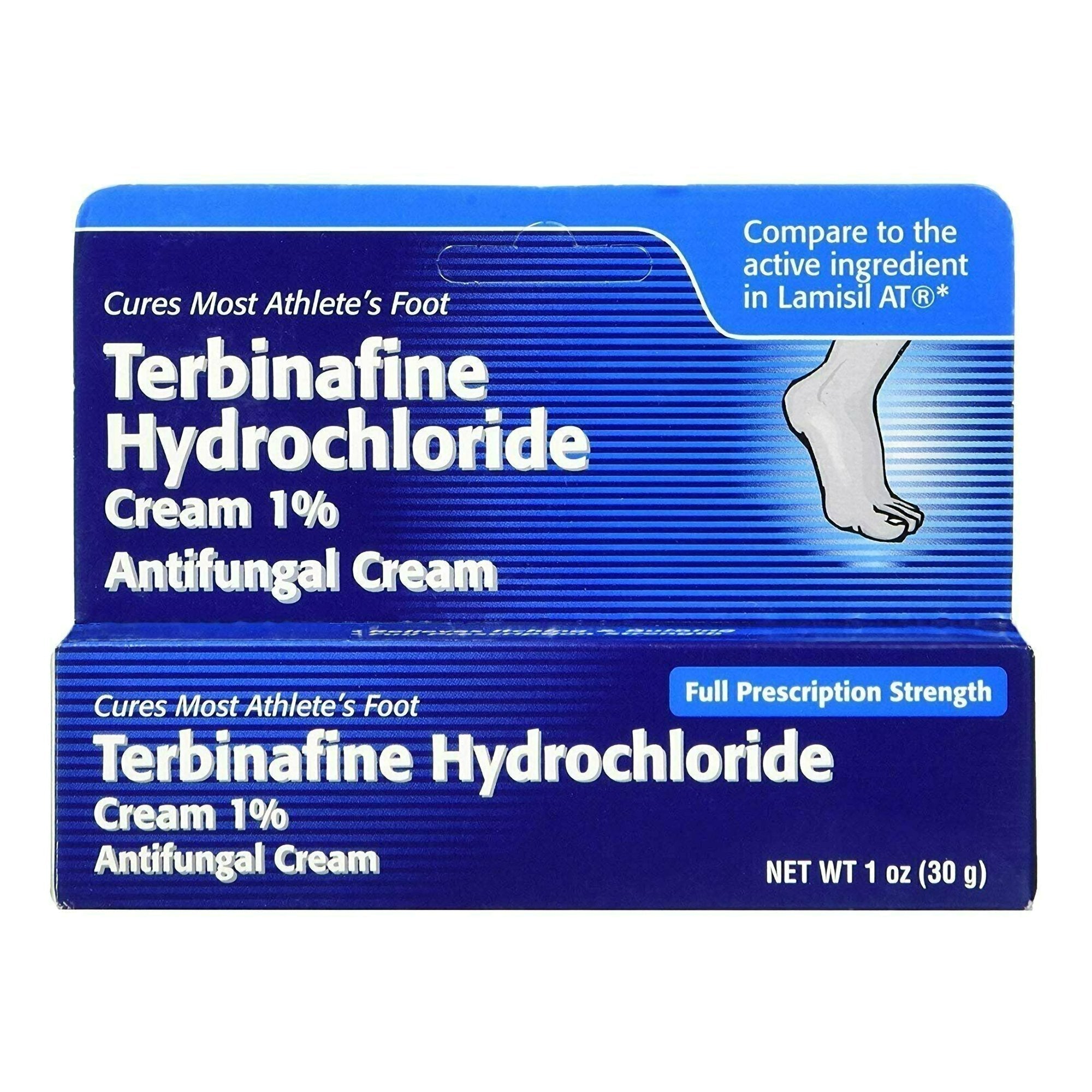
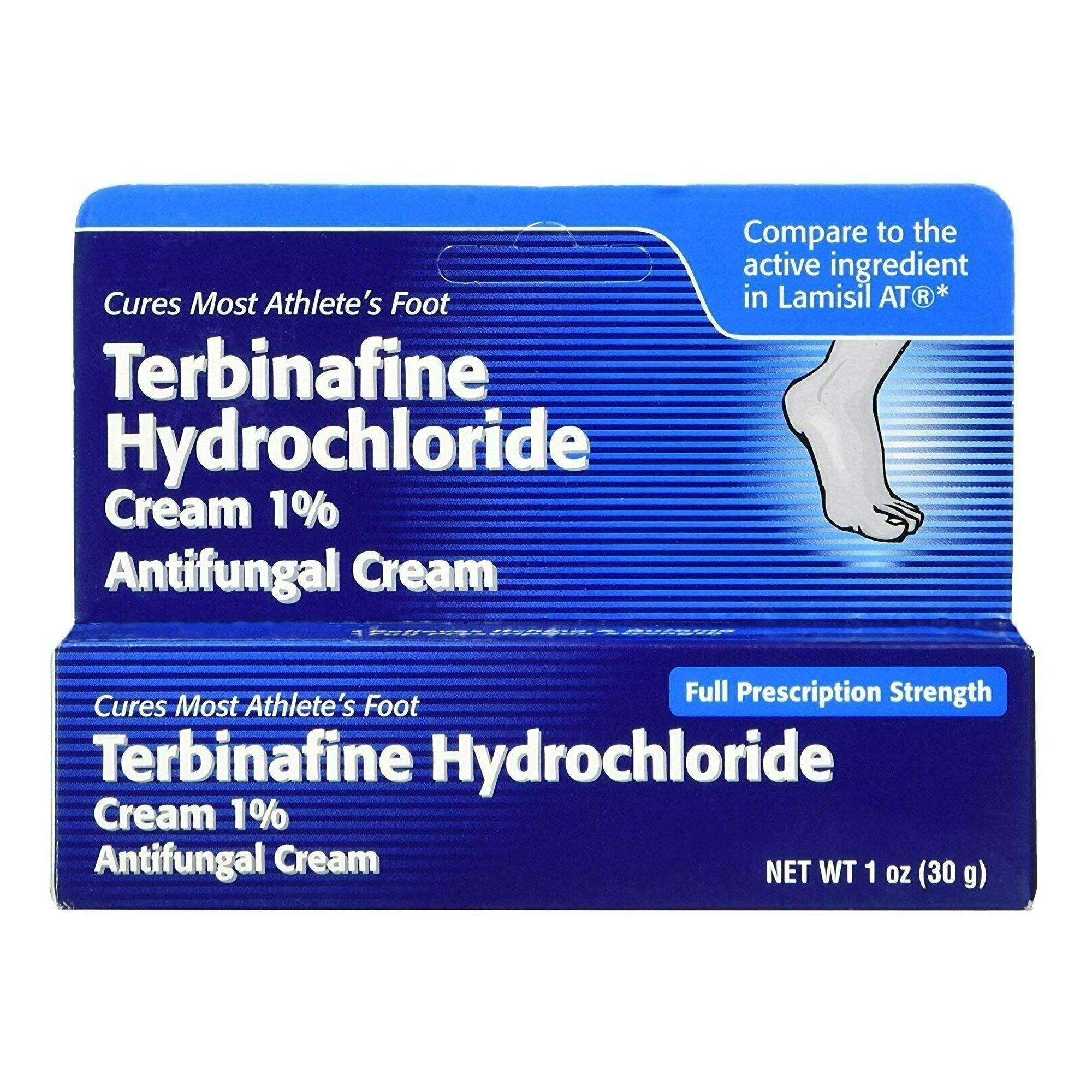
Antifungal Creams and Ointments: Topical creams containing ingredients like tolnaftate, undecylenic acid, or clotrimazole work by directly attacking the fungus on the nail surface. Terbinafine antifungal cream is one of the most effective OTC options available. The key to success with topical treatments is consistent application—typically twice daily for several months. Effectiveness rates range from 10% to 30% when used alone, which is why combination therapy often works best.
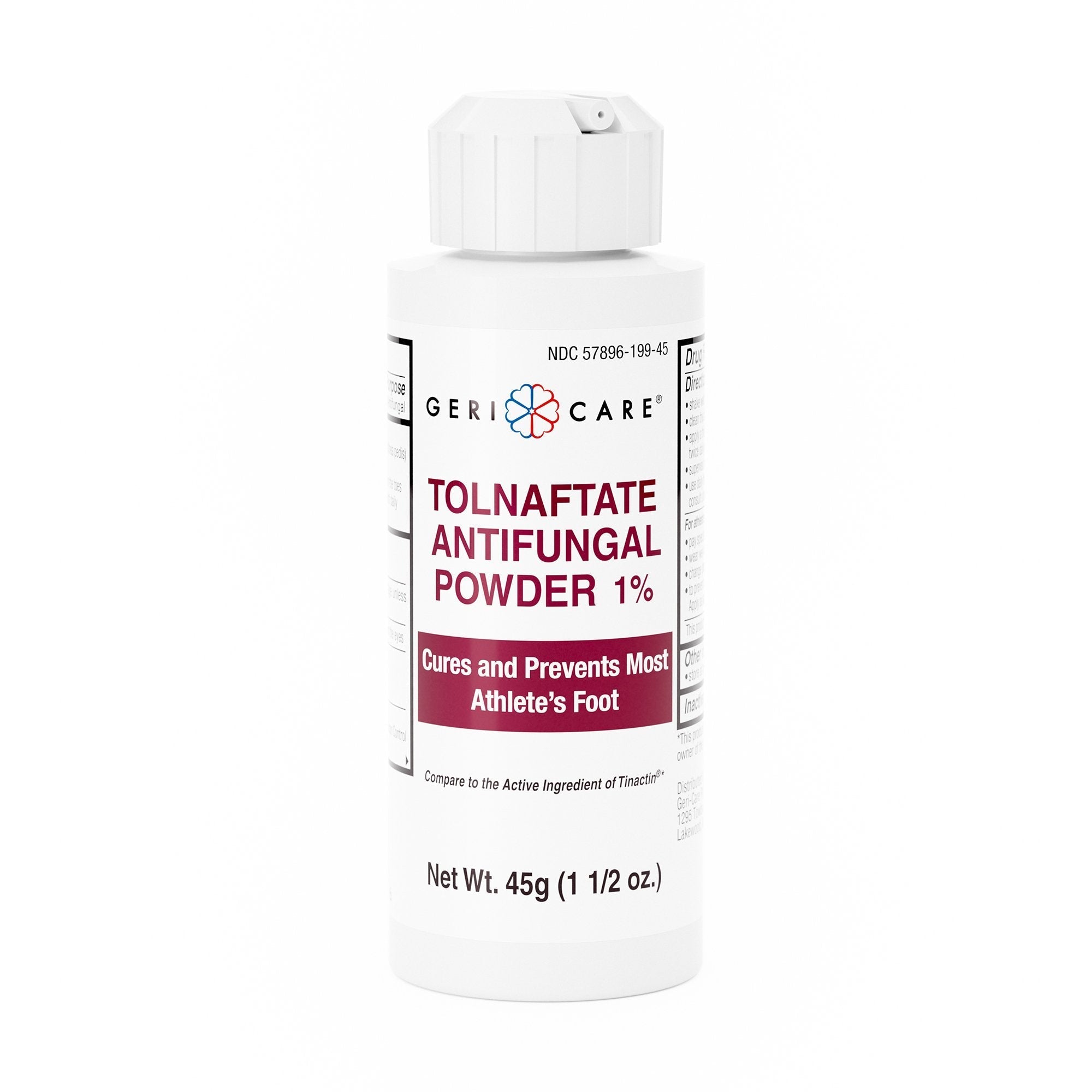
Antifungal Powders: Antifungal powders like Geri-Care Antifungal Powder 1% are excellent for maintaining dry conditions and preventing secondary infections. They're particularly useful when applied inside shoes and socks to keep feet dry throughout the day.
Nail Lacquers: Products like amorolfine or ciclopirox are applied directly to the nail surface and create a protective coating while fighting the fungus. These require consistent application over 12+ months and work best for surface infections.
Prescription Medications
Oral Antifungal Medications: When OTC treatments aren't sufficient, your doctor may prescribe oral medications such as:
- Terbinafine (Lamisil): Often considered the gold standard, with cure rates of 60-90% when taken for 12 weeks. Works by disrupting the fungal cell membrane
- Itraconazole (Sporanox): An alternative with similar efficacy, sometimes used in pulse dosing schedules
- Fluconazole (Diflucan): Another option, though slightly less effective than terbinafine for nail infections
Oral medications work from the inside out, reaching the fungus at the nail root where topical treatments can't penetrate effectively. Treatment typically lasts 12 weeks, and you may not see complete results for 6-12 months as the healthy nail grows in to replace the infected portion.
Prescription Topicals: Stronger prescription-strength antifungal creams may be recommended, often in combination with oral medications for better results.
Professional Medical Treatments
Laser Therapy: Some dermatologists offer laser treatments that heat the nail and surrounding tissue to kill the fungus. While promising, results vary and insurance often doesn't cover these expensive procedures ($1,000+).
Surgical Nail Removal: In severe cases where other treatments have failed, permanent removal of the infected nail may be considered. A new, healthy nail grows back over 12-18 months. This option is typically reserved for situations where the infection is causing significant pain or disability.
Nail Debridement: A podiatrist or dermatologist can carefully remove infected nail material and debris, improving the penetration of topical medications and reducing symptoms.
The Proven Problem → Solution → Hope Framework
Phase 1: Address the Problem (Weeks 1-4)
Your first priority is stopping the spread and reducing moisture that feeds the fungus.
- Start antifungal treatment immediately with either prescription oral medication or high-quality OTC options
- Apply antifungal powder daily inside shoes and socks to maintain a dry environment
- Trim nails short and straight across to reduce infected material and improve treatment penetration
- File down thickened nail areas carefully (consider seeing a podiatrist for this)
- Wear moisture-wicking socks and breathable shoes
- Avoid nail salons until infection is cleared (risk of spreading to other people)
Phase 2: Implement the Solution (Weeks 5-16)
Now you're actively fighting the infection with your chosen treatment regimen.
- If using topical treatments, apply consistently twice daily without missing doses
- If using oral medication, take exactly as prescribed and complete the full course
- Continue powder application in shoes daily
- Keep feet clean and dry, changing socks if they become damp
- Consider combining OTC topical treatments with oral medication for better results
- Attend podiatry appointments if professional debridement was recommended
- Monitor for any side effects and report them to your healthcare provider
Phase 3: Build Hope and Prevention (Week 17+)
As healthy nails begin to grow in, focus on maintaining progress and preventing reinfection.
- Continue treatment even as you see improvement—premature stopping allows reinfection
- Celebrate small wins as clear nail growth becomes visible
- Maintain excellent foot hygiene and dryness habits
- Use antifungal powder preventatively, even after treatment ends
- Choose appropriate footwear and practice nail care
- Get regular pedicures at reputable salons only after infection is completely clear
Natural Remedies and Home Treatments: What Works and What Doesn't
While we always recommend consulting healthcare professionals, many people explore natural options. Here's what the research shows:
Remedies with Some Evidence:
- Tea Tree Oil: Contains antifungal compounds, but typically needs to be combined with other treatments for effectiveness. Apply pure tea tree oil 2-3 times daily
- Vinegar Soaks: The acidic environment may inhibit fungal growth. Soak feet in equal parts white vinegar and warm water for 20 minutes daily
- Garlic: Contains ajoene, which has antifungal properties. While some studies show promise, applying raw garlic can cause skin irritation
- Coconut Oil: Contains lauric acid with some antifungal activity, though studies are limited. May help with prevention and skin health
Popular But Unproven Remedies:
- Baking soda: While it helps with odor and moisture, it's not a proven fungal killer
- Hydrogen peroxide: May help with cleaning, but doesn't effectively penetrate the nail
- Listerine soaks: No strong scientific evidence supports this popular remedy
- Essential oils alone: While some have antifungal properties, they rarely cure established infections without other treatments
The Bottom Line on Natural Remedies: They can be useful as supplementary treatments to support your primary treatment, but shouldn't replace proven medical interventions. The infection is too stubborn to rely on natural remedies alone in most cases.
Prevention: Your Best Defense
Once you've cleared a toenail fungus infection, prevention becomes your priority. The recurrence rate is about 10-15% even with successful treatment, so these habits matter:
- Keep Feet Dry: Change socks if they become damp. Dry feet thoroughly after bathing, especially between toes
- Wear Breathable Footwear: Choose shoes that allow air circulation and avoid tight shoes that trap moisture
- Protect in Public Areas: Wear shower shoes in pools, gyms, locker rooms, and communal showers
- Maintain Nail Hygiene: Use clean, separate nail clippers for infected nails. Keep nails trimmed short
- Visit Clean Nail Salons: Ensure your salon properly sterilizes tools between clients
- Support Overall Immunity: Take vitamins and supplements that support immune function, including vitamin D and zinc
- Manage Blood Sugar: If diabetic, maintain good blood sugar control to reduce infection risk
- Address Athlete's Foot Promptly: Treat foot fungus immediately to prevent spread to nails
- Keep Personal Care Supplies on Hand: Maintain a supply of antifungal powder for preventative daily use
Treatment Comparison: Finding Your Best Option
| Treatment Type | Cost | Cure Rate | Duration | Side Effects |
|---|---|---|---|---|
| OTC Topical Cream | $15-30 | 10-30% | 12+ months | Minimal, local irritation possible |
| OTC Nail Lacquer | $30-50 | 20-30% | 12+ months | Minimal, may discolor nail |
| Oral Terbinafine | $100-200 | 60-90% | 12 weeks + growth time | Taste changes, rash, liver effects (rare) |
| Laser Therapy | $1000-3000 | 40-70% | 4-6 sessions | Temporary discomfort, rare blistering |
| Combination Therapy | $100-300 | 80-95% | 12 weeks + growth | Varies with method |
| Home Remedies | $5-20 | 5-15% | Months to indefinite | Minimal, rarely effective alone |
Why AllCare Store Is Your Trusted Partner in Toenail Fungus Treatment
At AllCare Store, we understand that dealing with toenail fungus isn't just a medical issue—it's about reclaiming your confidence and quality of life. That's why we've carefully curated our foot care collection to include professional-grade antifungal treatments that actually work.
Why Choose AllCare Store?
- Quality Products: We carry proven, effective antifungal creams and powders from trusted brands
- Free Shipping: No minimum purchase required on most orders to help you access the treatments you need
- Discreet Packaging: We understand privacy matters. All orders arrive in unmarked, discreet packaging
- 30-Day Returns: Our hassle-free return policy means you can try products risk-free
- Expert Resources: Visit our health blog for more detailed treatment guidance and foot care tips
- Customer Support: Call us at 1-888-889-6260 to speak with knowledgeable representatives who can help you choose the right treatment
We're not just a store—we're your partner in the journey toward healthy, beautiful nails. Whether you need Secura antifungal cream, complementary powders, or just honest advice about what works, we're here for you.
Real Results: What Success Looks Like
Success with toenail fungus treatment isn't measured in weeks—it's measured in months of consistent care and visible nail growth. Here's a realistic timeline for what you can expect:
- Weeks 1-4: Treatment begins, infection may appear worse as dead nail material sheds. Don't get discouraged!
- Weeks 5-12: Continued treatment. Some people see slight discoloration changes. Continue the regimen faithfully
- Months 4-6: Clear nail begins to grow in from the nail bed. This is an exciting milestone!
- Months 6-12: Gradual replacement of infected nail with healthy nail. Growth is slow but steady
- 12+ Months: Most people achieve complete or near-complete clearance with proper treatment and prevention
Remember: Your nails grow slowly, so patience is essential. This isn't a quick fix—it's a journey to restored health.
Frequently Asked Questions About Toenail Fungus Treatment
Q: Can I get toenail fungus from other people?
A: Yes, but it's not as contagious as some infections. Direct contact with infected nails or shared nail clippers, towels, or shower surfaces can transmit the fungus. The risk is higher if you have cuts or breaks in the skin. Once you start treatment, the infection becomes much less contagious.
Q: How long does toenail fungus treatment really take?
A: Complete treatment typically takes 6-12 months because you're waiting for the healthy nail to grow out and replace the infected portion. This is natural and can't be rushed. However, oral medications like terbinafine work on the infection itself in 12 weeks, and you'll start seeing improvement after 4-6 weeks if the treatment is working.
Q: Is toenail fungus dangerous?
A: For most people, toenail fungus is uncomfortable and embarrassing but not dangerous. However, for people with diabetes or compromised immune systems, it's important to treat promptly as infections can spread to the skin and potentially lead to more serious complications. Always consult your doctor if you have underlying health conditions.
Q: Can I paint my nails while treating toenail fungus?
A: Regular nail polish traps moisture and can prevent topical treatments from working effectively. If you must wear polish, use a breathable, anti-fungal polish designed for this purpose, or wait until your nails are cleared before resuming regular polish use.
Q: Will my nail ever look completely normal again?
A: Once a nail recovers from a fungal infection, it can appear completely normal as the healthy nail grows in and replaces the infected portion. However, if the infection was severe or recurs, there might be slight irregularities in nail texture. Proper prevention helps avoid recurrence.
Q: Should I see a dermatologist or podiatrist?
A: Either specialist can diagnose and treat toenail fungus. Dermatologists specialize in skin and nail conditions, while podiatrists specialize in foot health. Many people find podiatrists particularly helpful for physical debridement and ongoing foot care. Your primary care physician can also help guide diagnosis and treatment decisions.
Q: Are prescription treatments always better than OTC?
A: Not always. Prescription oral medications have higher cure rates (60-90% vs 10-30%), but OTC treatments can work, especially combined with other approaches and for mild infections. The best choice depends on the severity of your infection, your health status, and your doctor's recommendations. Many experts recommend starting OTC and escalating to prescription if needed.
Q: What if my toenail fungus keeps coming back?
A: Recurrence happens in about 10-15% of cases even with successful treatment. This usually indicates either incomplete initial treatment or reinfection from environmental sources. If you experience recurrence, discuss combination therapy or longer-term prevention strategies with your doctor. Consistent use of antifungal powder as prevention is crucial.
Your Journey to Healthy Nails Starts Now
Remember David from the beginning of this article? His transformation wasn't magical—it was the result of understanding his condition, choosing an effective treatment plan, and committing to consistent care. His toenails didn't heal overnight, but after six months of dedicated treatment, he felt confident enough to book that beach vacation he'd been avoiding.
The reality is that toenail fungus is incredibly common—affecting 10-12% of the general population and up to 25% of people over 60. You're not alone in this struggle, and you shouldn't feel embarrassed about it. What matters is that you're taking action now.
Whether you choose over-the-counter treatments, prescription medications, professional therapies, or a combination approach, the most important thing is to start and stay consistent. Here's your action plan:
- Step 1: Browse our complete foot care collection to find the right treatment for your needs
- Step 2: Consider consulting your healthcare provider to determine if prescription medication would benefit you
- Step 3: Set up your treatment regimen and mark your calendar to stay consistent
- Step 4: Join our community by subscribing to our health blog for ongoing tips and encouragement
- Step 5: Call us at 1-888-889-6260 if you have questions about specific products or need personalized recommendations
AllCare Store is committed to helping you every step of the way. With our quality products, free shipping, discreet packaging, and 30-day return guarantee, you can tackle toenail fungus with confidence. Your healthy nails are worth it—and you deserve to wear sandals with pride again.
Take the first step today. Your future self will thank you.