MEDICAL DISCLAIMER: This article is for informational purposes only and should not be used as a substitute for professional medical advice, diagnosis, or treatment. Essential oils and aromatherapy can complement but should not replace medical care. Pregnant or nursing women, children, people with asthma or epilepsy, and pet owners should consult a healthcare provider before introducing essential oils into the home. Always follow safety guidelines on oil bottles and diffuser instructions, and never apply undiluted essential oils directly to skin without proper guidance.
Eleanor's Story: How a Small Diffuser Changed Her Whole Evening Routine
Eleanor, 67, had been struggling with what she called "the evening crash." Every day around 4:00 PM, after a busy morning of caring for grandchildren and afternoon errands, she'd come home utterly exhausted. Her shoulders would tighten. Her thoughts would race with everything still left undone. By 7:00 PM she'd find herself either snapping at her husband over nothing or crying for reasons she couldn't quite name. Sleep, when it finally came, was restless and shallow.
Her daughter Margaret, who'd been practicing yoga and meditation for years, came over for tea one Saturday and noticed Mom looking worn out. "I want to bring you something next time I come," she said. "It's a little ultrasonic essential oil diffuser. I use mine every evening. It's transformed how I unwind."
The next week, Margaret arrived with a small white ceramic diffuser and a bottle of pure lavender essential oil. "Just try it," she said, setting it up on Eleanor's nightstand. "Five drops in the water tank, run it for 30 minutes when you sit down with your evening tea."
That first evening, Eleanor was skeptical. She filled the tank with cool water, added the drops as instructed, pressed the button, and watched a soft cloud of fragrant mist rise up and fill the room. The air smelled like a spring meadow at dusk — calming, gentle, alive. She sank into her favorite chair, picked up her novel, and breathed in. Within twenty minutes, her shoulders had dropped two inches. The pressure behind her eyes melted away. She felt — and this was the strangest part — like she had permission to relax.
Three months later, the diffuser had become a nightly ritual. Sometimes lavender. Sometimes a peppermint blend in the morning to wake her up gently. A drop of frankincense during her meditation practice. Eleanor still has busy days. The grandchildren still need watching, the errands still need running. But the evening crash? It's gone. "It sounds silly," she tells her friends, "but that little diffuser changed my life."
If you've been curious about aromatherapy diffusers — or you've tried one but felt overwhelmed by the choices — this comprehensive 2026 guide is for you. We'll explore the four main types of diffusers, dive into the benefits of aromatherapy, recommend essential oils for different goals, and help you build a diffuser practice that fits your life. Along the way, we'll connect you to the high-quality personal care and wellness products available at AllCare Store.
What Is Aromatherapy and How Do Diffusers Fit In?
Aromatherapy is the therapeutic use of essential oils — concentrated plant extracts — to support physical, emotional, and mental wellbeing. Practiced for thousands of years across cultures from ancient Egypt to traditional Chinese medicine, modern aromatherapy uses pure, distilled essential oils to influence mood, support sleep, ease stress, freshen indoor air, and create comfortable, intentional spaces in our homes.
An essential oil diffuser is the tool that disperses these aromatic plant compounds into the air, where they can be inhaled and have their effects. Different types of diffusers use different methods to release the oils — some use water and ultrasonic vibration, others use pressurized air, and some rely on heat or simple evaporation. Each method has strengths and trade-offs that we'll explore in detail below.
Why Inhalation Matters
When you inhale essential oil molecules, they take a remarkably direct route to your brain. The olfactory nerves connect almost immediately to the limbic system — the part of the brain responsible for emotion, memory, and stress responses. This is why a single whiff of a familiar scent can trigger a powerful memory or shift your mood within seconds. Aromatherapy via a diffuser leverages this direct pathway, letting essential oils do their work gently, continuously, and without applying anything to the skin.
The Four Main Types of Aromatherapy Diffusers
Choosing the right diffuser starts with understanding the four main types available. Each works differently, costs differently, and produces different results. Here's an in-depth look at each.
1. Ultrasonic Diffusers (Most Popular)
Ultrasonic diffusers are by far the most popular choice for home aromatherapy — and for good reason. They use ultrasonic vibrations (high-frequency electronic pulses) to break a mixture of water and essential oil into an ultra-fine mist. The mist disperses into the air along with the oil molecules, gently scenting your space.
How they work: Fill the reservoir with water, add 3–10 drops of essential oil, press a button, and the device vibrates to produce a cool, fragrant mist that floats out into the room.
Pros:
- Quiet operation — many run almost silently
- Add light humidification — helpful in dry climates or winter
- Cool mist — safe around children and pets
- Built-in lighting and shut-off timers in most models
- Use less essential oil than nebulizers (longer-lasting bottles)
- Affordable — many quality models in the $20–$60 range
Cons:
- Less concentrated aroma than nebulizers
- Require regular cleaning to prevent mold or oil buildup
- Tank size limits run time
- Can introduce moisture to already-humid spaces
Best for: First-time aromatherapy users, bedrooms, offices, dry climates, and anyone who wants gentle, continuous fragrance with the bonus of light humidification.
2. Nebulizing Diffusers (Most Powerful)
Nebulizing diffusers don't use water or heat. Instead, they use pressurized air to atomize pure essential oil into ultra-fine particles that disperse directly into the air. Because no water dilutes the oil, the resulting aroma is extremely concentrated and the therapeutic compounds remain unchanged.
How they work: A small pump pressurizes air through a glass nebulizer where it draws up essential oil from a bottle and breaks it into a fine mist that's released into the room.
Pros:
- Most concentrated aroma — essential oil is undiluted
- No heat or water — preserves the oils' chemistry
- Fastest way to scent a room
- Best for therapeutic-grade aromatherapy
- Often features beautiful glass and wood designs
Cons:
- Use significantly more essential oil — bottles run out faster
- Louder than ultrasonic models
- More expensive — typically $60–$150+
- Glass parts can break
- Strong scent can overwhelm small rooms
Best for: Aromatherapy enthusiasts, large rooms, therapeutic use, and people who prioritize the strongest possible aroma and the purest oil delivery.
3. Heat Diffusers (Simple and Affordable)
Heat diffusers use a small heating element — like a tea light or low-wattage electric heater — to gently warm essential oil and disperse it into the air through evaporation. They're the simplest and often the most affordable option.
How they work: Add a few drops of essential oil to a small dish or pad above a heat source. The heat causes the oil to evaporate slowly, releasing its aroma.
Pros:
- Inexpensive — many models under $20
- Silent operation
- Beautiful, decorative designs
- Simple to use — no buttons or settings
- No water needed
Cons:
- Heat can alter or destroy some of the oil's therapeutic compounds
- Open flames pose fire risk (with candle versions)
- Requires more frequent oil refills
- Not ideal for households with curious pets or children
Best for: Decorative use, occasional aromatherapy, those who prioritize aesthetics, and people who want a low-cost entry point into aromatherapy.
4. Evaporative Diffusers (Most Portable)
Evaporative diffusers — sometimes called passive or wearable diffusers — use natural air movement to disperse essential oils. They include reed diffusers, terra cotta pendants, car vent clips, and small fan-driven devices that blow air across an oil-soaked pad.
How they work: Apply oil to a porous material (reeds, clay, felt pad, ceramic) and let natural evaporation or a small fan disperse the aroma over time.
Pros:
- Highly portable — perfect for cars, travel, and personal use
- No electricity required (for reed and pendant types)
- Inexpensive
- Quiet — completely silent for passive types
- Great for small spaces or personal scenting
Cons:
- Aroma intensity decreases over time
- Limited reach — best for personal or small spaces
- Lighter notes evaporate faster than heavier ones, changing the scent profile
- Less suitable for full-room therapeutic aromatherapy
Best for: Travel, cars, personal scenting (jewelry diffusers), small bathrooms, and anyone who wants aromatherapy without electronics.
Quick Comparison: Choosing Your Diffuser Type
| Diffuser Type | Aroma Strength | Coverage Area | Typical Price | Best Setting |
|---|---|---|---|---|
| Ultrasonic | Mild–Moderate | 250–600 sq ft | $20–$60 | Bedroom, office, family room |
| Nebulizing | Strong | 500–1,000+ sq ft | $60–$150 | Large open spaces, therapy rooms |
| Heat (Electric) | Mild | 100–300 sq ft | $10–$30 | Small rooms, decorative spaces |
| Evaporative (Reed) | Mild | 50–200 sq ft | $10–$40 | Bathroom, car, closet, travel |
The Science-Backed Benefits of Aromatherapy
Modern research has begun to validate what aromatherapy practitioners have known for centuries: certain essential oils, used appropriately, can produce meaningful effects on mood, sleep, stress, and even some physical symptoms. While more rigorous studies are needed in many areas, the existing evidence supports several aromatherapy benefits:
Stress and Anxiety Reduction
Multiple studies have shown that lavender essential oil can significantly reduce self-reported anxiety and stress in a variety of settings — from dental offices to college dorms to surgical recovery rooms. Bergamot, ylang-ylang, and clary sage have shown similar calming effects in research. The mechanism appears to involve the limbic system, which processes both emotion and the sense of smell.
Sleep Quality
Lavender is the most studied essential oil for sleep, with research showing modest but real improvements in sleep quality, time to fall asleep, and morning alertness. Roman chamomile, vetiver, and sandalwood are also popular choices for evening diffusion. Pairing aromatherapy with other healthy sleep habits — consistent bedtime, dim lighting, screen reduction — can enhance the effect. For more sleep strategies, see our complete best sleep aids for insomnia 2026 guide.
Mood Enhancement
Citrus oils — sweet orange, lemon, grapefruit, bergamot — have been shown to improve mood and energy levels in workplace and clinical studies. Peppermint and rosemary are associated with increased alertness and focus. Many people find diffusing these oils in the morning or during work helps create an upbeat, productive atmosphere.
Respiratory Support
Eucalyptus, peppermint, and tea tree oil contain compounds (like eucalyptol and menthol) that can ease the perception of nasal congestion. While diffusing these oils isn't a substitute for medical care, many people find them comforting during cold and flu season. If you're managing seasonal allergies or colds, our best cold medicine for adults 2026 and nasal sprays for allergies and congestion guides offer additional options.
Headache and Muscle Tension Relief
Peppermint oil, in particular, has been studied for tension headaches, with both topical application and inhalation showing promise. Lavender has been studied for migraine relief. While aromatherapy alone is rarely sufficient for severe headaches, it can be a valuable complement to other strategies. Our migraine and headache relief guide covers more comprehensive approaches.
Air Quality and Freshness
Many essential oils — particularly tea tree, eucalyptus, and citrus oils — have natural antimicrobial properties. Diffusing them can help freshen indoor air and reduce certain airborne bacteria. They're a wonderful natural alternative to chemical air fresheners, which can contain volatile compounds that some people find irritating.
The Best Essential Oils to Start With
If you're new to aromatherapy, you don't need a huge collection. A handful of versatile oils will cover most of what you'll want to do. Here are the foundational oils for any home aromatherapy practice:
Lavender — The Universal Calmer
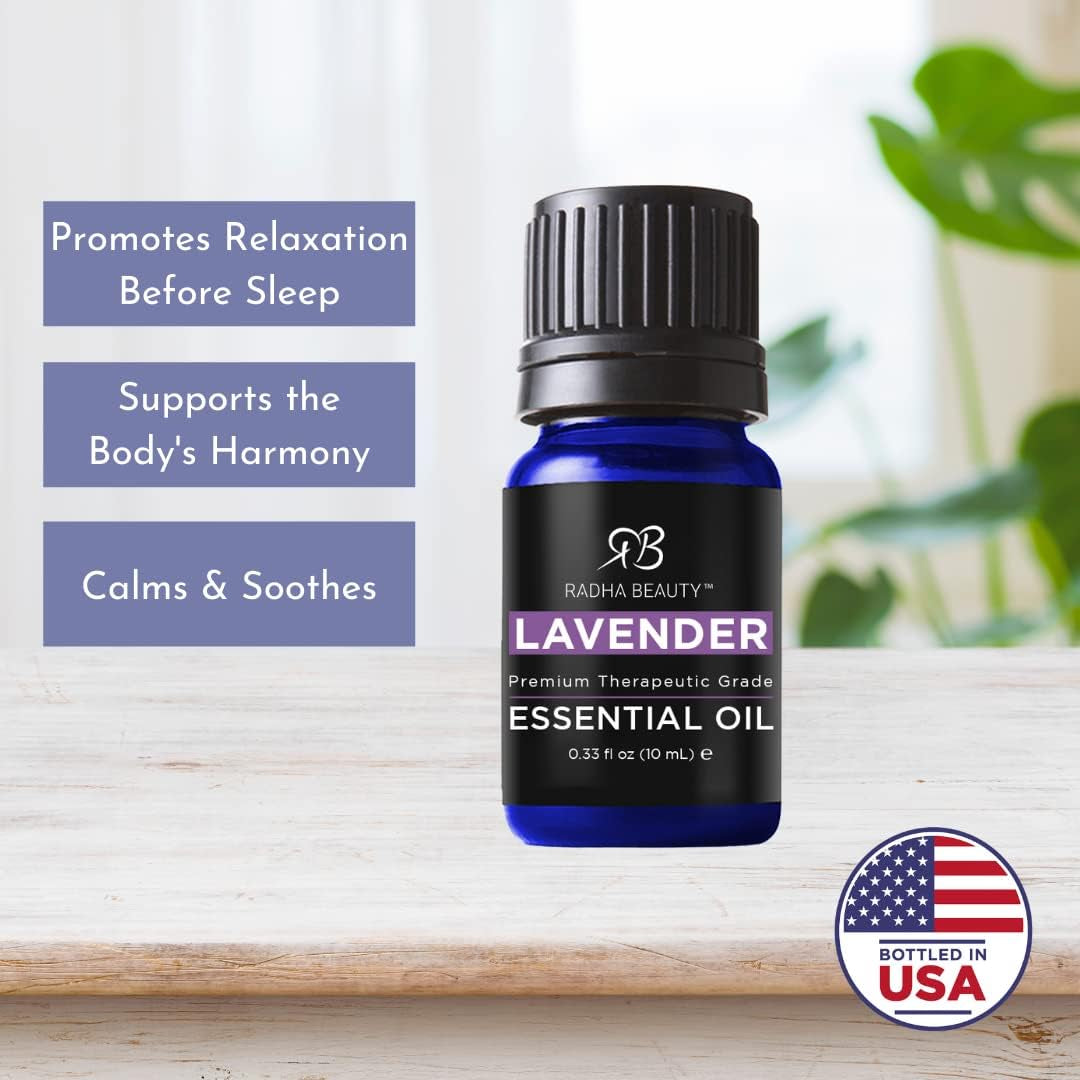
If you only buy one essential oil, make it lavender. Pure therapeutic-grade lavender essential oil is the most studied, most versatile, and most universally loved oil in the aromatherapy world. Use it at bedtime for better sleep, in the evening to unwind, during stressful moments, or even diluted in laundry water to leave linens gently scented.
Peppermint — The Energizer
Peppermint oil is the morning counterpart to lavender. It's bright, cool, and energizing — perfect for combating afternoon fatigue, supporting focus during work, or freshening the air after cooking. Just a drop or two goes a long way; peppermint is potent.
Eucalyptus — The Breath Opener
Eucalyptus is the go-to oil for cold and flu season. Its menthol-like compounds have a clearing, opening sensation that many people find soothing during congestion. Diffuse it in the bedroom overnight when you have a cold, or pair it with peppermint for an extra-clearing blend.
Lemon — The Mood Lifter
Lemon oil brightens any room. It's clean, cheerful, and pairs well with almost any other oil. Diffuse it in the morning to start your day on a positive note, or use it in the kitchen to neutralize odors after cooking.
Tea Tree — The Purifier
Tea tree oil has well-documented antimicrobial properties. It's not the most beautiful scent on its own, but it's wonderful blended with citrus or eucalyptus, and it adds a sense of cleanliness to any diffuser blend. Many people diffuse tea tree during cold and flu season for extra air freshening.
Frankincense — The Meditative One
Frankincense has been used for thousands of years in spiritual and meditative practices. Its warm, woody, slightly sweet aroma is grounding and contemplative. Many people diffuse it during yoga, meditation, prayer, or quiet evening reading.
Aromatherapy Recipes and Blends to Try
Once you have a few core oils, you can start blending them for specific moods and goals. Here are time-tested combinations to experiment with in your ultrasonic diffuser (always add to water in the recommended amount for your device):
| Goal | Recipe | Best Time |
|---|---|---|
| Sleep & Relaxation | 4 drops lavender + 2 drops Roman chamomile + 1 drop vetiver | 30 min before bed |
| Morning Energy | 3 drops peppermint + 3 drops sweet orange + 2 drops lemon | Breakfast/morning routine |
| Focus & Concentration | 3 drops rosemary + 2 drops peppermint + 2 drops lemon | Work hours |
| Stress Relief | 3 drops lavender + 2 drops bergamot + 2 drops ylang-ylang | End of workday |
| Cold & Congestion | 3 drops eucalyptus + 2 drops peppermint + 2 drops tea tree | Bedroom during illness |
| Meditation & Yoga | 3 drops frankincense + 2 drops sandalwood + 2 drops lavender | Practice sessions |
| Holiday Comfort | 3 drops cinnamon + 2 drops sweet orange + 2 drops clove | Evenings, gatherings |
| Spring Fresh | 3 drops lemon + 3 drops peppermint + 2 drops grapefruit | Spring cleaning |
How to Use Your Diffuser Safely and Effectively
To get the most out of your essential oil diffuser while keeping yourself, your family, and your pets safe, follow these best practices:
Setup and Operation
- Place on a flat, stable surface at least 2 feet from electronics, fabrics, and edges where it could be knocked over.
- Use distilled or purified water in ultrasonic models — tap water mineral deposits will shorten your diffuser's life.
- Add the recommended number of drops for your device — usually 3–10 drops total per session. More is not better; it can cause headaches or irritation.
- Run for 30–60 minutes at a time with breaks in between. Continuous all-day use can desensitize your nose to the aroma and may overexpose pets.
- Use intermittent or timer modes if available — most modern diffusers offer 30, 60, 120, or continuous settings.
Cleaning Your Diffuser
A clean diffuser produces better aromatherapy and lasts longer. Follow this routine:
- After every use: Pour out remaining water, wipe the reservoir with a soft cloth.
- Weekly: Fill halfway with water and a tablespoon of white vinegar, run for 5 minutes, then rinse thoroughly.
- When changing oils: Wipe the reservoir with rubbing alcohol on a cotton swab to remove residue from the previous oil.
- Monthly deep clean: Disassemble per the manufacturer's instructions and clean all parts thoroughly.
Pet Safety: A Critical Consideration
Many essential oils that are perfectly safe for humans can be harmful — even toxic — to cats, dogs, birds, and other pets. Cats are especially sensitive because they lack a liver enzyme that processes many essential oil compounds. Birds have respiratory systems sensitive to aerosols of any kind.
Generally considered unsafe for pets:
- Tea tree oil (toxic to cats and dogs)
- Pine, wintergreen, citrus oils (especially toxic to cats)
- Pennyroyal, peppermint, eucalyptus (avoid around cats)
- Cinnamon, clove, ylang-ylang, peppermint (caution with dogs)
Pet-safe practices:
- Diffuse only in rooms your pets can leave at will
- Run the diffuser for shorter sessions (15–30 min) and ventilate the space afterward
- Use lower drop amounts (1–2 instead of 5–10)
- Watch for signs of distress — drooling, sneezing, watery eyes, lethargy
- If you have a cat, consult your veterinarian before using essential oils at home
Diffusers, Sleep, and Healthy Aging
Sleep quality often becomes more elusive with age. Pain, medications, stress, and changes in circadian rhythms can all disrupt restful nights. Many older adults find that incorporating an aromatherapy diffuser into their bedtime routine — paired with other gentle sleep supports — makes a meaningful difference.
If you're working on improving sleep, consider pairing your diffuser practice with our other guides:
- Melatonin for Better Sleep: Dosage Guide — for understanding when supplementation makes sense
- Weighted Blankets for Anxiety and Sleep — for the deep-pressure soothing many adults love
- Essential Oils for Relaxation Guide — our deeper dive into specific calming oils
- Magnesium Supplements for Sleep and Muscles — for nutritional sleep support
For comprehensive wellness, browse our vitamins and supplements collection to support your body alongside your aromatherapy practice.
Choosing the Right Diffuser for Your Space and Lifestyle
With so many options available, here's a practical decision framework to help you pick the perfect diffuser:
Step 1: Assess Your Space
Measure the room where you'll use the diffuser most. As a rule of thumb:
- Up to 250 sq ft (small bedroom, bathroom, office): a basic ultrasonic diffuser with a 100–200 mL tank
- 250–500 sq ft (large bedroom, living room): a 300–500 mL ultrasonic diffuser
- 500+ sq ft (open floor plans, great rooms): consider a nebulizing diffuser or two ultrasonic units
Step 2: Define Your Goal
Different goals favor different diffuser types:
- Relaxation and ambiance: Ultrasonic with optional color-changing lights
- Therapeutic potency: Nebulizing for highest concentration
- Travel and personal use: Pendant, car clip, or USB-powered mini diffuser
- Decorative scenting: Reed diffuser or heat-style decorative model
Step 3: Consider Your Budget
Quality aromatherapy doesn't have to be expensive. A starter kit including a quality ultrasonic diffuser and a few essential oils can be assembled for under $50. As your practice deepens, you can expand to nebulizing diffusers, larger oil collections, and specialized blends.
Step 4: Look for Key Features
Whichever type you choose, these features make daily use easier:
- Auto shut-off when water runs out (essential for safety)
- Multiple time settings (30/60/120 min, continuous)
- Optional light or no light (for bedrooms — nightlight option helps)
- Quiet operation (less than 35 dB if used at bedtime)
- Easy-to-clean reservoir with no hard-to-reach corners
- BPA-free materials in the water-contacting parts
Common Aromatherapy Mistakes to Avoid
- Using too many drops: More oil isn't more effective. It can cause headaches, nausea, and respiratory irritation. Start with 3–5 drops and adjust gradually.
- Diffusing all day, every day: Your nose adapts and stops noticing the aroma — and continuous exposure can lead to sensitization. Use intermittently.
- Buying low-quality oils: "Fragrance oils" or perfume oils are not the same as therapeutic-grade essential oils. Look for 100% pure essential oils, ideally with the Latin botanical name on the label.
- Skipping the cleaning routine: Mineral deposits and oil residue degrade diffuser performance and can cause off odors over time.
- Ignoring pet sensitivities: Especially with cats, birds, and small dogs — research each oil's safety profile before diffusing.
- Using the wrong type of water: Tap water builds up minerals; only use distilled or filtered water.
- Diffusing near food preparation: Strong aromas can affect how food tastes.
When to Be Cautious With Aromatherapy
Essential oils are powerful plant compounds. Most are safe for most people when used appropriately, but certain situations call for extra caution:
- Pregnancy and breastfeeding: Many oils are not recommended during pregnancy. Consult a qualified aromatherapist or your healthcare provider.
- Children: Use lower amounts (1–2 drops total) and avoid certain oils (like peppermint and eucalyptus in young children) entirely.
- Asthma: Strong aromas can trigger attacks in some people. Start very low and observe carefully.
- Epilepsy: Certain oils (rosemary, sage, hyssop) may lower seizure thresholds — consult your neurologist.
- Allergies and sensitivities: If you have known allergies, do a small "sniff test" with the cap on before diffusing a new oil.
- Medications: Some oils can interact with medications. If you're on prescription medications, particularly blood thinners or sedatives, ask your pharmacist.
For many older adults managing multiple medications and health conditions, regular check-ins with healthcare providers are essential. Tools like quality monitoring devices support whole-person wellness alongside complementary practices like aromatherapy.
Building Your Daily Aromatherapy Ritual
Aromatherapy is most powerful when it becomes an intentional ritual rather than a one-off use. Here's how Eleanor structured her successful daily practice — and how you can build your own:
Morning
Wake up your senses with a bright, energizing blend. Try lemon and peppermint while you make coffee or breakfast. The fresh aroma helps signal to your brain that it's time to be alert and engaged.
Midday
Use a focus blend during work — rosemary and peppermint, or lemon and basil. Keep sessions short (30–60 minutes) and pair with intentional breaks every couple of hours.
Late Afternoon
This is when many people experience an energy slump or stress buildup. Bergamot, ylang-ylang, and clary sage make a beautiful uplifting yet calming combination to ease the transition from work mode to home mode.
Evening
Begin winding down 1–2 hours before bed. Diffuse pure lavender essential oil while you read, take a warm bath, or share quiet time with family. The consistent evening association helps signal your brain that sleep is approaching.
Bedtime
A short 30-minute diffuser session at bedside can support deeper sleep. Lavender alone is wonderful, or try a sleep blend with chamomile and vetiver. Set the timer so the diffuser shuts off automatically — you don't need it running all night.
Frequently Asked Questions About Aromatherapy Diffusers
How many drops of essential oil should I put in my diffuser?
For most ultrasonic diffusers, the recommended starting point is 3–5 drops per 100 mL of water. So a small 100 mL diffuser would use 3–5 drops, while a larger 300 mL diffuser could handle 9–15 drops. Always start with fewer drops than you think you need — you can add more later, but you can't remove oil from a tank you've over-filled. If you experience headaches, nausea, or respiratory irritation, you're likely using too much oil. With nebulizing diffusers, no water is involved — you simply attach the bottle of oil directly to the diffuser, which uses pressurized air to disperse it.
How long should I run my diffuser?
Most aromatherapy experts recommend running diffusers in 30–60 minute sessions with breaks of at least an hour in between. This intermittent approach prevents olfactory fatigue (where your nose stops registering the aroma) and reduces the risk of overexposure. Continuous all-day diffusion is generally not recommended. For sleep, a 30-minute session at bedtime followed by automatic shut-off is ideal — there's no need to diffuse all night. Most modern ultrasonic diffusers include 30, 60, 120-minute, and continuous timer settings to make this easy.
Are essential oil diffusers safe around pets?
It depends on the oil and the pet. Cats are especially sensitive — many essential oils that are safe for humans can be toxic to cats because they lack a liver enzyme to process certain compounds. Tea tree, citrus, peppermint, eucalyptus, pine, and wintergreen oils are particularly risky for cats. Dogs are generally more tolerant but can still react to strong concentrations of cinnamon, clove, ylang-ylang, and pennyroyal. Birds are very sensitive to airborne particles of any kind. Best practices: diffuse only in rooms pets can leave freely, use shorter sessions (15–30 min), use fewer drops than usual, ventilate well after use, and consult your veterinarian if your pet has any chronic conditions.
Can I use essential oil diffusers around children?
In general, mild diffusion of gentle oils like lavender, chamomile, and sweet orange can be safe for children over age 2, but with important precautions. Use lower drop counts (1–2 drops total), shorter sessions (15–30 min), and place the diffuser at least 6 feet from the child. Avoid peppermint and eucalyptus in children under 6 — these can cause respiratory issues in young children. Never apply essential oils directly to a child's skin without proper professional guidance. For infants under 6 months, avoid diffusion entirely. If your child has asthma, allergies, or any chronic respiratory condition, consult your pediatrician before introducing aromatherapy.
What's the difference between an essential oil diffuser and a humidifier?
Both ultrasonic diffusers and humidifiers add moisture to the air, but they're designed for different primary purposes. Humidifiers have larger water tanks (often 1+ gallon) and are designed to noticeably raise indoor humidity levels — typically running for many hours. Ultrasonic essential oil diffusers have smaller tanks (usually 100–500 mL), run for shorter sessions, and are designed primarily to disperse essential oil aroma rather than substantially humidify a room. While ultrasonic diffusers do add some moisture, they typically aren't powerful enough to function as a true humidifier for a large or very dry space. Some hybrid devices serve both functions, but reading reviews and capacity specs helps confirm whether a model can truly do both.
How do I clean my diffuser properly?
After each use, pour out any remaining water and wipe the reservoir with a soft cloth. Once a week, fill the reservoir halfway with water and add about a tablespoon of white vinegar, then run the diffuser for 5 minutes to clean the ultrasonic plate. Empty, rinse with clean water, and wipe dry. When switching from one oil to a different one, wipe the reservoir with a cotton swab dipped in rubbing alcohol to remove residue from the previous oil. About once a month, do a deep clean by disassembling the device per the manufacturer's instructions and cleaning all accessible parts. Always use distilled or filtered water in your diffuser — tap water minerals build up over time and can damage the ultrasonic mechanism.
Do essential oil diffusers really work or is it just a placebo?
Multiple peer-reviewed studies have demonstrated real, measurable effects from aromatherapy — particularly for stress reduction, sleep quality, and mood enhancement. Lavender essential oil, for example, has been shown to reduce anxiety in clinical settings, and peppermint has been studied for headache relief. The mechanism involves direct connections from the olfactory system to the brain's limbic system, which processes emotions and memory. That said, aromatherapy isn't a cure for medical conditions and shouldn't replace appropriate medical care. The effects are often subtle but real, especially when aromatherapy is integrated into consistent daily practice rather than used sporadically. Like many wellness tools, it works best as part of a broader healthy lifestyle.
Begin Your Aromatherapy Journey Today
Eleanor's evening crash didn't disappear because of magic. It disappeared because she found a small, sustainable practice that helped her body and mind shift from stress to calm — every single day. A quality essential oil diffuser, paired with thoughtful oil choices and a consistent routine, can do the same for you.
Start with a single high-quality oil — pure therapeutic-grade lavender essential oil is the perfect place to begin. Pair it with whichever diffuser type best fits your space and lifestyle. Then experiment, observe how different oils affect you, and let your aromatherapy practice grow with you over time.
For more wellness inspiration, explore our complete personal care collection, our vitamins and supplements for whole-body wellness, and our other related guides like Essential Oils for Relaxation and Best Sleep Aids for Insomnia 2026.
Have questions about which diffuser or oils are right for you? Our knowledgeable team is just a phone call away. Call us today at 1-888-889-6260 to speak with a representative who can help you build the perfect home aromatherapy setup for your needs.
At AllCare Store, we make it simple to bring wellness home. Enjoy free shipping on most orders, discreet packaging for your privacy, and a 30-day return policy so you can explore aromatherapy with complete confidence.
The most beautiful part of aromatherapy? It's not about achieving a perfect routine. It's about taking small, intentional moments throughout your day to breathe deeply, slow down, and reconnect with how you want to feel. Your diffuser is the gentle invitation to do exactly that.
Visit AllCareStore.com to explore our complete range of health, wellness, and personal care products. For more expert guides, check out our blog.