Medical Disclaimer: This article is for informational purposes only and should not replace professional medical advice, diagnosis, or treatment. Always consult your healthcare provider before starting any sleep aid, especially if you are pregnant, breastfeeding, elderly, have chronic health conditions, or take prescription medications. Chronic insomnia (lasting more than 3 months) requires medical evaluation. If you are experiencing thoughts of self-harm or a mental health crisis, please contact a healthcare provider immediately.
David's 2 AM Crisis — and How He Finally Fixed It
At 54, David had built a successful small business, raised two daughters, and considered himself a person who handled stress well. But for the past two years, he'd been losing a battle he never asked to fight — the battle against his own sleeplessness.
It started gradually. He'd lie awake for an extra hour before sleep came. Then two hours. Soon, David was watching the clock tick from midnight to 1 AM to 2 AM, his mind cycling through tomorrow's meetings, last week's mistakes, and the quiet terror of knowing that another exhausted day was approaching, whether he slept or not.
"I tried everything I could find on my own," David recalls. "Melatonin that didn't seem to work. Benadryl that knocked me out but left me groggy all morning. Expensive herbal supplements with no real results. I was spending more on sleep remedies than I was on groceries, and I was still exhausted."
David's turning point came when he stopped treating his insomnia as a single problem with a single solution, and started understanding it as a condition with multiple contributing factors requiring a comprehensive approach. He learned which sleep aids are actually supported by science, how to use them correctly, and how to combine them with behavioral changes that addressed the root causes of his sleeplessness.
Today, David consistently sleeps 7-8 hours a night. His business performance improved. His relationships strengthened. His health metrics — blood pressure, blood sugar, inflammatory markers — all improved. And it started with getting the right information about sleep aids.
This guide gives you what David needed: a clear, evidence-based breakdown of the best sleep aids for insomnia in 2026, who each option is best suited for, and how to build a sleep strategy that actually works. When you're ready to take action, AllCare Store is here with quality sleep health products, free shipping, and expert support.
Understanding Insomnia: Why You Can't Sleep and What That Means
Before choosing a sleep aid, it's critical to understand what type of insomnia you're dealing with. Not all sleeplessness is the same, and the best treatment approach varies significantly depending on the underlying cause.
Types of Insomnia
Sleep-Onset Insomnia: Difficulty falling asleep when you first go to bed. You lie awake for 30 minutes or longer before sleep comes. This is often associated with anxiety, racing thoughts, or circadian rhythm disruption.
Sleep-Maintenance Insomnia: You fall asleep without much difficulty but wake up during the night — often multiple times — and struggle to fall back asleep. This can be associated with sleep apnea, restless leg syndrome, pain conditions, or hormonal changes (particularly common in peri-menopausal and menopausal women).
Early-Morning Awakening Insomnia: Waking up significantly earlier than desired and being unable to return to sleep. This pattern is particularly common with depression and anxiety disorders.
Acute (Short-Term) Insomnia: Sleep problems lasting a few nights to a few weeks, typically triggered by a specific stressor — a life event, illness, travel, work pressure, or relationship difficulty. Most people experience acute insomnia at some point. It typically resolves when the stressor resolves.
Chronic Insomnia: Sleep problems occurring at least 3 nights per week for 3 or more months. Chronic insomnia requires medical evaluation to rule out underlying conditions (sleep apnea, depression, anxiety disorders, pain conditions, medications) and may benefit from Cognitive Behavioral Therapy for Insomnia (CBT-I), the gold-standard treatment.
What's Disrupting Your Sleep?
Common sleep disruptors include:
- Stress and anxiety (activates the sympathetic nervous system, preventing sleep-onset)
- Poor sleep hygiene (irregular sleep schedule, blue light exposure, caffeine timing)
- Sleep apnea (undiagnosed in millions of people — symptoms include snoring, gasping, and waking unrefreshed)
- Restless leg syndrome and periodic limb movement disorder
- Pain and physical discomfort
- Medications (certain antidepressants, blood pressure drugs, steroids, and many others affect sleep)
- Hormonal changes (menopause, thyroid disorders)
- Depression and anxiety disorders
- Circadian rhythm disruption (shift work, jet lag, excessive screen time)
- Alcohol (initially sedating but severely disrupts sleep architecture)
- Caffeine (often consumed too late in the day)
Understanding your insomnia type helps identify the most appropriate sleep aid. Someone with anxiety-driven sleep-onset insomnia may respond very differently to sleep aids than someone with sleep-maintenance insomnia from unrecognized sleep apnea. If you've struggled with sleep for months or years, seeing a physician or sleep specialist for proper evaluation is an important step that no sleep aid can replace.
The Complete Guide to OTC Sleep Aids: What's Available and How They Work
Over-the-counter sleep aids fall into two primary categories: antihistamine-based medications and supplement-based natural sleep aids. Each works through different mechanisms and is appropriate for different situations.
Category 1: Antihistamine-Based OTC Sleep Aids
The most widely available OTC sleeping pills work by blocking histamine H1 receptors in the brain. Histamine is a neurotransmitter that promotes wakefulness; blocking it produces drowsiness. Two antihistamine active ingredients are approved as OTC sleep aids in the United States:
Diphenhydramine (Benadryl, ZzzQuil, Unisom SleepTabs, Simply Sleep, Nytol): The most common OTC sleep aid active ingredient. Diphenhydramine induces drowsiness within 30 minutes and provides 4-8 hours of sedation. It's highly effective for short-term acute insomnia. However, it carries important limitations: tolerance develops rapidly (within 3-7 days of nightly use, it loses significant effectiveness), next-day grogginess ("hangover effect") is common, and it causes anticholinergic side effects (dry mouth, urinary retention, constipation, blurred vision) that are particularly problematic for adults over 65.
Doxylamine (Unisom SleepTabs — the original formula, NyQuil): Slightly more sedating than diphenhydramine with a longer half-life. Works similarly through H1 receptor blockade. Often considered slightly more effective for sleep maintenance than diphenhydramine. Carries similar tolerance and hangover risks. The classic Unisom SleepTabs contain doxylamine, while Unisom SleepGels contain diphenhydramine — a distinction many consumers miss.
Who antihistamine sleep aids are appropriate for:
- Occasional, short-term insomnia (no more than 2 consecutive weeks)
- Adults with healthy kidney and liver function
- People without benign prostatic hyperplasia (BPH), glaucoma, or significant anticholinergic sensitivity
Who should avoid antihistamine sleep aids:
- Adults over 65 (the American Geriatrics Society's Beers Criteria lists diphenhydramine as potentially inappropriate for older adults due to fall risk, cognitive effects, and anticholinergic burden)
- People with BPH or urinary retention issues
- People with narrow-angle glaucoma
- Those taking other anticholinergic medications
- People with chronic insomnia (tolerance develops too quickly for long-term effectiveness)
Category 2: Melatonin
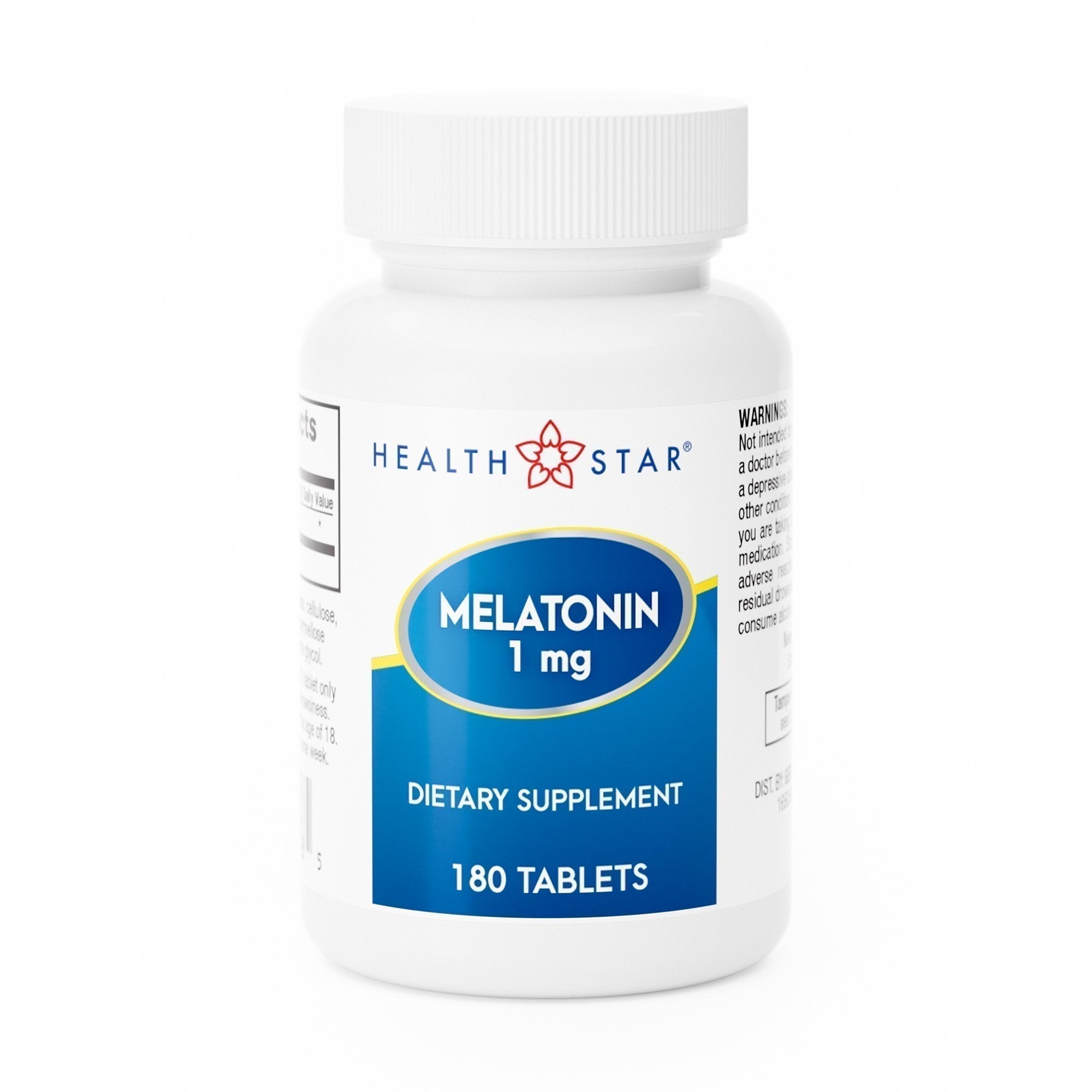
Melatonin is a hormone naturally produced by the pineal gland that regulates the sleep-wake cycle (circadian rhythm). Melatonin supplements don't work the same way as sedative sleep aids — they don't force sedation but rather help signal to the brain that it's time to sleep by mimicking the body's natural melatonin rise at dusk.
How melatonin helps insomnia: Melatonin is most effective for insomnia caused by circadian rhythm disruption — jet lag, shift work disorder, delayed sleep phase syndrome (night-owl chronotype), and age-related melatonin decline (adults over 55 produce significantly less melatonin than younger people). For generalized insomnia without a clear circadian component, melatonin has more modest but real effects — reducing time to fall asleep by an average of 7-12 minutes in meta-analyses, a small but meaningful improvement for many people.
Melatonin dosage: Counter-intuitively, research suggests lower doses (0.5-1 mg) are often as effective as higher doses (5-10 mg) — and cause fewer side effects. Many OTC melatonin products (3 mg, 5 mg, 10 mg) significantly exceed the dose your body naturally produces (approximately 0.3 mg). Starting low (0.5-1 mg) and increasing only if needed is the recommended approach. Take melatonin 30-60 minutes before your desired sleep time.
Who melatonin works best for: Shift workers, jet lag sufferers, older adults (55+), people with delayed sleep phase (night owls struggling to fall asleep early), and people with mild sleep-onset insomnia. Explore AllCare Store's Sleep Aids collection for quality melatonin options.
The Best Natural Sleep Aid Supplements: Evidence Review
Beyond melatonin, several natural supplements have evidence supporting their use for sleep improvement. Understanding what each does, what the evidence shows, and who they're best suited for helps you make an informed choice.
Magnesium: The Relaxation Mineral
Magnesium is involved in over 300 biochemical reactions in the body, including regulation of the nervous system and GABA receptors (the brain's primary inhibitory neurotransmitter, associated with relaxation and sleep). Magnesium deficiency — extremely common in modern diets — is associated with increased anxiety, muscle tension, and sleep disturbance.
Clinical evidence for magnesium and sleep is growing. A 2012 double-blind, placebo-controlled trial found magnesium supplementation improved sleep quality, sleep efficiency, sleep duration, and early morning awakening in elderly adults with insomnia. A systematic review found magnesium supplementation significantly reduced time to fall asleep and improved subjective sleep quality.
Different magnesium forms vary in absorption and specific effects: Magnesium glycinate (bound to glycine, itself a calming amino acid) is often recommended specifically for sleep and anxiety. Magnesium L-threonate may have enhanced brain-specific bioavailability. Magnesium citrate is well-absorbed. Magnesium oxide is poorly absorbed and mainly useful as a laxative.
Best for: People with muscle tension, restless legs, anxiety-driven insomnia, or suspected magnesium deficiency. Also beneficial for older adults with poor magnesium intake. Find magnesium supplements in our Vitamins & Supplements collection.
Valerian Root
Valerian (Valeriana officinalis) is one of the most studied herbal sleep remedies. Its active compounds appear to interact with GABA receptors — the same receptors targeted by benzodiazepine medications like Valium and Xanax, though through different mechanisms and with far less potency and no addiction risk.
The evidence for valerian is mixed but leans positive for sleep quality improvement. A 2020 systematic review found that short-term valerian use appears safe for adults with minor side effects, and several studies show benefits for sleep latency and quality. The key characteristic: valerian typically requires 2-4 weeks of consistent nightly use before maximum effects are achieved — unlike OTC sleep aids that work immediately. Some people also notice a counterintuitive initial alertness effect in the first few nights of use.
Best for: People seeking a gentle, non-habit-forming sleep support with no tolerance development; those with mild to moderate sleep-onset difficulties; people who've tried melatonin without adequate results.
L-Theanine
L-theanine is an amino acid found primarily in green tea leaves. It promotes relaxation by increasing alpha brain wave activity and GABA, serotonin, and dopamine levels — without producing sedation. This "relaxation without drowsiness" effect makes it valuable for anxiety-driven sleep difficulties.
Research shows L-theanine reduces anxiety, mental stress, and physical tension without causing sedation — making it particularly useful for people whose sleep problems stem from an overactive, anxious mind that won't quiet down. A 2019 study found 200 mg of L-theanine before bed improved sleep quality, sleep satisfaction, and reduced time to fall asleep. Unlike antihistamines, L-theanine doesn't cause next-day drowsiness, making it one of the cleanest options for pre-sleep relaxation.
L-theanine is often combined with low-dose melatonin for synergistic effects: L-theanine quiets the anxious mind while melatonin signals the circadian clock that it's time to sleep. Browse our supplement collection for L-theanine and combination sleep support products.
Best for: People with anxiety-driven insomnia; those whose main problem is a racing mind at bedtime; people who want daytime stress reduction that carries over to better sleep at night.
5-HTP (5-Hydroxytryptophan)
5-HTP is a naturally occurring compound and direct precursor to serotonin, which is then converted to melatonin. By increasing serotonin availability, 5-HTP may improve both mood and sleep. Several studies show 5-HTP improves sleep quality and duration, with a 2010 study specifically finding improvements in REM sleep.
Important caution: 5-HTP should not be combined with SSRIs, SNRIs, MAOIs, or other serotonergic medications without medical guidance due to risk of serotonin syndrome. Always consult your doctor if you take any mood-related medications.
Best for: People with combined sleep and mood difficulties (under medical supervision); those not taking serotonergic medications.
Ashwagandha
Ashwagandha (Withania somnifera) is an adaptogenic herb from Ayurvedic medicine with growing evidence for sleep and stress benefits. A 2019 randomized, double-blind, placebo-controlled trial found that ashwagandha root extract significantly improved sleep quality, sleep onset latency, and reduced anxiety. The mechanism involves cortisol reduction (ashwagandha is well-established as a cortisol-lowering adaptogen) and direct effects on sleep-regulating brain pathways through compounds called withanolides.
Best for: People whose poor sleep is driven by chronic stress and elevated cortisol; those experiencing stress-related fatigue that paradoxically makes falling asleep difficult.
GABA Supplements
Gamma-aminobutyric acid (GABA) is the brain's primary inhibitory neurotransmitter — it literally tells the nervous system to slow down. The debate in research is whether oral GABA supplements can cross the blood-brain barrier effectively enough to produce central nervous system effects. Some studies suggest that specific forms can reach the brain and produce relaxation and sleep benefits; others find minimal central effects. PharmaGABA, a form produced through fermentation, may have superior bioavailability. Evidence is promising but still developing. GABA supplements are generally well-tolerated and worth trying as part of a multi-supplement approach to sleep.
Master Comparison: All Sleep Aid Options at a Glance
| Sleep Aid | Type | Onset | Best For | Key Concern | Tolerance Risk |
|---|---|---|---|---|---|
| Diphenhydramine | OTC antihistamine | 30 min | Short-term acute insomnia | Grogginess, not for seniors | High (3-7 days) |
| Doxylamine | OTC antihistamine | 30 min | Short-term sleep maintenance | Stronger grogginess | High (3-7 days) |
| Melatonin | Hormone supplement | 30-60 min | Circadian disruption, jet lag | Mild, dose matters | Low |
| Magnesium | Mineral supplement | Gradual (1-2 weeks) | Tension, anxiety, seniors | High doses cause diarrhea | None |
| Valerian Root | Herbal supplement | 2-4 weeks | Mild-moderate insomnia | Varies by product quality | Very low |
| L-Theanine | Amino acid supplement | 30-60 min | Anxiety-driven insomnia | Very few known | None |
| Ashwagandha | Adaptogen herb | 2-4 weeks | Stress-driven poor sleep | Can interact with thyroid meds | None |
| 5-HTP | Amino acid precursor | 1-2 weeks | Mood + sleep combination | Avoid with SSRIs/SNRIs | Low |
| GABA | Neurotransmitter supplement | 30-60 min | General relaxation | Limited evidence on bioavailability | None known |
| CBT-I (behavioral) | Therapy (non-supplement) | 4-8 weeks | Chronic insomnia | Requires access/time | None |
Sleep Aids for Specific Populations: Getting It Right for Your Situation
Best Sleep Aids for Older Adults (65+)
Insomnia affects up to 60% of older adults. Sleep architecture changes with age — less deep (slow-wave) sleep, more light sleep, earlier wake times, and reduced melatonin production are all normal aging-related changes. Crucially, the most accessible OTC sleep aids (diphenhydramine-based products) are also the most dangerous for older adults.
The American Geriatrics Society explicitly recommends against using diphenhydramine in adults over 65. The risks include fall risk from nighttime grogginess and confusion, cognitive impairment with repeated use, urinary retention (particularly risky for men with prostate enlargement), and emerging evidence of long-term anticholinergic effects on cognitive function.
Safer options for seniors: Low-dose melatonin (0.5-2 mg) is the most evidence-backed first choice. Magnesium glycinate supports relaxation without any cognitive risk. L-theanine is safe and well-tolerated. Valerian, at appropriate doses, has a benign safety profile in older adults. The relative safety of these supplements versus antihistamines makes them the clear preferred choice for older adults managing sleep difficulties.
Best Sleep Aids for Shift Workers
Shift workers face chronically disrupted circadian rhythms — their sleep-wake schedule conflicts with natural light-dark cycles. This makes conventional sleep hygiene advice ("go to bed when you're tired, wake up at a consistent time") largely inapplicable.
Evidence-backed approach for shift workers: Melatonin taken 30 minutes before the intended sleep period (whether that's 8 AM or 3 PM) is the most scientifically supported intervention for shift work sleep disorder. Light therapy — using bright light at the start of the shift to anchor alertness — is equally important. Blackout curtains and eye masks for daytime sleep are essential. Find sleep support products in our Sleep Aids collection.
Best Sleep Aids for Jet Lag
Jet lag is a circadian rhythm disruption caused by rapidly crossing time zones. The body's internal clock remains anchored to the home time zone while the environment demands a new schedule. Eastward travel (losing hours) is generally worse than westward travel for most people.
Evidence-based jet lag protocol: Melatonin 3-5 mg taken at bedtime in the destination time zone for the first 3-4 days significantly accelerates circadian adaptation. Strategic light exposure — seeking bright light in the morning when traveling east, delaying light exposure when traveling west — complements melatonin perfectly. Short-term use of melatonin specifically for jet lag is one of the most clinically validated applications for this supplement.
Best Sleep Aids for Menopause-Related Insomnia
Hormonal changes during perimenopause and menopause frequently cause significant sleep disruption — hot flashes interrupt sleep, hormonal shifts alter sleep architecture, and mood changes create anxiety-driven sleeplessness. This is an area where underlying hormonal treatment (through a gynecologist or endocrinologist) may be the most effective approach.
For supplement support: Magnesium glycinate can help reduce the restlessness and anxiety that accompany hormonal transitions. L-theanine addresses the anxiety component. Some women find black cohosh helpful for hot flash-related sleep disruption. Low-dose melatonin addresses the circadian component of menopausal sleep change. Full hormone evaluation with a healthcare provider is recommended before long-term supplement use for menopause-related insomnia.
Best Sleep Aids for Anxiety-Related Insomnia
When anxiety is the primary driver of sleep difficulties — racing thoughts, inability to quiet the mind, heightened physiological arousal at bedtime — OTC sleep aids that work through sedation often provide disappointing results. Sedation and true relaxation are different things, and antihistamines don't address the anxious cognitive state that prevents sleep onset.
More targeted approach: L-theanine (200-400 mg) addresses anxiety-driven arousal most directly by increasing alpha brain waves and promoting calm alertness that transitions naturally to sleep. Ashwagandha reduces underlying cortisol and stress reactivity. Magnesium glycinate supports the nervous system's ability to down-regulate from stress. Breathing exercises and mindfulness-based relaxation techniques (the behavioral component of CBT-I) address the cognitive aspect directly. Find these supplements in our Vitamins & Supplements collection.
Building Your Sleep Aid Strategy: A Personalized Approach
The most effective sleep strategy is usually a combination of the right supplement(s) for your specific insomnia pattern combined with targeted sleep hygiene improvements. Here's a framework for building yours:
Step 1: Identify Your Primary Insomnia Pattern
Is your main problem: difficulty falling asleep (sleep-onset), waking up during the night (sleep-maintenance), waking too early (early morning), or all three? Different patterns suggest different supplement choices. Sleep-onset insomnia responds best to melatonin, L-theanine, and relaxation techniques. Sleep-maintenance issues may reflect deeper disruptions (sleep apnea, pain) that warrant medical evaluation.
Step 2: Consider Your Contributing Factors
Identify which of the common sleep disruptors (listed earlier) apply to your situation. Stress and anxiety? → L-theanine, ashwagandha. Circadian disruption? → Melatonin. Muscle tension and restlessness? → Magnesium glycinate. Age-related changes? → Melatonin + magnesium. Occasional acute stress? → Short-term OTC antihistamine (if under 65 and no contraindications).
Step 3: Start with One Change at a Time
Adding multiple new supplements simultaneously makes it impossible to know what's working. Start with the supplement most targeted to your primary issue. Give it 2-4 weeks before evaluating effectiveness and adding additional support if needed. Keep a brief sleep diary (bedtime, sleep onset time, wake times, wake-up time, quality rating 1-10) to track objective progress.
Step 4: Address the Behavioral Foundation
No sleep aid — natural or pharmaceutical — can fully compensate for persistently poor sleep hygiene. The behavioral and environmental factors that support sleep must be addressed for any supplement strategy to reach its full potential.
Sleep Hygiene: The Foundation Your Sleep Aid Needs
Sleep aids work best when they support an environment and routine that's already conducive to sleep. These evidence-backed sleep hygiene principles make every sleep intervention more effective:
Consistent Sleep-Wake Schedule
Your circadian rhythm is an actual biological clock that runs on predictability. Going to bed and waking up at the same time every day — yes, even weekends — is the single most powerful behavioral intervention for insomnia. Weekend sleep schedule variation ("social jetlag") disrupts the circadian rhythm and perpetuates weeknight insomnia. This one change alone helps many people with mild insomnia significantly.
Light Management
Light is the most powerful circadian signal. Get 15-30 minutes of bright light exposure within an hour of waking to anchor your circadian clock. Dim your home lights 1-2 hours before bed. Avoid LED and screen blue light for 30-60 minutes before sleep (or use blue-blocking glasses). Sleep in a dark room — even small amounts of light during sleep impair sleep quality and melatonin production.
Temperature Optimization
Core body temperature naturally drops 1-2°F during sleep onset. This cooling is a signal and a facilitator of sleep. Keeping your bedroom cool (60-67°F or 15-19°C) supports this cooling process. A warm shower or bath 1-2 hours before bed causes a compensatory temperature drop afterward that accelerates sleep onset — a well-validated strategy sometimes called the "warm bath trick."
Caffeine Management
Caffeine has a half-life of 5-7 hours in most adults (longer in some). A 200 mg coffee at noon still contributes 100 mg of caffeine to your system at 5-7 PM — enough to meaningfully disrupt sleep quality. For sensitive individuals, cutting off caffeine by noon or earlier can dramatically improve sleep quality. Experiment with timing if caffeine is a variable in your situation.
Alcohol Reframing
Alcohol is widely used as a "nightcap" for its sedative effects — it does help many people fall asleep faster. But alcohol's effect on sleep quality is severely negative: it suppresses REM sleep, fragments sleep architecture (causing multiple awakenings in the second half of the night), and worsens obstructive sleep apnea. The help alcohol provides at sleep onset comes at a significant cost to overall sleep quality. People struggling with insomnia who drink regularly often see dramatic improvements simply from cutting out evening alcohol.
Managing Racing Thoughts at Bedtime
For people with anxiety-driven insomnia, the act of lying in bed attempting to sleep can trigger a cycle of anxious thoughts that make sleep impossible. Cognitive behavioral techniques for this include: scheduled "worry time" earlier in the evening (15 minutes of deliberate worry journaling, then no worry allowed at bedtime), stimulus control (don't use your bed for anything except sleep and sex — this strengthens the bed-sleep mental association), and "cognitive shuffle" techniques that redirect the mind from anxious thinking to more sleep-conducive mental states.
The Bedroom Environment
Your bedroom should be optimized exclusively for sleep. Remove work materials, screens, and anything that activates the "work" or "wakefulness" mental state. Invest in a comfortable mattress and pillow suited to your sleep position. Consider white noise for masking disruptive sounds. Use blackout curtains or an eye mask. These environmental investments pay dividends in sleep quality every single night.
When OTC Sleep Aids Aren't Enough: Understanding CBT-I
Cognitive Behavioral Therapy for Insomnia (CBT-I) is the gold-standard treatment for chronic insomnia according to the American Academy of Sleep Medicine, the American College of Physicians, and the European Sleep Research Society. These professional bodies recommend CBT-I as the first-line treatment for chronic insomnia — before prescription sleep medications.
CBT-I works by addressing the psychological and behavioral factors that perpetuate chronic insomnia: unhelpful beliefs about sleep, conditioned arousal in the bedroom, irregular sleep schedules, excessive time spent in bed awake, and the anxiety around sleep that becomes self-fulfilling. Studies consistently show CBT-I outperforms sleep medications for long-term outcomes, with benefits that persist and continue improving after treatment ends — unlike medications whose effects stop when the medication stops.
CBT-I is delivered by trained therapists (in-person or via telehealth), through structured digital CBT-I programs (Sleepio, CBT-I Coach app from the VA), or through self-guided workbooks. If you have chronic insomnia that hasn't responded to sleep aids and hygiene improvements, CBT-I is the next step to discuss with your doctor.
When to See a Doctor About Insomnia
Sleep aids — OTC or natural — are not appropriate as the sole treatment for all insomnia. See a healthcare provider if:
- Insomnia has persisted for more than 3-4 weeks despite sleep hygiene improvements and appropriate OTC support
- You snore loudly, stop breathing during sleep (as reported by a partner), or wake up unrefreshed despite adequate time in bed — these are classic signs of sleep apnea
- You experience uncomfortable leg sensations at night that urge you to move (possible restless leg syndrome)
- Insomnia is accompanied by significant mood changes, depression, or anxiety — these conditions require their own treatment
- You're taking multiple medications and experiencing sleep issues — drug interactions or medication side effects may be the primary cause
- You work night shifts and despite melatonin use, your sleep remains severely inadequate — shift work sleep disorder has specific treatment options
- You've been relying on OTC sleep aids for more than 2-3 weeks consecutively — tolerance and dependency patterns should be evaluated
Smart Shopping: Finding Quality Sleep Supplements
The dietary supplement market is less regulated than prescription medications, which means product quality varies significantly. Here's how to shop smart:
- Third-party testing: Look for products verified by NSF International, USP (United States Pharmacopeia), or ConsumerLab. These independent certifications verify the product contains what it claims, at the stated dose, without harmful contaminants.
- Transparent labeling: Avoid "proprietary blends" that don't disclose individual ingredient doses. If a product won't tell you how much of each ingredient it contains, that's a warning sign.
- Melatonin dose accuracy: Independent testing has found many melatonin products contain wildly different amounts than labeled — sometimes up to 400% more. Purchasing from reputable sources with third-party verification is especially important for melatonin.
- Herbal ingredient standardization: Look for valerian products standardized to valerenic acid content (typically 0.8%) — this ensures a consistent active compound level that matches the amounts used in clinical studies.
At AllCare Store, we curate our sleep health selection carefully and stand behind the quality of every product we carry. Explore our Sleep Aids collection for melatonin, sleep support supplements, and sleep accessories. Browse our Vitamins & Supplements collection for magnesium, L-theanine, ashwagandha, and other sleep-supporting nutrients. And check our Rest & Comfort collection for sleep environment products that complement your supplement strategy. You can also read our existing guide on Melatonin Dosage Guide for Better Sleep for more in-depth melatonin information.
Frequently Asked Questions About Sleep Aids for Insomnia
What is the safest OTC sleep aid?
For most adults under 65, low-dose melatonin (0.5-1 mg) is generally considered the safest OTC sleep aid option — it works with the body's natural chemistry, doesn't cause the tolerance and grogginess of antihistamine-based sleep aids, and has a strong safety record with minimal side effects at appropriate doses. Magnesium glycinate is also extremely safe and appropriate for long-term use. For temporary, occasional insomnia in adults without contraindications, diphenhydramine-based products are effective and appropriate for short-term use (no more than 1-2 weeks).
Can I take melatonin every night?
Daily melatonin use is considered safe for most adults based on current evidence, and many people use it nightly long-term without problems. However, most practitioners recommend cycling — taking breaks every 1-3 months — to maintain sensitivity and avoid any dependency psychology. The long-term effects of continuous melatonin supplementation in young, healthy adults aren't fully characterized, so using the lowest effective dose and taking periodic breaks is prudent. For older adults, where melatonin is addressing a genuine age-related decline in melatonin production, longer-term nightly use may be more clearly appropriate.
Why doesn't Benadryl help me sleep anymore?
Tolerance to diphenhydramine (Benadryl) develops rapidly — often within just 3-7 days of nightly use. The histamine H1 receptors that the medication blocks become upregulated (more numerous and sensitive) in response to chronic blockade, reducing the sedative effect. This is why most sleep specialists and pharmacists advise against using antihistamine sleep aids regularly — they essentially stop working in the very population (chronic insomnia sufferers) that needs ongoing sleep support. If diphenhydramine has lost its effectiveness, switching to a non-antihistamine approach — melatonin, magnesium, L-theanine, valerian — or seeking CBT-I therapy is the appropriate next step.
What's the best natural sleep aid without melatonin?
For people who find melatonin ineffective (it doesn't work for all insomnia types) or who prefer to avoid hormonal supplements, several well-evidenced alternatives exist: Magnesium glycinate (300-400 mg nightly) promotes muscle relaxation and GABA activity. L-theanine (200-400 mg) creates calm relaxation that facilitates sleep onset. Valerian root (300-600 mg standardized extract) provides GABA receptor support. Ashwagandha (300-600 mg KSM-66 extract) reduces cortisol and stress-driven wakefulness. Many people find combination products (magnesium + L-theanine + ashwagandha, for example) more effective than any single ingredient alone.
Is there a sleep aid that helps you stay asleep, not just fall asleep?
Extended-release melatonin formulations — sometimes called sustained-release or time-release — are specifically designed to help with sleep maintenance by releasing melatonin gradually throughout the night rather than all at once. Doxylamine (Unisom SleepTabs) has a longer duration than diphenhydramine and may help more with sleep maintenance. Valerian root is anecdotally reported more helpful for sleep maintenance than sleep onset. However, if sleep-maintenance insomnia is a persistent problem despite trying these approaches, sleep apnea is the most important condition to rule out — it's the most common treatable cause of sleep-maintenance insomnia and requires medical evaluation and specific treatment.
Can children use sleep aids?
Antihistamine-based OTC sleep aids are not approved for children under 12 and should never be used as sleep aids for young children. Some children's melatonin products are available, but pediatric insomnia should always be evaluated by a pediatrician before introducing any sleep supplement — many childhood sleep problems have behavioral causes best addressed with sleep training and hygiene rather than supplements. The American Academy of Pediatrics recommends against routine melatonin use in children without medical guidance.
Can I take a sleep aid and still drive in the morning?
This depends significantly on the specific sleep aid and individual metabolism. Diphenhydramine and doxylamine can cause next-day impairment — sometimes for 12+ hours after taking them — and should be used with caution by anyone who must drive or operate machinery the following morning. Melatonin at low doses (0.5-1 mg) typically clears within 4-6 hours and is much less likely to cause morning impairment. L-theanine has no known next-day impairment. Magnesium at normal doses does not cause morning impairment. If you need to take something at night and have an early morning drive, low-dose melatonin, magnesium glycinate, or L-theanine are preferable to antihistamine-based products.
David's Journey, Complete
Remember David, the 54-year-old business owner lying awake at 2 AM? After getting proper information about sleep aids and understanding his specific pattern (anxiety-driven sleep-onset insomnia), David built a multi-faceted approach:
He started with low-dose melatonin (1 mg, taken 45 minutes before bed) and L-theanine (200 mg) to address the circadian signal and the anxious mind. He instituted a consistent 10 PM bedtime — no exceptions, including weekends. He cut his afternoon coffee, moved his workout from evenings to mornings, and established a 30-minute wind-down routine that signaled his nervous system that sleep was coming.
Within two weeks, he was falling asleep in under 20 minutes — down from the hour-plus it had been taking. Within six weeks, he was sleeping consistently through the night. The melatonin and L-theanine didn't do all the work — but they bridged the gap while his behavioral changes were establishing his new normal.
"The biggest thing I learned is that sleep isn't something that just happens to you — you create the conditions for it," David reflects. "The supplements helped me get there, but the habits kept me there."
Your Better Sleep Starts Tonight
Insomnia is not something you have to simply endure. The science of sleep medicine has made tremendous strides in understanding both the causes of insomnia and the most effective treatments. Whether your sleep challenges are acute or chronic, mild or severe, there are evidence-backed approaches that can help — starting tonight.
The right sleep aid for you depends on understanding your specific insomnia pattern, your age and health status, any medications you take, and your lifestyle factors. Use the guidance in this article to narrow down your best options, start with the most targeted approach, and give your body time to respond.
AllCare Store is your trusted partner for sleep health products of all kinds. Explore our complete Sleep Aids collection, our Vitamins & Supplements collection for melatonin, magnesium, L-theanine, ashwagandha, and valerian root, and our Rest & Comfort collection for sleep environment products including sleep masks, white noise machines, and weighted blankets. We offer free shipping on qualifying orders, completely discreet packaging, and a 30-day return policy on all purchases.
You can also explore our related sleep health article on Weighted Blankets for Anxiety and Better Sleep for additional non-supplement sleep improvement strategies.
Have questions about which sleep aid is right for your situation? Our health product specialists are ready to help.
Call AllCare Store at 1-888-889-6260 — our team is available to guide you through your options and help you build a sleep strategy that works for your unique needs and health situation.
Tonight can be different. Better sleep — and a better-rested, healthier version of yourself — starts with taking the first step.
This article reflects current sleep medicine evidence as of 2026. Individual responses to sleep aids vary. Chronic insomnia requires medical evaluation. Always consult your healthcare provider before starting any new supplement, especially with existing health conditions or medications.