MEDICAL DISCLAIMER: This article is for informational purposes only and should not be used as a substitute for professional medical advice, diagnosis, or treatment. Always consult with your healthcare provider or a registered dietitian before making significant changes to your diet or beginning a weight management program. Individual nutritional needs vary.
Healthy Snacks for Weight Management: Your Complete 2026 Guide to Snacking Smarter

Susan's Story: The 3 PM Slump That Derailed Her Goals
Susan, 47, had been working hard on her health for three months. She'd swapped her morning pastry for oatmeal, started walking thirty minutes every day after dinner, and cut her portions at lunch and dinner. By her doctor's scale, she'd lost eight pounds — a solid start that her physician praised at her last checkup. Susan felt cautiously optimistic.
But there was one enemy she couldn't seem to defeat: the 3 PM wall.
Every afternoon, like clockwork, the hunger hit. Not the gentle kind of hunger that could be ignored — the gnawing, urgent kind that made it impossible to concentrate on her work as a middle school administrator. She'd hold out until about 3:15, then give up and head to the vending machine in the teacher's lounge. A bag of chips. Sometimes a candy bar. Once, memorably, a pack of peanut butter crackers that seemed healthy enough until she read the label later: 250 calories, 18 grams of fat, and almost no protein. By dinnertime, her appetite was confused and her calorie count was significantly over her target.
"I was doing everything right except the middle of the day," Susan told her dietitian. "And that one thing was undoing most of my progress."
Her dietitian gave her what turned out to be transformative advice: strategic snacking. Not the vague, unhelpful "eat better snacks" guidance Susan had heard before, but a specific plan for what to eat, how much, and when — built around foods that would satisfy her hunger, prevent blood sugar crashes, and support her weight management goals instead of sabotaging them.
Six weeks later, Susan had lost an additional six pounds. The 3 PM vending machine runs had stopped completely. She'd replaced them with a deliberate, satisfying snack that kept her energized through the end of the school day, prevented overeating at dinner, and actually tasted good enough that she looked forward to it.
If Susan's story sounds familiar — if you're doing the right things but still struggling with the snacking problem — this guide is for you. We'll cover everything you need to know about healthy snacking for weight management: what to eat, what to avoid, how to read labels, when to snack, and which products from AllCare Store's nutrition collection can support your goals.
Why Snacking Matters for Weight Management
Snacking has a complicated reputation in diet culture. Some programs ban snacks entirely. Others allow them freely. The truth, as with most nutrition topics, is more nuanced — and the research is clearer than many people realize.
The Blood Sugar Connection
When you go too long without eating, your blood sugar drops. This triggers hunger signals that become increasingly urgent and hard to resist. By the time you sit down to eat, your body is in a state of mild stress — and studies consistently show that people who are very hungry when they eat make poorer food choices, eat faster, and consume more calories than those who ate a planned snack beforehand.
Strategic snacking keeps your blood sugar stable throughout the day, which means you arrive at meals in a calm, controlled state. You make better choices, eat more slowly, and feel satisfied with reasonable portions. Over time, this pattern supports weight management far more effectively than the "willpower through starvation" approach that fails most people.
Metabolism and Muscle Preservation
Another key benefit of smart snacking, particularly for people over 40, is the role it plays in preserving lean muscle mass. When you under-eat or go very long stretches without protein, your body can begin breaking down muscle tissue for energy — a process that slows your metabolism and makes future weight management harder. Protein-rich snacks throughout the day signal your body that resources are plentiful, supporting muscle preservation and keeping your metabolism healthy.
Energy and Cognitive Performance
For people like Susan who work demanding jobs, the afternoon energy dip is real and physiological. Your brain runs on glucose, and when levels drop in the mid-afternoon, concentration, mood, and decision-making all suffer. A well-chosen snack addresses this directly, sustaining focus and performance through the rest of the workday — without the caloric cost of a large meal or the spike-and-crash pattern of sugary foods.
The Anatomy of a Perfect Weight-Management Snack
Not all snacks are created equal. The difference between a snack that supports your goals and one that undermines them comes down to a few key nutritional principles:
Protein: The Satiety Superstar
Protein is the single most important nutrient in a weight-management snack. Of the three macronutrients (protein, fat, and carbohydrates), protein has the highest satiety impact — it keeps you feeling full longer, reduces overall calorie intake, and requires more energy to digest. Aim for at least 10-15 grams of protein per snack to see meaningful hunger-suppressing effects.
Good protein sources for snacking include:
- Protein bars and nutrition bars (look for ones with 10+ grams of protein)
- Greek yogurt (15-20g protein per cup)
- Hard-boiled eggs (6g per egg)
- Cottage cheese (14g per half cup)
- Edamame (8g per half cup)
- Jerky and dried meat snacks (varies by brand)
- Nut butter with whole grain crackers
Fiber: Filling Without the Calories
Dietary fiber doesn't provide significant calories, but it does provide significant fullness. Fiber adds bulk to your snack, slows digestion, and helps regulate blood sugar levels — all properties that support weight management. Foods high in fiber also tend to require more chewing, which gives your hunger-signaling hormones time to catch up with your eating.
Target 3-5 grams of fiber in a weight-management snack. Good sources include:
- Fresh fruits (especially apples, pears, and berries)
- Raw vegetables with hummus
- Whole grain crackers
- Chia seeds and flaxseeds
- High-fiber nutrition bars
- Legumes (chickpeas, lentils)
Healthy Fats: Slow-Burning Energy
Don't fear fats — fear the wrong fats. Healthy unsaturated fats from nuts, seeds, avocados, and olive oil provide slow-burning energy that prevents hunger from spiking between meals. They also make snacks taste better and feel more satisfying. A small amount of fat (5-10 grams) in a snack helps slow digestion and prolongs satiety, though fat is calorie-dense so portion control matters.
Calorie Range: The Sweet Spot
For most people managing their weight, a snack should contain between 150 and 250 calories. Too few calories (under 100) and the snack doesn't meaningfully address hunger; too many (over 300+) and you're essentially eating a small meal that reduces the calorie deficit needed for weight loss. The 150-250 calorie range is the sweet spot: enough to satisfy, not enough to derail.
Top Categories of Healthy Weight-Management Snacks
1. Protein and Nutrition Bars
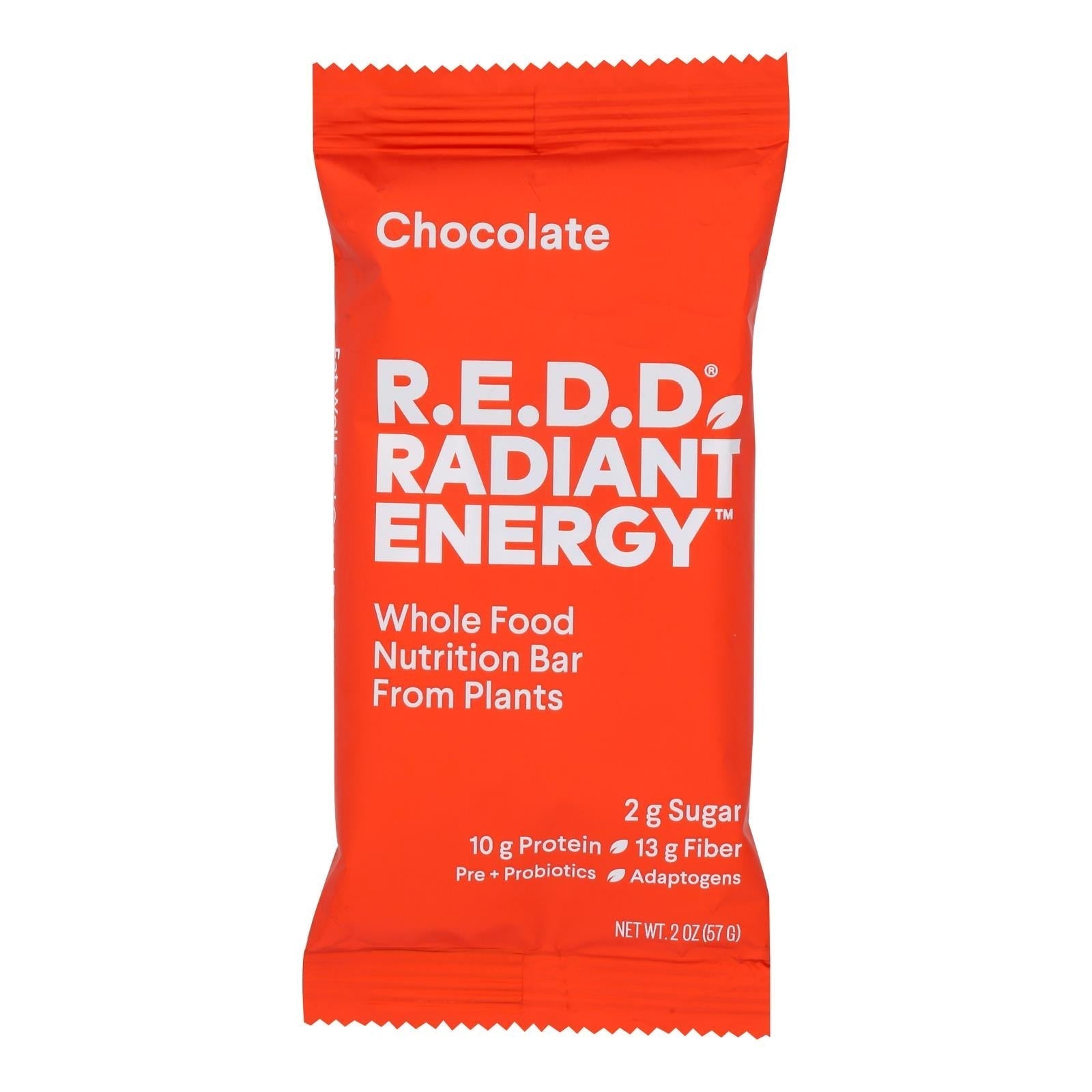
Protein and nutrition bars are perhaps the most convenient weight-management snack option available. They're portable, require no refrigeration, have a known calorie count, and come in dozens of flavors. Browse AllCare Store's nutrition bars and snacks collection for a curated selection of bars designed to support health and nutrition goals.
When choosing a nutrition bar, look for:
- 10+ grams of protein
- 3+ grams of fiber
- Under 200-250 calories
- Less than 10 grams of sugar (ideally less than 5 grams of added sugar)
- Recognizable, whole-food ingredients
- Minimal artificial sweeteners if possible
Be wary of bars that are marketed as "energy" bars but are essentially candy bars with a protein claim. Read the label carefully — some popular bars contain 25-35 grams of sugar, which will cause a blood sugar spike and subsequent crash, the opposite of what you want for weight management.
2. Fresh Fruits and Vegetables
The original healthy snack, fruits and vegetables offer vitamins, minerals, fiber, and water content that make them incredibly filling for their calorie count. An apple (about 80 calories) contains 4 grams of fiber and can reduce hunger as effectively as a snack twice its caloric value, partly because of the chewing required and the fiber's effect on digestion.
Best fruit snacks for weight management:
- Apples (high fiber, natural sweetness)
- Berries (extremely low calorie, high antioxidants)
- Pears (high fiber, filling)
- Citrus fruits (high water content, vitamin C)
- Kiwi (rich in vitamin C and fiber)
Best vegetable snacks:
- Celery with nut butter
- Baby carrots with hummus
- Cucumber slices with Greek yogurt dip
- Bell pepper strips
- Cherry tomatoes
- Snap peas
Pairing vegetables with a protein source (hummus, Greek yogurt, cheese) dramatically increases the satiety of a vegetable snack and ensures you get the macronutrient balance needed for sustained fullness.
3. Dairy and Dairy Alternatives
Greek yogurt, cottage cheese, and string cheese are protein-rich, satisfying snacks that work extremely well for weight management. Greek yogurt in particular has become a snacking staple for good reason: a single cup of plain Greek yogurt contains 15-20 grams of protein for just 100-130 calories, making it one of the most protein-dense snacks available.
Tips for dairy-based snacks:
- Choose plain varieties and add your own fruit — flavored options often contain 15-20 grams of sugar
- Full-fat options are more satisfying but higher in calories; 2% is a good middle ground
- Pair with fresh fruit or a small amount of granola for added fiber and texture
- For lactose intolerance, look for lactose-free dairy options or high-protein plant-based alternatives
4. Nuts and Seeds
Nuts are calorie-dense but highly satisfying, and research consistently shows that people who include nuts in their diet maintain weight more effectively than those who avoid them. The key is portion control: a standard serving of almonds is 23 nuts (about 1 ounce), providing 160 calories, 6 grams of protein, 3 grams of fiber, and 14 grams of healthy fat.
Best nuts for weight management:
- Almonds (highest in fiber of common nuts)
- Pistachios (naturally portion-controlled in shells, lower calorie per nut)
- Walnuts (rich in omega-3 fatty acids)
- Cashews (good protein content)
- Peanuts and peanut butter (technically legumes, but nutritionally similar)
Seeds like pumpkin seeds, sunflower seeds, and chia seeds are excellent additions to snacks. Chia seeds in particular can be added to yogurt or water to create a gel-like, fiber-rich snack that's remarkably filling.
5. Meal Replacement Shakes and Supplements
For people who prefer drinking their snack rather than eating it, or for those with busy schedules who need maximum convenience, meal replacement shakes and nutritional supplements can be effective weight-management tools. Look for products with at least 15 grams of protein, 3 grams of fiber, and a complete vitamin and mineral profile.
Explore our complete nutrition and feeding collection at AllCare Store, where you'll find a comprehensive selection of nutritional supplements, meal replacement options, and dietary support products designed to complement a healthy lifestyle.
Snack Timing: When to Eat for Maximum Weight-Management Benefit
Timing your snacks strategically can significantly amplify their effectiveness for weight management. Here are the key timing principles to follow:
The Pre-Meal Snack Window
Eating a small, protein and fiber-rich snack 30-60 minutes before a meal can reduce your overall meal consumption by 15-20% — without any additional willpower required. The snack takes the edge off hunger so you make better choices and eat more slowly. This is particularly useful before social meals, restaurant dinners, or holiday gatherings where temptation runs high.
The Mid-Morning and Mid-Afternoon Sweet Spots
Most people do best with snacks in two primary windows: mid-morning (9:30-10:30 AM) and mid-afternoon (2:30-3:30 PM). These are the periods when blood sugar naturally starts to dip between standard meal times, which is why the 3 PM energy slump is so universal and predictable. A planned snack in this window prevents the blood sugar crash that leads to vending machine surrenders and poor food choices.
The Post-Workout Window
After exercise, your muscles are primed to absorb protein for recovery. A post-workout snack containing 15-25 grams of protein within 30-60 minutes of finishing exercise supports muscle recovery and preservation, which in turn maintains your metabolism at a higher level. This is one of the most important snack moments for anyone exercising as part of a weight management plan.
Evening Snacking: Proceed with Awareness
Evening snacking is where most weight-management plans fall apart. The problem isn't that eating after 6 PM is inherently problematic — it's that evening eating tends to be habitual, mindless, and driven by boredom or stress rather than genuine hunger. If you're genuinely hungry in the evening, a small, protein-rich snack is perfectly fine. If you're reaching for chips while watching television, that's a different issue that requires a behavioral approach rather than a food choice solution.
Comparing Popular Healthy Snack Options: Nutritional Guide
| Snack Option | Serving Size | Calories | Protein (g) | Fiber (g) | Best For |
|---|---|---|---|---|---|
| Greek Yogurt (plain) | 1 cup (227g) | 130 | 17-20 | 0 | High protein, post-workout |
| Apple + 1 tbsp Almond Butter | Medium apple + 16g nut butter | 190 | 4 | 5 | Fiber, mid-afternoon |
| Protein Bar (quality) | 1 bar (50-60g) | 180-220 | 15-20 | 3-5 | Convenience, on-the-go |
| Almonds | 23 nuts (28g) | 160 | 6 | 3 | Healthy fats, portable |
| Cottage Cheese | 1/2 cup (113g) | 90 | 12 | 0 | Very high protein, low cal |
| Celery + Hummus (4 tbsp) | 3 stalks + 60g hummus | 120 | 5 | 4 | Very low calorie, fiber |
| Hard-Boiled Eggs (2) | 2 large eggs | 140 | 12 | 0 | Protein, satiety |
| Mixed Berries | 1 cup (150g) | 70 | 1 | 4 | Lowest calorie, antioxidants |
| Edamame (shelled) | 1/2 cup (75g) | 95 | 8 | 4 | Protein + fiber combo |
| String Cheese | 1 stick (28g) | 80 | 6 | 0 | Portable, convenient |
Reading Nutrition Labels: What to Look For (and Avoid)
Understanding how to read a nutrition label is one of the most valuable skills for anyone managing their weight through smart snacking. Here's a quick guide to the most important elements:
Serving Size: The Sneaky Starting Point
Always start with the serving size. Food manufacturers often set serving sizes deceptively small to make the calorie and sugar counts look better. A bag of chips might list "150 calories per serving" but the bag contains 3 servings — meaning you'd consume 450 calories if you ate the whole bag. Check the serving size first, then decide if you'll realistically eat just one serving.
The 5% and 20% Rules
For percentage Daily Value (%DV) listed on nutrition labels:
- 5% DV or less is considered LOW — good for things you want to limit (sodium, saturated fat, added sugars)
- 20% DV or more is considered HIGH — good for things you want more of (fiber, protein, vitamins)
Added Sugars vs. Total Sugars
Total sugars includes naturally occurring sugars from fruit and dairy, which are less concerning from a health perspective. Added sugars — those added during manufacturing — are the ones to watch. For weight management, aim for snacks with less than 5-8 grams of added sugar. Some "healthy" granola bars and fruit bars contain 12-20 grams of added sugar, which is more than a chocolate chip cookie.
Ingredient Order Matters
Ingredients are listed in order of predominance by weight. If sugar (or any of its many aliases — corn syrup, dextrose, maltose, fruit juice concentrate) appears in the first three ingredients of a snack food, you're essentially eating a sweet treat with marketing spin. The first ingredients of a healthy snack should be whole foods: nuts, oats, dried fruit, protein sources, etc.
Supplements That Support Healthy Snacking and Weight Management
While whole foods form the foundation of healthy snacking, certain supplements can support your overall weight management efforts when used alongside a balanced diet. Browse our comprehensive vitamins and supplements collection at AllCare Store for science-backed options.
Fiber Supplements
If you struggle to get enough fiber from food alone, a daily fiber supplement can help support satiety and digestive health. Fiber supplements like psyllium husk powder or inulin can be mixed into water or smoothies and consumed before meals to reduce appetite and support healthy blood sugar levels.
Protein Supplements
Protein powders can be used to boost the protein content of snacks like yogurt, oatmeal, or homemade smoothies. They're particularly useful for active individuals who need higher protein intake for muscle maintenance and recovery. Look for options with minimal added sugars and a clean ingredient profile.
Electrolytes and Hydration
Sometimes hunger signals are actually thirst in disguise. Staying well hydrated throughout the day can reduce false hunger signals. If you exercise regularly and sweat significantly, electrolyte supplements can help maintain hydration and energy levels, reducing the fatigue that often leads to poor snack choices.
Building a Healthy Snack Strategy: A Step-by-Step Plan
Good intentions aren't enough — you need a concrete plan. Here's how to build a snack strategy that actually works for weight management:
Step 1: Identify Your Danger Zones
When do you typically reach for unhealthy snacks? For Susan, it was 3 PM. For others, it's late evening, or right before dinner when they're waiting for food to cook. Identify your specific vulnerable times so you can plan ahead for them.
Step 2: Stock Your Environment Strategically
Research consistently shows that the snacks we eat are determined more by what's available and visible than by what we intend to eat. If the first thing you see when you open the pantry is chips, you'll eat chips. If your refrigerator contains pre-portioned Greek yogurt, cut vegetables, and string cheese at eye level, you'll reach for those instead. Arrange your kitchen and workspace to make healthy snacks the path of least resistance.
Step 3: Pre-Portion Your Snacks
Eating directly from a bag or container makes it extremely easy to overeat. Pre-portion your snacks into individual serving sizes at the beginning of the week. Use small bags, containers, or snack-size cups to portion out nuts, crackers, vegetables, and other items. This takes 10-15 minutes on Sunday but saves you from dozens of poor choices throughout the week.
Step 4: Build In Protein
Review your current snack habits and ask yourself: does each snack contain at least 10 grams of protein? If not, add a protein source to what you're already eating. Pair your apple with 1-2 tablespoons of almond butter. Add a serving of protein bar alongside your afternoon coffee instead of a cookie. These small pairings can dramatically change how satisfied and controlled you feel through the day.
Step 5: Drink Water First
Before reaching for any snack, drink 8-16 ounces of water and wait 10 minutes. This habit can eliminate 20-30% of snacking occasions, because true hunger persists through the water while thirst and boredom do not. It's a simple, free tool that significantly reduces calorie intake over time.
Healthy Snacking for Different Lifestyles
For Busy Professionals
The challenge for people like Susan is access to healthy options during the workday. Solutions include keeping a snack drawer stocked with non-perishable options (protein bars, nuts, jerky, dried chickpeas), bringing prepared snacks from home each morning, and identifying healthy options in nearby restaurants or cafeterias for emergency situations. Browse our nutrition bars collection for on-the-go options that travel well.
For Seniors
Adults over 65 have unique nutritional needs that snacking can help address. Protein needs actually increase with age, making protein-rich snacks particularly important. Calcium-rich snacks (dairy, fortified alternatives) support bone health. Fiber-rich options support digestive health, which can become more challenging with age. Seniors on multiple medications should also be aware of any dietary restrictions their medications might impose — for example, some blood thinners interact with high amounts of vitamin K found in green vegetables. Visit our AllCare Store homepage for a complete range of health and nutrition products designed to support healthy aging.
For Diabetics and Pre-Diabetics
People managing blood sugar levels need to be particularly thoughtful about snack choices. The goal is to prevent both blood sugar spikes (from high-sugar, high-refined-carb snacks) and crashes (from not eating). The best diabetic-friendly snacks combine protein, fiber, and minimal added sugars. Read our guide on best glucose meters for diabetics to understand how snack choices affect your blood sugar readings.
For Active Individuals
People who exercise regularly have higher protein and carbohydrate needs. Pre-workout snacks should emphasize easy-to-digest carbohydrates for energy; post-workout snacks should prioritize protein for muscle recovery. A banana with peanut butter before a workout and Greek yogurt with berries afterward is a classic, effective combination.
What to Avoid: The "Health Halo" Trap
Many snacks carry health marketing claims that don't hold up to scrutiny. Be skeptical of these common "health halo" products:
- Granola bars labeled "natural" or "whole grain": Many contain 15-20 grams of added sugar — as much as a candy bar. Check the ingredients and added sugar content carefully.
- Fruit snacks and dried fruit: While whole fruit is excellent, commercial fruit snacks are often little more than sugar. Even plain dried fruit is very calorie-dense — a small box of raisins has the same calories as 3 cups of fresh grapes. Easy to overeat.
- Rice cakes and corn chips marketed as "light": These are primarily refined carbohydrates with minimal protein or fiber. They cause a quick blood sugar spike followed by hunger returning faster than if you'd eaten a more balanced snack.
- Smoothies and juice drinks: Even when made from whole fruit, blended drinks lack the fiber structure that slows digestion and provides satiety. A smoothie made from 2 cups of fruit can contain 200+ calories with minimal satiety benefit compared to eating those fruits whole.
- "Low fat" snacks: When fat is removed from food, it's usually replaced with sugar and refined carbohydrates to maintain palatability. Low-fat often means higher sugar, which is counterproductive for weight management.
Meal Prep Tips for a Week of Healthy Snacking
Success with healthy snacking is largely a prep problem, not a willpower problem. Here's a simple weekly prep routine that takes about 30 minutes and sets you up for the entire week:
Sunday Snack Prep
- Hard-boil a batch of 6-8 eggs
- Wash and cut a variety of vegetables (celery, carrots, bell peppers, cucumbers)
- Pre-portion nuts into individual serving-size bags
- Wash and prep fruit for easy access
- Make a batch of hummus or other dip
- Stock your snack drawer or desk with non-perishable options from our nutrition bars and snacks collection
Frequently Asked Questions About Healthy Snacking for Weight Management
How many calories should a weight-management snack have?
For most people actively managing their weight, a snack should contain between 150 and 250 calories. This range is enough to meaningfully address hunger and prevent blood sugar drops without significantly impacting your daily calorie budget. The exact amount depends on your total daily calorie goal, your activity level, and how many snacks you're eating per day. People with very active lifestyles or higher calorie needs may benefit from snacks closer to 250-300 calories, while those with more sedentary lifestyles may want to stay closer to 150 calories per snack.
Are protein bars good for weight loss?
High-quality protein bars can be excellent tools for weight management when chosen carefully. Look for bars with at least 10-15 grams of protein, at least 3 grams of fiber, and under 10 grams of added sugar — ideally under 200-250 total calories. However, many bars marketed as "protein bars" are essentially candy bars with protein added. Read labels carefully. The best bars contain recognizable whole-food ingredients and have a protein content that genuinely distinguishes them from glorified candy.
Is it better to eat 3 meals or 3 meals plus snacks for weight loss?
Research on meal frequency and weight management shows that the optimal eating pattern varies significantly by individual. For many people, especially those with blood sugar regulation challenges, eating 3 meals plus 1-2 planned snacks prevents the extreme hunger that leads to poor choices and overeating at meals. For others, 3 larger meals without snacking works better. The most important factor is overall calorie intake over the day — whether it comes in 3 meals or 5 eating occasions matters less than the total amount and quality of food consumed. Experiment with both approaches and choose whichever one helps you maintain a moderate calorie deficit without feeling deprived.
What are the best snacks to eat before bed?
If you're genuinely hungry before bed, choose snacks that are small (100-150 calories), protein-rich, and low in sugar. Good options include a small serving of cottage cheese, a hard-boiled egg, a few tablespoons of nut butter with celery, or a small serving of Greek yogurt. Avoid high-sugar snacks before bed, as they can disrupt sleep quality and cause nighttime blood sugar fluctuations. Also avoid large portions — late-night eating is best kept minimal, and ideally limited to true hunger rather than habit or boredom.
How can I stop craving unhealthy snacks?
Cravings for unhealthy snacks are usually driven by blood sugar fluctuations, nutritional deficiencies, inadequate protein or fat intake at meals, dehydration, stress, and habitual patterns reinforced over time. The most effective approaches include eating regular meals with adequate protein and fat (which reduces cravings), drinking more water, ensuring you get enough sleep (sleep deprivation dramatically increases food cravings), managing stress through non-food activities, and gradually replacing unhealthy snacks with healthier alternatives rather than attempting cold-turkey elimination. It typically takes 2-3 weeks of consistent healthy snacking for new patterns to feel natural.
Are nuts fattening? Can I eat them while trying to lose weight?
Despite being calorie-dense, nuts are not associated with weight gain in research studies — in fact, people who eat nuts regularly tend to have lower body weights than those who avoid them. This is likely because the protein, fiber, and fat in nuts provide strong satiety, the act of eating nuts slowly reduces overall food intake, and some of the calories in nuts are not fully absorbed due to their structure. The key is portion control: limit yourself to 1 ounce (about a small handful) per snack. Pre-portioning helps avoid the easy overconsumption that happens when eating from a larger container.
Start Snacking Smarter Today
Susan's transformation didn't happen because she found some secret snacking formula. It happened because she understood the principles behind effective weight management snacking and applied them consistently. She planned her snacks in advance, chose options with real protein and fiber, and removed the decision-making from the most vulnerable part of her day. The rest — losing those extra six pounds in six weeks — followed naturally.
You can apply the same principles. Start by identifying your most vulnerable snacking moments. Then, stock up on healthy, protein and fiber-rich snacks that you actually enjoy. Browse our complete nutrition bars and healthy snacks collection and our nutrition and feeding collection for quality options to support your weight management goals.
Our team at AllCare Store is here to help you find the right products for your specific needs. Whether you're looking for protein bars, nutritional supplements, or other health support products, we carry everything you need to succeed.
Call us today at 1-888-889-6260 to speak with a knowledgeable representative. We offer free shipping on qualifying orders, discreet packaging for your privacy, and a 30-day return policy so you can shop with complete confidence.
Your weight management journey deserves the right support. Let AllCare Store be part of your success story.
Visit AllCareStore.com to explore our complete range of health, wellness, and nutrition products.
Medical Disclaimer: This article is for informational purposes only and does not constitute medical advice. Individuals at high risk for pressure injuries should consult a physician, occupational therapist, or certified rehabilitation engineer before selecting a wheelchair cushion.