Heavy incontinence calls for more than simply choosing the thickest product on the shelf. The best protection comes from matching absorbency, fit, product style, mobility, changing routine, and skin care to the person who will actually use the product.
This guide explains how to choose adult diapers for heavy incontinence, when a tab-style brief may work better than a pull-up, how booster pads fit into the system, and what to check when leaks continue.
What to look for in protection for heavy incontinence
- Appropriate absorbency: Choose a product intended for heavy or maximum protection when lighter products are repeatedly reaching capacity.
- Correct fit: A highly absorbent brief can still leak if it is too large, too small, or positioned incorrectly.
- Leak guards and leg fit: Standing inner barriers and a secure leg opening help contain urine and bowel leakage.
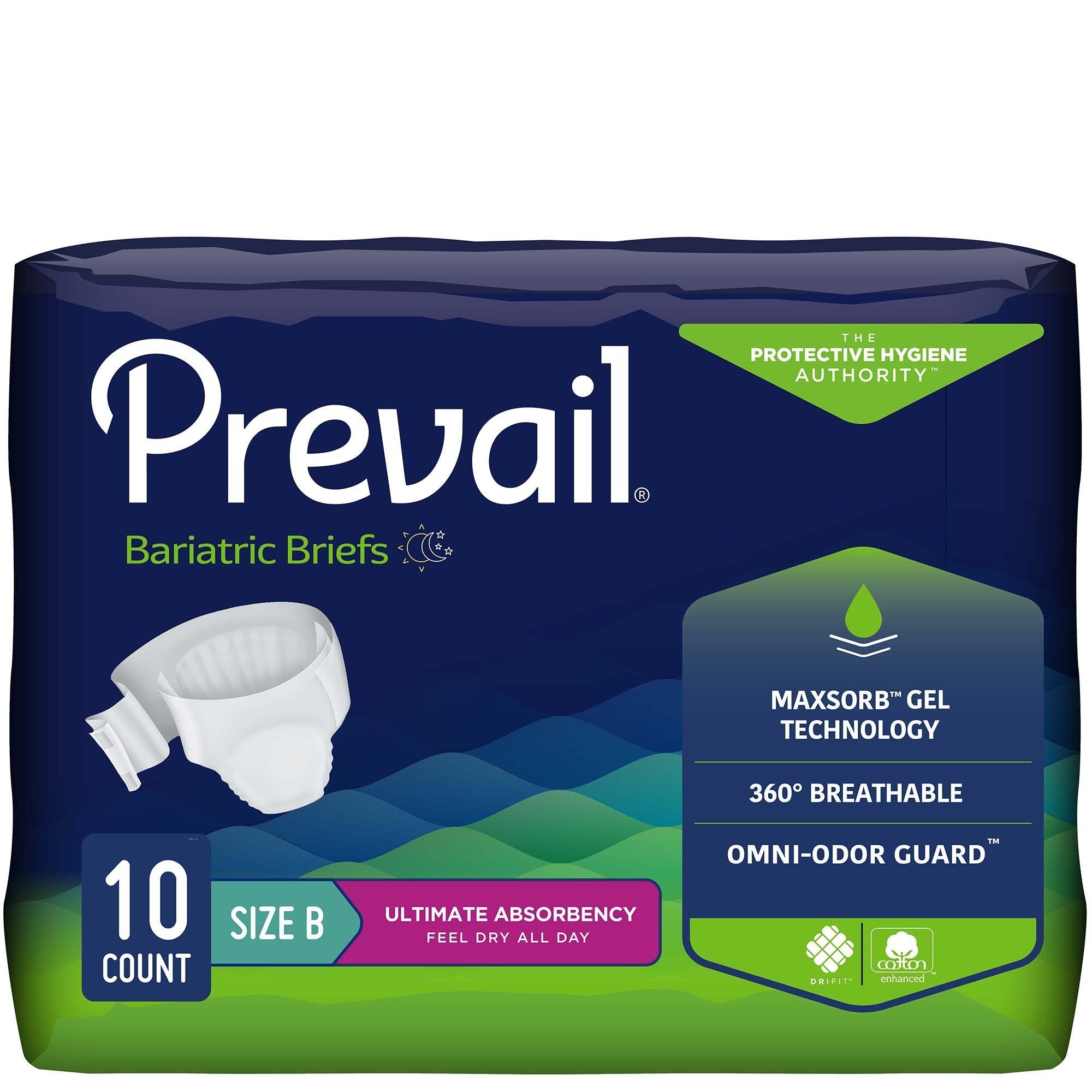
- Refastenable tabs when caregiving is involved: Side-fastening briefs are often easier to apply and check when the wearer has limited mobility.
- Breathable materials: Comfort matters when protection is worn for long periods.
- Wetness indicators: Some briefs include indicators that can make caregiver checks easier.
Browse AllCareStore's adult diapers with tabs and broader adult diapers and protective underwear collections to compare formats.
Tab-style briefs vs pull-up underwear for heavy leakage
Pull-up protective underwear is convenient for people who are mobile, can dress independently, and still use the toilet. For heavier leakage, limited mobility, or caregiver-assisted changes, tab-style adult briefs are often more practical because they can be changed without stepping into the garment.
If you are unsure which format fits the routine, see our pull-up vs tab-style adult diaper comparison.
Fit problems can look like absorbency problems
If the product leaks around the thighs or waist while the absorbent core is still partly dry, the issue may be fit rather than capacity. Recheck waist and hip measurements, confirm that the product is centered, and make sure the standing leg gathers are pulled outward rather than folded inward.
Our adult diaper sizing and leak troubleshooting guide walks through the most common causes of side, back, and saturation leaks.
When a booster pad can help
A flow-through booster pad can add capacity when the base brief fits correctly but reaches saturation before the next planned change. A booster is different from a regular bladder-control pad: many ordinary pads have a waterproof backing that can block moisture from reaching the brief underneath.
Use only products designed to work together, and follow the manufacturer's directions. Our adult diaper booster pad guide explains correct placement and common mistakes.
Nighttime protection
Nighttime often requires a different setup than daytime because the wearer may go longer between changes and may spend hours in one position. A dedicated overnight or higher-capacity product, correct fit, and an underpad for backup protection can reduce bedding changes.
See our overnight incontinence protection guide for a more detailed nighttime routine.
Heavy incontinence and skin care
Frequent exposure to urine or stool can irritate skin. During changes, cleanse gently, allow the skin to dry, and use any skin protectant recommended for the person's routine. Adult incontinence wipes and incontinence skin cleansers and perineal care products can make frequent cleansing easier.
Persistent redness, open skin, pain, drainage, fever, or rapidly worsening symptoms should be evaluated by a qualified healthcare professional.
For bedridden or caregiver-assisted users
When the wearer cannot stand safely, tab-style briefs are usually easier to apply in bed. Keep supplies together, position the brief flat under the hips, unfold the leak guards, and fasten both sides evenly.
For step-by-step help, see how to change an adult diaper in bed and our caregiver guide to adult diapers for bedridden patients.
How to know when to change products
Consider moving to a different product or absorbency level when:
- the current brief is consistently saturated before the next change;
- nighttime leakage continues despite correct sizing;
- the wearer has become less mobile and pull-ups are difficult to change;
- the current fit leaves gaps around the legs or waist;
- the product causes repeated discomfort or shifting.
Frequently asked questions
What is the best adult diaper for heavy incontinence?
There is no single best product for every person. Start with the correct size and choose a brief or protective underwear labeled for the needed absorbency level, then match the style to mobility and caregiver needs.
Are tab briefs better for severe incontinence?
They are often easier for caregiver-assisted or bedbound users and usually offer a secure, adjustable fit. Mobile users may still prefer pull-up underwear if it provides enough protection.
Can I use a booster pad for overnight protection?
Yes, when the booster is specifically designed to work inside the selected brief or protective underwear. Avoid using a waterproof-backed pad as a substitute for a flow-through booster.
Should I use an underpad too?
An underpad can provide useful backup protection for beds, chairs, and recliners, especially during product changes or overnight.
Shop heavy incontinence protection: Explore AllCareStore's incontinence and toileting collection for briefs, pull-ups, booster pads, underpads, wipes, and skin-care supplies.
General information only. New, sudden, painful, or rapidly worsening incontinence should be discussed with a qualified healthcare professional.