Choosing the right adult diaper size starts with measurements, not clothing size. A “large” in one brand may fit differently from a “large” in another, and the same brand may use different size ranges for pull-ups and tab-style briefs.
This adult diaper size guide explains how to measure waist and hips, how to read a product size chart, and how to recognize when a brief is too large or too small.
How to measure for an adult diaper
Measure the waist
Use a flexible tape measure around the natural waist. Keep the tape level and snug without compressing the body.
Measure the hips
Measure around the widest part of the hips and buttocks. This measurement is especially important because leg fit and rear coverage depend on the product sitting correctly around the hips.
Take the measurements twice
Repeat both measurements to reduce error. For someone who spends much of the day seated, it can also be helpful to check how the product fits while seated because body shape changes with position.
Do not use clothing size as your diaper size
Pants and underwear sizing is not standardized, and it does not reliably predict incontinence-product sizing. Always compare actual waist and hip measurements with the manufacturer's chart for the exact product.
There is no universal adult diaper size chart
One of the most important things to know is that adult diaper sizes are brand- and product-specific. Avoid relying on generic “small/medium/large” charts found online.
Instead:
- Measure waist and hips.
- Open the size chart for the exact product.
- Compare both measurements with the listed range.
- Check the fit after wearing the product rather than assuming the label is correct.
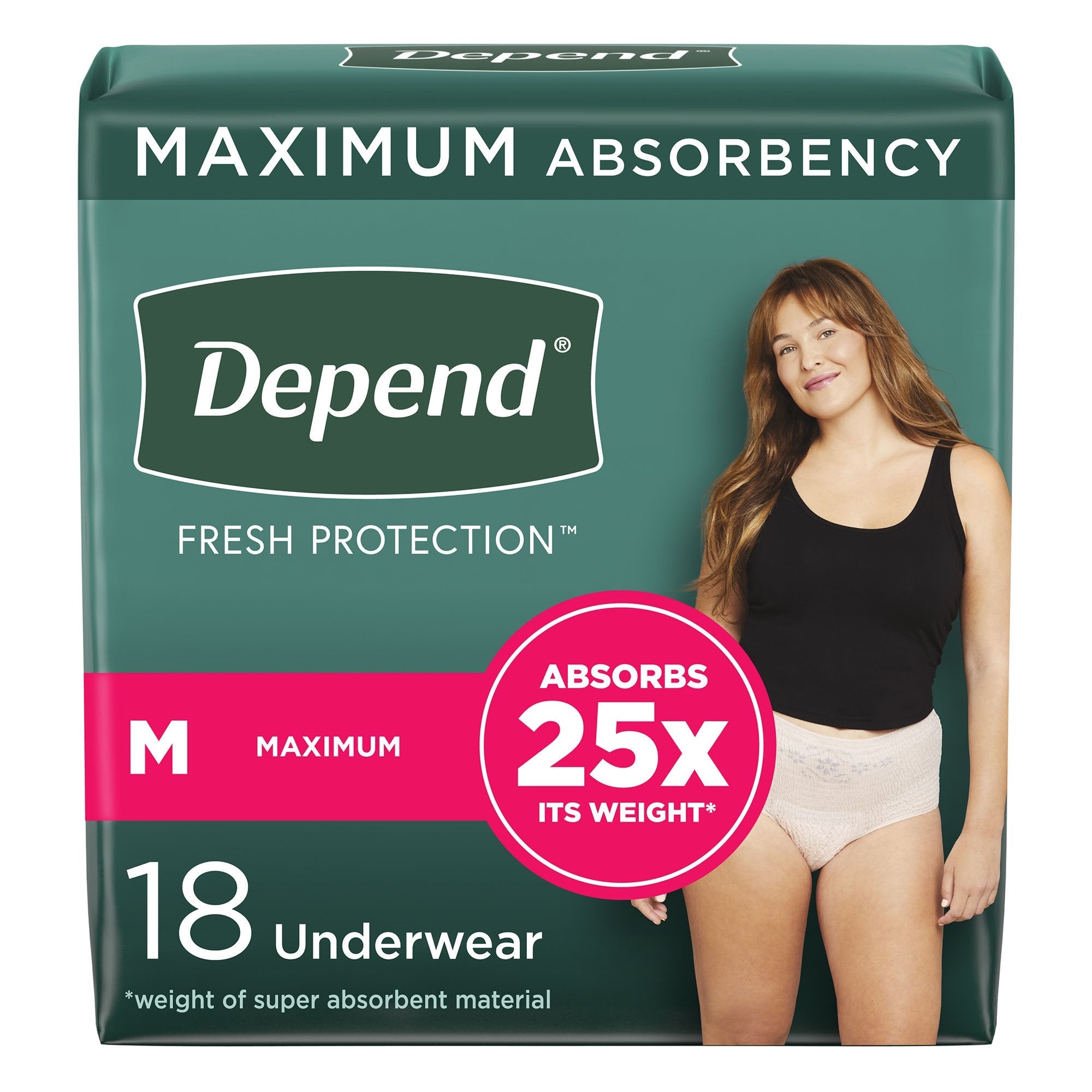
Browse adult diapers and protective underwear to compare product-specific sizes.
What if waist and hip measurements suggest different sizes?
Do not automatically choose the larger size. Look at how the product is designed and where the current fit problem occurs.
For pull-up underwear, hip fit is especially important because the garment must stretch over the hips and still seal at the legs. For tab-style briefs, side tabs provide more adjustability.
If you are unsure between sizes, trying the smallest available package before purchasing a full case can reduce waste.
Signs an adult diaper is too large
- large gaps around the thighs;
- waistband sagging or sliding;
- the brief shifts during movement;
- excess material bunches in the crotch;
- leakage occurs while the absorbent core is still partly dry.
Signs an adult diaper is too small
- the waistband or leg openings feel painfully tight;
- deep pressure marks remain after removal;
- tabs are difficult to fasten;
- the absorbent core is stretched tightly across the body;
- movement becomes uncomfortable.
Pull-up sizing vs tab-brief sizing
Pull-up underwear has a fixed elastic waistband and is usually best for mobile users. Tab-style briefs allow more adjustment around the waist and hips and are often easier for caregiver-assisted changes.
See our pull-up vs tab-style adult diaper comparison.
Should you size up for overnight?
Not automatically. A larger brief can create gaps and make nighttime leakage worse. Keep the correct size and increase absorbency if capacity is the real problem.
For recurring nighttime leaks, review our overnight incontinence protection guide.
What about bariatric sizing?
Some manufacturers offer extended-waist or bariatric briefs. Because size ranges vary widely, use the measurements listed for the exact product rather than assuming one bariatric size is equivalent to another.
Re-measure after major body changes
Recheck sizing after meaningful weight changes, swelling, recovery from surgery, or any time a previously reliable product begins fitting differently.
Frequently asked questions
Should I measure waist or hips for adult diapers?
Measure both. Then compare both numbers with the manufacturer's chart for the exact product.
Should I always size up if I am between sizes?
No. A larger size can create gaps. Consider both measurements, the product style, and where the fit problem is occurring.
Why does a large fit in one brand but not another?
Adult diaper sizing is not standardized. Each manufacturer can use different waist and hip ranges.
Can the wrong size cause leaks even with a high-absorbency product?
Yes. A poor leg or waist seal can cause leakage long before the absorbent core is full.
If sizing looks correct but leaks continue, use our companion guide: Why Adult Diapers Leak: Fit, Absorbency & Placement Fixes.
Shop adult incontinence protection: Browse adult diapers and protective underwear or the full incontinence and toileting collection.
General information only. Product sizing varies by manufacturer; always follow the specifications for the exact product being purchased.