Learning how to talk to an elderly parent about incontinence requires leading with empathy, choosing dignified language, and framing bladder changes as manageable medical issues rather than personal failures. The most effective approach is to hold a private, calm conversation focused on your parent’s daily comfort, skin health, and independence. By avoiding clinical jargon, replacing infantalizing terms, and involving their primary care doctor, family caregivers can make this delicate topic far less intimidating. Incontinence is incredibly common among older adults, and opening the door to an honest dialogue is the single best step toward restoring your loved one's confidence and quality of life.
- Focus the conversation on health, safety, and personal comfort rather than hygiene mistakes or shame.
- Swap embarrassing words like "diapers" for empowering terms such as "protective underwear" or "leak-proof briefs."
- Schedule a primary care appointment to rule out treatable underlying medical conditions like urinary tract infections or prostate issues.
- Introduce absorbent products gradually by framing them as supportive tools to help your parent maintain an active lifestyle.
Why Discussing Incontinence with Aging Parents Feels So Difficult
For many adult children, discussing incontinence with aging parents is one of the most emotionally challenging parts of caregiving. Bladder and bowel leaks carry a heavy social stigma. Seniors often associate loss of bladder control with a loss of adulthood, autonomy, and personal dignity. When a parent realizes they are struggling to reach the bathroom in time, their immediate reaction is frequently shame, secret-keeping, or defensive denial.
From an aging parent’s perspective, admitting to bladder leaks feels like taking a step backward into childhood or signaling to family members that they can no longer live independently. Fear of being placed in an assisted living facility or nursing home often leads seniors to hide soiled laundry, minimize accidents, or isolate themselves from social activities. They may stop going to family dinners, church services, or grocery outings simply because they worry about unexpected leaks or public odor.
As a caregiver, recognizing these emotional barriers helps you approach the topic with deep compassion rather than frustration. When you understand that denial is often a shield against fear and humiliation, you can frame the dialogue in a way that respects their lifelong identity. Talking about bladder health should never feel like a reprimand; it should feel like a supportive partnership aimed at helping them live comfortably in their own home.
How to Talk to an Elderly Parent About Incontinence: Step-by-Step Conversation Framework
Knowing how to talk to an elderly parent about incontinence starts with careful preparation. Jumping into the conversation during a stressful moment—such as immediately after a spill or while rushing to leave the house—almost always triggers defensiveness. Instead, clear a quiet window of time when neither of you is tired, hungry, or distracted.
Follow this five-step conversation framework to keep the discussion respectful, productive, and reassuring for your parent:
-
Pick a quiet, private, low-stress setting.
Choose a comfortable location at home where you will not be interrupted by family members, grandchildren, or phone calls. Privacy is essential for helping your parent lower their guard and express their feelings candidly.
-
Focus on wellness, comfort, and active living.
Begin by discussing physical wellness and daily mobility rather than accidents. For example, say: "Mom, I’ve noticed you haven't been going to your weekly card games lately. I want to make sure you are feeling comfortable and supported so you can keep enjoying your favorite routines."
-
Normalize bladder leaks as a common medical issue.
Reassure your parent that bladder changes happen to millions of older adults due to weak pelvic muscles, medication side effects, or nerve signaling changes. Remind them that treating bladder health is no different than treating high blood pressure or joint stiffness.
-
Use empowering language and modern terms.
Never refer to protective garments as "diapers." Instead, use terms like "protective underwear," "absorbent pants," or "wellness briefs." Modern garments look and feel like standard cotton underwear, offering quiet protection without bulkiness.
-
Involve their healthcare provider in the solution.
Frame the next steps around a standard medical checkup. A doctor can screen for temporary, treatable causes such as urinary tract infections (UTIs), diabetes, or medication side effects, making the process feel routine rather than personal.
By using an organized, gentle structure, your incontinence conversation caregiver strategy transforms from an intimidating confrontation into a constructive health plan. You can explore modern options together by reviewing protective supplies in our comprehensive adult diapers and pull-up underwear collection.
Words Matter: Replacing Stigmatizing Language with Dignified Alternatives
The specific vocabulary you choose when discussing sensitive hygiene matters has a direct impact on how your parent receives your message. Using childish or clinical words can cause immediate resentment, causing your parent to shut down or refuse assistance altogether.
Incontinence supplies have evolved dramatically in recent years. Modern products are designed with stretchable fabrics, quiet backing materials, and slim profiles that mimic regular underwear. Aligning your vocabulary with these modern improvements helps preserve your parent’s self-esteem.
| Avoid These Stigmatizing Terms | Use These Respectful Alternatives | Why the Difference Matters |
|---|---|---|
| "Adult Diapers" | "Protective Underwear" or "Absorbent Briefs" | Removes infantilizing associations and reinforces adult dignity. |
| "Accidents" or "Mess" | "Leaks," "Spills," or "Urgent Episodes" | Treats symptoms as manageable medical events rather than behavioral mistakes. |
| "Smelly" or "Dirty" | "Uncomfortable" or "Needing Freshness" | Focuses on physical comfort and health rather than personal hygiene judgment. |
| "Pads" (for men) | "Guard," "Shield," or "Absorbent Liner" | Uses masculine, anatomical framing that reduces hesitation for male seniors. |
When selecting protective garments, look for gender-specific options tailored to natural body contours. For instance, soft pull-on garments like Depend Silhouette Women's Absorbent Underwear fit smoothly under everyday clothes, helping women feel confident and feminine. Similarly, sleek designs such as Depend Real Fit Men's Absorbent Underwear offer masculine styling with maximum absorbency, easing the transition for reluctant fathers.
What to Do When an Elderly Parent Is Refusing Incontinence Products
Dealing with an elderly parent refusing incontinence products is one of the most frustrating hurdles caregivers experience. Even after a supportive conversation, a parent may refuse to wear protective underwear, insist their clothes are dry when they are wet, or stash soiled garments in hidden places.
Refusal usually stems from deep-seated fear, cognitive decline, or a desperate effort to retain control over their life. Forcing the issue through arguments often leads to increased hostility. Instead, employ gentle, strategic workarounds to ensure their safety and hygiene:
1. Swap Out Clothing Quietly
Rather than making a daily issue out of dressing, restructure their clothing storage. Replace regular cotton underwear in their drawers with discrete pull-up styles that match their skin tone or preferred colors. If standard underwear is no longer present in the drawer, the friction of choosing what to wear vanishes.
2. Upgrade Everyday Wardrobe Options
Tight waistbands, complicated buttons, and stiff zippers make reaching the toilet on time difficult. Switch your parent's wardrobe to loose-fitting, elastic-waist pants or adapted clothing. Easy-pull fabrics reduce bathroom dressing struggles, preventing sudden rush-related leaks.
3. Choose Products That Feel Like Real Fabric
If your parent complains that protective garments feel plastic or noisy, upgrade to premium cloth-like materials. High-grade products such as McKesson Ultra Absorbent Underwear feature breathable, cotton-soft inner linings that pull moisture away quickly while feeling just like standard cotton briefs.
4. Blame the Doctor’s Orders
If your parent resists your suggestions, shift the authority to a medical professional. Ask their doctor or nurse practitioner to prescribe or formally recommend protective garments for skin protection. Seniors are far more likely to comply when they believe a trusted physician ordered the change for medical reasons.
Overcoming Denial: The Incontinence Conversation Caregiver Playbook
Overcoming denial requires persistent, gentle framing. Many seniors convince themselves that their leaks are just temporary "drips" that do not require specialized management. However, unmanaged severe leaks can quickly lead to painful skin breakdown, moisture-associated dermatitis, urinary tract infections, and dangerous fall risks caused by slipping on wet floors.
When implementing your incontinence conversation caregiver strategy, anchor your arguments in objective safety and health benefits:
"Dad, keeping your skin dry is the single most important thing we can do to protect you from painful skin infections and keep you active. Using leak-proof briefs isn't about giving up—it's about giving you the freedom to take your afternoon walks without worrying."
To break through stubborn denial, try these proven communication techniques:
- Highlight Skin Protection: Shift the focus from moisture control to skin health. Explain that medical-grade liners lock away acidic moisture, preventing painful rashes and chafing.
- Start Small with Light Pads: If a parent refuses full protective briefs, introduce thin male guards or light female bladder control pads inside regular underwear as an initial stepping stone.
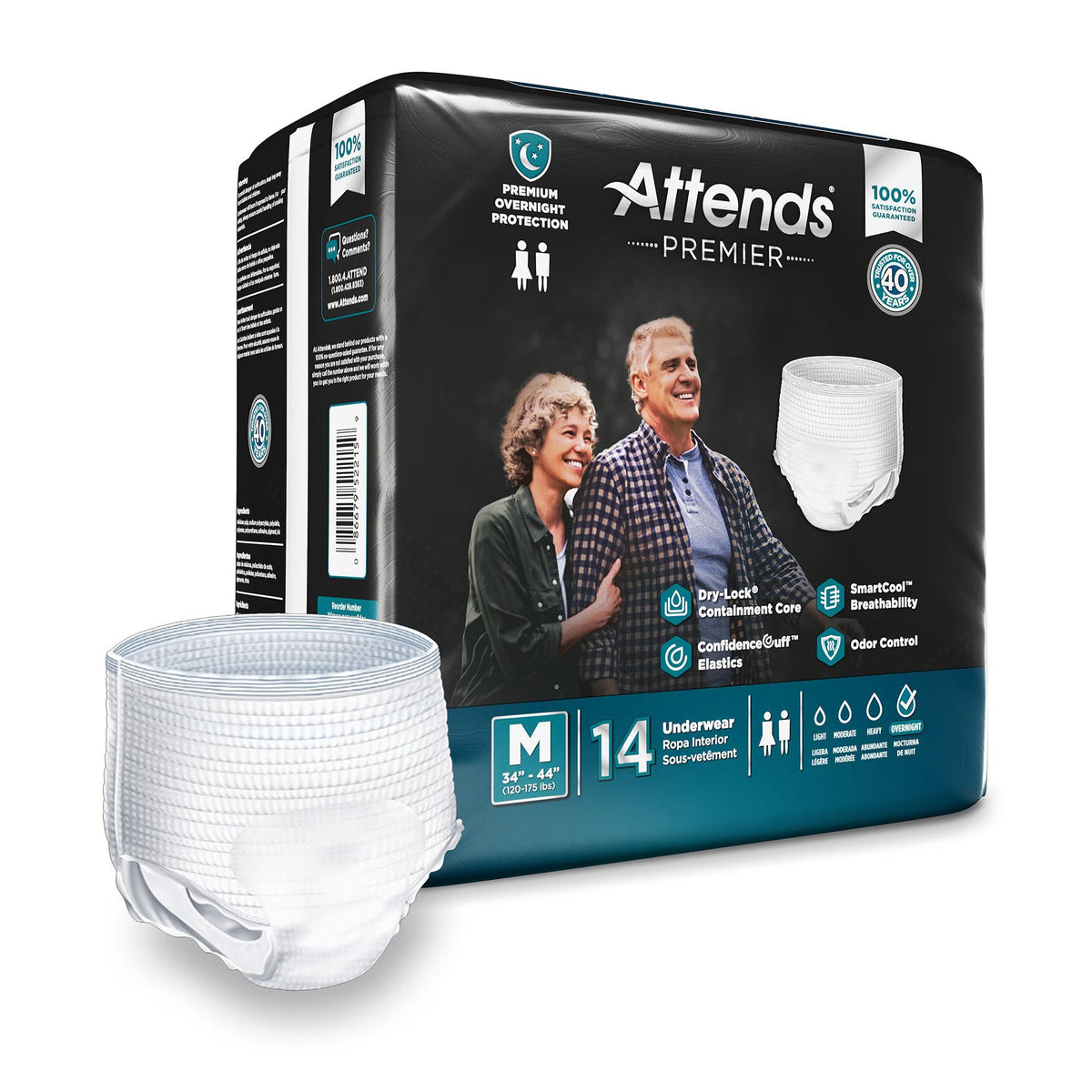
- Emphasize Fall Prevention: Remind your parent that rushing to the bathroom in the middle of the night in the dark is a leading cause of hip fractures. Wearing reliable overnight briefs like Attends Premier Absorbent Underwear allows them to sleep soundly without frantic midnight trips across slippery floors.
- Maintain Discreet Deliveries: Minimize embarrassment by having supplies delivered directly to their doorstep in unbranded, plain shipping boxes. Ordering regularly through our online absorbent underwear catalog saves your parent from carrying public store bags across their neighborhood.
Practical Steps for Home Safety and Emotional Comfort
Beyond opening the lines of communication, practical modifications in the home build a supportive environment where your parent feels secure. Small structural and behavioral adjustments can drastically reduce accidents and boost emotional confidence.
Consider implementing these home updates alongside your conversations:
- Establish a Routine Bathroom Schedule: Prompt your parent to visit the restroom every two to three hours, even if they do not feel an immediate urge. Timed voiding prevents the bladder from becoming overly full.
- Improve Bathroom Accessibility: Install bright nightlights along hallways, remove trip hazards like throw rugs, and add sturdy grab bars next to the toilet to make bathroom visits quick and safe.
- Protect Furniture and Bedding Discreetly: Place washable or disposable bed pads beneath bed sheets and seat protectors on preferred armchairs. Waterproof backing shields furniture silently without broadcasting your parent’s condition to houseguests.
- Stock Skin Care Essentials: Keep gentle, pH-balanced cleansing wipes, barrier creams, and no-rinse skin cleansers in the bathroom. Proper skin hygiene prevents odor and keeps skin healthy.
- Select Cost-Effective Absorbency: For reliable daily wear, economical options like Prevail Per-Fit Extra Absorbent Underwear provide strong leakage protection and comfortable stretch side panels without straining your family caregiving budget.
Frequently asked questions
How do I bring up incontinence with my elderly parent?
Bring up incontinence by choosing a quiet, private moment when neither of you is rushed or stressed. Focus the conversation on their physical comfort, safety, and daily independence rather than on messy accidents or hygiene. Frame the issue as a common medical condition that millions of older adults manage, and offer to help them find comfortable, modern solutions alongside their doctor.
What if my parent refuses to wear adult diapers?
If your parent refuses protective garments, stop using the word "diaper" immediately and switch to dignified terms like "protective underwear" or "leak-proof briefs." Try stocking their dresser drawers exclusively with pull-up style underwear that feels like soft cloth. You can also ask their primary care doctor to formally recommend protective garments as a medical necessity for protecting skin health.
How do you handle an elderly parent's incontinence denial?
Handle denial by approaching your parent with patience and addressing the underlying fears driving their reaction, such as losing independence. Shift the focus from accidents to health priorities like fall prevention, unbroken sleep, and skin rash prevention. Introducing lightweight liners gradually or enrolling a trusted third party, such as a nurse or physician, can help overcome strong denial.
Is incontinence a normal part of getting older?
Incontinence is very common among older adults, but it is not an inevitable or non-treatable part of aging. Bladder leaks often stem from underlying medical conditions, such as urinary tract infections, prostate enlargement, side effects from diuretics, weak pelvic muscles, or neurological conditions. Always consult a healthcare provider to diagnose the precise root cause.
How can I manage bladder leak odor discreetly at home?
Manage odor by establishing a regular changing routine, using specialized pH-balanced hygiene wipes, and disposing of used garments in sealed, odor-trapping disposal bags or covered step cans. Encouraging your parent to drink adequate water throughout the day also dilutes urine, which significantly reduces strong odors.
What should I do if my parent has incontinence caused by dementia?
When caring for a parent with cognitive decline or dementia, simplify bathroom access by removing door locks, placing clear picture signs on the bathroom door, and maintaining a strict, timed toilet schedule every two hours. Choose pull-up protective garments without complicated fasteners so dressing remains simple and intuitive for them.
How can I make buying incontinence supplies less embarrassing for my parent?
Make purchasing supplies completely stress-free by ordering products online for direct home delivery in plain, unmarked boxes. Ordering online eliminates public store trips, protects your parent's privacy, and ensures you always keep an adequate stock of heavy-absorbency garments, skin barrier creams, and protective underpads on hand.
Related products at AllCare Store
- Depend Silhouette Women's Absorbent Underwear — Features a sleek, smooth design that fits imperceptibly under clothing for stylish daily protection.
- Depend Real Fit Men's Absorbent Underwear — Provides a discrete, tailored fit tailored specifically for men needing heavy absorbency with fabric-like comfort.
- McKesson Ultra Absorbent Underwear — Delivers soft, breathable moisture protection designed to pull liquid away quickly and protect sensitive senior skin.
- Attends Premier Absorbent Underwear — Offers high-capacity overnight absorbency to prevent midnight leaks and support uninterrupted sleep for seniors.
- Prevail Per-Fit Extra Absorbent Underwear — Combines economical everyday performance with flexible stretch panels for comfortable, leak-free daytime mobility.
This article is for general information and is not medical advice. Talk to your doctor, nurse, or pharmacist about any new or changing incontinence symptoms. AllCare Store does not diagnose or treat medical conditions.