Recognizing the signs of urinary incontinence in elderly family members often begins with subtle shifts in daily routines long before an obvious accident happens. Common signs of urinary incontinence in elderly individuals include frequent trips to the bathroom, hidden laundry, sudden social withdrawal, and noticeable urine odors around the living space. If you notice these early warning signs in an aging parent or loved one, you are not alone, and it does not mean they are losing their independence. Urinary incontinence is a manageable medical symptom, not an inevitable tax on getting older. By understanding what to look for early on, adult children and family caregivers can initiate supportive, dignified conversations and work alongside healthcare professionals to restore comfort and confidence.
- Early signs of incontinence in seniors include frequent bathroom visits, rushing to the toilet, damp laundry, and withdrawing from social events.
- Incontinence is a medical symptom with underlying causes such as UTIs, enlarged prostate, pelvic weakness, or medication side effects.
- Tracking fluid intake, bathroom frequency, and accidents for three to seven days helps healthcare providers pinpoint the exact type of bladder issue.
- Modern absorbent underwear and protective bed pads prevent skin damage while restoring daily independence and peace of mind.
- Seek medical attention immediately if bladder leaks appear suddenly or occur alongside fever, pain, blood in the urine, or sudden confusion.
Subtle Behavioral Changes That Signal Bladder Control Issues
Bladder control problems rarely appear overnight. In most cases, seniors experience gradual changes that they may feel embarrassed to discuss. As a result, many older adults adapt their behavior to hide minor leaks, creating subtle patterns that attentive caregivers can spot early.
Bathroom Mapping and Route Planning
One of the earliest early signs of incontinence seniors display is hyper-awareness of toilet locations. When entering a restaurant, church, grocery store, or relative’s house, your loved one might immediately search for the nearest restroom. They may insist on sitting near the aisle at events or refuse to go on trips where public facilities are sparse. This mental cataloging—often called "bathroom mapping"—is a coping mechanism to manage sudden, overpowering urges to urinate.
Secretive Laundry Habits and Wardrobe Shifts
Pay attention to how your loved one handles their clothing and laundry. You might notice extra loads of laundry being done late at night, or clothes placed directly into wash bins rather than hamper baskets. Seniors who previously wore fitted or light-colored clothing may suddenly switch to loose, dark-colored pants to hide potential damp spots. Additionally, keeping extra pairs of pants or underwear in a handbag, car trunk, or daypack is a strong indicator that involuntary leaks are occurring.
Restricting Fluid Intake
Many older adults mistakenly believe that drinking less water will solve their bladder control problems. If you notice your parent refusing morning coffee, skipping water during meals, or declining drinks during family visits, they may be trying to prevent accidents. Unfortunately, restricting fluids causes urine to become concentrated and acidic, which irritates the bladder lining and actually worsens bladder spasms and urgency.
Avoidance of Social Outings and Hobbies
Fear of an unexpected leak in public can lead to social isolation. If an active senior suddenly stops attending bridge club, gardening groups, church services, or family dinners, bladder anxiety could be the cause. Recognizing these early behavioral shifts allows caregivers to offer empathetic support before isolation negatively impacts the senior's mental health.
Physical Signs of Urinary Incontinence in Elderly Family Members
Beyond behavioral adaptations, physical evidence around the home often reveals ongoing bladder issues. Identifying these signs of urinary incontinence in elderly relatives helps you intervene before skin breakdown or falls occur.
Persistent Odors and Unexplained Dampness
A lingering smell of urine in the bedroom, bathroom, or living room furniture is a clear physical sign. You may notice subtle dampness on sofa cushions, mattress tops, or car seats. Seniors may attempt to cover these smells with excessive air fresheners, scented candles, or perfume. Placing washable or disposable and reusable underpads on seating areas and mattresses protects furniture while keeping living spaces clean and hygienic.
Frequent Night Waking (Nocturia)
Waking up more than twice during the night to urinate—known medically as nocturia—is a major contributor to sleep deprivation and fall risks among older adults. If your loved one reports constant fatigue, or if you hear them walking to the bathroom multiple times each night, their bladder may be struggling to hold urine during rest periods. Sleep interruption also increases daytime confusion and physical weakness.
Skin Irritation and Moisture-Associated Breakdown
Prolonged contact with urine quickly irritates delicate senior skin. Look for signs of red, inflamed, or chafed skin around the inner thighs, groin, and lower back. Known as incontinence-associated dermatitis (IAD), this irritation can progress to painful skin tears and bacterial or fungal infections if high-absorbency products and barrier creams are not used promptly.
Difficulty Reaching the Toilet in Time
Age-related mobility loss, arthritis pain, or stiff joints make getting up from a chair and walking to the bathroom difficult. When mobility challenges pair with urgent bladder contractions, seniors may leak urine right before reaching the toilet. Spotting damp trails near the bathroom or finding wet clothing on the bathroom floor confirms that functional mobility is interfering with bladder control.
Recognizing Symptoms of Bladder Control Problems Elderly Seniors Experience
Urinary incontinence is not a single disease; it is a symptom of various underlying physical mechanisms. Recognizing the specific symptoms of bladder control problems elderly individuals exhibit helps doctors diagnose the exact type of incontinence and prescribe effective treatments.
| Type of Incontinence | Primary Symptoms | Common Triggers | Typical Causes |
|---|---|---|---|
| Stress Incontinence | Small leaks of urine during physical exertion or abdominal pressure. | Coughing, sneezing, laughing, lifting heavy items, standing up quickly. | Weakened pelvic floor muscles, pelvic organ prolapse, past prostate surgery. |
| Urge Incontinence | Sudden, intense urge to urinate followed by immediate involuntary loss of urine. | Hearing running water, drinking small amounts of liquid, cold weather. | Overactive bladder muscles, nerve damage, urinary tract infections, stroke. |
| Overflow Incontinence | Frequent dribbling, sensation of an full bladder, weak urine stream. | Trying to empty the bladder completely without full relief. | Enlarged prostate (BPH), urethral blockages, nerve damage from diabetes. |
| Functional Incontinence | Physical or cognitive inability to reach the bathroom in time despite normal bladder control. | Slow walking speed, complex clothing fasteners, severe arthritis, dementia. | Joint stiffness, mobility impairment, Alzheimer's disease, vision loss. |
| Mixed Incontinence | A combination of two or more incontinence types, most commonly stress and urge. | Multiple daily physical and urgency triggers. | Multiple underlying health factors affecting pelvic muscles and bladder nerves. |
When Does Incontinence Start in Elderly Adults and What Causes It?
Caregivers frequently ask: when does incontinence start in elderly adults? The answer varies significantly because age itself does not directly cause incontinence. Instead, bladder problems typically begin when age-related body changes combine with underlying medical conditions, lifestyle factors, or prescription medications.
Common Underlying Medical Triggers
Incontinence can develop suddenly or gradually depending on the root medical trigger:
- Urinary Tract Infections (UTIs): A sudden, unexpected onset of urinary leakage in an older adult is frequently caused by a UTI. In seniors, UTIs may present without classic burning symptoms, instead causing sudden incontinence, severe confusion, or agitation.
- Prostate Enlargement: In men over 50, benign prostatic hyperplasia (BPH) blocks urine flow, causing dribbling, hesitation, and overflow leakage.
- Neurological Conditions: Diseases like Parkinson's, Alzheimer's, multiple sclerosis, and recovery from a stroke disrupt the nerve signals between the brain and the bladder muscles.
- Pelvic Floor Weakness: Women who have experienced childbirth or menopause undergo hormonal changes that weaken the supportive pelvic tissue, leading to stress incontinence.
- Chronic Conditions: Uncontrolled diabetes increases urine production, while chronic constipation causes full bowels to press against the bladder, reducing its storage capacity.
Medication Side Effects
Many common prescription medications given to seniors interfere with bladder function. Blood pressure drugs (especially diuretics or "water pills") force the kidneys to produce large amounts of urine rapidly. Sedatives, muscle relaxants, and allergy medications can overly relax bladder muscles or dull the brain's awareness of bladder fullness. Always review your loved one's full medication list with their pharmacist or doctor if new signs of urinary incontinence in elderly family members appear.
How Caregivers Can Track Symptoms: A 5-Step Bladder Diary
Before visiting a physician, keeping a structured record of your loved one's bladder habits provides invaluable data. Doctors rely on bladder diaries to distinguish between urge, stress, and functional issues. Follow these five steps to log symptoms accurately for three to seven days:
- Record Daily Fluid Intake: Log the exact time, type, and volume of all liquids consumed throughout the day, including water, coffee, tea, juice, and soup. Note any caffeine or alcohol consumption, as these irritate the bladder.
- Log Every Bathroom Visit: Write down the time of each voluntary bathroom trip and note whether the urine flow was strong, weak, or painful.
- Document Leaks and Accidents: Whenever a leak occurs, record the time and estimate the amount of urine lost (e.g., small drops, moderate dampness, or complete bladder emptying).
- Note Accompanying Activities: Detail what your loved one was doing right when the leak occurred—such as coughing, reaching for an object, sleeping, walking from the bedroom, or standing up from a chair.
- Track Urgency Levels and Discomfort: Rate the level of urgency felt prior to the accident on a scale from 1 (mild sensation) to 3 (overpowering, uncontrollable urge), and write down any reports of pelvic pain or burning.
Medical Red Flags: When to See a Doctor Immediately
While many signs of urinary incontinence in elderly adults develop slowly, certain severe symptoms require urgent medical evaluation. Do not wait for a routine check-up if you observe any of the following warning signs:
- Blood in the Urine (Hematuria): Urine that appears pink, red, or dark brown can indicate urinary tract infections, kidney stones, or bladder disease.
- Painful Urination (Dysuria): Severe burning, straining, or sharp pelvic discomfort during urination points toward acute inflammation or infection.
- Sudden Onset of Incontinence: Bladder control lost overnight or over a few days is almost always triggered by an acute medical issue like a UTI, stroke, or severe medication interaction.
- Fever, Chills, or Confusion: Systemic infection signs combined with bladder changes in seniors signal a potential kidney or severe urinary infection that requires prompt antibiotic therapy.
- Inability to Pass Urine (Urinary Retention): If a senior feels an intense urge to urinate but cannot pass urine, or passes only a few drops, seek emergency care immediately to prevent kidney damage.
Restoring Comfort, Health, and Dignity in Daily Care
Discovering that a parent or spouse is dealing with bladder issues can feel overwhelming, but effective management options are available. Managing incontinence successfully involves a combination of medical evaluation, lifestyle adjustments, skin care routines, and dependable protective products.
Creating a Safe and Supportive Home Environment
Simple environmental modifications significantly reduce functional incontinence accidents. Ensure hallways and bathrooms are well-lit with nightlights. Remove loose throw rugs, clutter, and low coffee tables that create tripping hazards when someone is rushing to the restroom. Installing sturdy grab bars beside the toilet and elevating toilet seat height make sitting down and standing up safer and faster for seniors with mobility challenges.
Practicing Timed Voiding and Pelvic Exercises
Encourage your loved one to follow a "timed voiding" schedule—visiting the bathroom every two hours during the day regardless of whether they feel an urge. This proactive strategy keeps bladder volume low and prevents sudden emergency rushes. For those with stress incontinence, targeted pelvic floor muscle exercises (Kegels) recommended by a physical therapist can strengthen supporting muscles over several weeks.
Choosing the Right Absorbent Garments
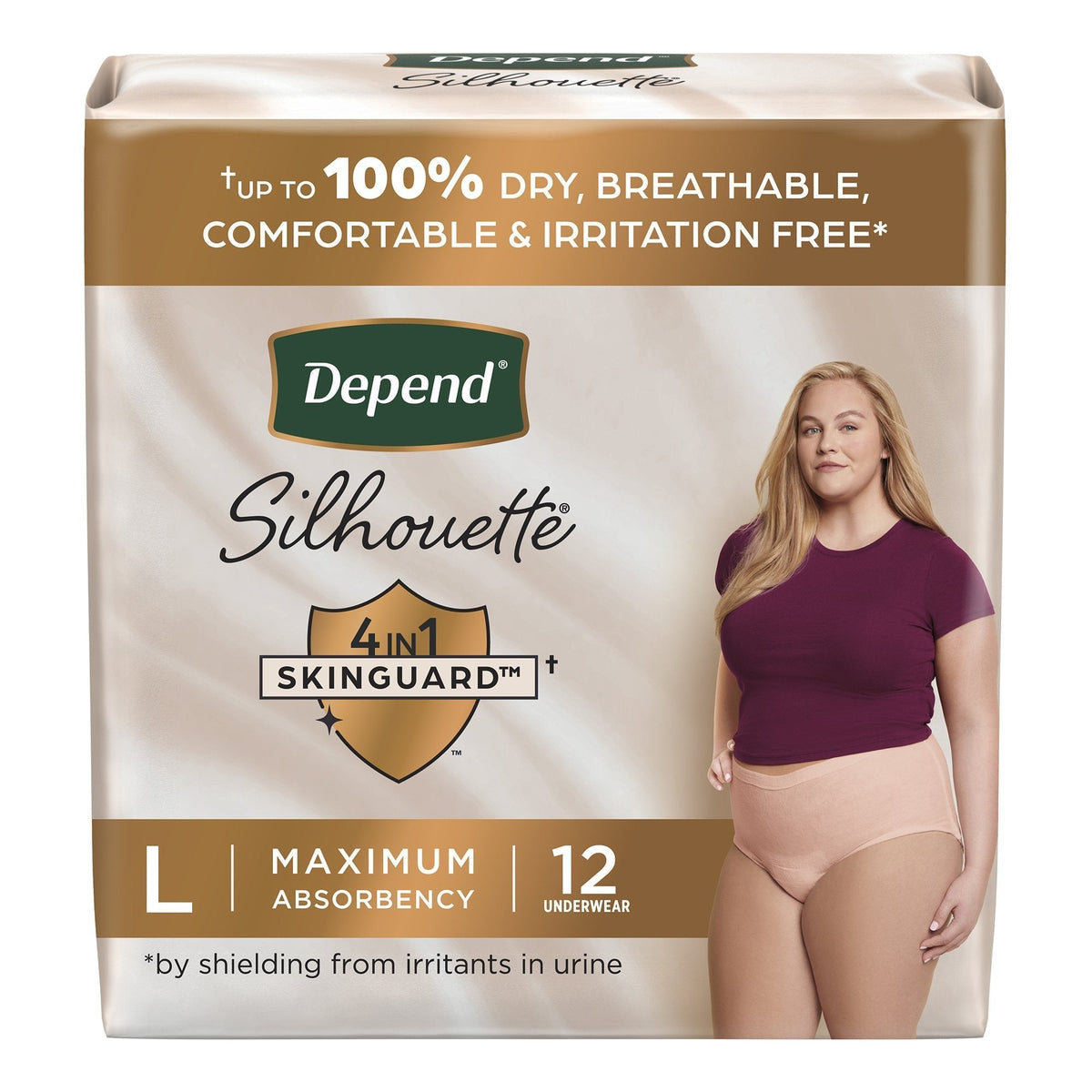
Modern protective garments look, feel, and fit like regular undergarments. Replacing traditional bulky diapers with breathable, highly absorbent pull-up underwear allows seniors to maintain their personal dignity and self-esteem. Exploring complete collections of adult diapers and pull-up underwear enables caregivers to select exact absorbency levels and sizes tailored for both daytime activity and nighttime sleep.
For complete daytime and overnight peace of mind, pairing absorbent pull-up garments with specialized adult incontinence products and toileting supplies protects fragile skin, preserves mattress life, and minimizes daily laundry burdens.
Frequently asked questions
What are the first signs of incontinence in elderly?
The first signs of incontinence in elderly adults are often behavioral rather than physical. Early indicators include rushing to the bathroom unexpectedly, locating restrooms immediately when arriving in public places, hiding soiled laundry, avoiding fluids, and withdrawing from social activities out of fear of public accidents. You may also notice subtle urine odors on clothing or furniture before major leaks happen.
When should you worry about incontinence in the elderly?
You should seek prompt medical advice if incontinence develops suddenly, causes severe emotional distress, leads to social isolation, or causes skin redness and breakdown. Immediate medical attention is necessary if bladder leaks occur alongside fever, visible blood in the urine, painful urination, or sudden changes in mental state such as severe confusion or lethargy.
Is incontinence a sign of a bigger health problem?
Yes, incontinence is always a symptom of an underlying physical condition rather than an independent disease. It can indicate manageable issues such as urinary tract infections, severe constipation, or medication side effects. It can also point to underlying chronic conditions like diabetes, nerve damage, enlarged prostate (BPH), Parkinson's disease, or pelvic floor weakness.
How do you gently talk to an elderly parent about bladder leaks?
Approach the conversation with empathy, privacy, and respect. Frame the discussion around their comfort, safety, and health rather than hygiene or inconvenience. Reassure them that bladder control problems are extremely common medical issues that doctors handle every day, and emphasize that modern protective products are discreet and comfortable.
Can urinary incontinence in seniors be cured or improved?
Yes, many forms of urinary incontinence in older adults can be cured or significantly improved with proper medical care. Treating underlying urinary tract infections, adjusting aggravating medications, undergoing pelvic floor physical therapy, performing bladder retraining, and making dietary changes frequently resolve or substantially reduce involuntary leakage.
What absorbency level of protective underwear is needed for nighttime leaks?
Nighttime bladder leaks generally require maximum or heavy overnight absorbency pull-ups or briefs. Overnight products feature expanded absorbent cores and specialized leak guards that lock away high volumes of fluid while the wearer lies flat, protecting skin integrity and preventing bed sheet saturation throughout the night.
Why do urinary tract infections cause sudden incontinence in seniors?
Urinary tract infections (UTIs) cause acute inflammation and severe irritation of the bladder lining. This inflammation triggers frequent, uncontrollable bladder spasms that overpower normal urinary sphincter control. In older adults, this rapid onset of bladder spasms often leads to sudden urge incontinence before classic infection symptoms are recognized.
Related products at AllCare Store
- Depend Silhouette Women's Absorbent Underwear — Features a sleek, smooth fit under clothing with heavy absorbency to give women invisible daily protection and confidence.
- Depend Real Fit Men's Absorbent Underwear — Designed specifically for male anatomy with heavy protection and a premium cotton-like fabric that feels like real underwear.
- Attends Premier Absorbent Underwear — Delivers ultra-plush high absorbency designed to manage severe daytime leaks and protect against overnight moisture.
- McKesson Ultra Absorbent Underwear — Provides cost-effective, heavy-absorbency performance with soft inner leg cuffs to prevent leakage during active mobility.
This article is for general information and is not medical advice. Talk to your doctor, nurse, or pharmacist about any new or changing incontinence symptoms. AllCare Store does not diagnose or treat medical conditions.