MEDICAL DISCLAIMER: This article is for informational purposes only and is not a substitute for professional medical advice, diagnosis, or treatment. Weighted blankets are not medical devices and are not approved to treat anxiety disorders, insomnia, or any clinical condition. Always consult your healthcare provider before using a weighted blanket, especially if you have respiratory issues, circulatory conditions, claustrophobia, or sensory sensitivities. Weighted blankets should not be used unsupervised with infants, young children, or individuals who cannot remove the blanket independently.
Weighted Blankets for Anxiety and Sleep: Your Complete 2026 Guide
Robert's Story: Finding Calm After Years of Restless Nights

Robert, 54, had learned to live with anxiety. He'd been managing it for over a decade — the racing thoughts at bedtime, the 2 AM wake-ups, the mornings that started before sunrise because his mind simply refused to shut down. He wasn't in crisis, he told himself. He functioned. He worked. He was fine.
But "fine" wasn't the same as well. Robert's wife watched him toss and turn night after night, recognized the fatigue behind his eyes, and finally convinced him to try something she'd been reading about: a weighted blanket. He was skeptical. It sounded too simple. A blanket wasn't going to fix anxiety that had outlasted years of various attempts at better sleep.
The first night, he didn't notice much. The second night, he fell asleep faster than he had in years. By the end of the first week, he was sleeping through the night with a consistency that stunned him. "It's like being held," he told his wife. "My body finally calms down."
Robert isn't unusual. Across the country — and in bedrooms around the world — people struggling with anxiety and sleep problems have discovered that a weighted blanket can offer something that's hard to find: a simple, non-pharmacological way to signal to the nervous system that it's safe to rest. This guide will help you understand why they work, how to choose the right one, and whether one might be right for you.
What Is a Weighted Blanket?
A weighted blanket is exactly what its name suggests — a blanket filled with materials that give it significant weight, typically ranging from 5 to 25 pounds. Unlike a regular blanket, the added weight is evenly distributed across the blanket's surface through a quilted grid pattern, with fill material — most commonly glass beads, plastic pellets, or steel ball bearings — placed in small pockets to prevent shifting.
The result is a blanket that drapes with substantial, even pressure across the body. This is the key to understanding why weighted blankets work: it's not just warmth, and it's not simply weight. It's the even distribution of that weight that creates the therapeutic sensation.
The Science: Deep Pressure Stimulation
The mechanism behind weighted blankets is called deep pressure stimulation (DPS), also referred to as deep pressure therapy. Deep pressure stimulation occurs when sustained, evenly distributed pressure is applied to the body — similar to the sensation of a firm hug, a massage, being swaddled, or carrying a heavy backpack close to the body.
Research into deep pressure stimulation shows that this type of input affects the autonomic nervous system in meaningful ways:
- Activation of the parasympathetic nervous system: The "rest and digest" branch of the autonomic nervous system is engaged, counteracting the "fight or flight" response that underlies anxiety and stress.
- Serotonin release: Deep pressure has been associated with increased serotonin production — the neurotransmitter that supports mood regulation and contributes to the production of melatonin.
- Melatonin production: Because melatonin is synthesized from serotonin, the serotonin boost from deep pressure stimulation may support natural melatonin production, facilitating sleep onset.
- Cortisol reduction: Some research suggests that deep pressure stimulation can reduce levels of cortisol, the body's primary stress hormone.
- Reduced heart rate and blood pressure: Studies have documented physiological calming effects of deep pressure, including reduced heart rate in anxious individuals.
Deep pressure stimulation has been studied and used therapeutically for decades, most notably by occupational therapists working with children and adults with sensory processing disorders, autism spectrum disorder, ADHD, and anxiety. Weighted blankets represent a way to apply these principles in daily life, without a clinical setting.
Who Can Benefit from a Weighted Blanket?
While individual results vary, research and clinical experience suggest that weighted blankets may be particularly helpful for:
People With Anxiety
For people living with generalized anxiety, social anxiety, or anxiety that spikes at bedtime, the deep pressure from a weighted anxiety blanket can help engage the parasympathetic nervous system and promote a sense of calm. Many users describe the experience as "grounding" — a physical sensation that helps quiet an overactive mind by giving the nervous system something concrete and comforting to focus on.
People With Insomnia or Sleep Difficulties
Sleep onset problems — difficulty falling asleep — are one of the most common applications for weighted blankets. The combination of warmth, pressure, and the serotonin-melatonin pathway described above can help transition the body and mind into sleep mode more efficiently. People with anxiety-related insomnia, stress-related sleep disruption, and general restlessness at night frequently report improved sleep onset with weighted blankets.
Older Adults
Sleep architecture changes significantly with age. Older adults tend to have less deep sleep, more nighttime awakenings, and are more sensitive to stressors that disrupt sleep. The comforting weight of a blanket can help signal safety and rest, and many older adults find the sensation deeply soothing. It's important to ensure the blanket is an appropriate weight — not so heavy that it becomes difficult to move or creates pressure discomfort — which we'll discuss in the next section.
People With Sensory Processing Differences
Weighted blankets have a long history of use in occupational therapy for people with sensory processing disorders, autism spectrum disorder, and ADHD. Deep pressure stimulation can help regulate a nervous system that's easily over- or under-stimulated. For these individuals, a weighted blanket isn't just comforting — it may be an important part of daily sensory regulation.
People Under Significant Stress
You don't need a clinical diagnosis to benefit from a weighted blanket. Anyone going through a stressful period — a major life change, grief, a demanding work phase — may find that the physical comfort of a weighted blanket supports their sleep and helps them decompress at the end of the day.
Who Should Use Caution or Avoid Weighted Blankets
Weighted blankets are not appropriate for everyone. The following groups should consult a healthcare provider before using a weighted blanket:
- Infants and very young children: Weighted blankets should never be used with infants or young children who cannot independently remove the blanket. The risk of suffocation is real and serious.
- People with respiratory conditions: Anyone with asthma, COPD, or other conditions that affect breathing should consult their doctor before using a weighted blanket, as the weight on the chest may feel restrictive.
- People with circulatory conditions: Conditions that affect circulation or cause swelling (such as deep vein thrombosis) may be incompatible with the sustained pressure of a weighted blanket.
- People with claustrophobia: The enclosing sensation of a heavy blanket may trigger claustrophobic feelings in some individuals.
- People who cannot remove the blanket independently: Anyone with significant mobility limitations who cannot independently remove a heavy blanket should not use one without supervision.
- People with temperature regulation issues: Weighted blankets add warmth as well as weight. For people who already sleep hot or have conditions affecting temperature regulation, additional heat may be uncomfortable.
How to Choose the Right Weighted Blanket: Weight, Size, Fill, and More
Choosing a weighted blanket involves several considerations. Getting these right significantly affects whether you'll find the blanket comfortable and beneficial or simply burdensome.
The Weight Rule: 10% of Your Body Weight (Plus or Minus)
The most widely used guideline for weighted blanket weight is approximately 10% of your body weight. This is a starting point, not a rule set in stone — some people prefer slightly more, others prefer less — but it's a good place to begin.
| Body Weight | Suggested Blanket Weight (10% Rule) | Common Blanket Weight Options | Notes |
|---|---|---|---|
| Under 80 lbs (children) | 5-8 lbs | 5 lb weighted blanket | Always consult pediatrician; never for infants |
| 80-120 lbs | 8-12 lbs | 10 lb weighted blanket | Good starting weight for smaller adults |
| 120-160 lbs | 12-16 lbs | 12-15 lb weighted blanket | Most popular range for average adults |
| 160-200 lbs | 16-20 lbs | 15-20 lb weighted blanket | Excellent choice for larger adults |
| 200+ lbs | 20-25 lbs | 20-25 lb weighted blanket | Heavier options available; some prefer the max at 25 lbs |
If you're between sizes or unsure, choose the lighter option first. You can always try a heavier blanket later, but many people find their initial choice is too heavy and find the experience uncomfortable rather than soothing.
Size: Personal vs. Bed-Sized Blankets
Weighted blankets are typically designed for individual use, not to cover an entire bed. Most weighted blankets are sized to cover one person — approximately throw size (48"x72") or twin size (60"x80"). This ensures the weight is concentrated on the user's body rather than hanging off the edges of the bed.
A blanket that's too large for the person using it will be heavier than intended for the body area it's covering (because the weight hangs off the sides and redistributes toward the body), and may be harder to manage. Stick to a personal-use size rather than a king-sized option.
Fill Material: What's Inside Matters
The fill material determines the weight distribution, feel, and washability of the blanket:
- Glass beads (most common in quality blankets): Small, smooth glass micro-beads provide excellent weight distribution, lie flat, and create a quiet blanket (no rattling). They tend to be less bulky than plastic pellets for the same weight.
- Plastic poly pellets: An older fill material, less expensive but bulkier. Can make a slight rustling sound with movement. Still functional and widely available.
- Steel beads: Heavy and durable, but less common in consumer blankets due to the risk of corrosion if the outer fabric becomes damp.
- Natural materials (rice, millet, sand): Occasionally used but generally not recommended for blankets intended for regular use, as they can be harder to wash and may harbor bacteria or mold if they get damp.
For most adult users, a glass bead fill offers the best combination of effective weight distribution, quiet use, and washability.
Fabric: Cooling vs. Warming
The outer fabric of your weighted blanket makes a significant difference in comfort, especially if you tend to sleep hot:
- Minky or fleece (warm and soft): Popular for those who tend to sleep cold or who use the blanket in cooler months. Incredibly soft texture adds sensory comfort.
- Cotton (breathable and versatile): A good all-season choice. Cotton breathes well and is easy to wash.
- Bamboo or cooling fabric: An excellent choice for those who sleep hot or who live in warmer climates. Moisture-wicking properties help regulate body temperature.
- Duvet-style (removable cover): Some weighted blankets come with removable duvet covers that can be swapped out by season — a fleece cover in winter, a cooling cover in summer — offering great versatility.
How to Use a Weighted Blanket Effectively
Getting the most from your weighted blanket involves a little more than just putting it on. Here are tips for making the experience as beneficial as possible:
Starting Out
If you've never used a weighted blanket before, give your body time to adjust. Some people love the sensation immediately; others find the weight jarring at first. Start by using the blanket for short periods while relaxing (watching TV, reading) before using it all night. Most people adapt within a few nights.
Placement
Many users find the most benefit when the blanket covers the torso — from shoulder to knee — rather than the entire body. This maximizes pressure on the areas richest in touch receptors and creates a more manageable overall weight experience.
Pairing With a Bedtime Routine
A weighted blanket works best as part of a consistent sleep routine. Consider pairing it with other evidence-based sleep hygiene practices:
- Consistent sleep and wake times: Going to bed and waking at the same time daily trains your circadian rhythm
- Dimming lights 1-2 hours before bed: Supports natural melatonin production
- Limiting screens before sleep: Blue light from screens can suppress melatonin
- Cool bedroom temperature: Ideal sleep temperature for most adults is 65-68°F (18-20°C)
- Calming activities before bed: Reading, gentle stretching, or meditation
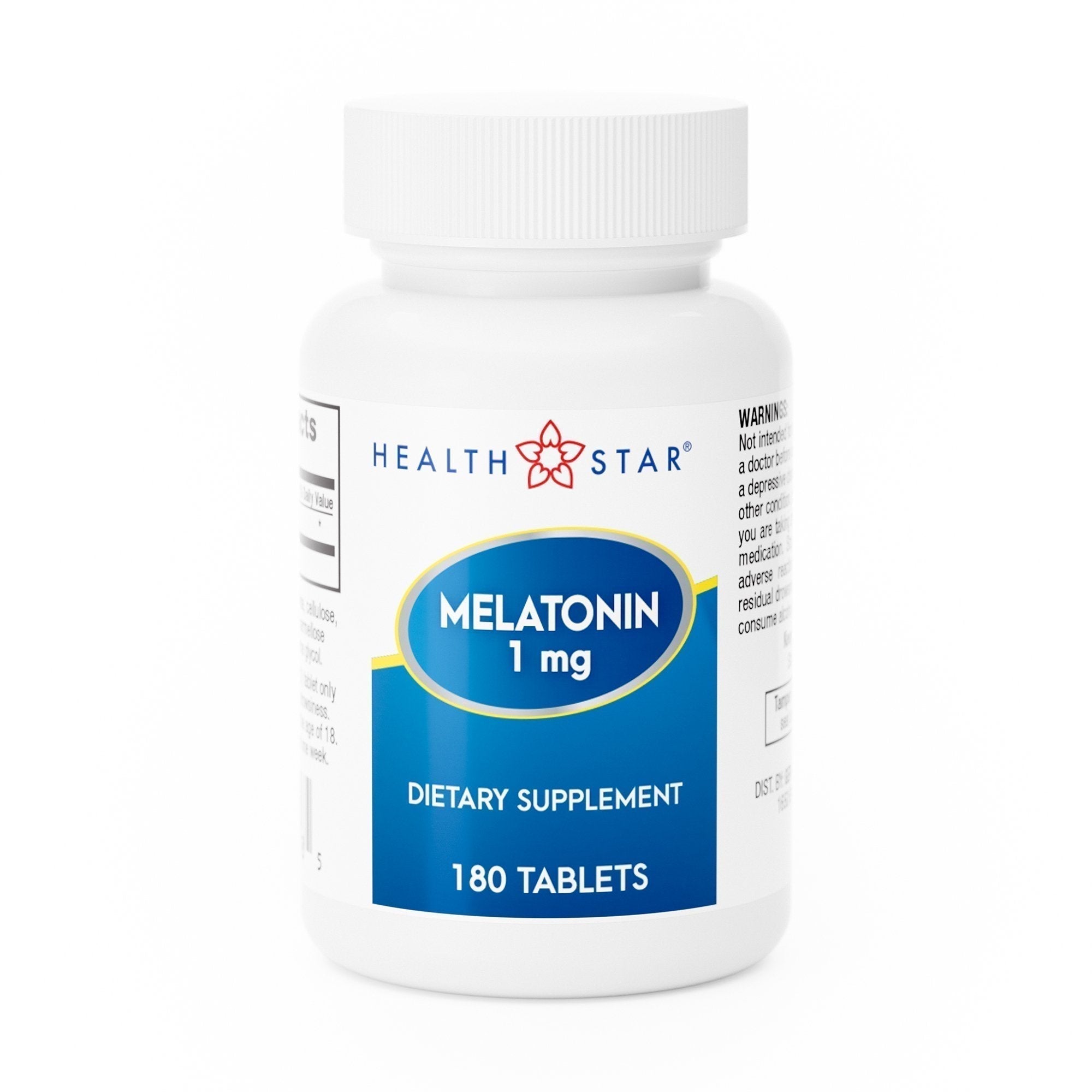
For additional information on sleep aids and natural sleep support, check out our comprehensive guide to Melatonin for Better Sleep: Complete Dosage Guide, available in the AllCare Store blog.
Caring for Your Weighted Blanket
Most weighted blankets with glass bead fill are machine washable, but always check the care instructions. Heavy blankets (15+ lbs) may require a large-capacity washer — the kind found in laundromats — as home washing machines may struggle with the weight. Use a gentle cycle with mild detergent, and either tumble dry low or air dry flat to prevent damage to the fill pockets.
Weighted Blankets and Anxiety: What the Research Says
The research on weighted blankets for anxiety is promising but still developing. Here's an honest summary of what science currently shows:
What Studies Support
- A 2020 study published in the Journal of Clinical Sleep Medicine found that adults with insomnia who used a weighted blanket reported significantly better sleep and reduced daytime fatigue compared to a control group using light blankets.
- Research on deep pressure stimulation in occupational therapy settings consistently shows calming effects on the autonomic nervous system in children and adults with anxiety-related conditions.
- Several studies with adults undergoing anxiety-producing procedures (dental work, medical procedures) found that weighted blankets reduced self-reported anxiety measures.
- A 2021 randomized controlled trial found that adults with anxiety disorders who used weighted blankets reported significant reductions in anxiety, depression, and fatigue compared to a control group.
Important Caveats
- Most studies to date have been relatively small in scale and of limited duration.
- Results are variable — not everyone responds to weighted blankets, and the degree of benefit differs among individuals.
- Weighted blankets are a supportive tool, not a treatment for clinical anxiety disorders or sleep disorders. If your anxiety or sleep problems significantly affect your daily functioning, please seek professional care.
With appropriate expectations — that a weighted blanket can be a genuinely helpful comfort tool, not a cure — many people find real, meaningful benefit from incorporating one into their sleep and relaxation routine.
Weighted Blankets vs. Other Sleep Aids: A Comparison
| Sleep Aid | How It Works | Pros | Cons | Best For |
|---|---|---|---|---|
| Weighted Blanket | Deep pressure stimulation; autonomic calming | Non-pharmacological; no side effects for most; reusable; multi-purpose | Upfront cost; may not suit everyone; not for all health conditions | Anxiety-related sleep issues; sensory needs; stress relief |
| Melatonin Supplement | Provides the sleep hormone to support sleep onset | Natural hormone; widely available; low cost; effective for circadian rhythm issues | Not effective for all insomnia types; dosage matters; long-term use not fully studied | Jet lag; shift work; difficulty falling asleep |
| White Noise Machines | Masks disruptive sounds; creates consistent sleep environment | Simple; effective; available for all ages | Auditory; some people find background noise irritating | Light sleepers; noisy environments |
| Sleep Masks | Blocks light; signals darkness to the brain | Inexpensive; simple; effective for light-sensitive sleepers | Some find them uncomfortable; not effective without light being the problem | Light pollution; shift workers; travel |
| Prescription Sleep Medication | Central nervous system depressant; forces sleep onset | Fast-acting; effective for acute insomnia | Risk of dependency; side effects; tolerance; not for long-term use | Short-term acute insomnia under medical supervision |
| Cognitive Behavioral Therapy for Insomnia (CBT-I) | Addresses thought patterns and behaviors underlying insomnia | Long-term effectiveness; addresses root causes; no side effects | Requires commitment; time investment; access may be limited | Chronic insomnia; anxiety-related sleep problems |
The best approach for sleep problems often combines multiple strategies. A weighted blanket can complement good sleep hygiene, appropriate use of supplements like melatonin, and professional care when needed.
Weighted Blankets for Special Populations
Seniors and Older Adults
For older adults, weighted blankets offer a particularly compelling option because they're non-pharmacological. Many older adults are already managing multiple medications, and adding sleep aids can create complications, interactions, or daytime grogginess. A weighted blanket carries none of these risks for most healthy older adults.
The key consideration for seniors is weight selection. Older adults may have reduced strength or mobility, making a very heavy blanket difficult to manage. Starting with a lighter option — around 10-12 lbs for most adults over 65 — and adjusting if needed is a sensible approach. The blanket should be something the person can easily pull on and push off without effort.
People With Chronic Pain
Sleep disruption is extremely common in people managing chronic pain conditions. For some, the deep pressure of a weighted blanket can be comforting and help reduce the focus on pain signals. However, for others — particularly those with conditions like fibromyalgia where pressure sensitivity is heightened — the weight may be uncomfortable. If you have chronic pain, start with a light blanket and move slowly, paying close attention to how your body responds.
People Grieving or Going Through Major Life Transitions
Grief, divorce, major illness, caregiving responsibilities — the stressors that disrupt sleep aren't always clinical diagnoses. They're the ordinary, painful circumstances of human life. For people in these situations, a weighted blanket can offer a form of physical comfort at a time when emotional support is hard to find at 3 AM. Many grief counselors and therapists specifically recommend weighted blankets as part of the self-care toolkit for bereaved individuals.
Shopping Guide: What to Look for When Buying a Weighted Blanket
When you're ready to invest in a weighted blanket, here's a practical checklist to guide your purchase decision:
- Correct weight: Start with approximately 10% of your body weight; round down if between options
- Individual-use size: Throw or twin size for most users — not a full bed-covering size
- Quality fill: Glass micro-beads offer the best weight distribution and are quieter than plastic pellets
- Appropriate fabric for your sleep temperature: Cooling fabrics for warm sleepers; plush for cold sleepers
- Washability: Confirm machine-washability and check whether a home machine can handle the weight
- Even fill distribution: Look for a tightly quilted grid pattern with small pockets to prevent fill from shifting
- Durable stitching: Weighted blankets experience significant stress on seams; quality construction matters
- Return policy: Because weighted blankets are very personal, purchasing from a retailer with a generous return policy is helpful
At AllCare Store, we offer free shipping on qualifying orders, a 30-day return policy, and discreet packaging — so you can shop with confidence. Browse our full product catalog for sleep aids, comfort products, and health essentials. For convalescent and comfort care products designed for daily living support, explore our Convalescent Care collection.
Building a Complete Sleep and Relaxation Routine
A weighted blanket is most effective as part of a comprehensive approach to sleep health. Here's a sample evening routine that many people find helpful:
7:00 PM — Wind Down Begins
Dim household lights, put away work materials, and begin transitioning your environment toward rest. Bright light signals wakefulness to the brain; dimming the lights is one of the simplest ways to support your natural melatonin production.
8:00 PM — Digital Boundaries
Limit screen time, especially on devices held close to your face. The blue light from smartphones, tablets, and laptops directly suppresses melatonin production. Consider switching to an e-reader with a warm color setting, or a physical book.
9:00 PM — Relaxation Activities
Gentle stretching, meditation, a warm bath, or light reading can all help signal to the nervous system that the day is ending. This is also an excellent time to begin using your weighted blanket — drape it over your lap while reading or watching something calm.
9:30-10:00 PM — Pre-Sleep Rituals
Whatever your pre-sleep rituals are — skin care, herbal tea, breathing exercises — do them consistently at the same time. Consistency trains the body and brain to recognize these signals as preparation for sleep.
10:00 PM — Into Bed With Your Weighted Blanket
Settle in with your weighted blanket positioned over the torso. Take a few slow, deep breaths. Allow yourself to feel the weight. Many people find it helpful to do a body scan — consciously relaxing each part of the body from feet to head while feeling the pressure of the blanket. For most users of a well-chosen weighted blanket, sleep follows relatively quickly.
Frequently Asked Questions About Weighted Blankets
How heavy should a weighted blanket be?
The most commonly recommended guideline is approximately 10% of your body weight. For a 150-pound adult, a 15-pound blanket is a good starting point. If you're between sizes, choose the lighter option and see how it feels. Some people prefer a bit more weight; others prefer less. The most important thing is that the blanket feels comforting and grounding, not oppressive or difficult to move under. Children should use blankets sized to their weight, and weighted blankets should never be used with infants.
Can I sleep with a weighted blanket all night?
Yes, for most healthy adults, sleeping all night under a weighted blanket is safe and comfortable. The key requirement is that you are able to easily remove the blanket independently at any time. If you find the blanket uncomfortable during the night, you can simply move it aside. Some people prefer to use the weighted blanket only while falling asleep and then kick it aside once they're asleep, which works perfectly well too. Do not use a weighted blanket all night with young children, or with anyone who cannot independently remove the blanket.
Do weighted blankets actually help with anxiety?
Research suggests that weighted blankets can provide meaningful relief for anxiety-related discomfort through deep pressure stimulation, which engages the parasympathetic nervous system. Several studies have documented reductions in anxiety self-ratings, heart rate, and cortisol levels with weighted blanket use. However, weighted blankets are not a clinical treatment for anxiety disorders and should not replace professional care. Think of them as a complementary comfort tool that many people with anxiety find genuinely helpful — similar to how exercise supports mental health without being a substitute for therapy or medication when those are needed.
Are weighted blankets safe for older adults?
Weighted blankets can be safe and beneficial for older adults when used appropriately. The most important considerations are: choosing a weight that is light enough to be easily managed (starting around 10-12 lbs for most seniors), ensuring the person can independently remove the blanket at any time, and considering any health conditions that might make sustained pressure uncomfortable (respiratory issues, circulatory conditions, etc.). Older adults with mobility limitations should consult their doctor before using a weighted blanket. When properly selected, many older adults find weighted blankets excellent for sleep and relaxation.
Can a weighted blanket be used for children?
Weighted blankets can be appropriate for children (not infants) when properly sized and used with supervision. Children's blankets should be approximately 10% of the child's body weight, and typically no heavier than 10% plus 1-2 lbs. Weighted blankets are never appropriate for infants or very young children who cannot remove the blanket independently. For children with sensory processing differences or anxiety, a weighted blanket may be recommended by an occupational therapist as part of a sensory diet. Always consult your child's pediatrician or occupational therapist before introducing a weighted blanket for a child.
Do weighted blankets help with restless leg syndrome?
Some people with restless leg syndrome (RLS) report that the deep pressure from a weighted blanket helps dampen the uncomfortable sensations that trigger leg movement. However, results vary significantly among individuals, and some people with RLS find that the pressure actually exacerbates their symptoms. If you have RLS and want to try a weighted blanket, start with light-to-moderate weight and pay careful attention to your body's response. A weighted blanket should not replace medical treatment for RLS, which has specific pharmacological and behavioral interventions that are more reliably effective.
How do I wash a weighted blanket?
Most weighted blankets with glass or plastic bead fill are machine washable. Always check the care label first. For blankets 15 lbs and over, a commercial or large-capacity washer is usually recommended — a standard home washing machine may struggle with the weight. Use a gentle cycle with cold or warm water and mild detergent. Avoid bleach, which can damage the fabric and fill. Tumble dry on low heat, or air dry flat, checking periodically to ensure fill is not clumping. Some blankets come with removable covers that can be washed separately, which makes regular cleaning much easier.
Robert's Life Now: Small Changes, Big Results
Six months after his skeptical first night with a weighted blanket, Robert is a different version of himself at bedtime. His nighttime anxiety hasn't disappeared — anxiety is complex, and he manages it with multiple strategies, including therapy and lifestyle changes. But the weighted blanket has become a central part of his evening ritual, a physical anchor that tells his body, reliably, night after night: it's safe to rest now.
"I didn't think something so simple could matter this much," he says. "But sleep changes everything. When I sleep, I cope better. I think better. I'm better company. The blanket is just a tool, but it's the right tool for me."
If you're ready to explore whether a weighted blanket might be right for you, AllCare Store is here to help. Browse our comprehensive selection of health and wellness products at AllCare Store, including products across our full catalog and our Personal Care collection. For additional sleep and wellness support, visit our health blog for expert-written articles on sleep, health management, and daily wellness.
Have questions? Our knowledgeable team is available to help you find the right products for your needs. Call us at 1-888-889-6260, and we'll be glad to assist. AllCare Store offers free shipping on qualifying orders, discreet packaging, and a 30-day return policy — because your comfort and confidence matter to us.
Sleep better. Live better. Your rest matters.
Medical Disclaimer: This article is for informational purposes only and does not constitute medical advice. Individuals at high risk for pressure injuries should consult a physician, occupational therapist, or certified rehabilitation engineer before selecting a wheelchair cushion.