Adult diaper leaks are frustrating, but a leak does not automatically mean you need a more absorbent product. In many cases the real cause is fit, placement, product style, or how the brief is being applied.
This guide explains the most common reasons adult diapers leak and what to fix first before moving to a heavier product.
1. The brief is too large
A product that is too large can leave gaps around the thighs or waist. Moisture may escape through those gaps even when the absorbent core is still partly dry.
Signs the brief may be too large include sagging, shifting, excessive overlap at the tabs, or visible gaps at the legs.
For measurement help, use our dedicated adult diaper size guide.
2. The brief is too small
A brief that is too tight may not sit correctly against the body. The absorbent core can be stretched out of position, leg openings may pull away, and the product can become uncomfortable.
Deep pressure marks, difficulty fastening, or restricted movement are signs to recheck the size.
3. The leg guards are folded inward
Many adult briefs include standing leak guards inside the leg openings. If those barriers are trapped inward or flattened during application, urine can bypass the absorbent core and escape at the thighs.
After putting on the brief, gently run a finger around each leg opening and make sure the inner guards are standing in the intended position.
4. The product is positioned too low or off-center
A brief can be the correct size and still leak if it is twisted, sitting too low, or shifted toward one side. Make sure the absorbent core is centered front to back and the waistband sits evenly.
For caregiver-assisted bed changes, see how to change an adult diaper in bed.
5. The product style does not match the user's mobility
Pull-up underwear is usually easier for mobile users who can dress independently. Tab-style briefs are often easier for people with limited mobility or caregiver-assisted changes.
Using the wrong style can make correct placement difficult. See our pull-up vs tab-style comparison.
6. The absorbent core is actually reaching capacity
If the product is uniformly wet and heavy when leakage occurs, fit may not be the problem. The user may need a higher-absorbency product, a shorter interval between changes, or a compatible flow-through booster pad.
Our booster pad guide explains when boosters help and when they do not.
7. Daytime protection is being used overnight
A product that works well during the day may not provide enough capacity or rear coverage for a full night. If leaks happen mainly in bed, consider a nighttime-specific setup and use an underpad as backup protection.
See our overnight incontinence protection guide.
8. A regular pad is being layered inside the brief
Putting a waterproof-backed bladder-control pad inside an adult diaper can block moisture from reaching the main absorbent core. When extra capacity is needed, use a booster specifically designed to work inside another absorbent garment.
9. Body position changes where leakage occurs
Someone who sits for long periods, sleeps on one side, or lies flat may experience leakage in different areas than someone who is walking. If the same leak keeps occurring in the same position, product shape and placement may need to change.
10. The product is being changed too late
Even a well-fitting brief will leak once it reaches its practical capacity. Check regularly and change when the product is wet, soiled, uncomfortable, leaking, or close to saturation.
A simple leak troubleshooting checklist
- Measure waist and hips again.
- Check the exact manufacturer's size chart.
- Look for gaps around the legs and waist.
- Confirm the leak guards are unfolded.
- Make sure the brief is centered and pulled to the correct height.
- Identify whether leakage happens before or after the core is saturated.
- Match pull-up vs tab style to the user's mobility.
- Move to higher absorbency only if capacity is truly the problem.
Frequently asked questions
Why does my adult diaper leak at the legs?
Leg leaks commonly point to poor fit, a product that is too large, folded leak guards, or incorrect positioning.
Why does it leak even when it is not full?
That usually suggests a fit or placement problem rather than insufficient absorbency.
Should I size up for more absorbency?
No. Size and absorbency are separate. Choose the correct size first, then select the absorbency level you need.
Can an underpad stop adult diaper leaks?
An underpad protects the bed or chair but does not fix the cause of the leak. It is backup protection.
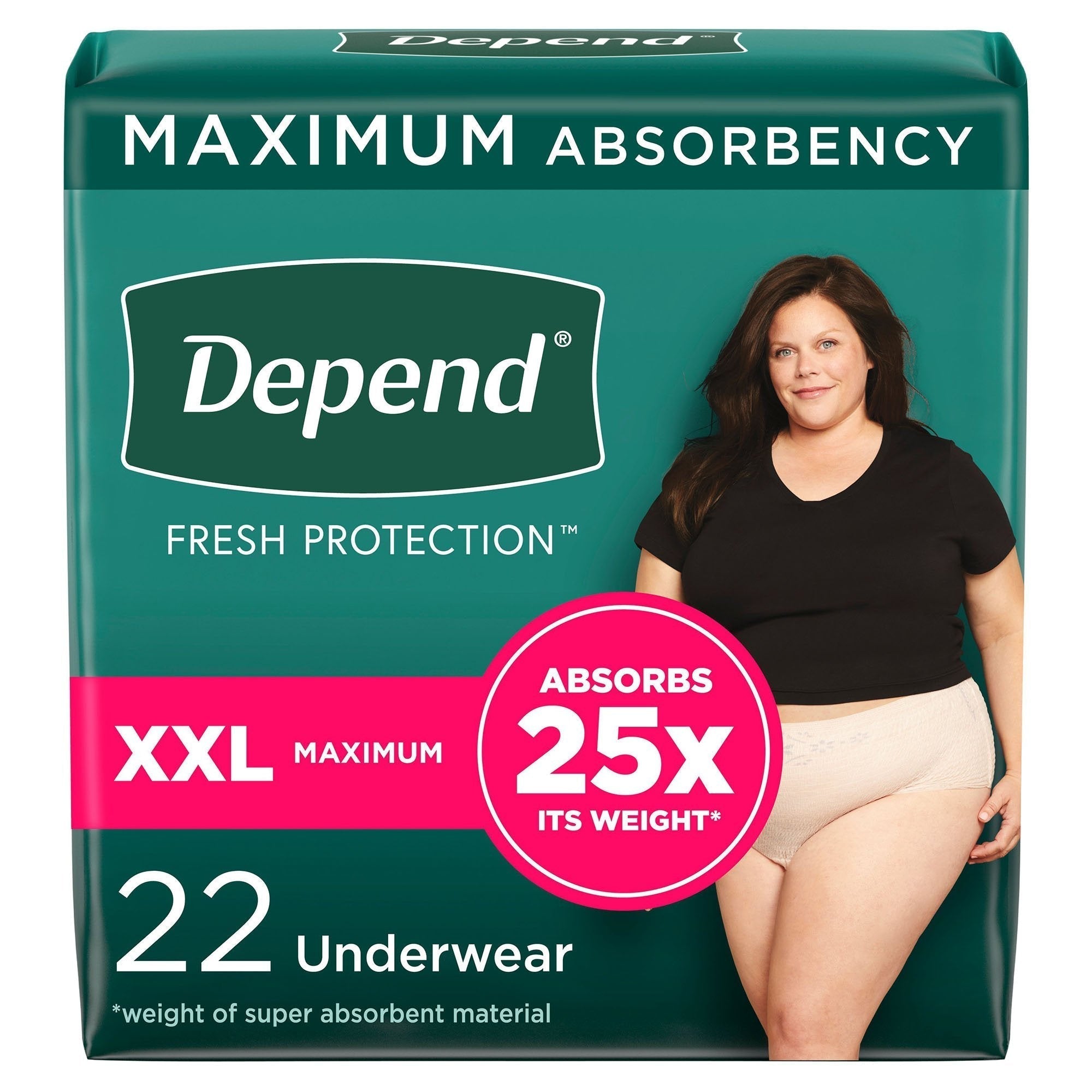
Shop by protection type: Compare adult diapers and protective underwear, booster pads, and underpads.
General information only. New, painful, or rapidly worsening incontinence should be discussed with a qualified healthcare professional.