Medical Disclaimer: This article is for informational purposes only. Arthritis management varies significantly by type and individual circumstance. Work with your rheumatologist or primary care physician to develop a comprehensive treatment plan.
Arthritis Pain Relief 2026: Every Evidence-Based Strategy to Reduce Joint Pain
More Than 100 Types, One Shared Challenge
The word "arthritis" covers more than 100 conditions, but the two most common — osteoarthritis (OA) and rheumatoid arthritis (RA) — account for the vast majority of the 54 million Americans living with this diagnosis. While the underlying mechanisms differ dramatically (OA is a degenerative joint disease; RA is an autoimmune condition), both result in the same daily struggle: pain, stiffness, reduced range of motion, and the progressive loss of activities that define quality of life.
The good news: the management toolkit for arthritis pain has never been better. This guide covers every evidence-based approach, from OTC medications to advanced physical interventions, so you can build a comprehensive strategy that works for your specific situation.
Browse our Pain Relief and Physical Therapy collections at AllCare Store.
Over-the-Counter Medications
Acetaminophen (Tylenol): First-line recommendation from the American College of Rheumatology for mild osteoarthritis pain. Effective for pain; no anti-inflammatory effect. Safe for most people at doses up to 3,000–4,000 mg/day. Do not exceed recommended doses; acetaminophen toxicity causes liver damage.
NSAIDs (ibuprofen, naproxen): Effective for both pain and inflammation. Naproxen (Aleve) has a longer duration of action (8–12 hours vs. 4–6 hours for ibuprofen). NSAIDs carry cardiovascular, GI, and kidney risks with regular long-term use; use the lowest effective dose for the shortest necessary period. Take with food.
Topical NSAIDs (diclofenac gel, Voltaren): Applied directly to affected joints, topical diclofenac delivers anti-inflammatory medication locally with significantly lower systemic side effects than oral NSAIDs. Available OTC since 2020; an excellent option for knee and hand OA.
Topical capsaicin: Derived from hot peppers, capsaicin depletes substance P (a pain signaling molecule) from nerve endings in the joint area. Effective for OA of the knee and hand; requires consistent application 3–4 times daily for 4–6 weeks to see full effect.
Heat vs. Cold Therapy
Both heat and cold therapy provide meaningful arthritis pain relief and should be part of every home management strategy.
Heat therapy (heating pads, warm baths, paraffin wax baths for hands) is best for chronic stiffness, muscle tension around affected joints, and before exercise/activity. Heat increases blood flow, relaxes surrounding muscles, and improves joint mobility. Apply for 15–20 minutes.
Cold therapy (ice packs, cold gel packs) is best for acute flares of inflammation, joint swelling, and post-activity pain. Cold reduces inflammation and numbs the area. Apply for 10–20 minutes with a cloth barrier between the ice and skin.
Exercise: The Most Underused Arthritis Medicine
Exercise is the single most effective non-pharmacological intervention for arthritis pain, function, and quality of life. This surprises many people who fear that movement will worsen joint damage — but the research is unequivocal: appropriate exercise reduces pain, improves function, strengthens the muscles that support affected joints, and improves fatigue, mood, and cardiovascular health. Low-impact options including swimming, water aerobics, cycling, and walking are particularly well-tolerated. Resistance training builds muscle support around joints. Tai chi has strong evidence for pain and balance in knee OA.
Joint Supplements with Evidence
Glucosamine and chondroitin have mixed evidence in large trials but remain widely used and well-tolerated for OA. Fish oil (omega-3 fatty acids) has good evidence for reducing RA inflammation and may reduce medication needs. Curcumin has demonstrated anti-inflammatory benefit comparable to NSAIDs in some OA studies. Vitamin D supplementation is important if levels are low, as deficiency is associated with worse arthritis outcomes.
Assistive Devices and Home Modifications
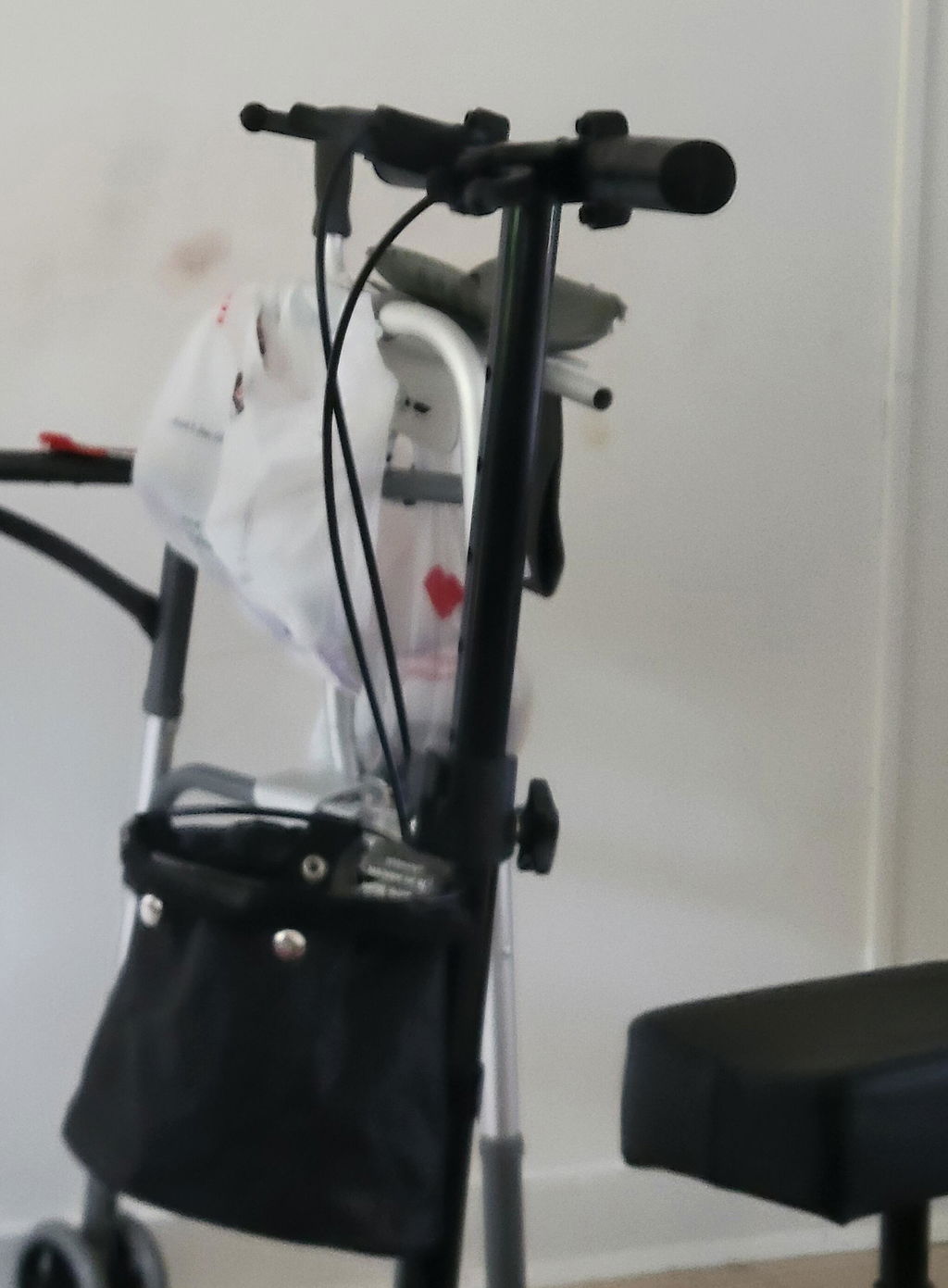
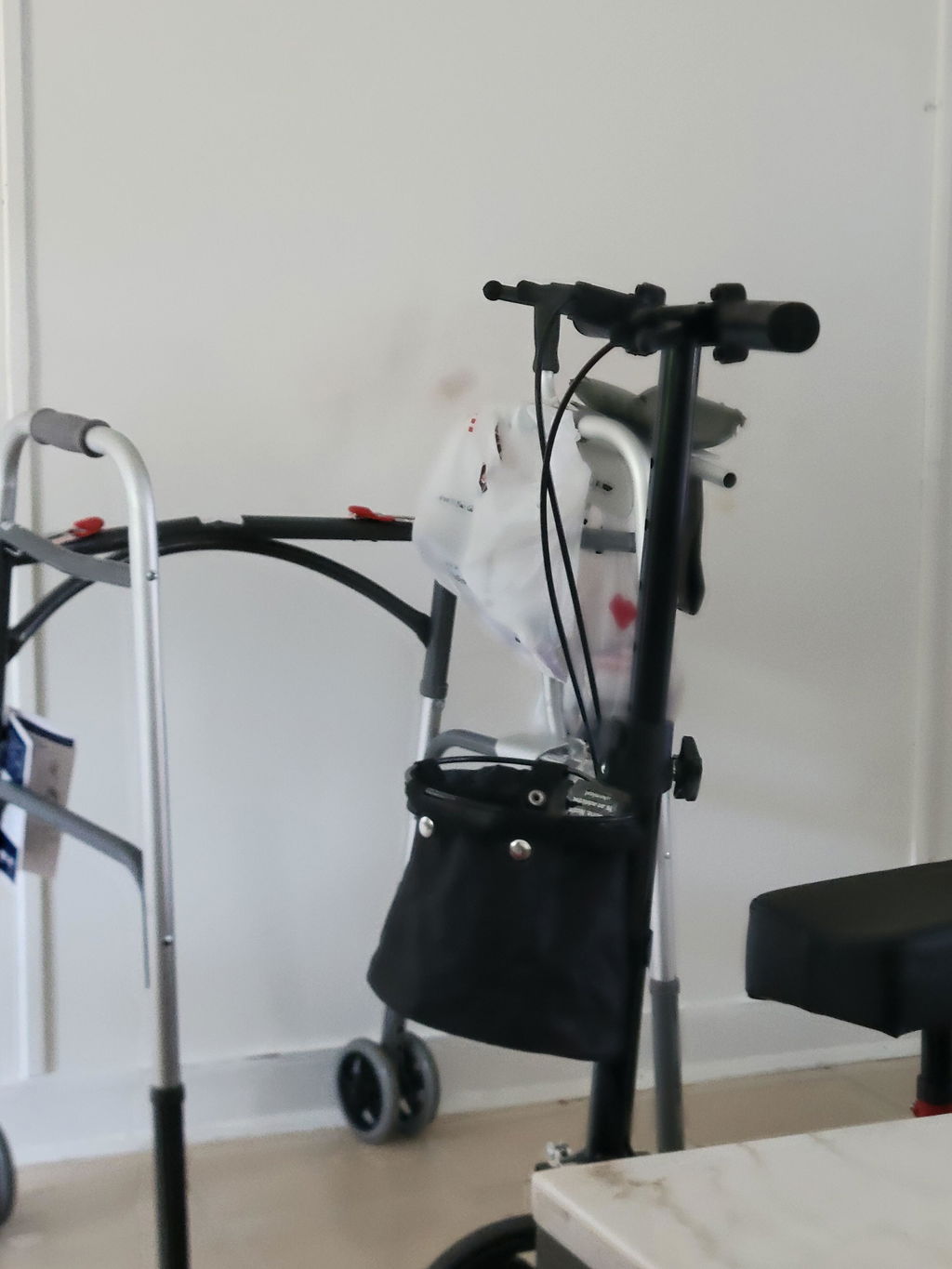
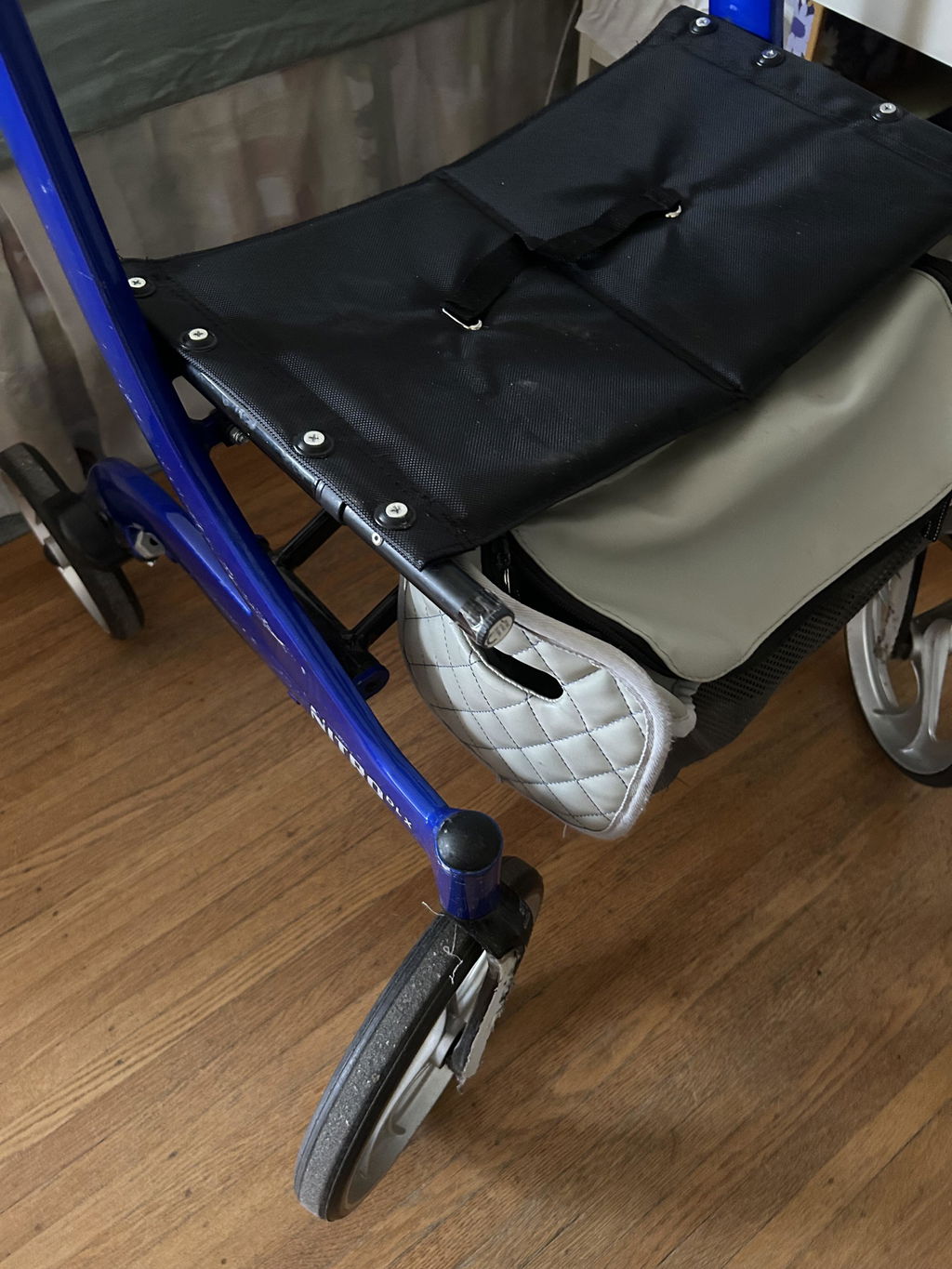
Arthritis-friendly tools reduce the joint stress of daily tasks dramatically: jar openers, ergonomic kitchen tools, built-up handle utensils, and button hooks for people with hand OA. Canes and walkers reduce load on hip and knee joints. Grab bars, tub seats, and raised toilet seats support bathroom safety. Orthotic shoe inserts cushion and protect knee and hip joints during walking. Browse our Daily Living Aids and Mobility Aids collections for arthritis-friendly products.
Shop Arthritis Relief at AllCare Store
Find pain relief products, hot and cold therapy, compression supports, mobility aids, and supplements at AllCare Store. Free shipping on every order.
Visit AllCare Store — your partner in active aging. 1-888-889-6260.
Frequently Asked Questions: Arthritis Pain Relief
What is the strongest over-the-counter arthritis pain relief?
For most people with OA, naproxen sodium (Aleve) is among the strongest OTC options due to its 12-hour duration and anti-inflammatory effect. Topical diclofenac (Voltaren Arthritis Pain gel) is highly effective for knee and hand OA with fewer systemic risks. For severe arthritis, prescription medications — including stronger NSAIDs, corticosteroid injections, or disease-modifying agents for RA — are significantly more effective than any OTC option.
Does weather really affect arthritis pain?
Many arthritis patients report increased pain with changes in barometric pressure, cold temperatures, and damp weather. Research findings are mixed, but some studies do support an association between falling barometric pressure and increased joint pain — possibly because lower pressure allows tissues around joints to expand slightly. While weather cannot be controlled, warm therapy, indoor exercise, and maintaining consistent management routines can help offset weather-related flares.