Medical Disclaimer: This article provides general nutritional information for diabetes management. Individual dietary needs vary based on diabetes type, medications, kidney function, and other health conditions. Always work with your healthcare team — including a registered dietitian — before making significant dietary changes.
Diabetic-Friendly Meal Plans 2026: A Practical Guide to Eating for Blood Sugar Control
Food Is Medicine — Especially with Diabetes
For people with Type 2 diabetes, dietary change is the single most powerful intervention available. Studies consistently show that structured dietary changes can reduce HbA1c by 1–2 percentage points — equivalent to the effect of a diabetes medication — without the cost or side effects. For some patients, dietary change alone achieves remission. For others, it significantly reduces medication requirements. At minimum, a thoughtful eating pattern stabilizes blood glucose, reduces cardiovascular risk, and improves energy and well-being.
The right eating plan for diabetes is not about deprivation — it's about understanding which foods raise blood glucose rapidly, which provide slow-burning energy, and how to build satisfying meals that keep glucose levels stable throughout the day.
At AllCare Store, our Diabetes Care collection includes glucose meters, test strips, and monitoring supplies to support your management.
Core Principles of Diabetes-Friendly Eating
1. Focus on carbohydrate quality and quantity. Carbohydrates raise blood glucose more than protein or fat. The goal is not to eliminate carbohydrates but to choose those with a low glycemic impact (whole grains, legumes, non-starchy vegetables) and to control portions of high-impact carbohydrates (refined grains, starchy vegetables, fruit juice, sweets).
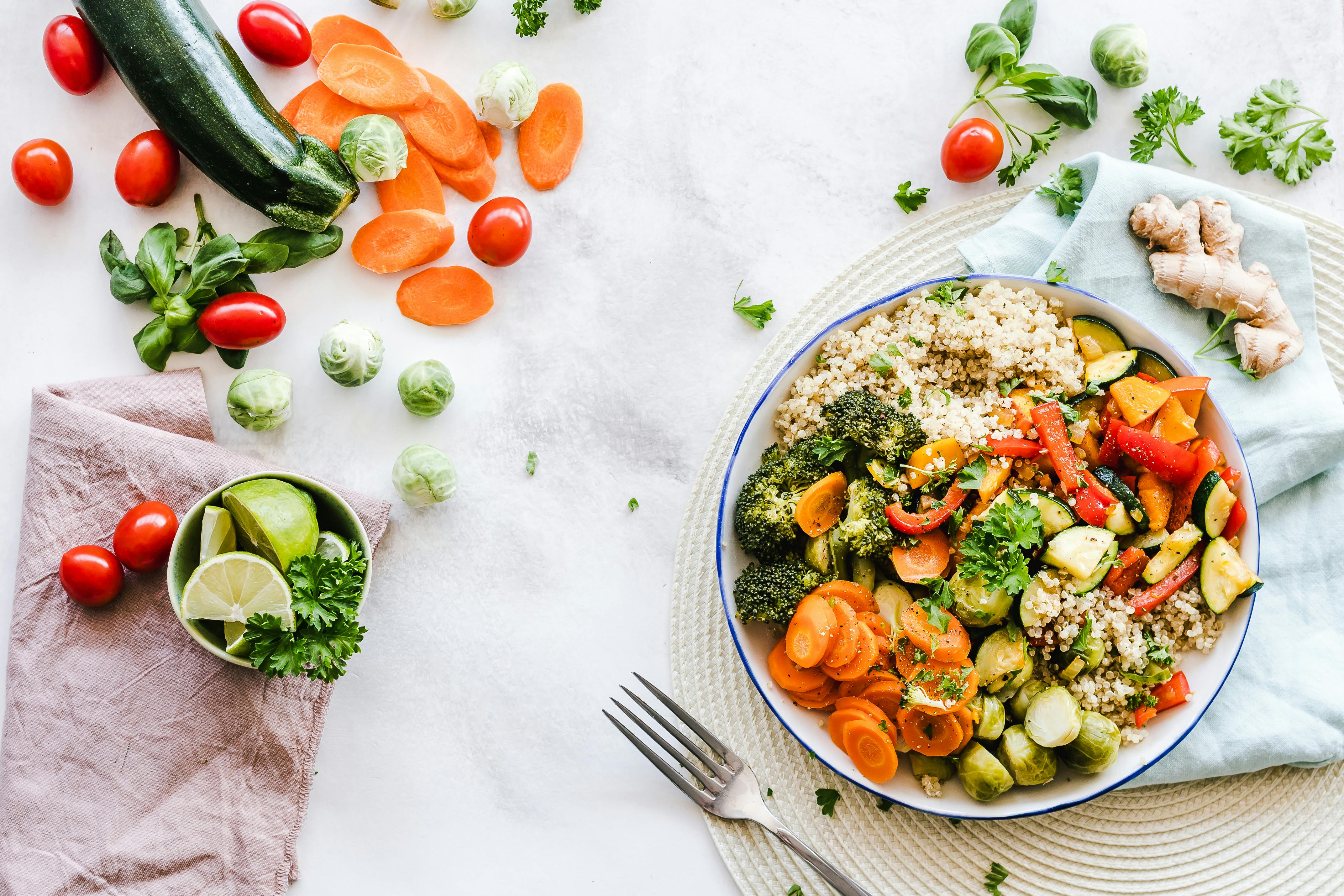
2. Embrace the "plate method." Fill half your plate with non-starchy vegetables, a quarter with lean protein, and a quarter with quality carbohydrates. This simple visual guide naturally produces lower-glycemic meals without counting carbohydrates.
3. Pair carbohydrates with protein and fiber. Eating carbohydrates alongside protein, healthy fat, and fiber slows glucose absorption and blunts post-meal blood sugar spikes. An apple alone raises glucose quickly; an apple with nut butter raises it much more slowly.
4. Maintain consistent meal timing. Eating at regular intervals (every 4–5 hours) prevents extreme blood glucose swings and makes insulin or medication management more predictable.
Best Foods for Blood Sugar Control
| Category | Best Choices | Why |
|---|---|---|
| Vegetables | Leafy greens, broccoli, cauliflower, zucchini, peppers, tomatoes | Very low carb; high fiber; nutrient-dense |
| Proteins | Chicken, fish (especially fatty fish), eggs, tofu, legumes | Minimal glucose impact; promotes satiety |
| Healthy fats | Avocado, olive oil, nuts, seeds | No glucose impact; reduces post-meal spikes; heart-healthy |
| Grains | Steel-cut oats, quinoa, barley, whole grain bread (100%) | Lower glycemic than refined grains; provides fiber |
| Fruit | Berries, cherries, apples (with skin) | Lower glycemic than tropical fruits; high in antioxidants |
| Dairy | Plain Greek yogurt, low-fat cheese, unsweetened milk alternatives | Protein-rich; moderate glucose impact |
Sample One-Day Diabetic Meal Plan
Breakfast: Steel-cut oatmeal (½ cup dry) with cinnamon, topped with berries and 2 tablespoons of chopped walnuts. Black coffee or unsweetened tea.
Morning Snack: 1 medium apple with 1 tablespoon almond butter.
Lunch: Large mixed green salad with grilled chicken breast, cucumber, tomatoes, avocado, and olive oil-lemon dressing. Side of ½ cup lentil soup.
Afternoon Snack: Plain Greek yogurt with a handful of blueberries.
Dinner: Baked salmon with roasted broccoli and cauliflower, ½ cup cooked quinoa.
This sample day provides approximately 1,600–1,800 calories, 40–45% carbohydrates, moderate protein, and healthy fats — a balance appropriate for many people with Type 2 diabetes.
Monitor Your Response
Individual blood glucose responses to foods vary substantially. Using a blood glucose meter to check 2 hours after meals helps you understand how specific foods affect YOUR glucose — more valuable than any generic glycemic index. A continuous glucose monitor (CGM) provides even more complete data on your real-time glucose responses to everything you eat. Browse our Blood Glucose Monitors for meters and testing supplies.
Diabetes Care at AllCare Store
Shop our complete Diabetes Care collection for blood glucose monitors, test strips, lancets, insulin supplies, and diabetic-friendly nutritional products. Free shipping on every order.
Visit AllCare Store. 1-888-889-6260.
Frequently Asked Questions: Diabetic Meal Plans
How many carbs should a diabetic eat per day?
There is no universal carbohydrate target for diabetes — individual needs vary based on activity level, medications, diabetes type, and health goals. A common starting point is 45–60 grams of carbohydrates per meal (135–180g/day), but many people with Type 2 diabetes benefit from lower amounts (20–45g/meal). Work with a registered dietitian to determine what's appropriate for you, and use blood glucose monitoring to see how different carbohydrate amounts affect your levels.
Is the keto diet good for Type 2 diabetes?
Very low carbohydrate and ketogenic diets have shown meaningful HbA1c reductions and weight loss in studies of people with Type 2 diabetes and prediabetes. However, they require careful medical supervision — particularly for those on insulin or glucose-lowering medications, as medication doses may need to be rapidly adjusted to prevent hypoglycemia. They are also challenging to maintain long-term. Discuss keto or very low carb approaches with your doctor and dietitian before starting.