MEDICAL DISCLAIMER: This article is for informational purposes only and is not a substitute for professional medical advice, diagnosis, or treatment. Always consult with your physician, gastroenterologist, or registered dietitian before making significant dietary changes, especially if you suspect celiac disease or gluten sensitivity. Celiac disease requires formal diagnosis and medical management.
The Day Dorothy Changed Everything
Dorothy, 74, had been exhausted for three years. She'd chalked it up to getting older — the fatigue, the stomach cramps after meals, the persistent brain fog that made her forget why she'd walked into a room. Her doctors checked for everything: thyroid, anemia, heart. Everything came back normal. Finally, at her granddaughter's wedding, she watched a young family member skip the bread basket and explain: "Grandma has celiac disease — same as me." Something clicked.
"I thought celiac was a young person's thing," Dorothy says now, two years into her gluten-free journey. "I didn't know it could appear at any age — or that it could explain years of symptoms my doctors and I just attributed to aging."
Dorothy's experience isn't unusual. Late-onset celiac disease and non-celiac gluten sensitivity are increasingly recognized in older adults — and the link between proper nutrition, gluten management, and healthy aging is one of the most important conversations in senior health today. This guide is your comprehensive resource for understanding gluten-free options for seniors, navigating nutrition challenges, and building a diet that supports thriving health in your 60s, 70s, 80s, and beyond.
Gluten and Seniors: Understanding the Connection
What Is Gluten?
Gluten is a family of proteins found primarily in wheat, barley, and rye. It gives bread its chewy texture and helps dough hold together. For most people, gluten is perfectly safe and nutritious. But for individuals with celiac disease or non-celiac gluten sensitivity (NCGS), consuming gluten triggers a harmful immune or inflammatory response with wide-ranging health consequences.
Celiac Disease in Older Adults: A Hidden Epidemic
For decades, celiac disease was considered primarily a pediatric condition. We now know this is wrong. A landmark study published in Annals of Medicine found that celiac disease affects approximately 1% of the population across all age groups — and that late-onset celiac disease (diagnosed after age 60) may actually be more common than previously thought. Perhaps most striking: the average delay from symptom onset to diagnosis in adults is 6-10 years.
In older adults, celiac disease may present with "atypical" symptoms that don't immediately suggest a digestive disorder:
- Unexplained anemia or iron deficiency resistant to supplementation
- Persistent fatigue and weakness
- Bone loss (osteoporosis) beyond what's expected for age
- Peripheral neuropathy (numbness, tingling in hands and feet)
- Balance and coordination problems
- Elevated liver enzymes without clear cause
- Mouth ulcers or dental enamel defects
- Unexplained weight loss
- Depression or anxiety that doesn't respond well to treatment
Non-Celiac Gluten Sensitivity in Seniors
Beyond celiac disease, non-celiac gluten sensitivity (NCGS) is increasingly recognized as a distinct condition. People with NCGS experience real, reproducible symptoms from gluten consumption but without the intestinal damage or antibodies characteristic of celiac disease. Symptoms often include brain fog, fatigue, abdominal discomfort, and joint pain — symptoms that are particularly easy to attribute to "normal aging" in older adults.
If you suspect gluten sensitivity, it's essential to get proper testing for celiac disease before eliminating gluten — because once you remove gluten from your diet, the antibody tests and intestinal biopsy used to diagnose celiac become unreliable. Get tested first, then adjust your diet based on results.
The Nutritional Challenges of Gluten-Free Eating for Seniors
Going gluten-free solves one problem but can create others if not approached thoughtfully — particularly for seniors who already face nutritional challenges from reduced appetite, medication effects, dental issues, and physiological changes in nutrient absorption.
Common Nutritional Gaps in Gluten-Free Diets
| Nutrient | Why It's Deficient | Why Seniors Need Extra Attention | Gluten-Free Sources |
|---|---|---|---|
| Fiber | Wheat bran is a major fiber source; GF breads often low in fiber | Constipation risk increases with age; fiber supports gut and heart health | Legumes, vegetables, fruits, whole grain rice, quinoa, flaxseed |
| B Vitamins (B1, B2, B3, B9 folate) | Wheat is heavily fortified; GF grains often not | B12 absorption decreases with age; B vitamins support nerve, brain, energy | Lean meats, eggs, dairy, legumes, fortified GF cereals |
| Iron | Fortified wheat major source; celiac also impairs absorption | Anemia common in seniors; medication interactions | Lean red meat, dark leafy greens, legumes, seeds |
| Calcium | Fortified wheat products contribute to intake | Bone density loss accelerates after 65; fracture risk high | Dairy, leafy greens, fortified GF plant milks, sardines with bones |
| Vitamin D | Some fortified cereals are avoided | D absorption decreases with age; essential for bone, immune, muscle health | Fatty fish, egg yolks, fortified foods, sunlight, supplementation |
| Zinc | Wheat germ significant zinc source | Zinc supports immune function, wound healing, taste/smell | Meat, shellfish, pumpkin seeds, legumes |
| Magnesium | Whole wheat major dietary source | Essential for muscle, nerve, bone, blood sugar; deficiency common in elderly | Dark leafy greens, nuts, seeds, legumes, dark chocolate |
This nutrient profile makes quality supplementation particularly important for seniors following a gluten-free diet. Our vitamins and supplements collection includes a range of products formulated to address common nutritional gaps, including options suitable for seniors managing dietary restrictions.
Safe Naturally Gluten-Free Foods: Building Your Foundation
The good news: an enormous variety of whole, nutritious foods are naturally gluten-free and form the ideal foundation of a healthy senior diet.
Grains and Starches (Naturally Gluten-Free)
- Rice (white, brown, wild) — America's most consumed gluten-free grain
- Quinoa — A complete protein with all nine essential amino acids; excellent for seniors
- Corn/Maize — Polenta, cornmeal, masa
- Oats — Must be certified gluten-free due to cross-contamination risk; a good source of fiber (beta-glucan)
- Millet — Iron, protein, magnesium-rich
- Sorghum — High in fiber, antioxidants
- Buckwheat — Despite the name, contains no wheat; rich in rutin (supports blood vessel health)
- Amaranth — High in protein, calcium, and iron
- Teff — Excellent calcium and iron source; popular in Ethiopian cuisine
- Potatoes, sweet potatoes, yams — Nutritious, versatile starches
Protein Sources (Naturally Gluten-Free)
All plain, unprocessed animal proteins are naturally gluten-free: beef, chicken, turkey, pork, fish, shellfish, eggs. For seniors, protein needs are actually higher than commonly thought — research now suggests older adults need 1.0-1.2 grams of protein per kilogram of body weight daily to prevent muscle loss (sarcopenia). Prioritizing high-quality protein is essential on any diet, including gluten-free.
For plant-based seniors: legumes (beans, lentils, chickpeas), tofu, tempeh, edamame, nuts, and seeds are excellent protein sources that are naturally gluten-free.
Fruits and Vegetables — The Gluten-Free Powerhouses
All fresh fruits and vegetables are naturally gluten-free. For seniors, these should form the colorful foundation of every meal. The Mediterranean-style eating pattern — rich in vegetables, fruits, olive oil, fish, legumes, and moderate dairy — is naturally low in gluten-containing grains and has strong evidence for supporting brain health, heart health, and longevity.
Gluten-Free Nutritional Supplements for Seniors
For seniors following a gluten-free diet, targeted supplementation can fill nutritional gaps that even careful dietary planning might miss. When choosing supplements, it's critical to verify they are gluten-free — many supplements can contain gluten-based fillers, coatings, or binders. Always look for products that are explicitly labeled gluten-free or certified by an independent organization.
The nutrition and feeding collection at AllCare Store includes a curated selection of nutritional supplements, meal supplements, and specialized nutrition products designed to support the unique needs of seniors and adults with dietary restrictions.
Key Supplements for Gluten-Free Seniors
Multivitamin with Minerals
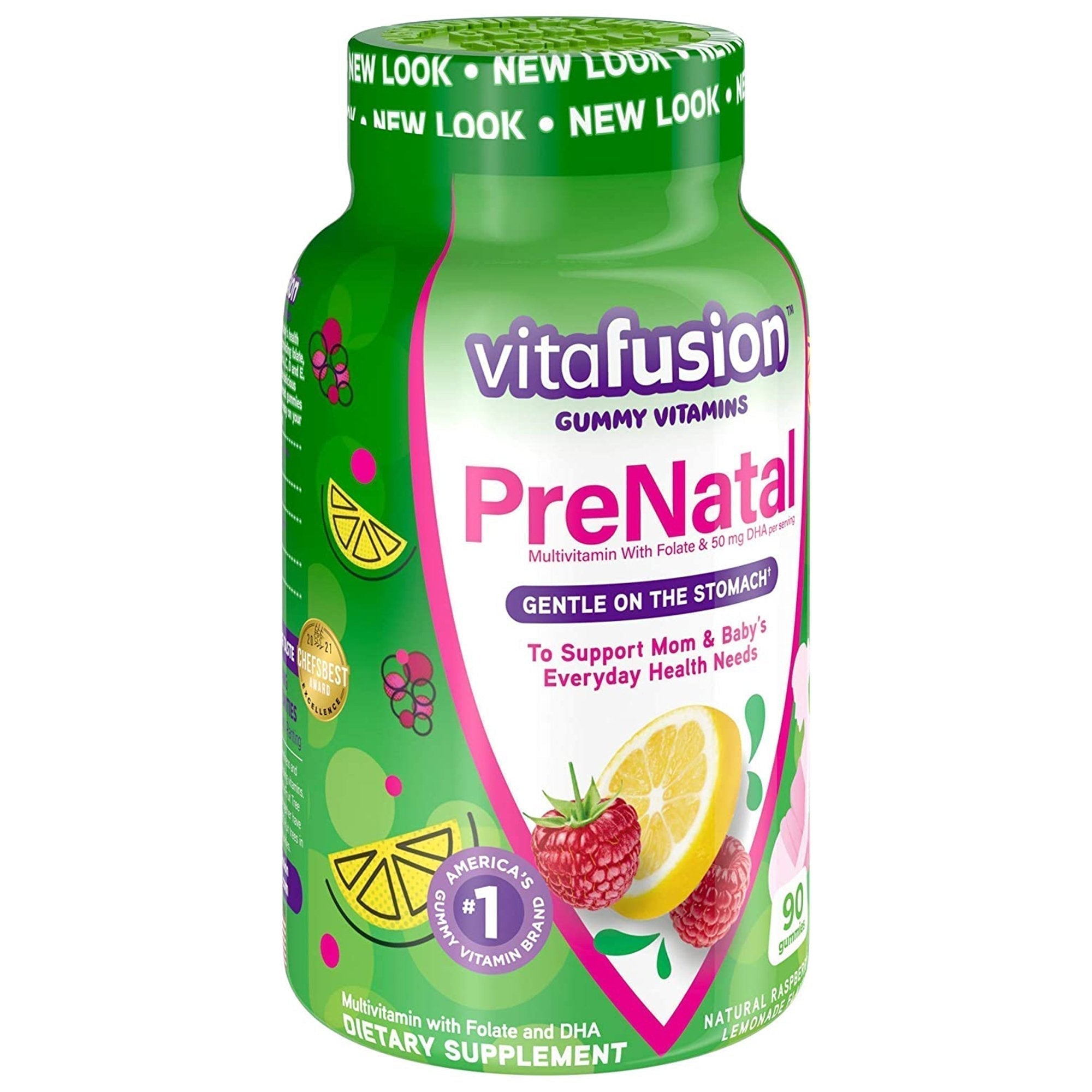
A comprehensive multivitamin formulated for older adults covers multiple bases at once. Look for formulas containing B12 in methylcobalamin form (more bioavailable), iron if needed (but consult your doctor — excess iron can be harmful), adequate D3 (not D2), and folate as methylfolate rather than folic acid for better absorption in seniors.
Vitamin B12
B12 deficiency is extremely common in older adults for three reasons: reduced stomach acid production impairs B12 absorption from food, metformin (commonly used for diabetes) depletes B12, and a gluten-free diet may reduce intake from fortified sources. The National Institutes of Health estimates that up to 43% of older adults have low or deficient B12 levels. Supplementing with 500-1000 mcg daily of methylcobalamin is prudent for most gluten-free seniors.
Vitamin D3 + K2
Vitamin D deficiency affects a majority of older Americans. It's essential for calcium absorption, bone density, immune function, muscle strength, and mood regulation. For seniors, the recommended intake is 800-1000 IU daily (though many healthcare providers recommend higher doses for those with deficiency). Pairing D3 with vitamin K2 helps ensure calcium is directed to bones rather than arteries.
Calcium (with D3)
For seniors who have intestinal damage from celiac disease, calcium absorption may have been impaired for years before diagnosis. Adults over 70 need 1,200 mg of calcium daily. If dietary intake (from dairy, leafy greens, fortified plant milks) doesn't reach this, supplementation is appropriate. Calcium citrate is the preferred form for older adults as it absorbs well even with reduced stomach acid.
Iron (Only If Deficient)
Iron supplementation should only be taken when a blood test confirms deficiency — excess iron is harmful. However, iron deficiency anemia is very common in seniors with celiac disease due to years of intestinal inflammation impairing absorption. If your doctor identifies iron deficiency, supplementation alongside a healing gluten-free diet typically resolves it within 3-6 months.
Magnesium
Magnesium is involved in over 300 enzyme processes in the body, supports muscle and nerve function, helps regulate blood sugar and blood pressure, and is essential for bone health. It's commonly deficient in older adults and in those who've had intestinal inflammation from celiac disease. Magnesium glycinate and magnesium citrate are better-absorbed forms with fewer digestive side effects than magnesium oxide.
Omega-3 Fatty Acids (Fish Oil)
Omega-3 fatty acids from fish oil (EPA and DHA) support brain health, heart health, joint health, and have anti-inflammatory effects — all highly relevant for seniors managing the systemic inflammation that often accompanies celiac disease. The American Heart Association recommends 1 gram of EPA+DHA daily for those with heart disease; 2-4 grams for those with elevated triglycerides (under medical supervision).
Probiotics
The gut microbiome is significantly disrupted in people with celiac disease, and may remain dysbiotic even after going gluten-free. Probiotics — especially strains like Lactobacillus acidophilus, Bifidobacterium longum, and Lactobacillus rhamnosus GG — can support gut healing, improve digestion, and may reduce the immune reactivity that makes gluten sensitivity worse. Look for products containing at least 10 billion CFUs and multiple strains.
Nutritional Supplements for Seniors Who Struggle to Eat Enough
Many seniors — particularly those in their 70s and 80s, or those recovering from illness — struggle with adequate caloric and nutritional intake. Reduced appetite, dental problems, difficulty cooking, and illness can all contribute to malnutrition risk. Complete oral nutrition supplements (like Ensure or Boost) can be valuable tools for these situations — and most major formulations are gluten-free.
At AllCare Store, our nutrition and feeding collection includes nutritional supplement drinks, protein supplements, and specialized feeding products for seniors who need additional nutritional support. These products can be a practical bridge between dietary intake and optimal nutrition for seniors following gluten-free or other restricted diets.
Practical Gluten-Free Meal Planning for Seniors
Simple Gluten-Free Meal Ideas
One of the most common concerns seniors and their caregivers express is that gluten-free eating is complicated or limits variety. In fact, many naturally gluten-free meals are simple, affordable, and delicious:
Breakfast options: Eggs scrambled with vegetables; gluten-free certified oatmeal with berries and walnuts; Greek yogurt with fruit and gluten-free granola; smoothie with protein powder, banana, and berries; rice cakes with nut butter and banana.
Lunch options: Large salad with grilled chicken, olive oil, and lemon; lentil soup; tuna or salmon over rice crackers; stuffed bell peppers with quinoa and black beans; corn tortilla tacos with beans, avocado, and salsa.
Dinner options: Baked salmon with roasted vegetables and wild rice; chicken stir-fry with rice noodles and tamari (gluten-free soy sauce); beef and vegetable stew (thickened with cornstarch, not flour); grilled fish with sweet potato and steamed broccoli; bean and vegetable curry over basmati rice.
Snacks: Fresh fruit; cheese and rice crackers; nuts and seeds; hummus with vegetables; hard-boiled eggs; corn tortilla chips with salsa or guacamole.
Hidden Gluten: What Seniors Need to Watch For
Perhaps the most challenging aspect of gluten-free eating is learning to identify hidden gluten in processed foods. Many products that don't seem wheat-based can contain gluten:
| Product Category | Potential Gluten Source | Gluten-Free Alternative |
|---|---|---|
| Soy sauce | Traditional soy sauce contains wheat | Tamari or "gluten-free" labeled soy sauce |
| Soups and broths | Thickeners, malt extract, flavorings | Read labels; choose certified GF brands |
| Processed meats | Fillers, binders in deli meats, sausages | Plain, fresh cuts; certified GF deli products |
| Sauces and gravies | Flour as thickener; malt vinegar | Cornstarch-thickened; certified GF versions |
| Salad dressings | Malt vinegar, wheat-based thickeners | Oil and lemon/vinegar; certified GF dressings |
| Medications/supplements | Wheat starch as binder, barley malt excipients | Explicitly gluten-free labeled products |
| Oats | Cross-contamination in processing | Certified gluten-free oats |
| French fries | Shared fryer oil with breaded items | Dedicated GF fryer; make at home |
| Flavored chips/crackers | Malt vinegar, barley-based seasonings | Plain versions; certified GF brands |
Dining Out Gluten-Free as a Senior
Social dining is an important part of healthy aging — isolation increases when seniors avoid restaurants due to dietary restrictions. Many restaurants now offer gluten-free menus or can accommodate requests, but some precautions are necessary:
- Call ahead to ask about gluten-free options and cross-contamination protocols
- Inform your server clearly: "I have celiac disease/gluten sensitivity and need to avoid gluten completely"
- Ask about fryer oil sharing and food preparation surfaces
- Simpler dishes (grilled meats with plain vegetables, rice-based dishes) are generally safer than complex preparations
- Chain restaurants with official GF menus often have better protocols than independent restaurants
- Apps like "Find Me Gluten Free" can help identify senior-friendly, GF-accommodating restaurants
Managing Gluten-Free Nutrition in Care Settings
For seniors in assisted living, nursing homes, or receiving home care services, maintaining a gluten-free diet requires proactive communication with care team and dietary staff:
- Provide written documentation of the gluten-free requirement from your physician
- Request a meeting with the facility dietitian to review menu options
- Ask about cross-contamination prevention in the kitchen
- Keep a supply of certified gluten-free snacks and backup foods on hand
- Consider oral nutrition supplements to fill gaps when meals are uncertain
For family caregivers managing meal preparation, our nutrition and feeding collection at AllCare Store includes products that can simplify nutrition management for seniors with dietary needs. Our team at 1-888-889-6260 (Mon–Fri, 7:00 AM–4:00 PM CST) can help you navigate our product selection and find the best options for your loved one's specific needs.
Gluten-Free and Other Common Senior Dietary Needs
Gluten-Free + Diabetic Diet
Many gluten-free products are made with refined white rice flour, potato starch, or tapioca — ingredients with high glycemic indexes that can spike blood sugar. Seniors managing both gluten sensitivity and diabetes should focus on naturally gluten-free whole grains (quinoa, brown rice, oats), legumes, and non-starchy vegetables rather than processed GF substitutes. Choosing lower-glycemic gluten-free options and monitoring portions is essential.
Gluten-Free + Heart-Healthy Diet
A gluten-free diet can absolutely be heart-healthy — in fact, emphasizing naturally GF whole foods (fish, lean meats, legumes, nuts, seeds, fruits, and vegetables) aligns well with heart health principles. The Mediterranean diet, one of the most studied heart-healthy eating patterns, is naturally low in gluten.
Gluten-Free + Low-Sodium Diet
Many processed gluten-free products are high in sodium. Focus on preparing whole, naturally gluten-free foods at home where you control sodium. Use herbs, spices, citrus, and vinegar (not malt vinegar) for flavoring instead of salt.
Working with Your Healthcare Team
Managing a gluten-free diet as a senior is most successful with a team approach. For everyday health and wellness products compatible with a gluten-free lifestyle, explore our personal care collection. Key team members include:
- Primary care physician: Overall health monitoring, medication review for gluten content, annual blood work to check nutritional status
- Gastroenterologist: Monitoring intestinal healing in celiac disease (typically via repeat endoscopy and antibody testing); managing any GI complications
- Registered dietitian: Personalized meal planning, supplement guidance, practical strategies for gluten-free eating within your lifestyle and budget
- Pharmacist: Reviewing all medications for gluten-containing excipients and identifying gluten-free alternatives when needed
For monitoring purposes, seniors with celiac disease should have annual blood work including CBC, metabolic panel, vitamin D, B12, iron studies, and celiac antibodies (TTG-IgA) to track dietary adherence and nutritional status. Bone density (DEXA) scans are also recommended at regular intervals given the bone loss risk associated with celiac disease.
AllCare Store: Supporting Your Nutritional Journey
At AllCare Store, we believe that age should never be a barrier to good nutrition and vibrant health. Whether you're newly navigating a gluten-free diet, managing multiple dietary needs, or caring for a senior loved one with nutritional requirements, we're here to help.
Our vitamins and supplements collection offers a wide range of products to fill nutritional gaps common in gluten-free senior diets — from B12 and vitamin D3 to calcium, magnesium, and probiotic formulas. Our nutrition and feeding products include oral nutrition supplements, protein powders, and complete nutritional drinks suitable for seniors who need additional caloric and micronutrient support.
Every order from AllCare Store comes with free shipping on qualifying orders, discreet packaging that respects your privacy, and our 30-day return policy. Our expert team is just a phone call away at 1-888-889-6260 — we're available Monday through Friday, 7:00 AM to 4:00 PM CST, to help you navigate your options and make the best choices for your health needs.
Supporting Total Wellness on a Gluten-Free Diet
For seniors managing ongoing health needs alongside a gluten-free diet, AllCare Store carries a comprehensive selection of first aid and health products to support your complete wellness journey.
Dorothy's Happy Ending — And Yours
Two years after her diagnosis, Dorothy is a different person. The fatigue that had plagued her for years began lifting within months of going gluten-free. Her anemia resolved. The brain fog that had made her feel "like I was losing myself" cleared significantly. "I feel more like myself than I have in a decade," she says. "I just wish I'd found this answer sooner."
Her story is a reminder that symptoms we attribute to "just getting older" sometimes have treatable causes. A gluten-free diet, properly managed and properly supplemented, can be a path back to energy, clarity, and wellbeing — at any age.
Frequently Asked Questions: Gluten-Free for Seniors
Can celiac disease develop in old age?
Yes. While celiac disease has a genetic basis, it can be triggered or become symptomatic at any age — including in seniors. Studies show that a significant proportion of celiac disease diagnoses are made in adults over 60. Late-onset celiac often presents with atypical symptoms like anemia, bone loss, or neurological symptoms rather than classic digestive complaints, which is why it frequently goes undiagnosed or is attributed to normal aging.
Is a gluten-free diet safe for seniors without celiac disease?
For seniors without celiac disease or confirmed gluten sensitivity, a gluten-free diet is generally safe but requires careful attention to nutrition. Eliminating whole grains that contain gluten can reduce fiber, B vitamin, and mineral intake if not compensated through other whole grains, legumes, vegetables, and supplements. There is no proven benefit to a gluten-free diet for people without celiac disease or gluten sensitivity. Discuss any significant dietary changes with your healthcare provider.
How long does it take for seniors to feel better on a gluten-free diet?
Improvement varies considerably. Some people notice digestive symptoms improving within days of removing gluten. Energy levels and brain fog may improve within 4-12 weeks. In celiac disease, intestinal healing takes longer — typically 6-24 months for adults, and sometimes longer in seniors. Nutritional deficiencies that developed over years (like anemia or bone loss) may take 1-2 years of gluten-free eating plus supplementation to fully correct. Regular monitoring by your healthcare team tracks progress.
Do I need a special multivitamin if I'm gluten-free?
Not necessarily, but you should ensure any multivitamin you take is labeled gluten-free. Beyond that, seniors on a gluten-free diet should prioritize adequate B12 (methylcobalamin form), vitamin D3, calcium (if not getting enough from diet), and iron (only if confirmed deficient by blood test). The best approach is to have your blood levels checked and work with a dietitian to identify your specific gaps rather than assuming you need every possible supplement.
Are meal replacement drinks like Ensure gluten-free?
Most major nutritional supplement drinks, including Ensure products, are gluten-free. However, formulations can change, so always check the current product label and manufacturer's website to confirm gluten-free status. Look for products that explicitly state "gluten-free" on the label rather than inferring it from the ingredient list, as cross-contamination during manufacturing can be an issue. Our AllCare Store team can help you find appropriate nutritional supplement products — call us at 1-888-889-6260. You can also browse our full product range at AllCare Store.
What is the best way to check if a supplement is gluten-free?
The most reliable way is to look for a certified gluten-free seal from organizations like NSF International, the Gluten-Free Certification Organization (GFCO), or the Celiac Support Association (CSA). Products bearing these seals have been tested to contain less than 10-20 parts per million of gluten. Without certification, look for an explicit "gluten-free" statement on the label and check that no gluten-containing ingredients (wheat, barley, rye, or derivatives) are listed in the inactive ingredients, fillers, or excipients.
What gluten-free grains are best for seniors?
Quinoa is often considered the best gluten-free grain for seniors because it's a complete protein (containing all essential amino acids), high in fiber, magnesium, and iron, and has a moderate glycemic index. Brown rice and wild rice are also excellent for fiber and minerals. Certified gluten-free oats provide beneficial beta-glucan fiber that supports cholesterol and blood sugar. Buckwheat, despite its name, is completely gluten-free and offers excellent nutrition including rutin (a flavonoid that supports blood vessel health, particularly relevant for seniors).
Support your gluten-free nutritional needs with quality supplements and products from AllCare Store. Browse our vitamins and supplements and nutrition and feeding collections — with free shipping on qualifying orders, discreet packaging, and a 30-day return policy. Contact our team at 1-888-889-6260 for personalized assistance.
Medical Disclaimer: This article is for informational purposes only and does not constitute medical advice. Individuals at high risk for pressure injuries should consult a physician, occupational therapist, or certified rehabilitation engineer before selecting a wheelchair cushion.