In This Article
Shopping for a handicap walker can feel overwhelming. Search results show dozens of frames that look almost the same, yet the right choice for someone recovering from a stroke is very different from the right choice for someone with arthritis in both hands, a broken ankle, or a body weight above 300 pounds. Pick the wrong one and the walker either goes unused in a corner or, worse, contributes to a fall.
The good news is that the decision gets much simpler once you know what to look for. This guide walks through the main types of walkers for disabled adults, which conditions each one suits, and how to fit it properly, with real examples from the AllCareStore range so you can see the specs side by side.
1. What Is a Handicap Walker?
A handicap walker is any walking frame designed to give a person with a disability, injury, or long-term condition extra support and balance while standing and walking. The term covers a wide family of devices: standard four-leg walkers, two-wheel walkers, rollators with seats, hemi walkers for one-sided weakness, knee walkers for foot injuries, bariatric walkers for larger bodies, and forearm platform walkers for people who cannot grip.
Quick distinction: a cane supports about 10 to 25 percent of your body weight, while a walker can support much more and gives a wide, stable base on both sides. If a cane no longer feels safe, a walker is usually the next step.
2. Start With the Person, Not the Product
Before comparing models, answer five simple questions about the person who will use the walker. Together they point you to the right category almost every time.
How much weight do they put through their arms?
If the walker carries a lot of body weight, choose a standard walker or a two-wheel walker. Rollators roll freely and are not meant for heavy leaning.
Can they use both hands?
One-sided weakness after a stroke, an amputation, or a hand injury rules out most standard frames. A hemi walker is built for one-hand use.
Can they grip a handle without pain?
Severe arthritis, nerve damage, or a wrist fracture makes gripping painful. Forearm platform attachments shift the load onto the forearm instead.
How is their balance and stamina?
Good balance with low stamina suggests a rollator with a seat. Poor balance suggests a standard walker that does not roll away.
What is their body weight?
Always stay within the weight rating. Most standard walkers are rated 300 to 350 pounds. Above that, a bariatric model rated to 500 pounds is a safety requirement, not an upgrade.
3. Types of Handicap Walkers and Who They Suit
Standard and two-wheel folding walkers
This is the most stable and most prescribed type. A two-wheel version adds small front wheels so you can push it forward instead of lifting it with every step. The McKesson Dual Release Folding Walker with Wheels is a good example: a lightweight aluminum frame rated to 350 pounds, 3-inch front wheels with rear glide caps, a height range of 32 to 39 inches for users about 5 feet 4 inches to 6 feet 2 inches, and dual push-button folding. It carries HCPCS code E0143 and is FSA eligible. Choose this style for post-surgery recovery, Parkinson's with mild gait changes, general weakness, or anyone who leans heavily on the frame.
Hemi walkers for one-sided weakness
A hemi walker is used with one hand and sits beside the body rather than in front of it. It gives far more stability than a quad cane while still leaving the other side free. The Drive Medical Side Step Folding Hemi Walker is made for people who can use only one hand or arm. It has a lightweight aluminum frame rated to 300 pounds, adjusts from 29.5 to 37 inches, and folds with one hand for storage and travel. It is a strong fit for stroke survivors with hemiplegia, one-sided weakness, or rehab after an arm injury.
Forearm platform walkers for weak grip
If gripping a handle hurts, you do not always need a new walker. Dynarex Forearm Platform Attachments clamp onto most standard walker frames and give you a padded trough and an adjustable strap, so your forearm carries the weight instead of your hand and wrist. They support up to 350 pounds, carry a limited lifetime warranty, and can be bought singly for one arm or as a pair. They suit rheumatoid arthritis, wrist fractures, severe carpal tunnel, and cerebral palsy with limited hand control.
Knee walkers for foot and ankle injuries
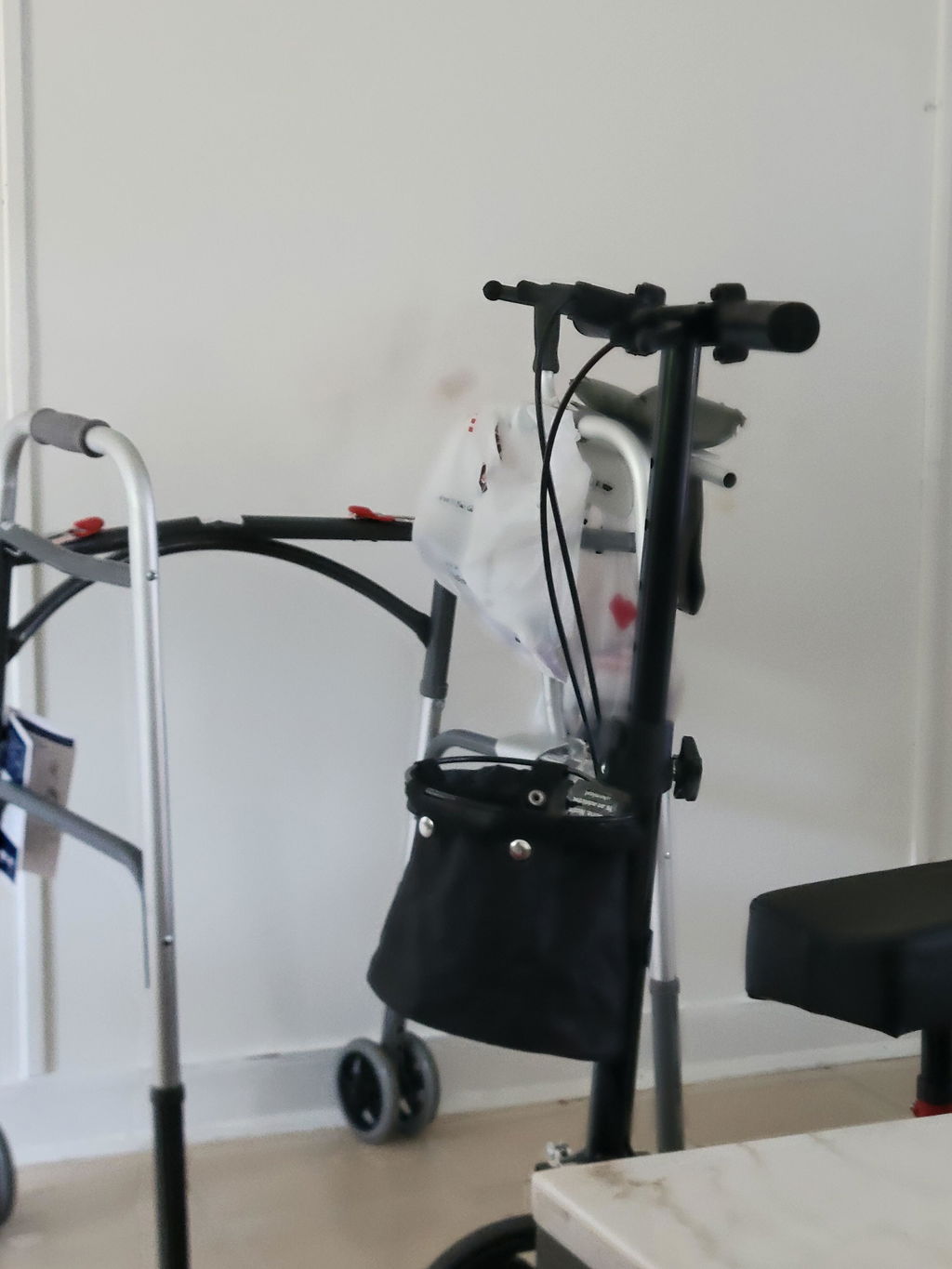
A knee walker lets you rest the injured leg on a padded platform and push with the healthy one. It is far less tiring than crutches for a broken foot, ankle surgery, or a below-knee amputation during healing. The McKesson Adjustable Height Knee Walker has a steel frame rated to 350 pounds, steerable front wheels for tight spaces, 7-inch casters, height adjustment from 31 to 40 inches, and tool-free left or right leg setup. It is listed as FSA eligible.
Bariatric walkers for larger users
A bariatric walker has a wider, stronger frame and a higher weight rating. The McKesson Bariatric Dual Release Folding Walker uses a heavy-duty steel frame rated to 500 pounds, a 24.5 inch base, a roomy 19.5 inch inside grip width, and a U-shaped front that makes standing up easier. It adjusts from 32.5 to 39 inches without tools, and each side folds independently. A version with wheels is also available. If you need a seat as well, the Helavo Bariatric Rollator supports 500 pounds and has an extra-wide, height-adjustable seat with a backrest.
Rollators for good balance and low stamina
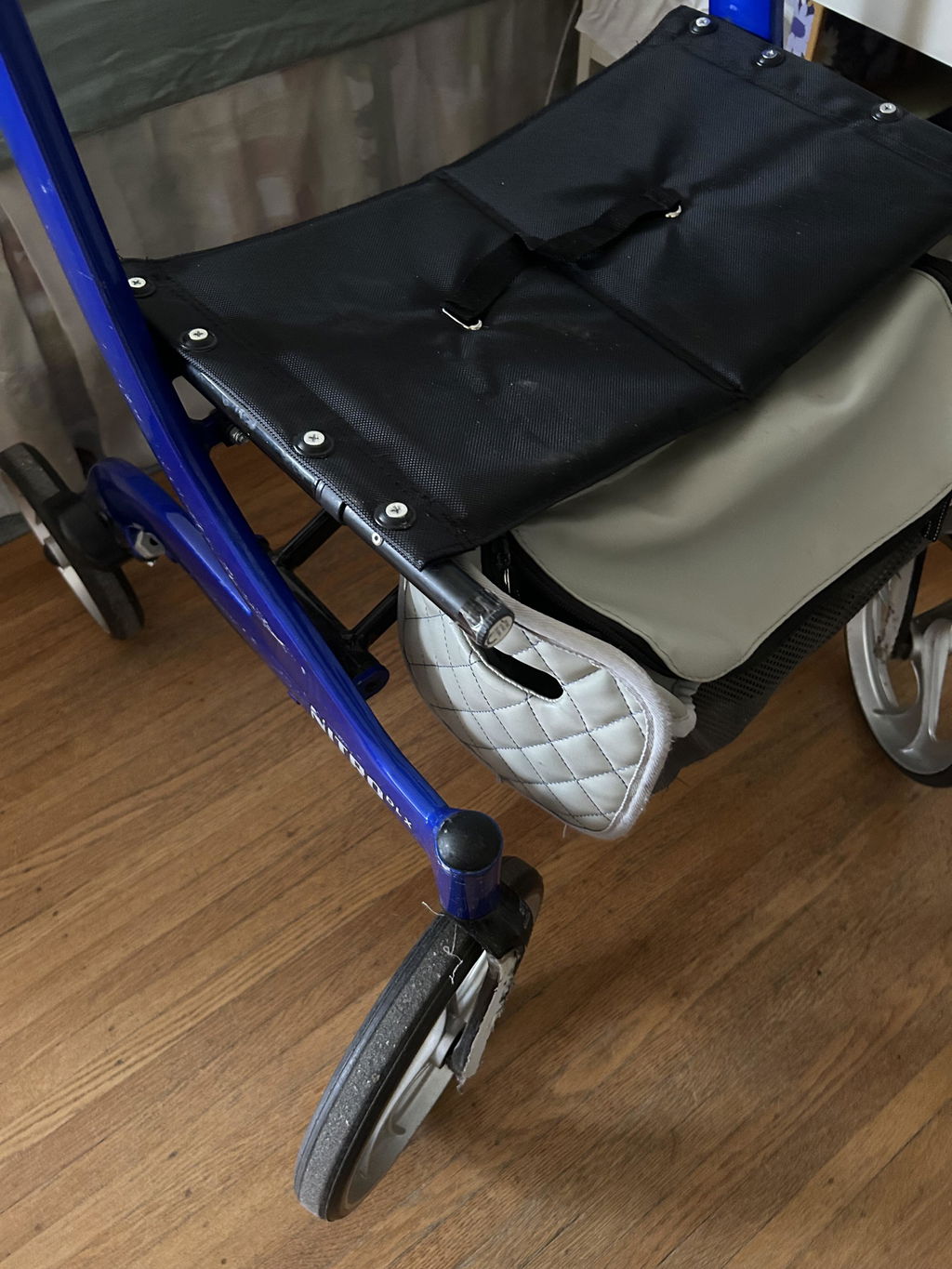
A rollator has four wheels, hand brakes, and a seat. It is ideal for people who walk steadily but tire quickly, such as those with COPD, heart conditions, or multiple sclerosis in the early stages. The Stander EZ Fold-N-Go Rollator weighs just 14.5 pounds, supports 250 pounds, and comes with a padded seat, backrest, locking brakes, basket, and pouch. It folds three times smaller than standard rollators, which makes it easy to take in the car.
4. Quick Comparison Table
| Walker Type | Hands Needed | Weight Bearing | Seat | Best for |
|---|---|---|---|---|
| Standard / two wheel | Both | High | No | Surgery recovery, poor balance |
| Hemi walker | One | Moderate | No | Stroke, one-sided weakness |
| Forearm platform | Forearms, no grip | High | No | Arthritis, wrist injury, weak grip |
| Knee walker | Both | Through one knee | No | Foot or ankle injury |
| Bariatric walker | Both | High | Optional | Users over 350 lbs |
| Rollator | Both, for brakes | Low | Yes | Good balance, low stamina |
The short version: the more weight a person puts through their arms and the weaker their balance, the more you should lean toward a standard or bariatric walker. The better their balance and the more they want speed and rest stops, the more a rollator makes sense. You can browse every option in our walkers and walkers and rollators collections.
5. Matching a Walker to Common Disabilities
- Stroke with one-sided weakness: hemi walker, or a standard walker with a platform attachment on the weaker arm
- Rheumatoid arthritis in the hands: forearm platform attachments on a standard walker
- Hip or knee replacement: two-wheel folding walker during early recovery, then a rollator once cleared
- Broken foot or ankle: knee walker
- Parkinson's disease: two-wheel walker for most people; rollators can roll ahead during freezing episodes, so test with a therapist first
- COPD or heart conditions: rollator with a seat for regular rest breaks
- Multiple sclerosis: depends on the stage; rollator for fatigue, standard walker when balance worsens
- Obesity or large frame: bariatric walker or bariatric rollator rated to 500 pounds
Important: this list is a general starting point. A physical therapist or occupational therapist can watch the person walk and recommend the safest option for their exact situation.
6. Fitting It Correctly
Set the handle height.
Have the person stand upright inside the frame with arms relaxed at their sides. The handgrips should line up with the crease of the wrist. When they hold the grips, the elbows should bend slightly, about 15 to 20 degrees.
Check the width
The person should be able to stand inside the frame comfortably without their hips touching the sides. Larger users need a bariatric frame with a wider inside grip width.
Test the home
Measure doorways, bathroom entries, and hallways. Most standard walkers are around 24 inches wide, so a narrow doorway may need a hemi walker or a slimmer model.
Inspect it regularly
Check rubber tips, glide caps, and brakes every few weeks. Worn tips can slip on smooth floors, and loose brakes are a common cause of rollator falls.
7. Insurance and Prescriptions
Many walkers are classed as durable medical equipment. Standard walkers, wheeled walkers, and platform attachments have their own HCPCS codes, for example, E0143 for a folding wheeled walker. Medicare Part B and many private plans may help cover the cost when a doctor documents the medical need. Several walkers at AllCareStore are also FSA-eligible, so check the product page before you buy. Ask your doctor to write the walker type and code on the prescription to make the claim easier.
Bottom line: the right handicap walker depends on how much support the person needs, whether they can use both hands, how well they can grip, how their balance holds up, and their body weight. Answer those five questions, match them to the walker type, and fit it correctly. That is what turns a walker from a piece of equipment into real independence.