MEDICAL DISCLAIMER: This article is for informational purposes only and is not a substitute for professional medical advice, diagnosis, or treatment. Every knee replacement recovery is unique. Always follow the specific instructions of your surgeon, physical therapist, and care team. Contact your surgeon immediately for increasing redness, drainage, fever, severe swelling in the calf, sudden shortness of breath, or chest pain — these may indicate infection, blood clot, or pulmonary embolism that require urgent care.

Gerald's Story: From Anxious to Ready
Gerald, 68, had delayed his right knee replacement for three years. He'd heard horror stories — weeks of agony, months on a walker, friends who never got their range back. When his orthopedist finally said, "Your knee is bone on bone and we're past the point where injections will help," Gerald booked the surgery — and then spent two months preparing. He and his wife re-arranged their first floor, moved the master bedroom downstairs for a month, and bought a walker, a raised toilet seat, shower grab bars, and a wedge pillow before he ever went into the operating room. His surgeon gave him a printed day-by-day schedule. His physical therapist came by before the operation to teach him the key early exercises. The night before surgery, for the first time in years, Gerald went to bed not worried.
Six weeks after surgery, he walked into his follow-up without a cane. He climbed stairs one at a time. He was still doing exercises twice a day and icing for 20 minutes each evening, but his pain was a 3 out of 10 and his knee had more range of motion than it had in a decade. "The surgery was the easy part," he told his surgeon. "The prep and the daily work afterward were what made it work."
Gerald's experience reflects a truth that experienced knee surgeons emphasize constantly: recovery isn't something that happens to you, it's something you actively do. This guide walks you through the full arc — what to do before surgery, what to expect day by day in the hospital, week by week at home, and what home equipment makes the biggest difference. By the time you finish reading, you'll have a clear playbook for the most important 90 days.
Before Surgery: Two to Six Weeks Out
Successful recoveries are usually built before the first incision. The pre-surgery checklist includes:
- Pre-hab exercises. Strengthening quads, glutes, and hips beforehand translates directly to faster recovery. Your surgical team may send you to physical therapy; do the home exercises without exception.
- Weight optimization. If your BMI is above 40, ask your surgeon whether losing weight first might reduce complication risk.
- Medical tune-up. Blood pressure, blood sugar, and cardiac clearance should all be addressed in advance.
- Medication review. Your surgeon will ask you to stop certain medications (NSAIDs, blood thinners, herbal supplements) before surgery.
- Dental check. Any pending dental work should be completed before your joint replacement to reduce infection risk.
- Stop smoking. Every day without nicotine before surgery improves wound healing.
- Set up home (detailed below)
- Arrange transportation home and to first physical therapy visits
- Meal prep and freeze a week of simple dinners
Home Setup Checklist
Make these changes before you go to the hospital:
- Sleep downstairs for 2-4 weeks if your bedroom is upstairs
- Raised toilet seat for the bathroom you'll use most
- Shower grab bars, a shower chair or bench, and a handheld shower head
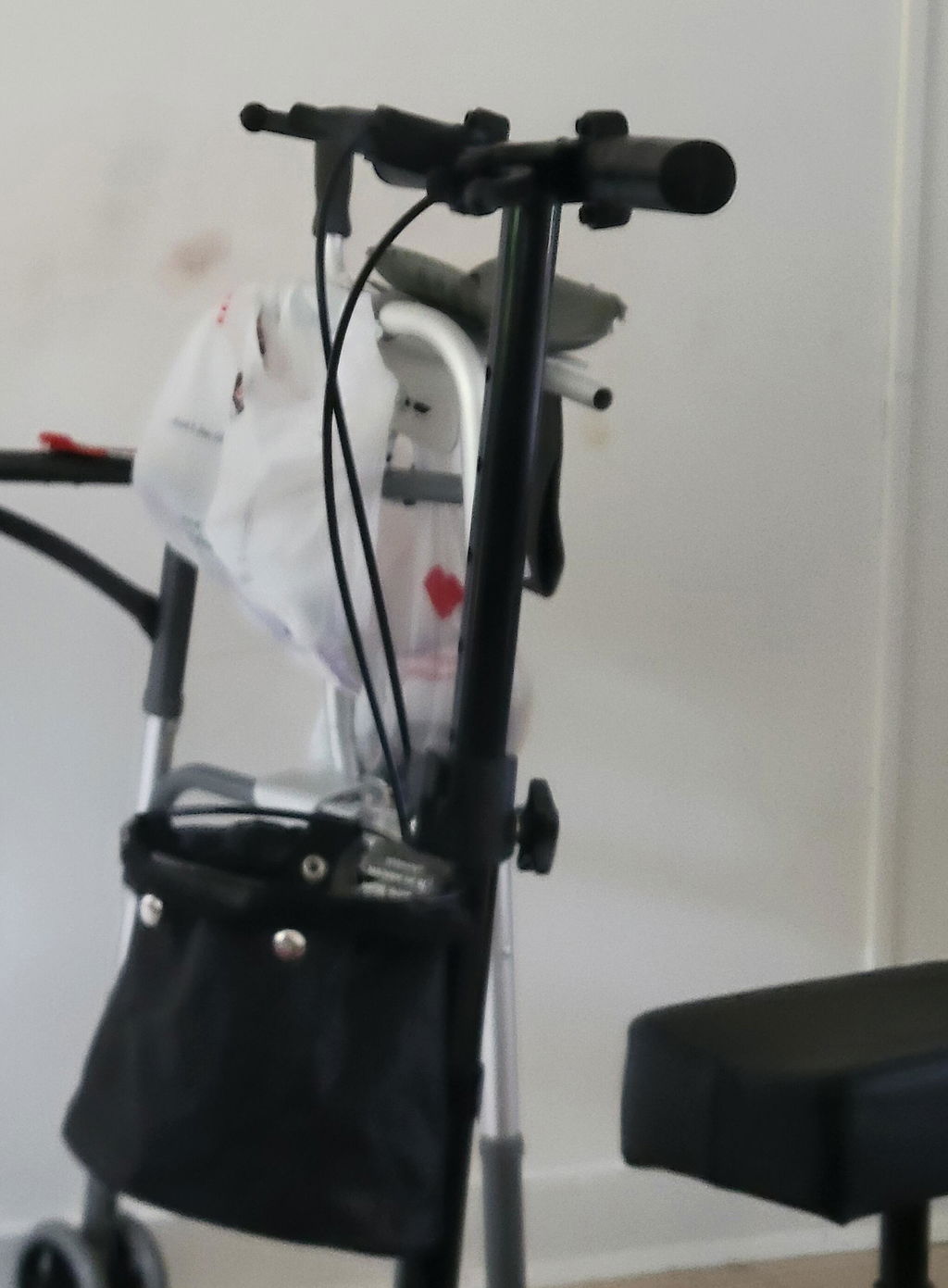
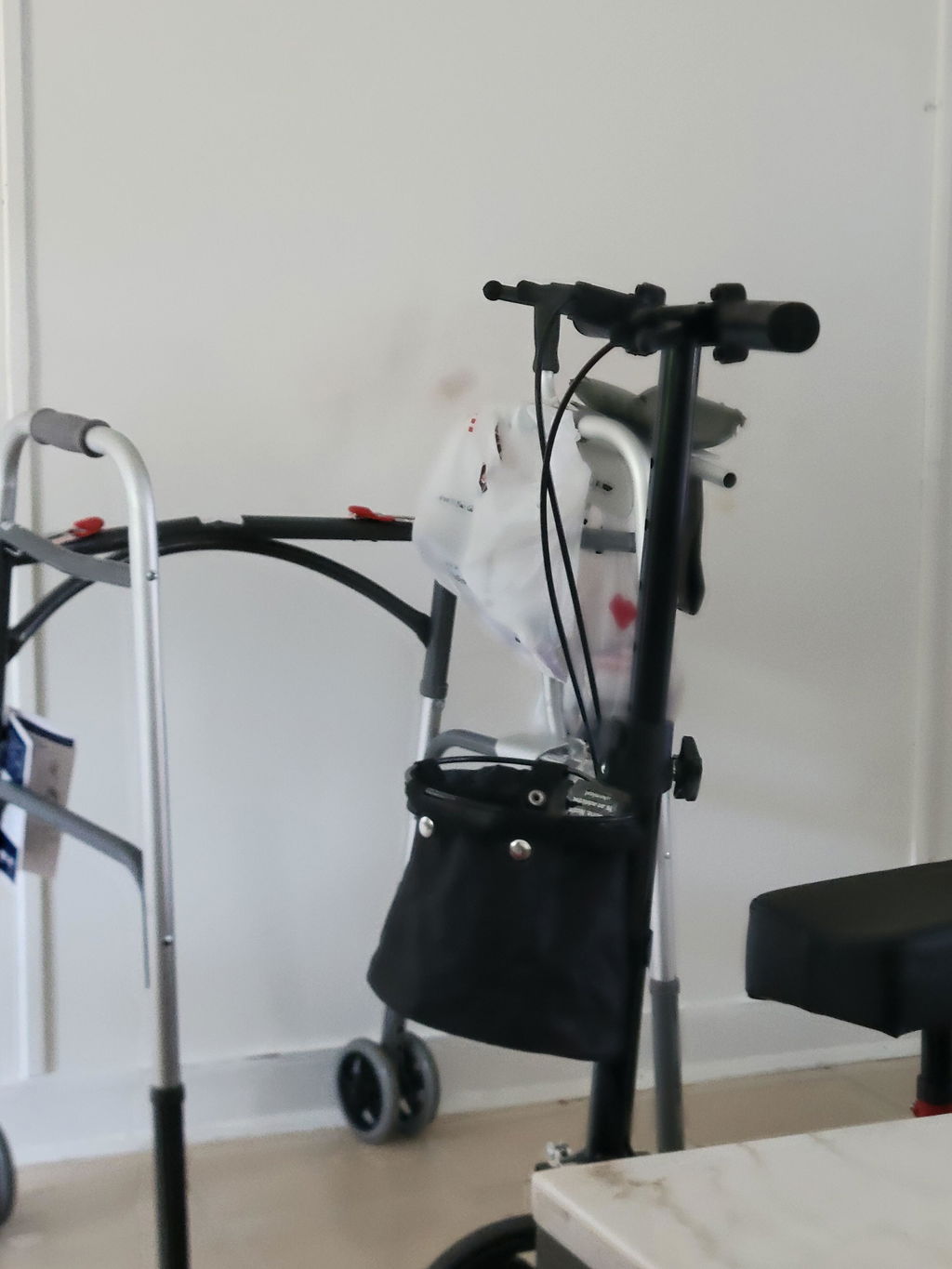
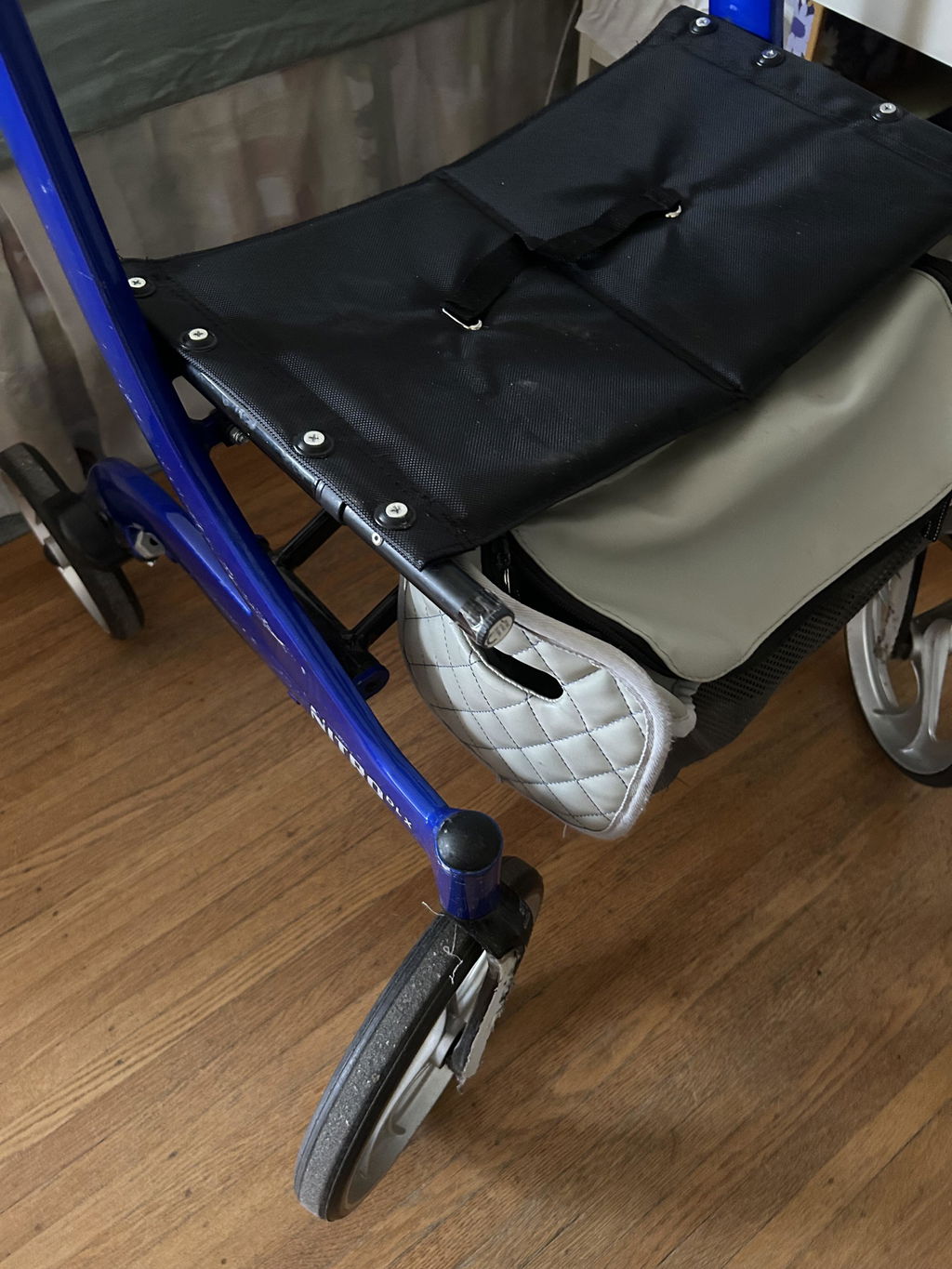
- Walker (often supplied by insurance) and a cane for later weeks
- Bedside commode optional but useful for the first few nights
- Non-slip bath mat and remove all small rugs from walkways
- Wedge pillow and knee pillow for elevation and side-sleeping comfort
- Ice packs or a cold therapy machine (you'll use ice 6-8 times a day)
- Reacher/grabber to pick things up without bending
- Sock aid and long-handled shoehorn
- Loose clothes, slip-on shoes, and non-skid socks
- Phone charger at chair level
- Ice water pitcher within reach of your recovery chair
AllCare Store stocks the full home-recovery kit. Start with the mobility aids collection for walkers and canes, bathing supplies for shower chairs and grab bars, and the braces and supports collection for knee braces and ice therapy.
Week-by-Week Recovery Timeline
Days 1-3 (Hospital or Same-Day Discharge)
Modern knee replacements often allow discharge within 24 hours. You'll be out of bed and walking a few steps with a walker within hours of surgery. Expect:
- Pain controlled with a combination of nerve block, acetaminophen, and short-term opioids
- Compression stockings or pneumatic compression sleeves to prevent blood clots
- First physical therapy session while still in the hospital
- Breathing exercises (incentive spirometer) to keep lungs clear
Week 1 at Home
Focus is on pain control, swelling management, and basic mobility. Use your walker for every step. Ice the knee for 20 minutes, 6-8 times per day. Elevate the leg above heart level whenever you're sitting. Do your home exercises — usually ankle pumps, quad sets, heel slides — every two hours. Take short walks around the house. Use the bathroom without help if you can; shower once stitches are dry per your surgeon's guidance.
Week 2
Outpatient physical therapy usually starts this week. Expect 2-3 visits per week for 6-8 weeks. Your therapist will progress your range of motion and strengthening. You may start transitioning from walker to cane. Sleep may still be difficult — position your leg on a wedge pillow with a small pillow under the heel (not under the knee) to encourage full extension.
Weeks 3-4
You should be walking more comfortably. Range of motion goal is roughly 90-105 degrees of bend by end of week 4. You may return to driving if your surgeon clears you (right knee usually 4-6 weeks, left knee sooner for automatic transmission). Most desk-work patients return part-time by week 4. Keep icing and elevating after activity.
Weeks 5-8
Walking distance increases. Most patients transition off the cane by 6-8 weeks. Range of motion typically reaches 115-125 degrees, which is enough for most stairs and normal walking. Physical therapy shifts toward balance, endurance, and return to activities you enjoy.
Weeks 9-12
Return to most daily activities. Low-impact exercise — stationary bike, swimming, walking — is usually fine. High-impact activities like running, basketball, and tennis are discouraged to protect the implant. Most people return to full-time work by 8-12 weeks.
Months 4-12
Continued improvement in strength, endurance, and swelling. Many patients report that final improvements come 9-12 months after surgery. Annual check-ins with your orthopedist ensure the implant is performing well.
Pain Management Strategy
Modern knee replacement protocols use multimodal pain control to minimize opioid use. Typical components:
- Nerve block placed before or during surgery, lasting 24-48 hours
- Scheduled acetaminophen (up to 3,000 mg/day)
- Scheduled NSAIDs like celecoxib or meloxicam if your surgeon approves
- Short-acting opioid only for breakthrough pain, typically for 5-10 days
- Ice, elevation, and compression — non-drug but hugely effective
- Gabapentin or pregabalin in some protocols for nerve-related pain
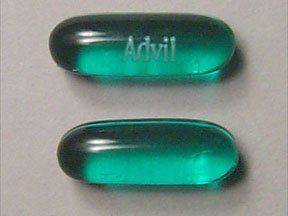
Our guide to Tylenol vs Advil vs Aleve can help you track safe daily doses. For arthritis in the other knee or hip, the arthritis pain relief guide covers topical options that won't interfere with surgical recovery.
Physical Therapy: The Work That Makes the Surgery Work
Skipping or skimping physical therapy is the single most common reason a knee replacement fails to feel "normal" a year later. The new joint only functions well if the muscles around it re-learn to use it. Do your home exercises on every day you don't see your therapist. Move slowly. Breathe through discomfort. Ice and elevate after. Use resistance bands for gentle hip and quad strengthening once your therapist approves.
Swelling and Ice
Post-knee-replacement swelling lasts longer than patients expect — often three to six months before the knee feels like its final shape. Aggressive icing and elevation during the first 8 weeks makes a meaningful difference. Cold therapy machines with circulating cold water are worth considering if a basic ice pack isn't enough.
Preventing Blood Clots
Deep vein thrombosis (DVT) is the most common serious complication after knee replacement. Your surgical team will prescribe a blood thinner for 2-6 weeks — often aspirin, rivaroxaban, or low molecular weight heparin. Wear compression stockings as directed, walk hourly during the day, do ankle pumps every hour when awake, and call your surgeon urgently for new calf pain, calf swelling, chest pain, or shortness of breath.
Signs of Trouble
Call your surgical team the same day for:
- Fever over 101 °F
- Spreading redness around the incision
- Drainage (especially pus or anything foul-smelling)
- New severe calf pain or swelling
- Chest pain or shortness of breath (call 911)
- Falls, especially with a twist or pop in the knee
- Sudden inability to bear weight
- Stiff knee that won't flex past 90 degrees by week 4
The Other Knee, The Other Joints
If your other knee is still painful, focus on managing it with topical NSAIDs, an unloader brace, and weight management until you're fully recovered from the first surgery. Most surgeons wait at least three to six months before considering replacement of the second knee. Our arthritis pain relief guide walks through strategies to keep you comfortable in the meantime.
Why Choose AllCare Store for Recovery Supplies
AllCare Store is a single source for every item on the home-recovery checklist — walkers, canes, raised toilet seats, shower chairs, grab bars, knee braces, compression stockings, wedge pillows, ice packs, and more. Every order ships with free shipping over $75, arrives in discreet packaging, and is covered by our 30-day return policy. Our team can help you match recovery products to your home and surgeon's instructions.
Visit the mobility aids collection, the bathing supplies collection, and the AllCare Store homepage. For phone help, call 1-888-889-6260.
Frequently Asked Questions
How long is recovery after a knee replacement?
Most people transition from walker to cane by 2-3 weeks, walk without a cane by 6-8 weeks, and return to full daily activities by 3 months. Final improvements in strength, swelling, and how "normal" the knee feels can continue for 9-12 months. High-impact activities like running or tennis are usually discouraged permanently to protect the implant.
How much pain should I expect after knee replacement?
Pain is most intense in the first 5-10 days and is typically well controlled with modern multimodal pain management — a nerve block plus scheduled acetaminophen and NSAIDs, with short-term opioids only for breakthrough pain. Most patients report pain levels dropping from 6-7 out of 10 in the first week to 2-3 out of 10 by week 4. Swelling and stiffness tend to bother patients more than sharp pain after the first few weeks. Aggressive icing and elevation make a real difference.
When can I drive after knee replacement?
For a right-knee replacement (the driving leg in most cars), 4-6 weeks is typical, once you can bend, push the brake with authority, and are off narcotic pain medications. For left-knee replacement with an automatic transmission, many patients return to driving at 2-3 weeks. Your surgeon will give specific guidance based on your recovery. Always start with short, low-traffic trips before resuming highway driving.
Do I really need physical therapy?
Yes. Physical therapy is the single most important factor in a good long-term outcome. The surgery replaces hardware; therapy re-trains the muscles, tendons, and nervous system to use it. Skipping PT often leads to stiffness, poor range of motion, and persistent weakness that limit you years later. Most insurance plans cover 2-3 visits a week for 6-8 weeks. Do your home exercises on every off-day.
How long will swelling last?
Some degree of knee swelling is normal for 3-6 months, with steady improvement over that time. Aggressive ice, elevation above heart level several times a day, compression (a sleeve or TED hose if your surgeon recommends), and gentle movement all help. If swelling suddenly increases, becomes red or hot, or is accompanied by calf pain, call your surgeon same day to rule out a blood clot or infection.
How soon can I climb stairs normally?
The first 2-4 weeks you'll climb one step at a time, leading with the non-surgical leg going up ("good leg goes up to heaven") and the surgical leg going down ("bad leg goes down to hell"). By 8-10 weeks, most patients regain alternating-foot stair climbing. A handrail makes a big difference in both safety and confidence during the transition.
What activities should I avoid long-term?
Most surgeons discourage high-impact activities that shorten implant life — running, basketball, singles tennis, jumping sports, and heavy contact sports. Low-impact activities that are usually encouraged include walking, hiking on graded trails, swimming, elliptical, stationary cycling, and doubles pickleball. Kneeling can be uncomfortable for many patients even long-term; a cushioned kneeling pad is worth picking up.
Your Next Step
Knee replacement outcomes are excellent when you prepare, follow your plan, and lean into the daily work of recovery. Set up your home before surgery, show up to every therapy session, ice aggressively, and celebrate the small weekly wins. Browse the AllCare Store recovery essentials or call 1-888-889-6260 and we'll help you build the home kit that makes your comeback easier.