Medical Note: Dietary sodium recommendations vary depending on your specific health conditions. The general limit of 2,300mg/day applies to most adults, but your doctor may recommend 1,500mg/day or less if you have hypertension, heart failure, kidney disease, or other conditions. Always follow your physician's individualized guidance.
Low Sodium Foods for Heart Health: A Complete Guide to the Low Salt Diet
James's Wake-Up Call
James was 64 when his doctor delivered the numbers he'd been half-expecting for years: blood pressure of 158/96, consistently elevated over three visits. His doctor recommended medication, but also asked a pointed question: "How much processed food do you eat?"
James hadn't thought about it carefully before. He ate what seemed like reasonable food — deli sandwiches, canned soup for lunch, a frozen dinner a couple nights a week, the occasional fast-food breakfast. Normal American food. But when he actually tracked his sodium intake for a week, the total stunned him: he was averaging over 4,500 milligrams a day — nearly double the recommended limit for someone his age.
His doctor outlined a simple challenge: get under 2,000mg of sodium daily for 90 days and recheck his blood pressure. James did. His blood pressure dropped to 138/84 — still not perfect, but dramatically improved, and his doctor was able to reduce his medication dose.
James's experience isn't unusual. For many adults, particularly those over 50, sodium reduction is one of the single most impactful dietary changes possible for cardiovascular health. Here's how to do it without making meals miserable.
Why Sodium Matters So Much for Heart Health
Sodium's relationship with blood pressure is well established and direct. When you consume sodium, your body retains water to maintain proper salt concentration in the bloodstream. That extra fluid volume increases the pressure your heart must exert to pump blood — raising blood pressure.
Over time, persistently elevated blood pressure (hypertension) damages the walls of blood vessels, the heart muscle itself, the kidneys, and the brain. It's the leading risk factor for stroke, the second-leading risk factor for heart attack, and a major contributor to kidney failure and cognitive decline.
The good news: blood pressure is one of the most diet-responsive health measures there is. Multiple large studies — including the landmark DASH (Dietary Approaches to Stop Hypertension) trial — have shown that sodium reduction of even 1,000mg per day produces meaningful, clinically significant drops in blood pressure within weeks.
Beyond blood pressure, high sodium intake is directly linked to increased risk of heart failure, osteoporosis (sodium increases calcium excretion), stomach cancer, and kidney stones. For older adults managing any of these conditions, sodium control matters on multiple fronts simultaneously.
How Much Sodium Do You Actually Need?
The human body requires approximately 500mg of sodium per day to function — a tiny amount that's easily met by nearly any diet. The 2020–2025 Dietary Guidelines for Americans recommend a maximum of 2,300mg per day for the general adult population. Most cardiologists recommend 1,500mg per day for people with hypertension, heart failure, or kidney disease.
The average American consumes approximately 3,400mg per day — more than double the ideal amount. And contrary to popular belief, the salt shaker at the table accounts for only about 11% of that total. The vast majority of dietary sodium — roughly 70–75% — comes from processed, packaged, and restaurant foods before they even reach your plate.
This means that the most effective sodium reduction strategy isn't putting away the salt shaker — it's changing what foods you buy and eat.
The Hidden Sodium Offenders: Foods to Watch
Many high-sodium foods don't taste especially salty, which makes them easy to overlook. These are the categories that most commonly derail sodium reduction efforts:
Bread and rolls. A single slice of white sandwich bread can contain 130–230mg of sodium. Given that Americans eat multiple slices per day, bread is consistently one of the top sources of sodium in the American diet — despite not tasting salty at all. Look for reduced-sodium bread options (many contain under 100mg per slice).
Deli meats and cured meats. Turkey breast, ham, salami, bologna — even "lean" deli meats typically contain 400–600mg of sodium per 2-ounce serving. A deli sandwich can easily deliver 1,500mg of sodium before you add condiments. Look for low-sodium deli options or use freshly cooked chicken or turkey breast instead.
Canned soups and broths. A single can of regular chicken noodle soup often contains 800–1,100mg of sodium — half or more of the daily limit in one serving. Even "healthy" sounding soups can be sodium landmines. Choose reduced-sodium or no-salt-added versions, or make your own broth from scratch.
Sauces and condiments. Soy sauce (one tablespoon = ~900mg sodium), ketchup, mustard, salad dressings, barbecue sauce, teriyaki sauce, and Worcestershire sauce are all significant sodium contributors. Measure carefully and choose reduced-sodium versions.
Cheese. Cheese is naturally high in sodium as a result of the salt used in cheesemaking. A single ounce of American cheese delivers about 450mg; cheddar about 180mg; cottage cheese about 400mg per half cup. Limit portions and choose lower-sodium varieties where possible (Swiss cheese is naturally lower in sodium than most).
Frozen meals and entrees. Even "light" or "healthy" frozen meals typically contain 600–1,200mg of sodium per serving. Check the Nutrition Facts label carefully — ideally choose options under 600mg per serving.
Pizza. A single slice of restaurant or frozen pizza can deliver 600–1,000mg of sodium, from the crust, sauce, cheese, and toppings combined. This is one of the most significant sodium sources in the American diet.
Breakfast cereals. Many common breakfast cereals contain 150–300mg per serving — and most people eat more than a single serving. Choose low-sodium options like shredded wheat, puffed rice, or oatmeal (made without added salt).
Pickles and pickled foods. A single large dill pickle can contain 700–900mg of sodium. Olives, pickled vegetables, and kimchi are similarly high. Enjoy these in moderation if at all on a sodium-restricted diet.
The Best Low-Sodium Foods to Build Your Diet Around
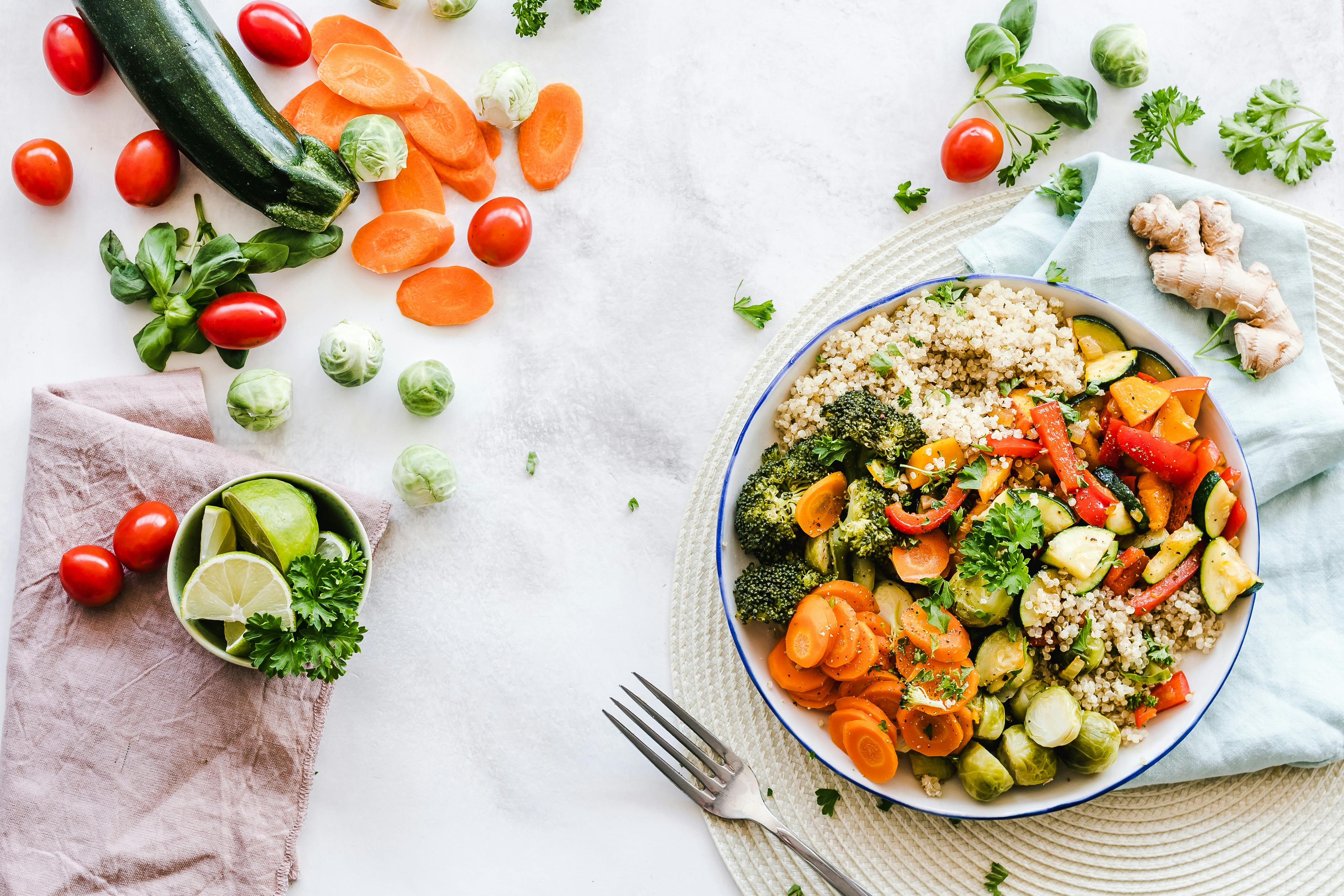
The foundation of a heart-healthy, low-sodium diet is fresh, minimally processed food. These foods are naturally low in sodium and should form the majority of what you eat:
Fresh fruits and vegetables. All fresh fruits and vegetables are naturally very low in sodium — typically 1–35mg per serving. They're also rich in potassium, which directly counteracts sodium's blood pressure-raising effect. Aim for at least 5 servings daily. View our potassium and heart health supplements at AllCare Store.
Fresh meat, poultry, and fish. Unprocessed fresh chicken, turkey, beef, pork, and fish contain minimal sodium — typically 50–80mg per 3-ounce serving. The key is buying fresh (not pre-marinated, not enhanced with salt solution, not in flavored packages) and cooking without added salt.
Eggs. A large egg contains only about 70mg of sodium. Eggs are an excellent, versatile low-sodium protein source. Use herbs and spices rather than salt when scrambling or making omelets.
Dry or dried legumes. Dry lentils, beans, and peas are naturally very low in sodium (under 5mg per serving). They're also rich in fiber, potassium, and magnesium — all beneficial for blood pressure. If using canned beans, drain and rinse them to reduce sodium by 40%.
Unsalted nuts and seeds. Almonds, walnuts, cashews, sunflower seeds, and pumpkin seeds are all low in sodium when purchased unsalted or raw. They're also excellent sources of heart-healthy fats, magnesium, and potassium.
Whole grains (unsalted). Brown rice, oats, quinoa, barley, and farro are all very low in sodium when cooked in water without added salt. These should replace refined grains and salted crackers as your carbohydrate base.
Dairy (in moderation). Plain milk, plain yogurt, and naturally lower-sodium cheeses (Swiss, ricotta, fresh mozzarella) provide calcium and protein with manageable sodium levels.
Smart Shopping: How to Read Labels for Sodium
Understanding the Nutrition Facts label is essential for sodium management:
Serving size first. All the sodium numbers are per serving. If you eat two servings, double the sodium. Many packages contain more than one serving — check before assuming.
Daily Value percentages. The %DV for sodium is based on 2,300mg/day. A food with 20% DV or more per serving is high in sodium; 5% DV or less is low.
Label claims to know:
- "Sodium-free" — less than 5mg per serving
- "Very low sodium" — 35mg or less per serving
- "Low sodium" — 140mg or less per serving
- "Reduced sodium" — at least 25% less sodium than the original product (but not necessarily low)
- "No salt added" — no salt was added during processing (but the food may still contain natural sodium)
- "Lightly salted" — at least 50% less sodium than the regular version
"Reduced sodium" and "lightly salted" can still be quite high in sodium — always check the actual milligram amount, not just the label claims.
Cooking Without Salt: Flavor Strategies That Work
Many people fear that low-sodium eating means bland, unsatisfying food. With the right techniques and ingredients, this doesn't have to be true:
Herbs and spices. Fresh and dried herbs — basil, thyme, rosemary, oregano, cilantro, dill, parsley — add enormous flavor without any sodium. Spices like cumin, paprika, turmeric, garlic powder (not garlic salt), onion powder (not onion salt), and chili powder are powerful flavor tools. Experiment generously.
Acid. Lemon juice, lime juice, and vinegars (balsamic, red wine, apple cider) brighten food and stimulate the same taste receptors that salt does. A squeeze of lemon on fish or vegetables can make them taste remarkably more alive without any sodium.
Aromatics. Garlic, shallots, onions, ginger, and celery build flavor depth in cooking. Sauté these in olive oil before adding other ingredients to build a flavor base.
Salt-free seasoning blends. Products like Mrs. Dash, Spike, and other salt-free seasoning blends are excellent pantry staples for low-sodium cooking. Many varieties exist — Italian, garlic herb, lemon pepper — giving you variety without reaching for the salt shaker.
Umami without sodium. Nutritional yeast, mushrooms (especially dried shiitake), and tomato paste all provide deep savory flavor without significant sodium. Add them to soups, sauces, and grain dishes.
Gradual reduction. Taste adapts. Studies show that people who gradually reduce sodium over 8–12 weeks begin to find highly salted foods unpleasant. Give your palate time to reset.
The DASH Diet: The Gold Standard for Heart Health
The Dietary Approaches to Stop Hypertension (DASH) diet is the most rigorously studied dietary pattern for blood pressure management. It emphasizes:
- Fruits and vegetables (8–10 servings daily)
- Low-fat dairy (2–3 servings daily)
- Whole grains (6–8 servings daily)
- Lean poultry, fish, and legumes (6 or fewer servings daily)
- Nuts and seeds (4–5 servings per week)
- Sodium under 2,300mg daily (1,500mg for the enhanced version)
- Limited sweets, red meat, and saturated fats
In studies, the DASH diet produced blood pressure reductions equivalent to a single blood pressure medication in some patients — typically dropping systolic pressure by 8–14 points when combined with sodium restriction. It's not just heart-healthy; it's also associated with lower risk of stroke, kidney disease, and type 2 diabetes.
Supplements That Support Heart Health
While diet is primary, certain supplements support cardiovascular health alongside a low-sodium eating plan:
Potassium. Potassium directly counteracts sodium's effect on blood pressure — it relaxes blood vessel walls and promotes sodium excretion through the kidneys. If you're not getting enough from fruits and vegetables, a potassium supplement (under a doctor's supervision, especially if you take blood pressure medications) may help.
Magnesium. Magnesium is involved in blood vessel relaxation and blood pressure regulation. Many older adults are magnesium-deficient. Magnesium glycinate or citrate is well-tolerated and widely used. Shop magnesium supplements at AllCare Store.
Omega-3 fatty acids. Fish oil omega-3s (EPA and DHA) reduce triglycerides, lower inflammation, and modestly reduce blood pressure at higher doses. They're among the most evidence-supported supplements for cardiovascular health.
CoQ10. Coenzyme Q10 has been studied for its role in heart health, particularly for people taking statin medications (which can deplete CoQ10 levels). Discuss with your doctor whether it's appropriate for you.
Always discuss supplements with your physician before starting them, especially if you take blood pressure or heart medications.
AllCare Store: Your Partner in Heart Health
At AllCare Store, we carry a comprehensive range of products to support your cardiovascular health journey — from heart health supplements to blood pressure monitors that help you track the results of your dietary efforts.
Our blood pressure monitors let you keep tabs on your numbers from home — an essential tool for anyone managing hypertension through diet. Monitoring at home gives you real-time feedback on how dietary changes are affecting your blood pressure, keeping you motivated and informed.
Frequently Asked Questions: Low Sodium Diet for Heart Health
How quickly will my blood pressure drop on a low-sodium diet?
Most people see measurable improvement within 2–4 weeks of consistently keeping sodium under 2,000mg/day. Full effect typically appears over 8–12 weeks. Results are more pronounced in people who are "salt-sensitive" — a trait more common in African Americans and older adults.
Is sea salt or Himalayan salt healthier than table salt?
No. Sea salt, Himalayan pink salt, and table salt all contain approximately the same amount of sodium by weight (~2,300mg per teaspoon). Specialty salts have trace minerals, but in quantities too small to be nutritionally meaningful. For sodium restriction, all forms of salt count equally.
Can I use salt substitutes?
Many salt substitutes replace sodium with potassium chloride, which reduces the sodium impact and can provide beneficial potassium. However, potassium salt substitutes are potentially dangerous for people with kidney disease or those taking ACE inhibitors, potassium-sparing diuretics, or certain other medications. Check with your doctor before using them.
Does drinking more water help flush out sodium?
Adequate hydration supports kidney function and helps the body regulate sodium balance, but drinking large amounts of extra water beyond normal needs doesn't significantly accelerate sodium excretion. The most effective way to lower body sodium is to consume less of it.
Are restaurant meals compatible with a low-sodium diet?
Rarely without modification. Restaurant meals — even seemingly healthy ones — typically contain 1,000–2,500mg of sodium per entrée. If eating out, ask for sauces on the side, choose grilled rather than sauced preparations, request no added salt, and be aware that a single restaurant meal may account for most of your daily sodium allowance.
What's the difference between sodium and salt?
Salt (sodium chloride) is composed of about 40% sodium by weight. So one teaspoon of salt (about 6,000mg of salt) contains approximately 2,400mg of sodium. When food labels list sodium, they're referring to the sodium content specifically, not the total salt weight.
Should I monitor my blood pressure at home?
Yes, if you're managing hypertension through diet. Home blood pressure monitoring provides immediate feedback on how dietary changes are affecting your cardiovascular health. Measure at the same time each day (morning before medications, or as your doctor advises), in a seated position after 5 minutes of rest. Shop home blood pressure monitors at AllCare Store.