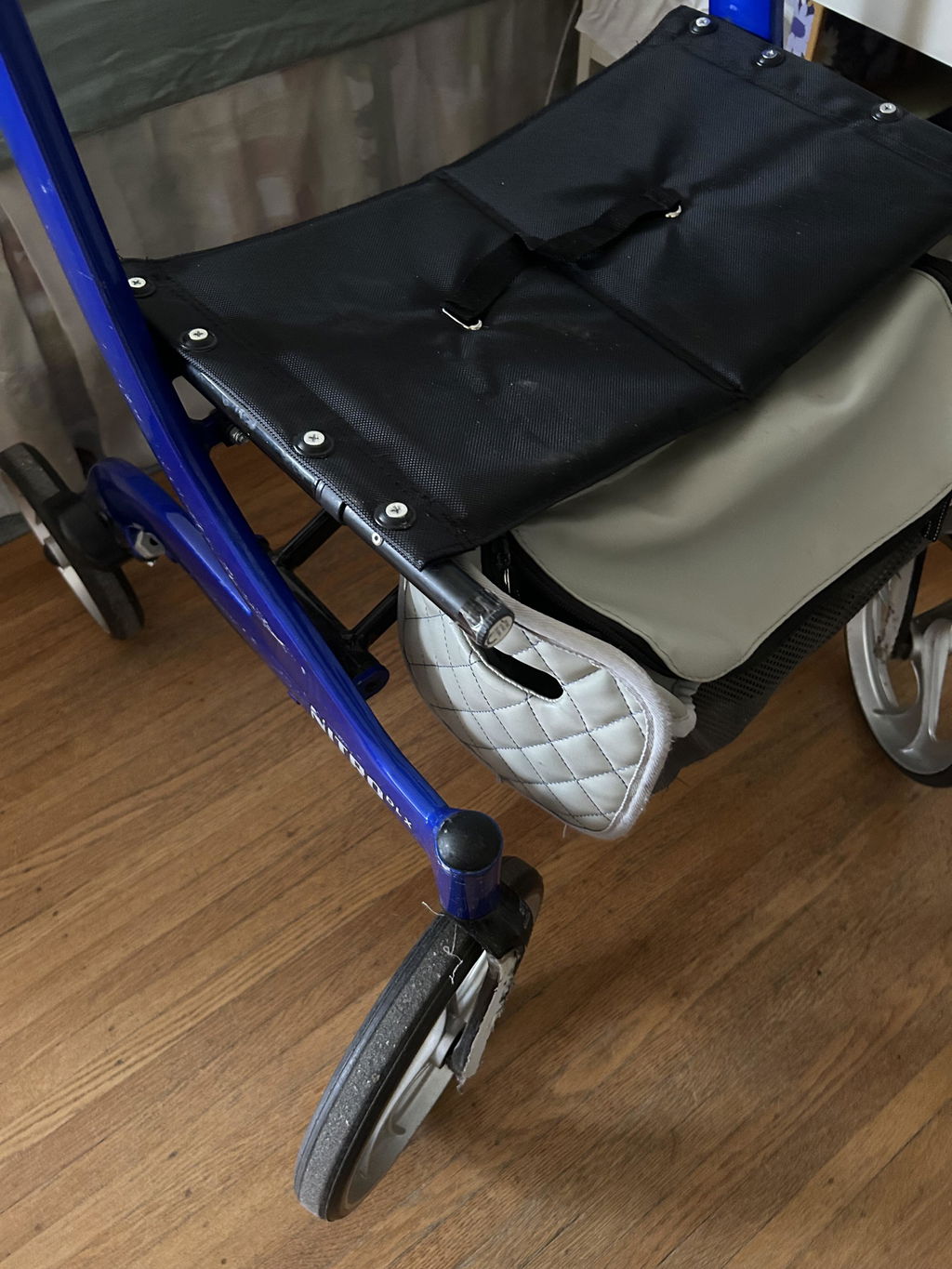
Robert, 62, had lived with stiff, aching knees for five years. His rheumatologist prescribed anti-inflammatories that upset his stomach, so he stopped taking them. A friend mentioned turmeric, and Robert was skeptical—"a spice from the kitchen?"—but he tried a quality curcumin supplement with piperine for absorption. Six weeks later, he walked into his follow-up appointment without a limp for the first time in years. "It's not a miracle," he told his doctor, "but it's the closest thing I've found." His story mirrors thousands of research findings showing curcumin's remarkable anti-inflammatory effects.
Turmeric has been used in Ayurvedic medicine for over 4,000 years, and modern science is finally catching up to what traditional healers long knew: curcumin, the active compound in turmeric, is one of the most effective natural anti-inflammatories available. This 2026 guide covers everything you need to know to use turmeric safely and effectively.
Understanding Turmeric vs. Curcumin
Turmeric is the whole spice—the yellow-orange root in the ginger family. Curcumin is the specific active compound responsible for most of turmeric's health benefits. Raw turmeric is only 2-5% curcumin, which is why concentrated extracts are typically used in research and supplements.
When you sprinkle turmeric on rice, you're getting small amounts of curcumin mixed with other beneficial compounds. When you take a standardized curcumin supplement, you're getting a measured, concentrated dose designed for therapeutic effects.
The Problem: Why Chronic Inflammation Matters
Chronic inflammation is linked to virtually every major modern disease: heart disease, diabetes, cancer, Alzheimer's, arthritis, depression, and autoimmune conditions. Unlike acute inflammation (which helps you heal from injury), chronic inflammation slowly damages tissues over years and decades. Controlling it is one of the most powerful things you can do for long-term health.
Science-Backed Benefits of Curcumin
1. Joint Pain and Arthritis
Multiple randomized controlled trials show curcumin reduces osteoarthritis pain comparably to ibuprofen—without the gastrointestinal side effects. A 2019 meta-analysis in the Journal of Medicinal Food found curcumin significantly improved knee osteoarthritis symptoms. Pair with joint pain relief supplies for comprehensive care.
2. Reduced Inflammation Markers
Curcumin suppresses inflammatory molecules including NF-kB, COX-2, and various cytokines. Studies show measurable reductions in CRP (C-reactive protein) and other inflammation markers.
3. Heart Health
Curcumin improves endothelial function (the lining of blood vessels), reduces oxidative stress, and may lower LDL cholesterol and triglycerides. Some research suggests it's as effective as exercise for improving endothelial function in post-menopausal women.
4. Brain Health
Curcumin crosses the blood-brain barrier and may help prevent cognitive decline. A 2018 UCLA study found older adults taking curcumin improved memory and mood compared to placebo. It's being studied for Alzheimer's prevention.
5. Depression and Mood
Clinical trials show curcumin can work alongside antidepressants to improve symptoms of major depression, possibly by reducing brain inflammation and supporting neurotransmitter function.
6. Antioxidant Effects
Curcumin is a potent antioxidant, neutralizing free radicals and boosting the body's own antioxidant enzymes.
7. Digestive Health
Traditional use for digestion is now supported by research showing curcumin supports gut lining integrity and may help inflammatory bowel conditions.
The Absorption Problem (And How to Solve It)
Curcumin alone has terrible bioavailability—most passes through without being absorbed. This is why traditional Indian cooking combines turmeric with black pepper (piperine), which boosts absorption by 2,000%. Modern supplements use several strategies:
- Piperine (BioPerine): Traditional approach, boosts absorption dramatically
- Liposomal curcumin: Encapsulated for better absorption
- Phytosomes (Meriva): Curcumin bound to phospholipids, 29x better absorbed
- Nano-particle curcumin: Microscopic particles that dissolve easily
- Fat-soluble: Take curcumin with a meal containing healthy fats
Always choose a supplement with enhanced absorption—plain turmeric extract is largely wasted money.
Recommended Dosage
For General Health
500mg curcumin daily (with absorption enhancer)
For Joint Pain/Arthritis
1,000-1,500mg curcumin daily, divided into two doses
For Heart Health
500-1,000mg curcumin daily
For Inflammation Markers
1,000mg curcumin daily for at least 8-12 weeks
Cooking With Turmeric
1/2 to 1 teaspoon turmeric daily in food, with black pepper and fat (olive oil, coconut milk, etc.) for best absorption
Comparison of Turmeric/Curcumin Forms
| Form | Curcumin Content | Absorption | Best For |
|---|---|---|---|
| Culinary turmeric | 2-5% | Poor (needs piperine + fat) | Cooking, general wellness |
| Turmeric extract | ~95% | Low without enhancer | Budget option with piperine |
| Curcumin + BioPerine | ~95% + piperine | Good (+2,000%) | Most users |
| Meriva (phytosome) | 20% (but 29x absorbed) | Excellent | Joint pain, inflammation |
| Liposomal | Varies | Very good | Those with digestive issues |
Who Should Consider Turmeric/Curcumin
- People with osteoarthritis or rheumatoid arthritis
- Those with chronic muscle or joint pain
- Anyone with elevated inflammation markers
- People seeking heart disease prevention
- Those with mild-to-moderate depression (alongside proper treatment)
- Older adults concerned about cognitive decline
- People with inflammatory skin conditions
- Those who can't tolerate NSAIDs
Who Should Avoid or Use Caution
- Blood thinner users: Curcumin has mild blood-thinning effects; check with doctor
- Gallstone patients: Can stimulate bile production
- Pregnant women: Safe in food amounts but avoid supplements without doctor approval
- Those scheduled for surgery: Stop 2 weeks before any procedure
- Iron deficiency: May interfere with iron absorption
- Low blood pressure: Can further lower pressure
- Diabetes medications: May enhance effects; monitor blood sugar closely
How to Take Turmeric/Curcumin
Timing
Take with meals containing healthy fats for best absorption. Morning or evening doesn't matter much, but consistency does.
Duration
Benefits for chronic conditions typically appear after 4-8 weeks of daily use. Give it at least 2 months before judging effectiveness.
Quality Matters
Choose supplements with third-party testing (USP, NSF, ConsumerLab). Look for "standardized to 95% curcuminoids" on the label. Avoid supplements with artificial colors or fillers. Our supplement collection includes trusted brands.
Combining Turmeric With Other Anti-Inflammatories
Omega-3 Fish Oil
Works synergistically with curcumin for joint and heart health
Vitamin D
Anti-inflammatory properties complement curcumin
Ginger
Similar anti-inflammatory pathways; pair well in food or supplements
Boswellia
Often combined with curcumin in joint formulas
Probiotics
Gut health affects inflammation; combine for broader benefits
Common Mistakes With Turmeric Supplements
- Buying plain turmeric powder supplements—poor absorption, minimal benefit
- Taking on an empty stomach—reduces absorption significantly
- Expecting immediate results—allow 4-8 weeks
- Taking mega-doses—more isn't better; can cause GI upset
- Skipping the absorption enhancer—wastes most of the dose
- Stopping too early—benefits compound with consistent use
Possible Side Effects
Curcumin is remarkably safe, but some users experience:
- Mild digestive upset (nausea, diarrhea) at higher doses
- Headache (rare)
- Skin rash (allergic reaction—discontinue)
- Yellow staining of stool (harmless)
- Increased bleeding if combined with blood thinners
Real-World Results: Hope for Chronic Inflammation
Robert from our opening story continued taking his curcumin supplement daily. At his one-year follow-up, his CRP inflammation marker had dropped by 40%. He'd lost 12 pounds thanks to being able to walk again, reduced his blood pressure medication, and felt "ten years younger." His experience isn't unique—thousands of people find that this ancient spice, taken in modern, absorbable forms, meaningfully improves their quality of life.
Curcumin isn't a magic cure. It's a scientifically-validated, naturally-occurring compound that can meaningfully reduce inflammation and its many downstream effects. Combined with a healthy diet, regular movement, and good sleep, it's one of the smartest additions to an anti-inflammatory lifestyle.
Frequently Asked Questions
How long does it take for turmeric to work for inflammation?
Most people notice improvements in joint pain and overall inflammation within 4-8 weeks of daily use. Some see faster results (2-3 weeks), while others need 8-12 weeks for significant changes. Consistency is crucial—curcumin builds up therapeutic effects over time.
Can I take turmeric with blood thinners?
Use caution. Curcumin has mild blood-thinning properties that can enhance the effects of warfarin, aspirin, or other anticoagulants. Always consult your doctor before combining them. In food amounts (1/2 teaspoon of turmeric), it's generally safe, but supplemental doses require medical supervision.
What's the best turmeric supplement to buy?
Look for products standardized to 95% curcuminoids with an absorption enhancer like BioPerine (piperine) or a phytosome formulation (Meriva). Third-party testing (USP, NSF, ConsumerLab) ensures quality. Avoid products with artificial colors, unnecessary fillers, or proprietary blends that hide actual dosages.
Can I just cook with turmeric instead of taking supplements?
Cooking with turmeric provides benefits, especially when combined with black pepper and healthy fats. However, culinary amounts only deliver 50-100mg of curcumin, far below the therapeutic 500-1,500mg daily dose used in research. For specific health conditions, supplements provide more reliable effects.
Can turmeric replace my anti-inflammatory medication?
Research shows curcumin can work comparably to NSAIDs for osteoarthritis pain, but don't stop prescription medications without consulting your doctor. Some conditions require specific pharmaceutical management. Curcumin is often used as a complement to, not replacement for, conventional treatment.
Are there any people who shouldn't take turmeric?
People with gallbladder disease, kidney stones, active bleeding disorders, those scheduled for surgery within 2 weeks, pregnant women (supplemental doses), and those on blood thinners or certain diabetes medications should avoid turmeric supplements or use only under medical supervision.
Medical Disclaimer
This article is for informational purposes only and is not intended as medical advice. Turmeric and curcumin supplements can interact with medications and may not be appropriate for everyone. Always consult your healthcare provider before starting any supplement, especially if you have medical conditions, take medications, are pregnant, or are scheduled for surgery.
Shop Turmeric and Anti-Inflammatory Supplements at AllCare Store
Ready to try curcumin? Browse our supplement collection for quality turmeric and curcumin options. We also carry joint pain relief products, vitamins, and natural health essentials.
AllCare Store: Quality Supplements for Better Health
✓ Free shipping on orders $50+
✓ Discreet packaging on all orders
✓ 30-day hassle-free returns
✓ HSA/FSA eligible products
✓ US-based customer service
Questions? Call us at 1-888-889-6260
Monday-Friday, 9 AM - 6 PM EST
Your body deserves the best defense against chronic inflammation. Turmeric has served humanity for millennia—give it a chance to work for you.