Creating an accessible living environment is no longer just a necessity—it’s a commitment to independence, dignity, and inclusivity. One of the most important additions for accessibility is a wheelchair ramp. Whether you’re planning a permanent modification or need a flexible solution, understanding your options—like a portable wheelchair ramp or wheelchair ramps for homes—can make a significant difference in daily life.
Why Wheelchair Ramps Matter
For individuals who use wheelchairs, walkers, or other mobility aids, even a single step can become a major obstacle. Wheelchair ramps eliminate these barriers, making it easier to enter and exit homes safely. Beyond convenience, they reduce the risk of falls and injuries, both for users and caregivers.
Accessibility isn’t just about compliance or necessity—it’s about freedom. With the right ramp, users can move independently, without relying on assistance for basic movements like entering their own home.
Types of Wheelchair Ramps
When considering a wheelchair ramp, it’s important to understand that not all ramps are the same. The right choice depends on your needs, space, and budget.
1. Permanent Wheelchair Ramps
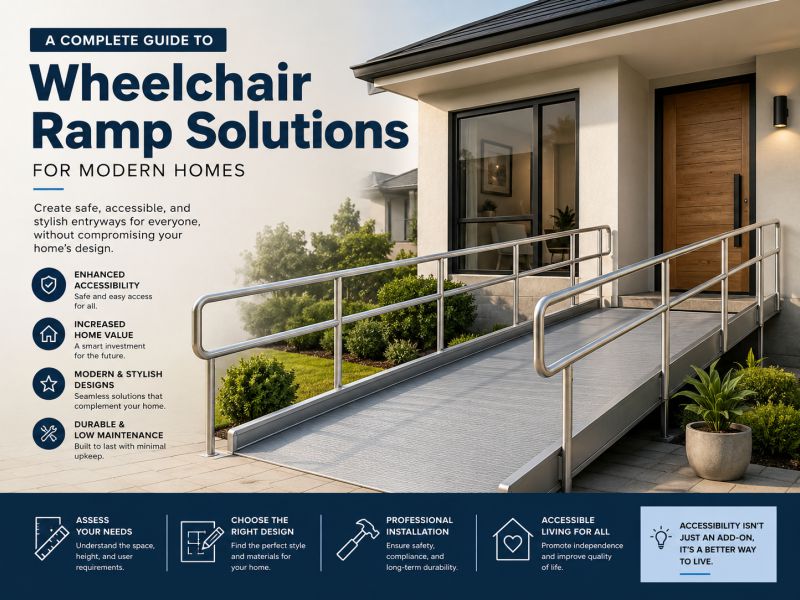
These are fixed structures typically made from concrete, wood, or metal. Permanent wheelchair ramps are ideal for long-term use and are commonly installed at the main entrance of a house.
They offer durability and stability, making them a reliable solution for daily use. However, installation can be costly and may require professional construction and permits.
2. Portable Wheelchair Ramp
A portable wheelchair ramp is a flexible and convenient alternative. These ramps are lightweight, easy to carry, and can be set up or removed as needed.
Portable wheelchair ramps are especially useful for:
-
Temporary accessibility needs
-
Travel or outings
-
Visiting homes that aren’t accessible
-
Rental properties where permanent modifications aren’t allowed
They often fold for easy storage and transport, making them a practical choice for people on the go.
3. Threshold Ramps
These small ramps are designed to bridge minor height differences, such as door thresholds or small steps. They are compact and can be used both indoors and outdoors.
4. Modular Ramps
Modular ramps are semi-permanent solutions made from pre-fabricated sections. They can be customized to fit different spaces and are easier to install compared to permanent ramps.
Choosing the Right Wheelchair Ramp
Selecting the right wheelchair ramp requires careful consideration of several factors:
1. Slope and Length
The slope of a ramp is crucial for safety. A ramp that is too steep can be difficult and dangerous to use. A gentle incline ensures easier navigation and reduces strain.
2. Material
Common materials include aluminum, steel, wood, and concrete. Aluminum is popular for portable wheelchair ramps because it is lightweight and resistant to rust. Concrete and wood are more common for permanent installations.
3. Weight Capacity
Ensure the ramp can support the combined weight of the wheelchair and the user. Some ramps are designed for heavier-duty use and offer higher weight limits.
4. Surface Grip
A non-slip surface is essential, especially in wet or outdoor conditions. Look for ramps with textured surfaces or anti-slip coatings.
5. Space Availability
The available space around your home will influence the type and size of ramp you can install. For smaller areas, compact or modular options may work best.
Benefits of Wheelchair Ramps for Homes
Installing wheelchair ramps for homes offers numerous advantages beyond accessibility.
Improved Independence
One of the biggest benefits is the ability for individuals to move freely without assistance. This fosters confidence and improves quality of life.
Enhanced Safety
Ramps reduce the risk of falls that can occur when navigating stairs or uneven surfaces. This is especially important for elderly individuals or those recovering from injuries.
Increased Property Value
Accessible homes are becoming increasingly desirable. Adding a wheelchair ramp can make your property more attractive to a wider range of buyers.
Convenience for Everyone
Wheelchair ramps aren’t just for wheelchair users. They also make it easier to move heavy items, strollers, and carts in and out of the home.
Portable Wheelchair Ramp: A Practical Solution
A portable wheelchair ramp stands out as one of the most versatile options available today. Its ease of use and flexibility make it ideal for a variety of situations.
For example, if you frequently travel or visit friends and family, carrying a portable ramp ensures accessibility wherever you go. It’s also a great backup solution even if you already have a permanent ramp installed.
Many portable ramps are designed with folding mechanisms, handles, and lightweight materials, making them easy to transport without sacrificing strength or durability.
Installation Tips for Wheelchair Ramps for Homes
If you’re planning to install a ramp at home, here are a few important tips:
-
Measure the height of the entrance to determine the required ramp length.
-
Ensure there is enough space for a gradual incline.
-
Add handrails for extra support, especially for longer ramps.
-
Check local building regulations before installation.
-
Consider professional installation for permanent structures.
Maintenance and Care
To ensure your wheelchair ramp remains safe and functional:
-
Regularly check for wear and tear.
-
Keep the surface clean and free of debris.
-
Inspect for rust or damage, especially for metal ramps.
-
Ensure all fasteners and joints are secure.
Proper maintenance extends the lifespan of your ramp and ensures consistent safety.
Final Thoughts
Choosing the right wheelchair ramp is an important step toward creating a more accessible and inclusive living space. Whether you opt for a permanent structure or a portable wheelchair ramp, the goal is the same: to provide safe, reliable access.
Wheelchair ramps for homes are more than just functional additions—they are essential tools that empower individuals to live independently and comfortably. With the right planning and selection, you can find a solution that fits your needs and enhances everyday life.
Investing in accessibility today ensures a safer, more convenient tomorrow—for everyone.