This article is for general information only and is not medical advice. Talk with your doctor before starting a new exercise program, and about any new or changing bladder symptoms.
Regular movement is one of the best things you can do while managing incontinence. It protects strength and balance, supports a healthy weight (extra abdominal weight presses directly on the bladder), lifts mood, and — paired with the right pelvic floor work — can improve the leakage itself over time. Yet exercise is often the first thing people give up after leaks begin. Rarely because they physically can't. Almost always because of logistics: What do I wear? Where do I change? What if it shows?
Those are solvable problems. This guide treats staying active the way an athlete treats any sport — as a matter of the right gear, the right timing, and a backup plan — and works through it activity by activity.
Three Rules Before Any Activity
- Fit comes first. Most exercise leaks are fit leaks: a product that gaps at the thigh when you lunge, stride, or swing. Before blaming absorbency, re-check your size with our guide to choosing the right size — measure, don't guess.
- Start every session in a fresh product. A product worn since breakfast has already given up part of its capacity and its snug fit. Change immediately before the activity starts, not before you leave the house.
- Match capacity to session length, not just intensity. A 45-minute gym class and a five-hour golf round make very different demands. For specific product recommendations, see our companion guides to the best products for men and the best products for women — this article stays focused on the logistics.
Sport by Sport: What Actually Works
Walking and Hiking
The challenges: friction and time. Thousands of steps make chafing the main enemy, and on a trail the next bathroom may be hours away.
- Choose a snug, underwear-style product — loose material rubbing with every stride is what creates chafing hot spots.
- Apply a thin layer of barrier cream or anti-chafe balm to the inner thighs before longer walks.
- Wear moisture-wicking base layers; cotton holds sweat against the skin and makes friction worse.
- Carry a change kit (checklist below) with a couple of sealable disposal bags, and change at the trailhead restroom rather than "waiting to see."
- For the first few outings, plan routes around known restrooms until you learn your pattern — then you can roam farther with confidence.
Gym Sessions and Fitness Classes
The challenges: lifting and impact raise abdominal pressure, and the locker room is where discretion worries peak.
- Change in a bathroom stall or private changing cubicle with your change kit inside the gym bag; the classic towel-wrap method works too.
- Dispose of used products in a sealed, opaque bag — quick, quiet, and unremarkable.
- Layer smart: a slim underwear-style product, dark moisture-wicking compression shorts or leggings over it, looser shorts on top. Three thin layers hide more than one thick one.
- Empty your bladder right before class, and again before heavy lifts.
- Modify the highest-pressure movements while your pelvic floor program (below) catches up: exhale on the effort instead of holding your breath, and swap jumping moves for step-out versions.
Swimming
The reality up front: standard absorbent products do not work in water. The same core that soaks up urine soaks up pool water — it swells within moments, becomes heavy, and can break apart. Wearing a regular disposable into the pool sets you up for a very visible failure.
- Swim-specific incontinence wear exists: snug containment briefs and reusable swim underwear designed not to absorb water. Their job is containment — especially of bowel leakage — rather than absorption.
- For bladder-only leakage, the water itself hides a great deal; the priorities are emptying your bladder immediately before you get in and keeping sessions to a moderate length with a bathroom stop between them.
- Routine that works: wear your normal product to the pool, change into swimwear at the last minute, swim, then shower and change into a fresh product straight away.
- Worth knowing: water aerobics is one of the gentlest workouts on a leaky bladder — buoyancy removes most of the impact that triggers stress leaks on land.
Golf, Pickleball, and Tennis
The challenges: session length and heat. A golf round runs four to five hours; a pickleball or tennis session can stretch past two — often in the sun, which complicates hydration.
- Choose capacity for the whole session, and consider a booster pad inside the product for the longest days.
- Plan changes around natural breaks — the clubhouse at the turn after nine holes, between sets or games on court.
- Keep a full change kit in the golf bag or court backpack, restocked after every outing.
- Get hydration right: in the heat, dehydration is more dangerous than a change stop, and concentrated urine irritates the bladder. Sip steadily through the session instead of chugging at the end, and keep caffeine to the morning.
- Darker or patterned shorts and skirts in an athletic fit hide a slim product completely.
Travel Days and Days Out
The challenges: long stretches without a reliable restroom, and carrying supplies discreetly.
- Change into a fresh product at the last practical stop — the gate area before boarding, the final rest stop before a long highway stretch.
- On planes and trains, book the aisle seat so restroom trips are easy and unremarkable.
- Split your supplies: a small day kit stays with you; the bulk goes in the suitcase or trunk. Never put all of it in checked luggage.
- Build a car kit: change kit, a folded towel or underpad for the seat, spare clothes, water, and a rubbish bag.
- Museums, stadiums, and highway services all have restrooms — a rough mental map of where they are removes most of the anxiety from a day out.
Pelvic Floor Training: The Long Game
Product logistics get you through this week. Pelvic floor training is what can reduce the leaks themselves over the coming months, particularly for stress leakage triggered by impact, lifting, coughing, and sneezing.
Kegels done right
- Find the muscles. They are the ones that stop urine mid-stream or hold back gas. (Stopping mid-stream is only for locating them once — it is not the exercise.)
- Squeeze and lift for three to five seconds while breathing normally. Do not clench the buttocks, thighs, or abdominal muscles — if those tense, you are compensating, not training.
- Relax fully for the same count. The complete release is half the exercise; a pelvic floor that cannot relax causes its own problems.
- Build up to about ten repetitions, three times a day, and add a few quick one-second "flicks" for reflex strength.
- Use "the knack": squeeze deliberately just before a cough, sneeze, laugh, or lift. This one habit prevents many everyday leaks.
Consistency beats intensity. Most people need weeks of honest daily practice before noticing a change, so anchor the sets to something you already do daily — brushing your teeth, red lights, the kettle boiling.
When a pelvic floor physical therapist is worth it
- You are not sure you are contracting the right muscles — many people unknowingly bear down instead of lifting, which makes things worse.
- Several weeks of consistent practice has produced no improvement.
- Leaks are tied to specific movements — lifting, running, serving — where a therapist can build a targeted program.
- You have pelvic pain, or your symptoms follow prostate surgery or childbirth, where specialized rehabilitation programs exist.
Pelvic floor physical therapy is a recognized specialty; ask your doctor for a referral rather than trying to muscle through alone.
The Away-From-Home Change Kit
A small toiletry bag, restocked after every outing, removes most of the fear from exercising away from home. Ours looks like any other gym kit:
| Item | Why It's In the Kit |
|---|---|
| Two fresh products | One to use, one spare — the spare is what buys peace of mind |
| Travel pack of adult wipes | Quick, gentle cleanup anywhere — see our adult wipes collection |
| Sealable, opaque disposal bags | Discreet, odor-free disposal in any bin |
| Barrier cream or anti-chafe balm | Protects skin from moisture and friction mid-activity |
| Spare underwear and dark shorts or leggings | A full recovery from a worst-case leak in one bathroom stop |
| Hand sanitizer | Not every restroom has soap; trailheads rarely do |
| Small folded towel or underpad | Car seats, benches, and shared equipment |
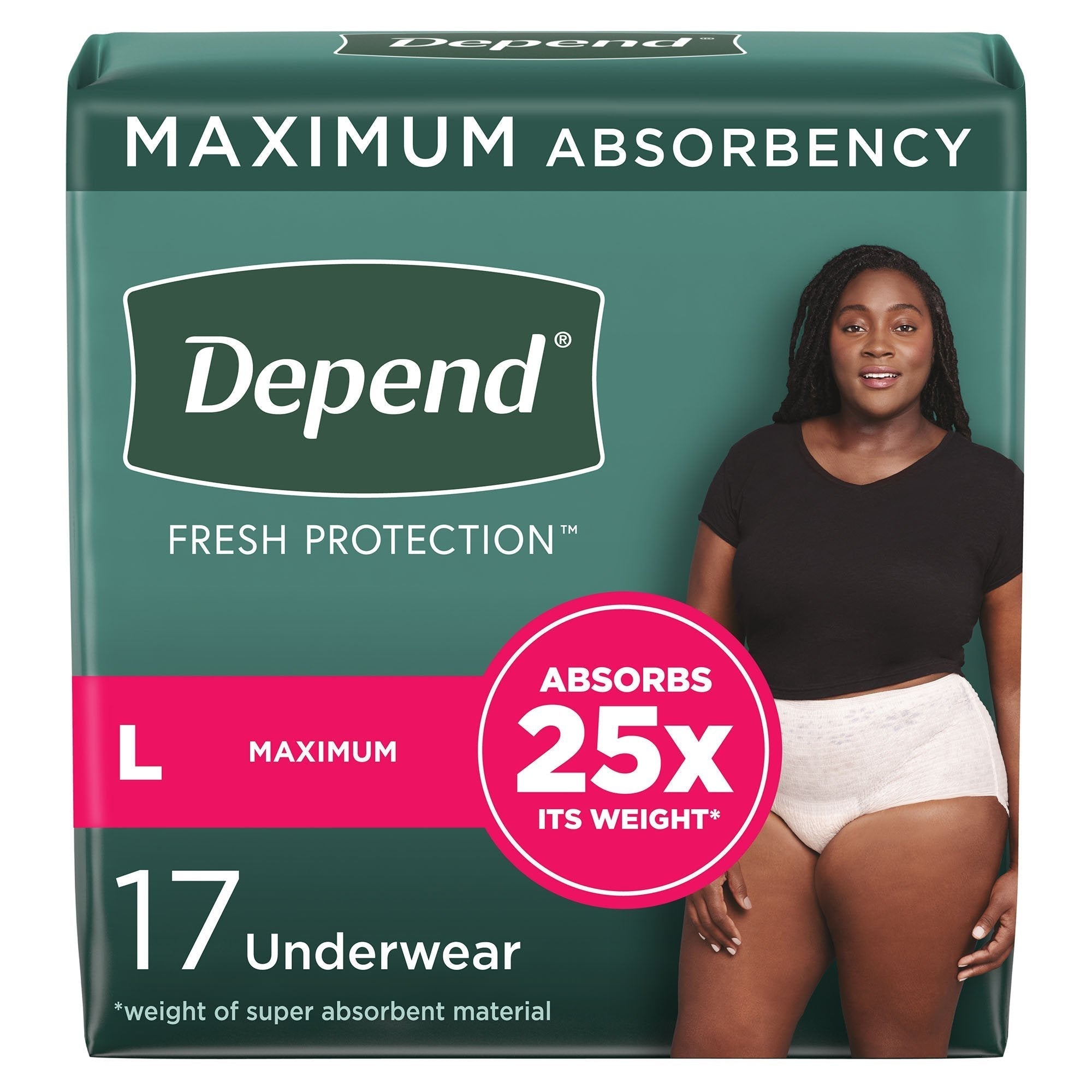
Stock the kit — and your home supply — from our adult diapers and protective underwear collection and adult wipes collection, with free shipping on all orders.
Which Products Should You Use?
Deliberately, no product reviews here — the right pick depends on your body and your leakage level, and we keep those recommendations current in two dedicated guides: the best adult diapers for men and the best adult diapers for women. Whatever you choose, confirm the size with our sizing guide first — for active use, fit is everything.
Frequently Asked Questions
Will people at the gym notice?
Almost certainly not. Modern underwear-style products are slim, and the compression-shorts-plus-loose-shorts layering hides them entirely. Remember that everyone else is watching themselves in the mirror, not you.
Should I drink less before exercising?
No. Under-drinking concentrates urine, which irritates the bladder and can make urgency worse — and it invites cramps and dizziness during exercise. Sip steadily, empty your bladder right before you start, and save caffeine for the morning.
Can exercise make incontinence worse?
High-impact movement can trigger leaks in the moment, but staying active — with sensible modifications and consistent pelvic floor training — tends to help over the long run. Modify the movements that trigger you; do not give up moving.
Keep Moving
Incontinence changes the logistics of an active life, not the possibility of one. Sort out fit, pack a change kit, plan your changes around the natural breaks in your sport, and put in the daily pelvic floor work. Questions about supplies for your activity? Call our team at 1-888-889-6260 or browse the full incontinence collection.
Medical Disclaimer: This article is for informational purposes only and does not constitute medical advice, diagnosis, or treatment. Consult your physician before beginning a new exercise program, and see a healthcare provider about incontinence that is new, worsening, painful, or accompanied by blood in the urine.