Choosing the best mobility aids for elderly people can make everyday activities more manageable, support independence, and improve accessibility at home and while traveling. As mobility needs change with age, older adults may benefit from equipment that helps with walking, standing, transferring between surfaces, and moving safely in and out of vehicles.
Popular mobility aids for seniors include car canes, transfer boards, walkers, rollators, and grab bars. Each product serves a different purpose. A car cane provides a handhold during certain vehicle transfers, a transfer board supports sliding transfers for appropriate users, a walker helps with walking, and a properly installed grab bar provides support in suitable locations.
The right mobility aid depends on an individual's balance, strength, grip, ability to bear weight, living environment, and daily activities. This guide compares common mobility products and explains how to choose suitable equipment for different needs.
Quick Comparison: Best Mobility Aids for Seniors
| Mobility aid | Primary purpose | Best suited for |
|---|---|---|
| Car cane | Provides a handhold during vehicle transfers | Seniors who can stand and transfer but need additional support |
| Transfer board | Bridges two surfaces for sliding transfers | Appropriate users who have difficulty standing or pivoting |
| Walker | Provides support while walking | People who need an appropriate walking aid for balance and stability |
| Rollator walker | Supports walking with wheels and brakes | People who can walk safely and operate the brakes |
| Grab bars | Provides a fixed handhold | Seniors who need support in suitable bathroom or home locations |
| Transfer support belt | Assists trained caregivers during certain transfers | People who need caregiver assistance with standing or pivoting |
| Wheelchair | Supports seated mobility | People who cannot walk safely or need mobility assistance over longer distances |
Quick answer: The best mobility aid depends on the activity. Car canes can help with certain vehicle transfers, transfer boards can assist with sliding transfers, walkers and rollators support walking, and grab bars provide fixed support in appropriate locations. Some older adults may need more than one device.
1. Car Canes for Seniors: Support for Getting In and Out of a Vehicle
A car cane for seniors is a portable mobility aid designed to provide a handhold when entering or exiting a compatible vehicle. Many models fit into a designated door-striker opening and feature a handle that the user can grip while transitioning between sitting and standing.
For older adults who can stand independently but need additional support, a car cane may make vehicle transfers feel more manageable.
Benefits of Car Canes
-
Portable design: Many models can be stored in a vehicle and carried when needed.
-
Additional handhold: Provides a designated grip point during certain transfers.
-
Simple storage: Compact models are convenient for everyday travel.
-
Travel assistance: Can be useful when getting in and out of compatible family or personal vehicles.
How to Choose a Car Cane
When shopping for a car cane for elderly people, consider:
-
Vehicle compatibility: Confirm that the product fits the vehicle's designated mounting point.
-
Handle design: Choose a grip that feels comfortable and is easy to hold.
-
Weight capacity: Follow the manufacturer's specified limits.
-
Ease of use: Consider whether the user can install and remove the device safely.
-
Transfer ability: Ensure the user can safely perform the movement for which the product is designed.
Important safety tip: A car cane is not suitable for every vehicle or every mobility need. Never use a device that does not fit securely, and do not treat it as a lifting device unless the manufacturer explicitly specifies that use.
2. Transfer Boards: Assistance With Moving Between Surfaces
A transfer board for seniors is a flat, rigid or semi-rigid board designed to bridge two surfaces, helping an appropriate user move between them with a sliding technique.
Transfer boards may be useful for some wheelchair users and people who have difficulty standing or pivoting. They require appropriate positioning, sufficient upper-body ability, and a safe transfer method.
Benefits of Transfer Boards
-
Supports sliding transfers: Can reduce the need to stand during certain transfers.
-
Useful for wheelchair transfers: May help eligible users move between a wheelchair and another stable surface.
-
Multiple applications: Depending on the model and assessment, boards may support transfers between beds, chairs, and other surfaces.
-
Different designs: Available in different lengths, shapes, and materials to accommodate various transfer situations.
What to Consider Before Buying
Look for a transfer board for elderly people that meets the user's needs and the manufacturer's requirements.
-
Check the board's weight capacity.
-
Consider the length and shape needed to bridge the two surfaces.
-
Confirm that the surfaces can be positioned securely.
-
Look for an appropriate grip or smooth sliding surface, depending on the design.
-
Seek professional guidance if the user has limited upper-body strength or needs substantial assistance.
A transfer board is not automatically suitable for vehicle transfers. Car seating, height differences, door openings, and wheelchair positioning can create additional challenges. An occupational therapist can help determine whether a particular board and transfer technique are appropriate.
3. Walkers for Seniors: Everyday Walking Support
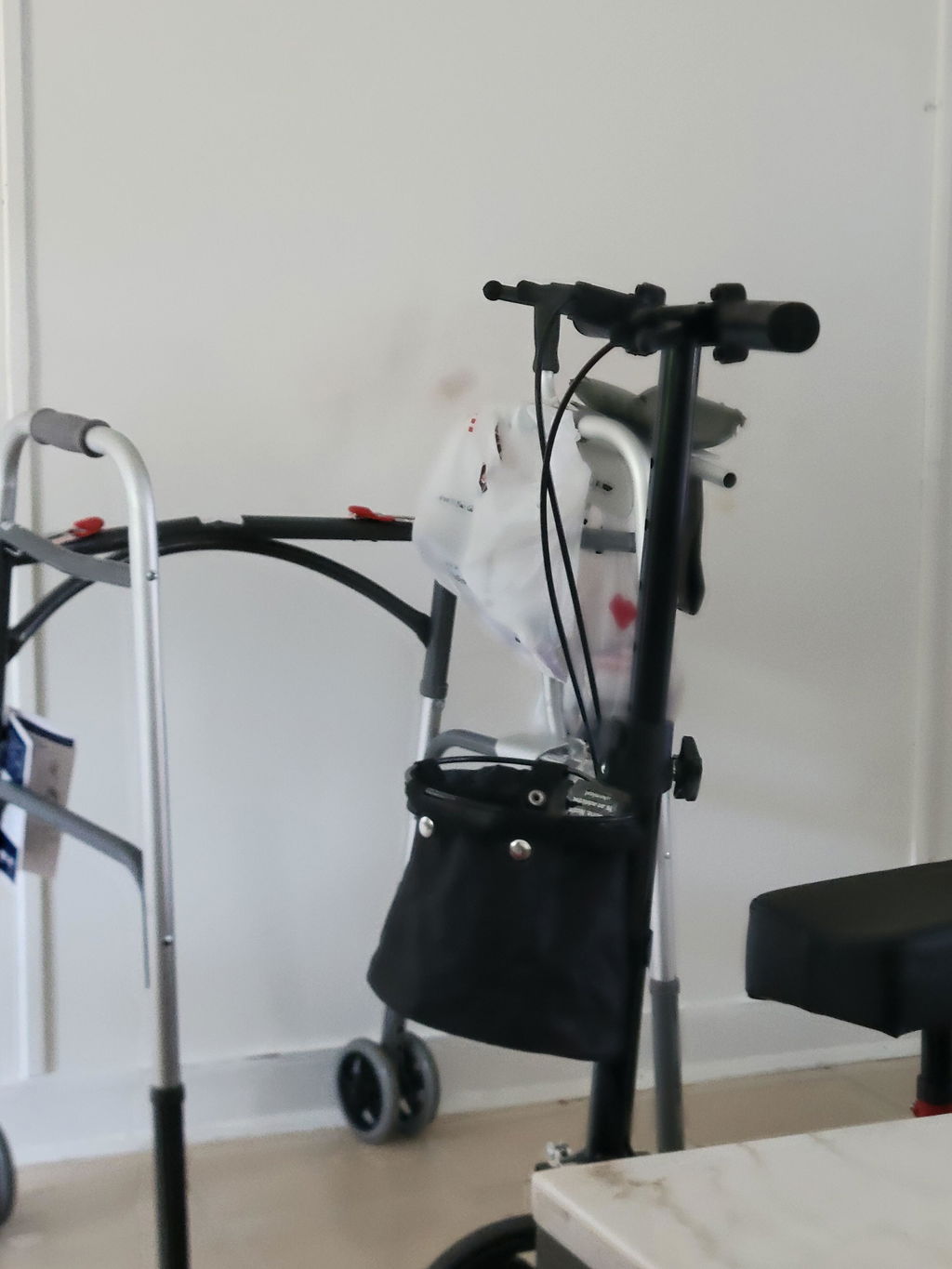
A walker for seniors is designed to provide support during walking. Depending on the model, a walker may have a fixed frame, two front wheels, or four wheels.
Walkers can be useful for older adults who need additional support while moving around their homes or other suitable environments.
Types of Walkers
Standard walkers
A standard walker has a frame without wheels. The user lifts or repositions it with each step. It may suit people who need substantial support and can safely manage the movement required.
Two-wheel walkers
These walkers have wheels at the front and fixed rear legs. They can be easier to move than a standard walker while still providing support.
Folding walkers
A folding walker for seniors can be convenient for storage and transportation. Confirm that the model locks securely into its intended position before use.
How to Choose the Right Walker
Consider the following factors when comparing walking aids for elderly people:
-
Height adjustment: Handles should be positioned according to the user's height and professional guidance.
-
Weight capacity: Select a model that meets the manufacturer's specifications.
-
Frame stability: Choose a design appropriate for the user's balance and walking ability.
-
Grip comfort: Handles should be comfortable to hold.
-
Portability: Folding frames may be helpful for travel and storage.
A walker should be fitted and used according to its instructions. It should not be used to pull oneself up from a seated position unless the manufacturer specifically permits that method.
4. Rollator Walkers: Mobility Aids With Wheels and Brakes
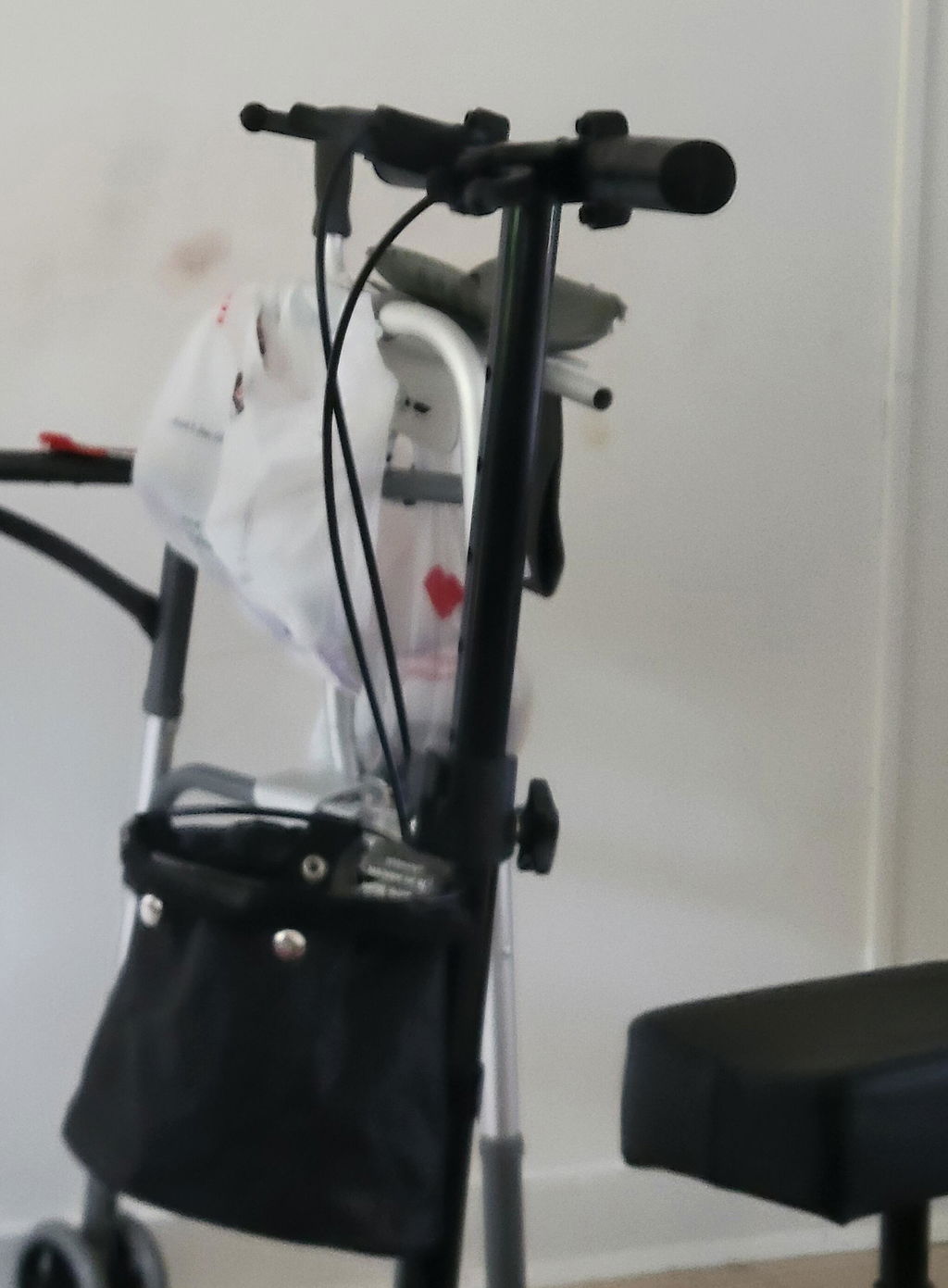
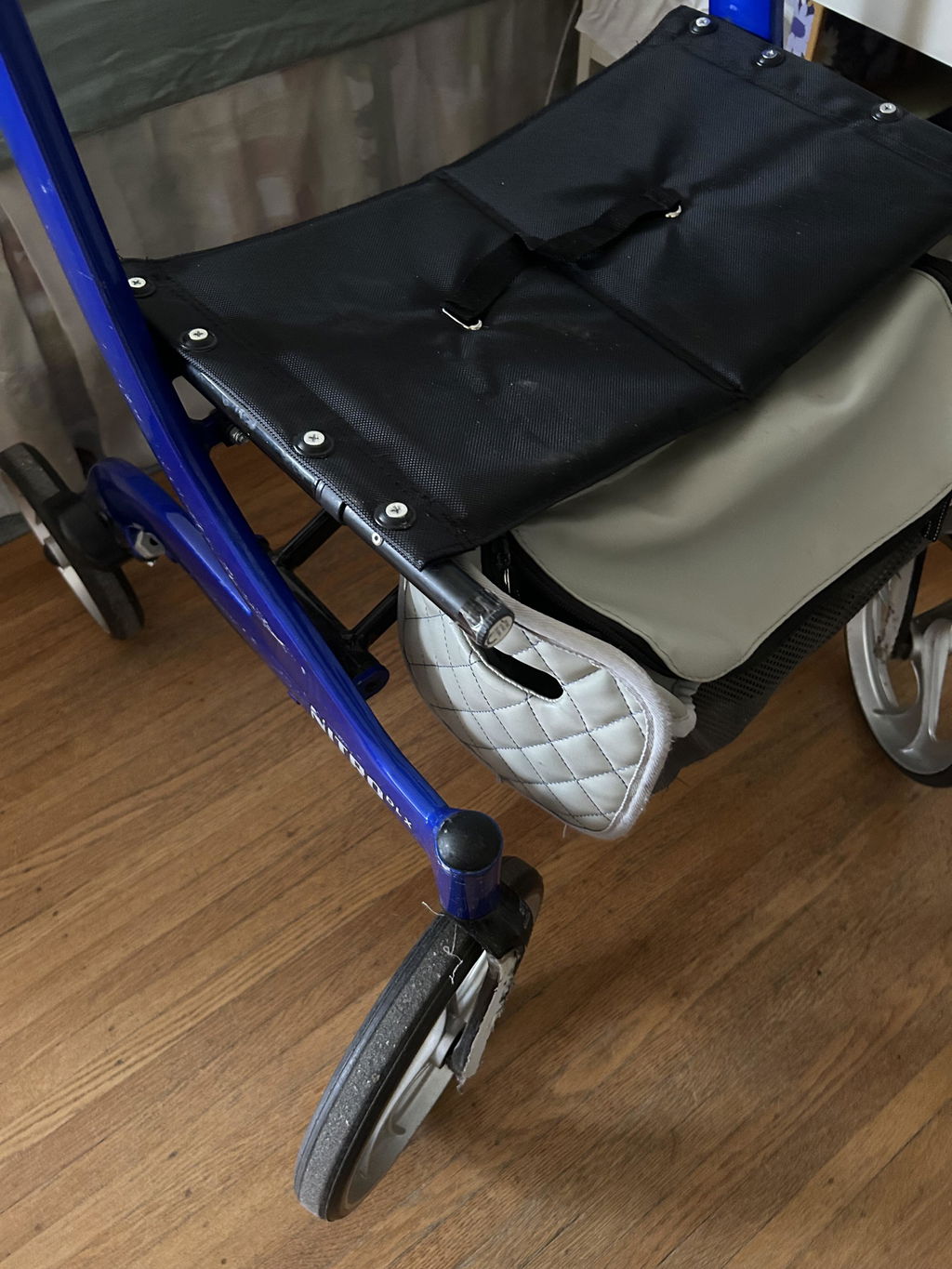
A rollator walker for seniors typically has three or four wheels, hand brakes, and often a seat. Some models also include a storage pouch or basket.
Rollators may suit people who can walk safely with a wheeled aid and have enough coordination and grip strength to control the brakes.
Benefits of Rollators
-
Wheeled movement: Allows the user to move the device without lifting it with every step.
-
Hand brakes: Help control the rollator when operated correctly.
-
Optional seating: Some models provide a place to rest when the brakes are securely engaged and the seat is used as instructed.
-
Storage features: Baskets or pouches can carry everyday essentials.
-
Different configurations: Lightweight, folding, and heavy-duty models are available.
Rollator vs. Walker: Which Is Better?
| Feature | Standard walker | Rollator |
|---|---|---|
| Wheels | None on most standard models | Usually three or four |
| Movement | Lifted or repositioned | Pushed along |
| Brakes | Generally not applicable | Usually hand-operated |
| Seating | Typically no seat | Often includes a seat |
| Suitable user | Someone who needs a stable frame and can manage its movement | Someone who can walk safely with a wheeled device and operate its brakes |
Which should you choose? A standard walker may be more appropriate for someone who needs a frame that stays in place while taking steps. A rollator may be convenient for a person who can safely manage a moving device and its brakes. A healthcare professional can help determine which option is suitable.
5. Grab Bars for Seniors: Support in Bathrooms and Around the Home
Grab bars for elderly people are fixed support bars installed in appropriate locations to provide a handhold during activities such as standing, sitting, or moving around a bathroom.
They are commonly used near showers, bathtubs, and toilets. When properly selected and installed, grab bars can support accessibility and help users maintain stability during specific movements.
Benefits of Grab Bars
-
Fixed handhold: Provides a designated grip point in an appropriate location.
-
Bathroom accessibility: Can support movement around showers and toilets.
-
Different mounting options: Designs vary according to installation requirements and intended use.
-
Home modifications: May form part of a broader plan to make living spaces easier to navigate.
How to Choose Grab Bars
When choosing bathroom grab bars for seniors, consider:
-
Placement: Positioning should match the movement the user needs to perform.
-
Secure installation: Bars must be installed into an appropriate structural support or mounting system according to the manufacturer's instructions.
-
Grip surface: Select a handle that is comfortable and easy to grasp.
-
Length and shape: Choose a design that suits the available space and intended use.
-
Intended load: Verify the manufacturer's specifications and installation requirements.
Suction-cup grab bars are generally intended for specific uses and should not be assumed suitable for bearing body weight. Follow the product's instructions and consult a qualified installer when necessary.
6. Transfer Support Belts: Help for Caregivers
A transfer support belt for seniors is an aid that trained caregivers may use during certain standing or pivot transfers.
The belt gives the caregiver a designated place to hold while assisting a person who can participate in the transfer. It is not a substitute for appropriate training or a device for lifting a person whose weight cannot be safely supported.
What to Consider
-
Select a belt designed for the intended transfer assistance.
-
Check the manufacturer's weight and use instructions.
-
Ensure the belt fits appropriately.
-
Learn the correct technique from a qualified professional.
-
Avoid using a belt when the user's medical or mobility needs make that transfer method unsuitable.
Caregiver assistance should be based on the individual's abilities and a safe transfer plan.
7. Wheelchairs: Mobility Support for People Who Cannot Walk Safely
A wheelchair for seniors may be suitable for people who cannot walk safely, tire easily, or need seated mobility for longer distances.
Different wheelchair types serve different purposes.
Manual Wheelchairs
A manual wheelchair may be self-propelled by the user or pushed by a caregiver. The appropriate model depends on the user's strength, positioning needs, environment, and intended use.
Transport Wheelchairs
A transport wheelchair for seniors is generally designed to be pushed by a caregiver. Its smaller wheels and compact design may make it convenient for outings and appointments.
Choosing a Wheelchair
Compare:
-
Seat width and depth
-
Weight capacity
-
Overall weight and folding design
-
Footrest and armrest configuration
-
Indoor and outdoor use requirements
-
User positioning and comfort
Remember that wheelchair selection and vehicle transfer planning are separate considerations. Some people may need additional transfer equipment or specialized vehicle accessibility solutions.
8. How to Choose the Best Mobility Aid for an Elderly Person
The right mobility aids for elderly people should match the person's abilities, daily routine, and environment rather than being selected solely by price or popularity.
Step 1: Identify the Main Mobility Challenge
Determine whether the person needs help with walking, standing, moving between surfaces, entering a car, or navigating the bathroom.
Step 2: Assess Balance and Strength
Consider the person's ability to bear weight, grip a handle, control a walking aid, and follow transfer instructions.
Step 3: Measure the Available Space
For walkers, wheelchairs, and bathroom aids, consider door widths, turning space, bathroom layouts, and storage requirements.
Step 4: Check Product Specifications
Review dimensions, weight limits, materials, adjustment options, and installation instructions.
Step 5: Consider Portability
A folding walker or transport wheelchair may be useful for travel. A portable car cane may be convenient for compatible vehicles.
Step 6: Seek Professional Guidance
An occupational therapist or other qualified healthcare professional can assess mobility and recommend appropriate equipment, fitting, and training.
9. Common Mistakes to Avoid When Choosing Mobility Aids
Avoid these common mistakes when shopping for mobility aids for seniors:
-
Choosing equipment without assessing the user's needs: Different aids are designed for different tasks.
-
Ignoring weight limits: Always check the manufacturer's specifications.
-
Buying a car cane without checking compatibility: A poor fit may make the device unsafe.
-
Installing grab bars incorrectly: A bar that is not securely installed may not provide reliable support.
-
Selecting a rollator without considering brake control: Users must be able to operate the brakes appropriately.
-
Overlooking measurements: Walker height, wheelchair width, and bathroom space can affect usability.
-
Using equipment without instruction: Some transfer aids require professional assessment and training.
10. Building a Safer and More Accessible Daily Routine
Mobility aids work best when they are part of a broader plan that considers the person's activities and surroundings.
Practical steps may include:
-
Keeping frequently used items within easy reach.
-
Removing loose rugs and clutter from walking routes.
-
Improving lighting in hallways and bathrooms.
-
Using suitable footwear with a secure fit.
-
Keeping walking aids in accessible locations.
-
Installing appropriate grab bars where needed.
-
Planning vehicle transfers before traveling.
-
Reviewing equipment fit and condition regularly.
These measures can help make everyday activities more manageable. However, no mobility aid or home modification can eliminate every risk. Seek professional advice when mobility changes or transfers become difficult.
Conclusion
The best mobility aids for elderly people are those that meet individual mobility needs and can be used safely and correctly. Car canes, transfer boards, walkers, rollators, grab bars, and wheelchairs each address different challenges.
Before purchasing equipment, consider the intended use, product specifications, installation requirements, and the user's ability to operate the device. Professional assessment can be especially valuable when standing, walking, or transferring requires substantial assistance.
Explore relevant mobility and accessibility products at AllCareStore to compare options for everyday movement, vehicle transfers, and home accessibility.