Medical Disclaimer: This article is for informational purposes only and should not be considered medical advice. Dementia and Alzheimer's disease are serious medical conditions requiring professional diagnosis and management. Please consult a qualified physician, neurologist, or geriatrician before making any changes to a loved one's care plan. In an emergency, call 911 immediately.
Margaret's Morning: Life as an Alzheimer's Caregiver
Every morning at 6:15 a.m., Margaret brews two cups of coffee — one for herself and one for her husband, Robert. Robert was diagnosed with Alzheimer's disease three years ago at age 72. Some mornings he greets her with a warm smile and remembers her name. Other mornings, he looks at her with confusion, unsure who she is or where he is. Margaret has learned to take each day as it comes.
"The hardest part isn't the memory loss itself," Margaret once told her support group. "It's not knowing what each day will bring, and feeling like I'm figuring it out alone." Her story is one shared by millions. Across the United States, more than 6 million people are living with Alzheimer's disease, and roughly 11 million family members and friends provide unpaid care for them every year.
Whether you're just beginning to navigate a new diagnosis or you've been a caregiver for years, this guide is here to help. At AllCare Store, we believe that the right products and knowledge can make caregiving safer, more manageable, and more dignified — for both the person living with dementia and the person caring for them.
Understanding Dementia and Alzheimer's Disease
Dementia is not a single disease but an umbrella term for a group of symptoms affecting memory, thinking, and social abilities severely enough to interfere with daily life. Alzheimer's disease is the most common cause, accounting for 60–80% of dementia cases. Other types include vascular dementia, Lewy body dementia, and frontotemporal dementia.
Alzheimer's disease progresses through stages — early, middle, and late — each bringing distinct challenges. In the early stage, a person may struggle with short-term memory, misplace items, and have difficulty with complex tasks like managing finances. In the middle stage, they may need help with daily activities like dressing, bathing, and eating. In the late stage, round-the-clock care is typically required as the person becomes largely non-verbal and physically dependent.
Understanding where your loved one is in this progression is the foundation of effective care planning. Work closely with their physician to track changes and adjust your approach over time.
Creating a Safe Home Environment
Safety is the single most urgent priority in dementia care. Cognitive decline impairs judgment, spatial awareness, and the ability to recognize danger — making a home that was once perfectly safe potentially hazardous. The good news is that thoughtful modifications can significantly reduce risk without making the home feel institutional.
Start with a room-by-room safety audit. Look for tripping hazards such as loose rugs, electrical cords, and clutter in walkways. Install grab bars near the toilet, bathtub, and shower — falls are among the leading causes of injury for people with dementia. A padded tub transfer bench can make bathing dramatically safer and less stressful for both the caregiver and the person receiving care.
Browse AllCare Store's full range of bathroom safety products and fall prevention solutions to find the right fit for your home setup.
Beyond the bathroom, consider these key safety measures throughout the home:
- Secure hazardous areas. Use door alarms or childproof locks on cabinets containing medications, cleaning supplies, and sharp objects. Wandering is a major concern — door sensors and alarms alert caregivers when a loved one attempts to leave the house.
- Improve lighting. Adequate lighting reduces disorientation, especially at night. Motion-activated nightlights along the path from the bedroom to the bathroom can prevent nighttime falls.
- Simplify the environment. Reduce visual clutter and remove mirrors if they cause distress (a person with advanced dementia may not recognize their own reflection, leading to fear or confusion).
- Install bed safety rails. Bed rails provide a stable reference point for orientation and help prevent rolling out of bed during the night. Explore bed safety rails at AllCare Store.
- Remove tripping hazards. Secure or remove loose area rugs, and keep pathways throughout the home clear and consistent.
Daily Living Aids: Supporting Independence With Dignity
One of the core goals of dementia care is preserving as much independence as possible for as long as possible. Adaptive daily living aids serve this goal beautifully — they compensate for declining abilities without stripping away agency and dignity.
AllCare Store's daily living aids collection includes a broad range of tools designed to help people with dementia and other cognitive or physical limitations manage everyday tasks more safely and comfortably.
Some particularly valuable aids for dementia caregiving include:
- Adaptive utensils and tableware. Weighted utensils, plate guards, and non-slip mats can help someone with tremors or coordination difficulties eat more independently and with less frustration.
- Easy-open containers. Medication dispensers with large, color-coded compartments and alarms help ensure medications are taken correctly — a critical concern as dementia progresses and self-management becomes unreliable.
- Dressing aids. Long-handled shoehorns, button hooks, and elastic shoelaces extend the time a person can dress themselves independently.
- Calendars and clocks with dementia-friendly displays. Large-print clocks that display the day, date, and time of day (morning/afternoon/evening/night) provide orientation cues and reduce anxiety.
Explore the full personal care collection for grooming, hygiene, and daily living essentials tailored to older adults and those with special needs.
Managing Incontinence: A Common and Manageable Challenge
Incontinence affects a significant majority of people with moderate to advanced dementia. It can be one of the more emotionally charged aspects of caregiving — both for the person experiencing it and the caregiver managing it. But with the right products and approach, it is entirely manageable, and handling it with sensitivity preserves dignity on both sides.
The keys to effective incontinence management are routine, the right products, and a calm, matter-of-fact attitude. Establishing regular toileting times — typically every two to three hours — can reduce accidents significantly, especially in the earlier stages when the person still has some bladder control but struggles to communicate the urge.
AllCare Store carries a comprehensive range of adult diapers and incontinence underwear for both men and women, including pull-up styles that support remaining independence and tab-style briefs for those who need full caregiver assistance. Well-known brands like Depend, Prevail, and TENA offer reliable protection at various absorbency levels.
For bed protection, underpads (also called chux) placed under the fitted sheet or on top offer a discreet, easy-to-change layer of protection. The Attends SuperSorb heavy absorbency underpad is a caregiver favorite for overnight reliability.
Personal cleansing wipes are indispensable for keeping skin clean, comfortable, and free from irritation after accidents. StayDry personal cleansing wipes are gentle on sensitive skin and conveniently pre-moistened for quick, dignified cleanup. Browse the full adult wipes collection for more options.
For toilet safety and ease of transfer, raised toilet seats and toilet safety frames make it easier for a person with limited mobility to sit down and stand up safely, reducing fall risk during one of the most vulnerable moments of the day.
Nutrition and Feeding: Keeping Your Loved One Nourished
Maintaining adequate nutrition is a persistent challenge throughout the course of dementia. In early stages, a person may forget to eat or lose interest in food. In later stages, swallowing difficulties (dysphagia) can make eating risky without proper precautions. Unintended weight loss and malnutrition are common and can accelerate cognitive and physical decline.
A few practical strategies can make a meaningful difference. Serve smaller, more frequent meals rather than three large ones. Keep mealtimes calm and free from distractions — turn off the television and minimize background noise. Use high-contrast tableware to help the person distinguish food from plate, and plate from table. Offer finger foods when utensil use becomes difficult.
Ensure adequate hydration throughout the day, as dehydration worsens confusion and increases urinary tract infection (UTI) risk — which can in turn dramatically worsen dementia symptoms temporarily. Offering beverages frequently and making them visually accessible (a glass of water always within reach) helps. Thickening agents can be added to liquids for those with swallowing difficulties — consult a speech-language pathologist for guidance.
Nutritional supplements such as multivitamins and omega-3 fatty acids are often recommended for cognitive support in older adults. Explore AllCare Store's vitamins and supplements collection for options suited to senior nutrition needs.
Mobility and Fall Prevention: Moving Safely Through Each Day
People with dementia are at significantly elevated risk for falls due to a combination of cognitive impairment, medications that affect balance, muscle weakness, and changes in gait. Falls are the leading cause of injury-related deaths among older adults in the United States — and for those with dementia, a fall often marks a turning point in the disease progression.
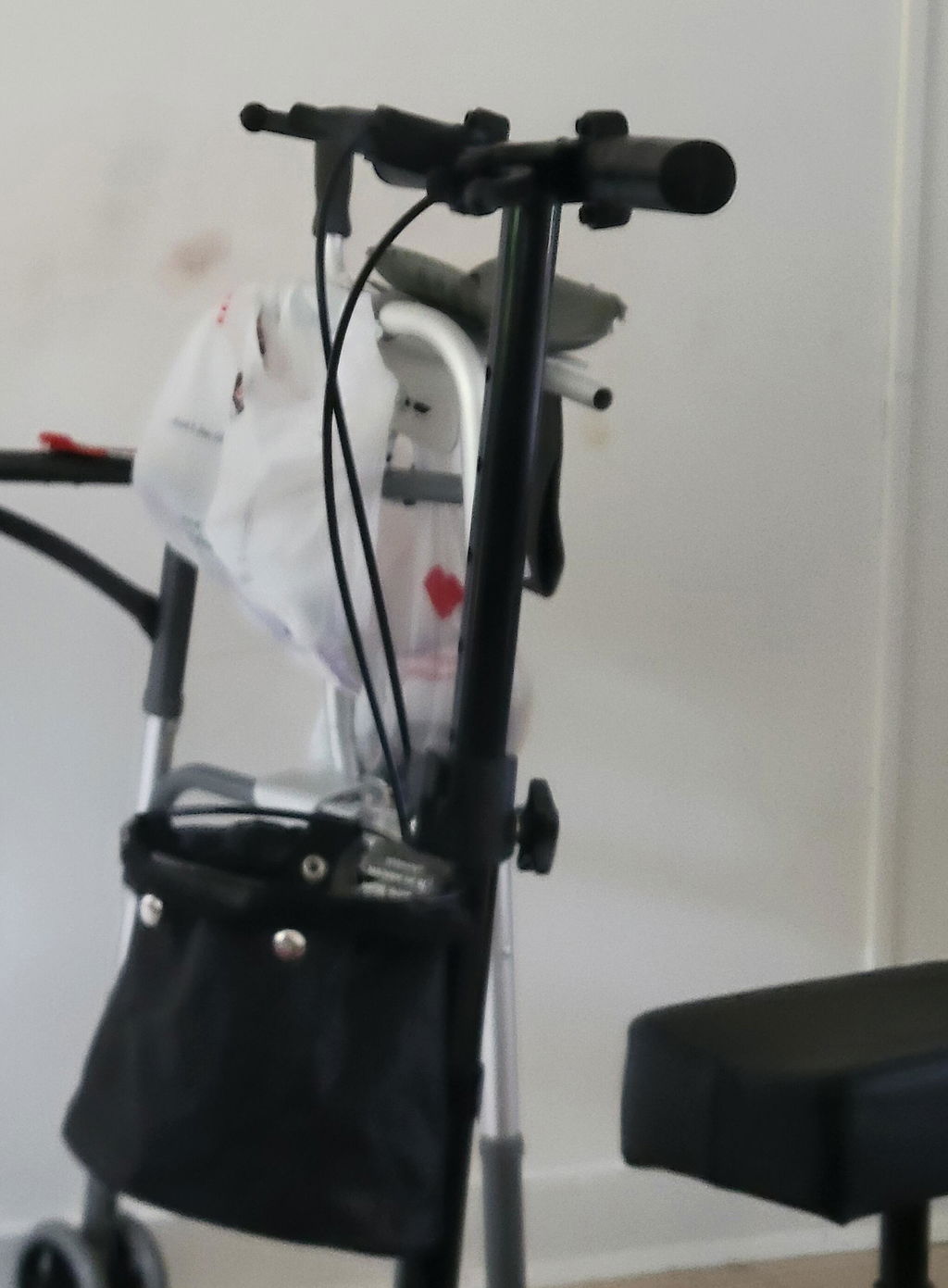
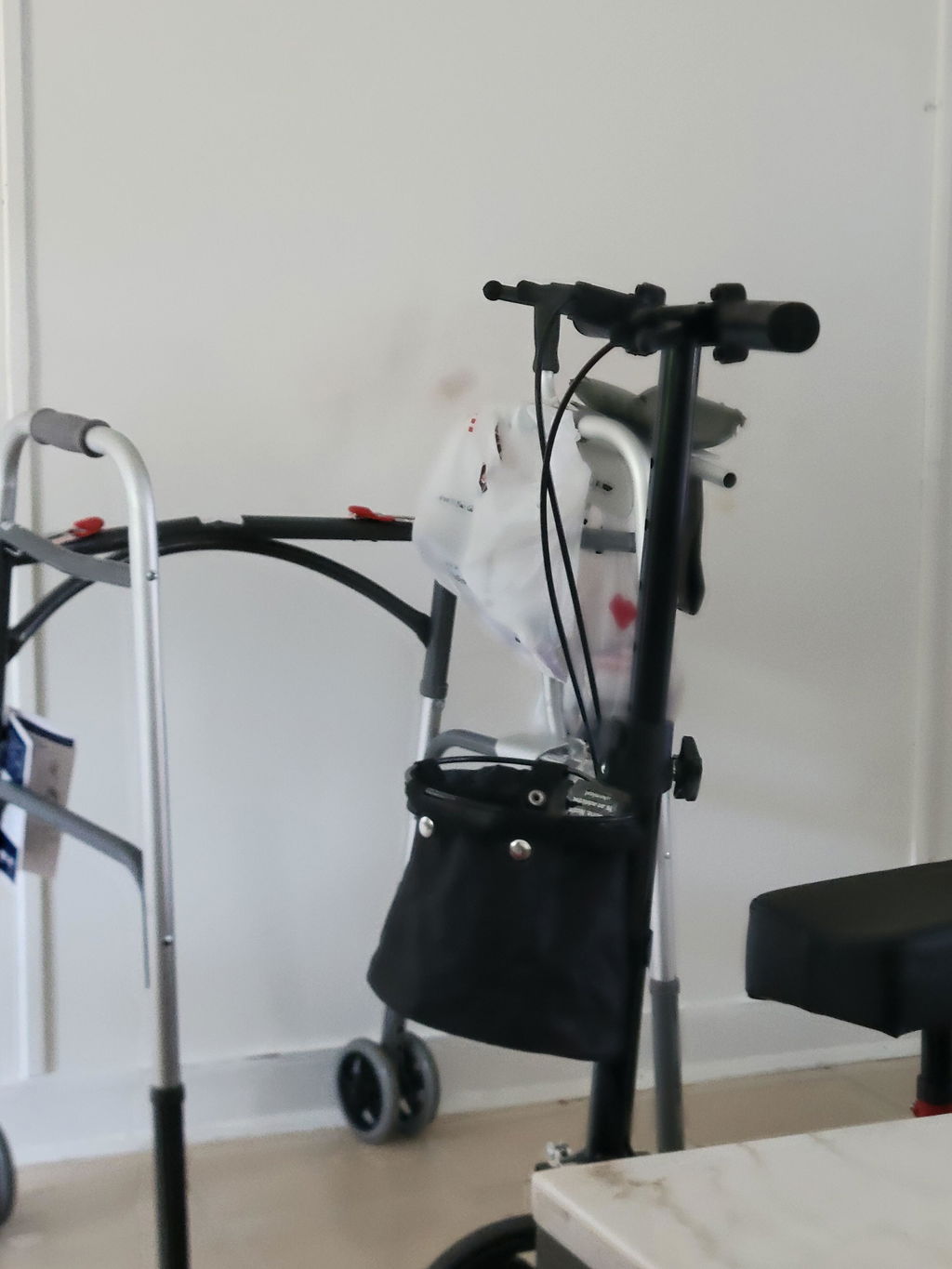
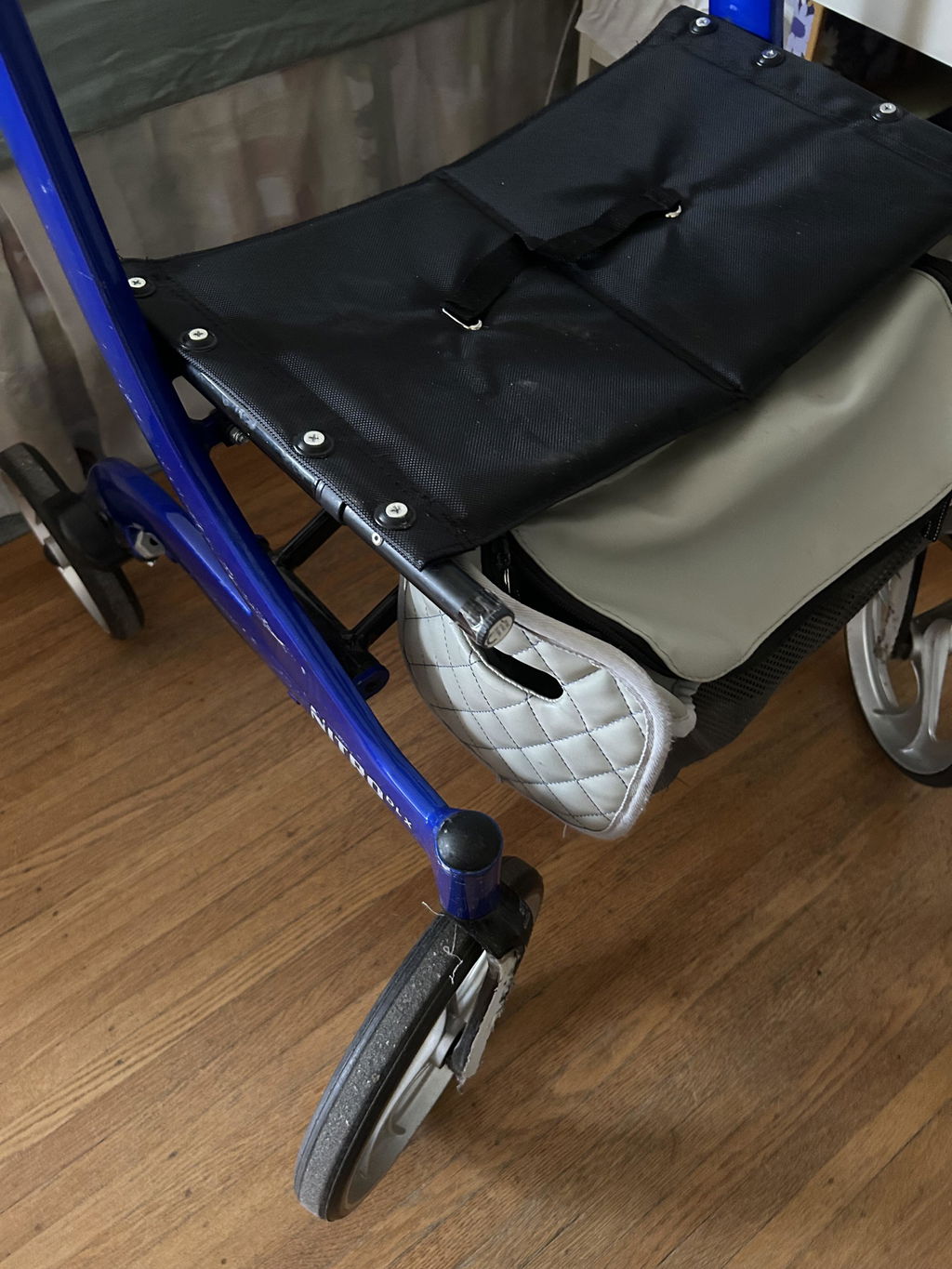
Mobility aids provide crucial support. Canes offer lightweight stability for those with mild balance issues. Walkers and rollators provide greater support and can be configured with seats for rest breaks. AllCare Store carries a full selection of walkers and rollators as well as canes to suit different levels of need and physical ability.
The Ez Fold-N-Go Walker is a popular choice for its lightweight frame and easy storage, while the Crosstour Rolling Walker Rollator by Carex offers a padded seat and convenient storage bag for longer outings.
For individuals who use wheelchairs for longer distances or as their primary mode of mobility, explore AllCare Store's wheelchair collection for manual options suited to home and community use.
Health Monitoring at Home
Staying on top of a loved one's health indicators at home can help catch problems early and give caregivers peace of mind. Several simple monitoring tools are particularly valuable in dementia care:
Blood pressure monitoring is important because hypertension is a significant risk factor for vascular dementia and can worsen Alzheimer's symptoms. A reliable home blood pressure monitor makes it easy to track readings regularly without frequent clinic visits. AllCare Store offers a range of blood pressure monitors, including easy-to-use wrist models like the Advantage 6015N Wrist Monitor and the clinically validated Omron 3 Series Upper Arm Monitor.
Pulse oximetry measures blood oxygen saturation — useful for individuals with respiratory conditions or those at risk for infections. The SmartHeart Fingertip Pulse Oximeter is compact, easy to use, and provides quick, accurate readings. Browse the full pulse oximeters collection.
Thermometers are essential for detecting illness, especially since people with advanced dementia may be unable to communicate that they feel unwell. A fever is often the first sign of a UTI or respiratory infection. The HealthSmart Digital Ear Thermometer provides instant readings without requiring the person to hold still for long.
Pain Management and Comfort
People with dementia often cannot reliably communicate pain, which means discomfort can go unrecognized and untreated. Caregivers learn to watch for behavioral cues — increased agitation, facial grimacing, guarding a body part, refusal to bear weight, or changes in appetite and sleep. These behavioral changes are frequently pain signals.
Over-the-counter pain relievers like acetaminophen (Tylenol) are generally considered safer for older adults than NSAIDs such as ibuprofen. AllCare Store carries reliable options including pain relief products suited to everyday use.
Heat and cold therapy can provide non-pharmacological comfort for arthritis, muscle stiffness, and joint pain — common co-occurring conditions. Explore AllCare Store's heat and cold therapy collection, including heating pads, cold packs, and combination therapy wraps. The Ice It! ColdComfort System is a versatile option for localized pain relief.
For people who are largely bed-bound in late-stage dementia, pressure ulcer prevention becomes critical. Specialized cushions and pillows that redistribute weight can significantly reduce skin breakdown risk. Browse cushions and pillows at AllCare Store for options designed for pressure relief and comfort.
Supporting Sleep
Sleep disturbances are extremely common in dementia — and exhausting for caregivers. Sundowning, a phenomenon where confusion and agitation worsen in the late afternoon and evening, affects up to 20% of people with Alzheimer's. Nighttime wandering, restlessness, and day-night reversal are also frequent.
Establishing a consistent, calming bedtime routine helps signal to the brain that it's time to wind down. Limit caffeine after noon, reduce stimulating activities in the evening, and keep the sleeping environment cool, dark, and quiet. Gentle music or white noise can be soothing for some individuals.
Natural sleep support products may be appropriate for mild sleep difficulties — explore AllCare Store's rest and comfort collection. Always consult a physician before adding any supplement to a dementia patient's regimen, as interactions with existing medications are a real concern.
Weighted blankets have shown promise for reducing anxiety and improving sleep in some individuals with dementia. Their gentle, even pressure can be calming and grounding. Browse beds and bedding options at AllCare Store for comfortable, supportive sleep solutions.
Communication Strategies for Dementia Caregivers
How you communicate with a person living with dementia matters as much as what you say. As language and comprehension abilities decline, verbal communication alone becomes less effective. These evidence-based strategies can reduce frustration on both sides:
- Speak slowly and clearly. Use short, simple sentences and allow plenty of time for the person to respond. Resist the urge to fill silences quickly.
- Use their name. Beginning each interaction with the person's name helps orient them and signals that you are addressing them directly.
- Avoid correcting or arguing. If your loved one says something factually incorrect — like thinking a deceased parent is still alive — entering into their reality rather than correcting it (a technique called "therapeutic fibbing" or validation therapy) is generally kinder and less distressing than confrontation.
- Use visual cues. Pointing, demonstrating, and using objects as prompts supplements verbal communication effectively as language abilities decline.
- Watch for non-verbal signals. Facial expressions, body language, and tone of voice communicate far more than words for many people with dementia. Mirror calm, positive body language to help regulate their emotional state.
Caregiver Wellbeing: You Cannot Pour From an Empty Cup
Caregiver burnout is not a personal failure — it is a predictable consequence of one of the most demanding roles a human being can occupy. Studies consistently show that dementia caregivers are at significantly elevated risk for depression, anxiety, social isolation, and physical health problems. Caring for yourself is not selfish; it is essential to sustaining the care you provide.
Some key self-care strategies for dementia caregivers include:
- Accept help. When family members, neighbors, or friends offer to help, say yes. Be specific about what you need: a meal dropped off, a few hours of respite, help with errands.
- Use respite care. Adult day programs, in-home respite services, and short-term residential respite care give caregivers essential breaks. Contact your local Area Agency on Aging (find yours at eldercare.acl.gov) for information on services in your area.
- Connect with a support group. The Alzheimer's Association (alz.org) offers free support groups both in-person and online for dementia caregivers. Hearing from others who truly understand your experience is powerfully restorative.
- Maintain your own health. Keep your own medical appointments, get adequate sleep when possible, eat well, and make time — even brief time — for activities that bring you joy or peace.
- Talk to a professional. A therapist, social worker, or counselor experienced in caregiver issues can provide critical support for managing grief, anger, guilt, and the complicated emotions that dementia caregiving stirs up.
Planning Ahead: Legal, Financial, and Care Decisions
One of the most important things families can do in the early stages of dementia — while the person can still participate meaningfully in the conversation — is to address legal and financial planning and document healthcare wishes. This includes:
- Durable power of attorney (financial and healthcare) designating who can make decisions when the person can no longer do so themselves.
- Advance healthcare directive / living will documenting the person's wishes regarding life-sustaining treatment, hospitalization, and end-of-life care.
- POLST (Physician Orders for Life-Sustaining Treatment) — a medical order form that translates those wishes into actionable instructions for healthcare providers.
These conversations are difficult but invaluable. They spare families from having to make agonizing decisions without guidance and ensure that the person with dementia's own values and wishes guide their care. Consult an elder law attorney to ensure all documents are legally valid in your state.
When It's Time for More Help
There often comes a point in dementia caregiving where the level of care needed exceeds what one person — or even a family — can safely provide at home. Recognizing this threshold and acting on it is an act of love, not failure. Signs that additional support may be needed include:
- Unsafe wandering that cannot be managed at home
- Aggression or behavior that puts the caregiver or others at physical risk
- Incontinence requiring round-the-clock management beyond the caregiver's capacity
- Significant caregiver health decline or burnout
- Inability to manage complex medical needs at home
Options for increased support include in-home care services (aides who assist with personal care, medication, and supervision), adult day health programs, assisted living memory care units, and skilled nursing facilities with dedicated dementia care programs. A geriatric care manager can help assess needs and navigate available options.
AllCare Store: Your Partner in Dementia Care
Caring for a loved one with dementia requires tremendous resources — emotional, physical, and logistical. Having the right supplies on hand reduces friction and allows you to focus on what matters most: the person in your care.
At AllCare Store, we carry everything families need for comprehensive dementia and Alzheimer's care at home — from bathroom safety and fall prevention, to incontinence products, mobility aids, daily living aids, personal care essentials, and senior health products. Our team is here to help you find the right products for your specific situation.
You are not alone in this journey. Visit AllCare Store today and let us help you care for your loved one with confidence, compassion, and dignity.