Understanding Male Pattern Baldness: David's Story
David sat in his office on a Tuesday afternoon, staring at the reflection in his computer monitor. At 42 years old, he'd spent the last five years watching his hairline recede. What started as a small notch near his temples had slowly progressed into something he could no longer ignore. He found himself avoiding mirrors, wearing baseball caps even indoors, and declining invitations to social events. "This wasn't how my 40s were supposed to look," he thought.
When David finally scheduled a consultation with a dermatologist, he learned something that would change everything: he wasn't alone, and he had options. Male pattern baldness affects over 50 million men in the United States, making it one of the most common conditions men face. More importantly, proven treatments exist that can slow hair loss and even regrow hair in some cases. David's journey toward reclaiming his confidence had finally begun.
If you're experiencing similar feelings, this comprehensive guide is for you. We'll explore what causes male pattern baldness, the most effective treatment options available, and how to choose the right approach for your unique situation.
What Is Male Pattern Baldness?
The Science Behind Hair Loss
Male pattern baldness, medically known as androgenetic alopecia, accounts for approximately 95% of hair loss in men. The condition results from a combination of genetics and sensitivity to a hormone called DHT (dihydrotestosterone). If your family has a history of baldness, your chances of experiencing it increase significantly.
Hair growth occurs in cycles: the growth phase (anagen), transitional phase (catagen), and shedding phase (telogen). In male pattern baldness, DHT causes hair follicles to shrink in a process called miniaturization. This makes hairs thinner and shorter, eventually causing them to fall out before they've grown to their full length.
The Norwood Scale: Understanding Your Level of Hair Loss
The Norwood scale is the standard tool dermatologists use to classify male pattern baldness severity. Understanding where you fall on this scale helps you determine the most appropriate treatment approach:
Norwood I-II: Minimal recession, mostly noticeable only to you. Early intervention can be particularly effective at this stage.
Norwood III-IV: More noticeable recession and some thinning at the crown. Treatment can help halt progression and potentially regrow some hair.
Norwood V-VII: Significant hair loss with sparse coverage. Treatment options vary, and a dermatologist's guidance becomes especially important.
Proven Men's Hair Loss Treatments
Minoxidil: The Topical Solution
Minoxidil, commonly known by the brand name Rogaine, is an FDA-approved topical treatment for male pattern baldness. It's been clinically proven to slow hair loss and regrow hair in many men when used consistently.
How It Works: While the exact mechanism isn't completely understood, minoxidil is believed to increase blood flow to hair follicles and extend the growth phase of the hair cycle. This allows hair to grow thicker and longer before shedding.
Application and Results: You apply a 5% solution directly to the scalp twice daily. Most men see initial results within 3-4 months, with maximum benefits appearing around 12 months. Importantly, minoxidil only works while you use it—if you stop, hair loss typically resumes within months.
Benefits: Non-systemic, available without prescription, and generally well-tolerated. Many men appreciate the control of applying it directly to affected areas.
Potential Side Effects: Scalp irritation, itching, or dryness. Some men experience increased shedding initially before regrowth occurs. This is normal and temporary.
Finasteride: The Oral Medication
Finasteride, marketed under brand names like Propecia, is an oral medication that addresses the hormonal component of male pattern baldness. It's the only medication shown to work on the crown and throughout the scalp.
How It Works: Finasteride blocks the enzyme 5-alpha reductase, which converts testosterone into DHT. By reducing DHT levels, the medication slows (and sometimes stops) the miniaturization process that causes hair loss.
Effectiveness: Clinical studies show that 90% of men taking finasteride maintain their hair, while about 65% experience some degree of regrowth. Results typically appear after 3-6 months of consistent use.
Important Considerations: Finasteride requires a prescription and must be obtained through consultation with a healthcare provider. It's not appropriate for women and can cause birth defects if exposed during pregnancy.
Potential Side Effects: Most men tolerate finasteride well. Potential side effects include decreased libido or erectile dysfunction in a small percentage of users. These effects typically reverse after stopping the medication.
Biotin and Hair Growth Supplements
Biotin (vitamin B7) is a water-soluble vitamin that plays a crucial role in hair, skin, and nail health. While not a primary hair loss treatment, biotin supplementation can support healthy hair growth, especially if you have a deficiency.
When combined with other treatments, biotin supplements may enhance results. Research suggests that biotin strengthens hair keratin structure, reducing breakage and supporting thicker, healthier hair growth. We recommend Nature's Bounty Biotin 5,000 MCG as part of a comprehensive hair health regimen.
Typical biotin supplementation ranges from 2.5 to 5 mg daily, though some people take up to 10 mg. Results typically appear after 3-6 months of consistent supplementation.
Platelet-Rich Plasma (PRP) Therapy
PRP therapy has gained popularity as a promising treatment for hair loss. The procedure involves drawing your blood, separating the platelet-rich plasma, and injecting it directly into the scalp.
How It Works: The growth factors in platelet-rich plasma stimulate hair follicles, potentially activating dormant follicles and promoting regrowth. Studies show mixed but generally positive results for slowing hair loss and improving hair density.
Cost and Availability: PRP therapy is typically not covered by insurance and can cost $1,000-$3,000 per treatment. Most protocols recommend 4-6 treatments spaced one month apart for initial results.
Advantages: Uses your own blood, minimizing rejection risk. Some men prefer this biological approach over medications.
Hair Transplantation Surgery
For men with advanced hair loss, hair transplantation offers a permanent solution. Modern techniques like FUT (follicular unit transplantation) and FUE (follicular unit extraction) have made results increasingly natural-looking.
What to Expect: Hair follicles are harvested from areas of the scalp resistant to DHT (usually the back and sides) and transplanted to thinning areas. Results take 6-12 months to fully appear but are permanent.
Cost and Considerations: Hair transplant surgery costs $4,000-$15,000+ depending on the extent of transplantation needed. It's a significant investment requiring careful consideration and consultation with a qualified surgeon.
Scalp Health: The Foundation for Hair Growth
Choosing the Right Shampoo
Your shampoo choice significantly impacts scalp health and hair quality. For men dealing with hair loss, we recommend choosing shampoos specifically formulated to support healthy hair growth.
Key Ingredients to Look For:
- Moisturizing agents (natural oils, glycerin)
- Gentle cleansing compounds that don't strip natural oils
- Scalp-soothing botanical extracts
- Proteins to strengthen hair shaft
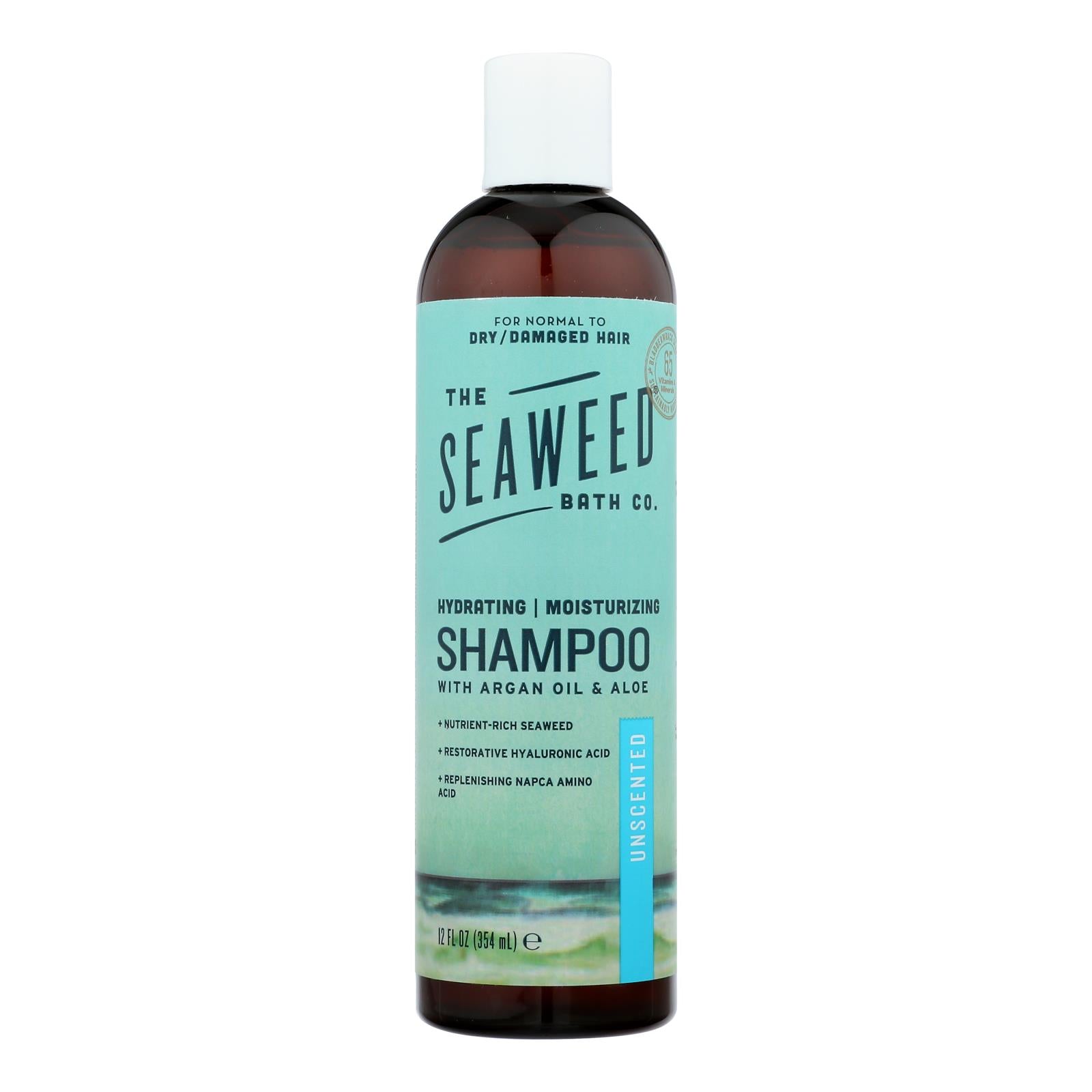
Consider The Seaweed Bath Co. Shampoo, which combines seaweed extract with plant-based cleansers to gently cleanse while maintaining scalp moisture balance. The formula nourishes hair without harsh chemicals that can further stress delicate, thinning hair.

Alternatively, Avalon Organics Lavender Nourishing Shampoo offers organic cleansing with lavender's calming properties. Many men find that the soothing aromatics reduce stress-related hair loss while the gentle formula maintains scalp health.
Addressing Dandruff and Scalp Issues
A healthy scalp creates the optimal environment for hair growth. If you're struggling with dandruff or scalp irritation, Dynarex Dandruff Shampoo provides targeted relief. Dandruff can interfere with hair growth and create an uncomfortable environment for follicle function.

Use dandruff-fighting shampoos 2-3 times per week, alternating with your regular moisturizing shampoo. This prevents over-drying while still addressing scalp issues.
Premium Hair Care Options
For a comprehensive approach, explore Giovanni Hair Care Shampoo with Pineapple and Ginger. This formula combines natural botanical extracts that support scalp circulation and hair strength. The invigorating blend helps create an environment where hair can thrive.
Nutrition and Internal Support for Hair Health
Essential Nutrients for Hair Growth
Hair health starts from within. Your hair follicles require specific nutrients to function optimally. Key nutrients for hair health include:
Biotin (Vitamin B7): Strengthens hair keratin, reducing breakage and supporting thickness. Deficiency can cause hair loss.
Iron: Essential for oxygen transport to hair follicles. Iron-deficiency anemia is a known cause of hair loss in both men and women.
Zinc: Supports DNA and RNA polymerase, enzymes necessary for hair growth. Zinc deficiency has been linked to hair loss.
Vitamin D: Plays a role in hair follicle cycling. Low vitamin D levels correlate with increased hair loss.
Protein: Hair is primarily composed of protein. Adequate protein intake supports the structural integrity of hair.
Omega-3 Fatty Acids: Support scalp health and reduce inflammation, creating a healthier environment for hair growth.
Building Your Hair Health Regimen
Create a comprehensive internal and external approach to hair loss. Start with a balanced diet rich in protein, healthy fats, and the nutrients mentioned above. Consider browsing our vitamins collection for targeted supplements to support your hair health alongside topical treatments.
When you combine proper nutrition with targeted treatments like minoxidil or finasteride, you create the optimal environment for hair regrowth. This holistic approach addresses both the external factors (scalp health, follicle stimulation) and internal factors (nutritional support, hormone balance).
Treatment Comparison: Which Option Is Right for You?
Understanding how different treatments compare helps you make an informed decision about your hair loss approach:
| Treatment | How It Works | Timeline | Cost Range | Maintenance |
|---|---|---|---|---|
| Minoxidil (Rogaine) | Topical stimulant; increases blood flow | 3-4 months visible results | $20-40/month | Twice daily application required |
| Finasteride (Propecia) | Oral DHT blocker; hormonal | 3-6 months visible results | $30-70/month | Daily pill; requires prescription |
| Biotin Supplements | Nutritional support; strengthens hair | 3-6 months visible results | $8-20/month | Daily supplement; no prescription |
| PRP Therapy | Growth factors; regenerative approach | 6-12 months for full results | $1,000-3,000+ per cycle | Multiple treatments; professional |
| Hair Transplant | Surgical; permanent follicle relocation | 6-12 months to mature | $4,000-15,000+ | Minimal; one-time procedure |
When to See a Doctor About Hair Loss
Not all hair loss is male pattern baldness. Some hair loss indicates underlying health conditions that require medical attention. Schedule an appointment with a dermatologist or healthcare provider if you experience:
- Sudden, rapid hair loss
- Hair loss accompanied by scalp pain or burning
- Bald patches (alopecia areata)
- Hair loss across your entire body, not just the scalp
- Hair loss following significant stress or illness
- Family history of early hair loss
- Symptoms suggesting nutritional deficiency (fatigue, weakness)
A healthcare provider can rule out conditions like thyroid disease, anemia, nutritional deficiencies, or autoimmune disorders that may cause hair loss.
AllCare Store's Complete Hair Loss Solution
At AllCare Store, we understand the emotional impact of hair loss. That's why we've curated a comprehensive selection of hair care products, supplements, and personal care items to support your journey. Browse our complete hair care collection and personal care products designed to support healthy hair growth.
Our commitment includes:
- Free Shipping: On orders of qualifying amounts—because your hair health shouldn't break the bank
- Discreet Packaging: We respect your privacy. All orders arrive in unmarked, discreet packaging
- 30-Day Returns: Completely satisfied guarantee. If you're not seeing results or aren't happy with your purchase, return it within 30 days for a full refund
For questions about our products or personalized recommendations, call us at 1-888-889-6260. Our knowledgeable team is ready to help you find the right solutions for your hair loss journey.
The Emotional Impact of Hair Loss in Men
What often goes unspoken is the profound emotional toll that hair loss takes on men. Society may joke about balding, but for the men experiencing it, the impact on self-esteem, confidence, and even mental health can be significant. Research published in the Journal of the American Academy of Dermatology has shown that men with hair loss report higher levels of anxiety, social withdrawal, and decreased confidence in professional settings.
Understanding that these feelings are normal — and that effective solutions exist — is an important first step. Hair loss doesn't define you, and addressing it proactively can make a meaningful difference in how you feel about yourself. Whether you choose aggressive treatment or simply want to optimize the hair you have, the key is taking action rather than letting frustration build.
Hair Loss Myths vs. Facts
Before exploring treatments, it's important to separate myth from reality. Many men delay treatment because of misconceptions that lead them to believe nothing can be done. Here are some common myths debunked:
Myth: Hair loss comes only from your mother's side of the family. Fact: While the X chromosome (from your mother) carries a key hair loss gene, hair loss genetics involve multiple genes from both parents. Your father's hair loss pattern is also relevant.
Myth: Wearing hats causes hair loss. Fact: Hats do not cause hair loss. Hair follicles receive blood supply from beneath the scalp, and wearing a hat doesn't restrict this blood flow. However, very tight hats worn for extended periods could potentially cause traction alopecia in rare cases.
Myth: Frequent shampooing accelerates hair loss. Fact: Washing your hair doesn't cause hair loss. The hairs you see in the shower drain were already in the shedding phase of their growth cycle. In fact, keeping your scalp clean with quality shampoos from AllCare Store's hair care collection can actually create a healthier environment for hair growth.
Myth: Only older men experience hair loss. Fact: Male pattern baldness can begin as early as the late teens or early twenties. Approximately 25% of men who experience male pattern baldness begin the process before age 21.
Building a Complete Hair Health Routine
Morning Routine
Start your day with a gentle scalp massage using your fingertips — this stimulates blood flow to the hair follicles and takes just two to three minutes. Follow with a nourishing shampoo like the Seaweed Bath Co. Moisturizing Shampoo, which hydrates without stripping natural oils. Take your biotin supplement with breakfast for optimal absorption.
Evening Routine
If using topical minoxidil, apply it to a clean, dry scalp before bed. This gives the solution maximum contact time with your follicles overnight. Consider using a silk or satin pillowcase, which creates less friction on your hair compared to cotton. This simple change can reduce breakage and help maintain hair that is already thinning or fragile.
Weekly Care
Once a week, use a deep conditioning treatment or scalp exfoliation to remove product buildup and dead skin cells that can clog follicles. A healthy scalp environment is essential for optimal hair growth. Consider alternating your daily shampoo with a targeted product like Dynarex Dandruff Shampoo if you experience any flaking or itching, as scalp inflammation can worsen hair loss.
Frequently Asked Questions About Men's Hair Loss
How much hair loss is normal?
It's normal to lose 50-100 hairs daily as part of the natural hair growth cycle. If you're noticing significantly more hair in the shower or on your pillow, or if your part is widening, consult a healthcare provider.
Can stress cause permanent hair loss?
Stress can trigger telogen effluvium, a temporary condition causing increased shedding. However, this is usually reversible once stress decreases. Male pattern baldness, on the other hand, is permanent without treatment and is not caused by stress.
Is hair loss hereditary?
Yes, male pattern baldness is heavily influenced by genetics. If your father, grandfather, or other male relatives experienced hair loss, your risk increases. However, genetics isn't destiny—many people with family history never experience significant hair loss, and some men with no family history do.
Can I combine minoxidil and finasteride?
Yes, many dermatologists recommend combining these treatments as they work through different mechanisms. Minoxidil stimulates hair growth topically, while finasteride addresses hormonal factors. Combined, they may produce better results than either alone. Always consult your healthcare provider before combining treatments.
How long should I use hair loss treatments before deciding if they work?
Most hair loss treatments require 3-6 months of consistent use before you see noticeable results. The hair growth cycle takes time, and expecting changes in weeks will only lead to frustration. Give treatments at least 6 months before evaluating effectiveness.
Can women use minoxidil or finasteride?
Women can use minoxidil topically for female pattern hair loss. However, finasteride is not recommended for women and can cause birth defects in male fetuses. Women experiencing hair loss should see a dermatologist for appropriate treatment options.
What if hair loss treatments don't work for me?
Not everyone responds to standard treatments. If you don't see results after 12 months of consistent use, discuss other options with your dermatologist. Options include different treatment combinations, PRP therapy, or considering hair transplantation. Learn more about biotin and hair growth as a complementary approach.
Are there natural remedies for hair loss?
While certain supplements like biotin support hair health, no natural remedy has been clinically proven to be as effective as minoxidil or finasteride for male pattern baldness. However, natural approaches can complement medical treatments. Focus on nutrition, stress management, scalp health, and proven supplements as part of a comprehensive approach.
Your Action Plan: Taking Control of Hair Loss
Week 1-2: Assessment and Learning
Determine your current level of hair loss using the Norwood scale. Take progress photos from consistent angles and lighting—you'll want to track changes over time. Schedule a dermatology consultation to rule out other causes and discuss treatment options.
Week 3-4: Beginning Your Regimen
Start your chosen treatment protocol. Whether you're beginning minoxidil, finasteride, biotin supplementation, or a combination approach, consistency is key. Set reminders on your phone to ensure you don't miss doses or applications.
Month 2-3: Scalp Care Optimization
Evaluate and optimize your shampoo and scalp care routine. If you're not using a gentle, nourishing shampoo like our hair care collection, switch now. Introduce any scalp treatments your dermatologist recommended.
Month 4+: Monitoring and Adjustment
By month 4, you should be starting to see results with most treatments. If you're not noticing improvement, discuss adjustments with your dermatologist. This might mean adding a complementary treatment or adjusting dosages.
Months 6-12: Long-term Commitment
Understand that hair loss treatment is often a long-term commitment. Most treatments require ongoing use to maintain results. Celebrate small victories—stopping hair loss is a victory worth acknowledging, even before regrowth becomes obvious.
Conclusion: Hope for Hair, Hope for Confidence
Remember David from the beginning of this guide? Six months after starting treatment, he noticed his hairline was no longer receding. His barber mentioned his hair was getting thicker. By month nine, new baby hairs were visible around his hairline. More importantly, David stopped wearing baseball caps indoors. He accepted social invitations. He looked in mirrors without wincing.
David's journey demonstrates a critical truth: male pattern baldness is treatable. You have options. Whether you choose the daily application of minoxidil, the proven effectiveness of finasteride, the nutritional support of biotin, or a combination approach, action is available to you.
The most important step is taking action today. Don't spend years watching hair loss progress as David initially did. Consult with a healthcare provider, choose your treatment path, and commit to consistent use. Results take time, but they do come.
Visit AllCare Store to explore our complete selection of hair care products, supplements, and personal care items designed to support your hair health. Call us at 1-888-889-6260 for personalized product recommendations. Our team is ready to support you on your journey toward reclaiming your confidence and your hair.
Your hair loss story doesn't have to define you. But treating it actively can redefine your future. Start today.