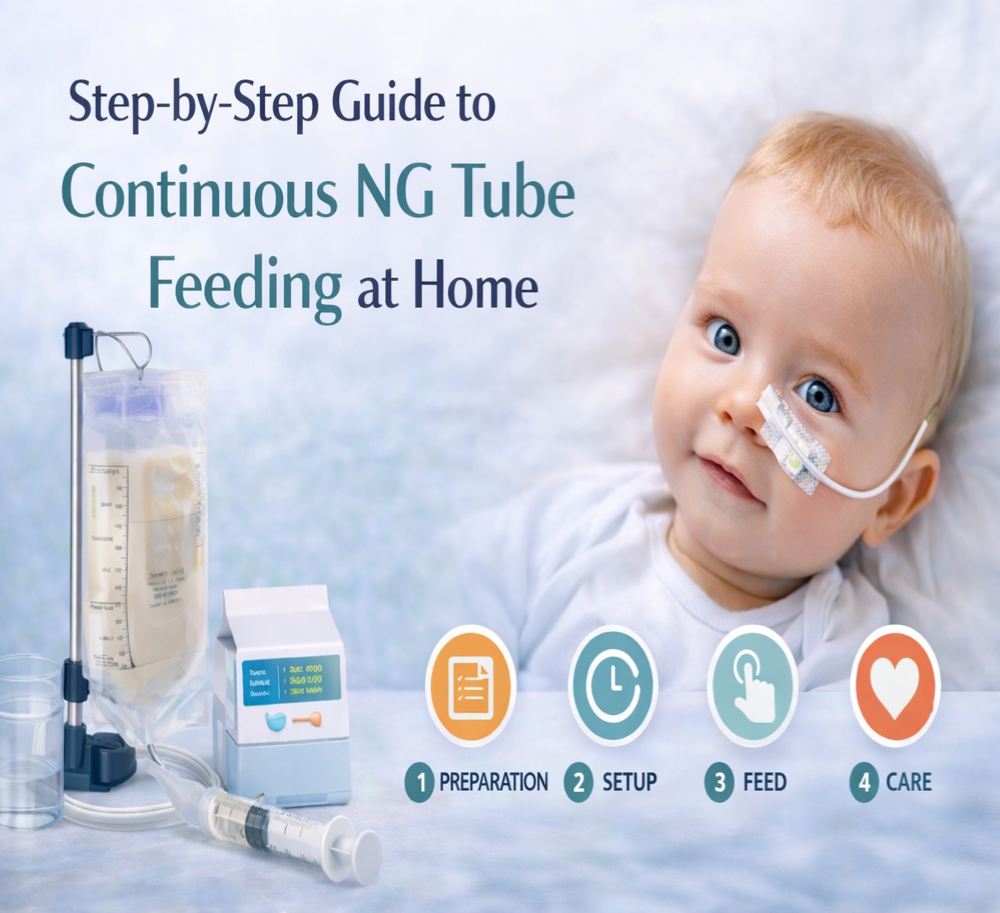
Caring for a toddler who needs tube feeding can seem daunting in the beginning. Many dads and moms are uncertain or even a little apprehensive when they first find out about tube feeding. If your baby has been given a nasogastric (NG) tube for non-stop feeding, it is absolutely normal to have questions. The right news is that with proper information and a habit, the procedure becomes much less difficult and more comfortable over the years.
This guide will assist you in recognising a way to adequately feed your toddler via a continuous NG tube at home in a simple, supportive way.
Understanding NG Tube Feeding

An NG tube, or nasogastric tube, is a thin, flexible tube that goes through your child's nose into the belly. It's used to deliver nutrition, liquids, and sometimes medications when a baby cannot consume sufficient by mouth. This kind of feeding is often used for brief-term aid during illness or recovery, but some babies may also need it long-term.
The continuous feeding method, which is delivered slowly over an extended time period, involves the use of a feeding pump. Instead of giving massive amounts without delay, nutrients are continuously passed into your infant's belly. This approach is frequently simpler for the digestive device and allows for reduced discomfort.
Key benefits of continuous feeding:
- Gentle on the stomach
- Reduces the risk of vomiting
- Provides steady nutrition
- Helps with better tolerance
Why Continuous Feeding Is Recommended for Some Children
Continuous NG tube feeding is often chosen because it's far milder and more common. Some toddlers have touchy stomachs or conditions that make it tough to tolerate common feedings. In these cases, giving smaller quantities over an extended period of time can assist save you from vomiting, bloating, or reflux.
It is likewise generally used when an infant wishes ordinary vitamins throughout the day or night. Your healthcare provider will decide if this approach is quality, primarily based on your child's medical situation and nutritional needs.
Common reasons doctors recommend it:
- Digestive sensitivity
- Reflux issues
- Poor weight gain
- Recovery from illness
Getting Ready Before You Start

Before beginning a feeding consultation, it is essential to have everything ready in a smooth and snug area. Always start by thoroughly washing your hands with cleaning soap and water, or using hand sanitiser. This helps prevent contamination and keeps the feeding technique secure.
Once your hands are clean, acquire all of the necessary supplies. This usually includes the formula, feeding pump, feeding bag, tubing, syringe, and easy water. Having everything ready before you begin will make the method less difficult and less worrying.
Basic supplies checklist:
- Feeding formula
- Feeding pump
- Feeding bag
- Tubing
- Syringe
- Clean water
Checking the Tube Placement
Before starting any feeding, you need to make sure the NG tube is in the correct place. This is one of the most important safety steps. Your healthcare provider will teach you how to check the placement, which may involve using a syringe or checking the length of the tube.
If anything feels strange or you are unsure about the placement, do not start feeding. Always contact your healthcare provider for guidance.
Never skip this step because:
- It prevents feeding into the lungs
- Ensures safe nutrition delivery
- Reduces risk of complications
Preparing and Starting the Feeding

After making sure the tube is in the region, you could put together the formula. Check the expiration date and make sure the components have been stored well. Pour the recommended amount into the feeding bag and seal it.
Next, set up the feeding pump consistent with the commands. The tubing must be positioned correctly inside the pump, and the formulation has to be allowed to flow through the tubing to remove air. This step is called priming and helps prevent air from coming into your baby's belly.
Before connecting the feeding, gently flush the tube with water using a syringe. This maintains the tube clean and geared up for feeding.
Once the entirety is ready, join the feeding bag tubing to the NG tube, switch on the pump, and set the advocated feeding rate. The pump will then start to deliver the formula slowly and step by step.
Important reminders during setup:
- Remove air from the tubing
- Use the correct feeding rate
- Keep connections tight
- Follow the pump instructions carefully
Keeping Your Baby Comfortable While Feeding

It's critical to put your toddler successfully at some stage in feedings. Your child must be sitting upright, or their head should be elevated at least 30 degrees. Maintain this position during and for some time afterwards.
Keeping your infant upright prevents formula from getting into the airway and decreases the threat of discomfort or reflux. Even if your toddler is asleep for the duration of feedings, make sure their head remains elevated.
Best positioning tips:
- Keep your head elevated
- Avoid a flat position
- Support your neck properly
- Keep the baby calm and relaxed
Monitoring During Feeding
It's essential to display your infant for the duration of feedings. Watch for signs and symptoms of comfort or discomfort. Some babies may also show signs and symptoms of irritability, bloating, or nausea if something isn't always proper.
You should additionally test the pump to make sure it's jogging well. If the pump alarm sounds, it is able to be due to a blockage, an empty bag, or bent tubing. Most of those troubles can be quickly corrected once identified.
Watch for warning signs:
- Crying or discomfort
- Vomiting
- Bloating
- Pump alarms
After the Feeding Is Over
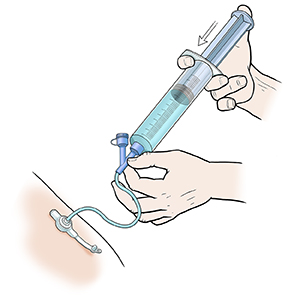
After feeding is complete, the pump should be turned off and the tubing carefully disconnected. Then, the NG tube should be flushed again with water. This step helps clear any remaining formula and prevents clogging.
Next, securely close the tube and ensure your baby is comfortable. Cleaning the feeding equipment is also an important part of this process. The feeding bag and syringe should be washed and allowed to air dry.
Post-feeding care includes:
- Flushing the tube
- Cleaning supplies
- Checking baby comfort
- Securing the tube
Maintaining Cleanliness and Routine
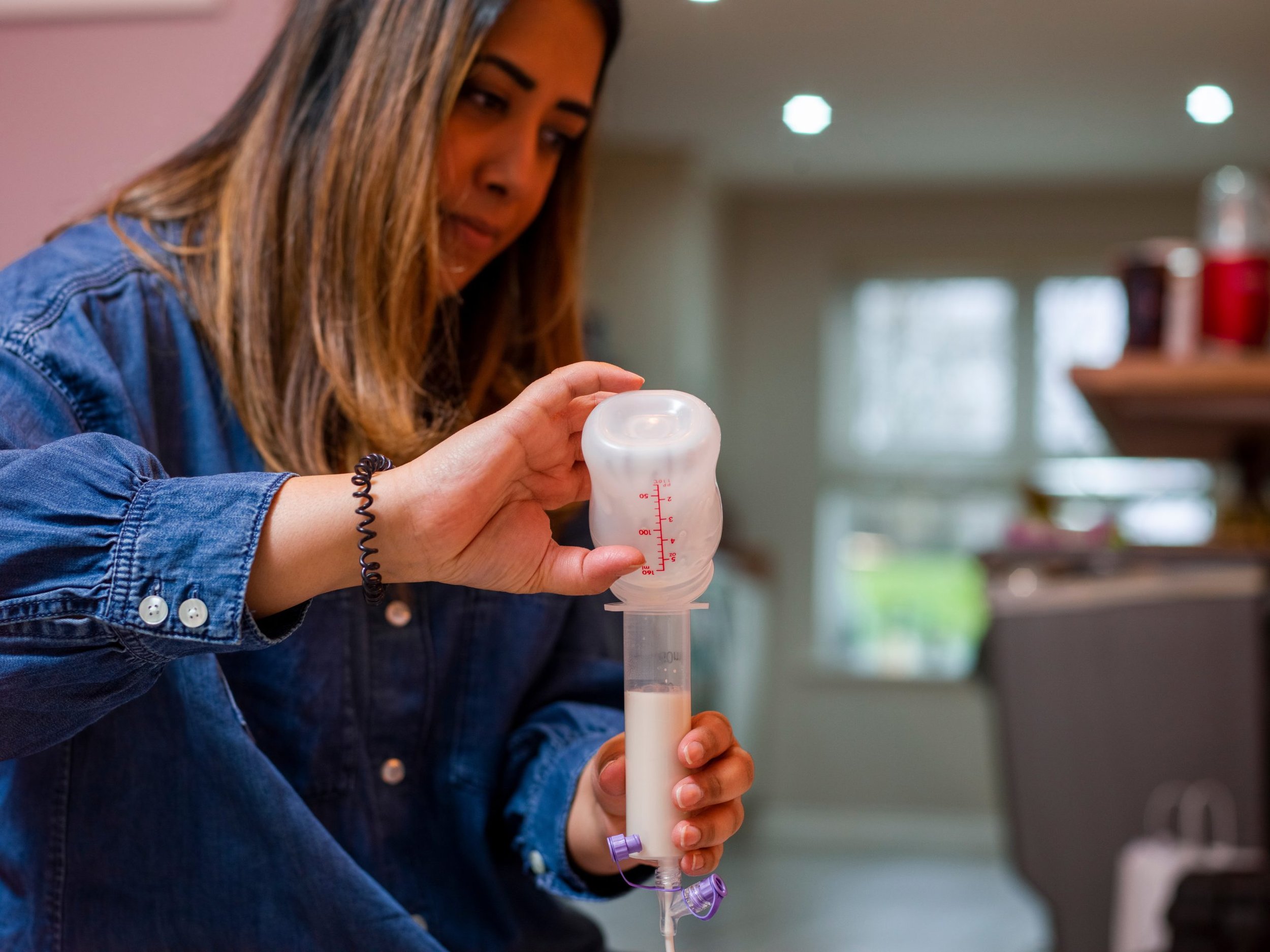
Keeping feeding supplies clean is essential for your baby's safety. Feeding bags should be changed regularly, and syringes should not be used for extended periods. Following a daily routine for feeding and cleaning reduces stress and ensures everything runs smoothly.
Over time, these steps will become a natural part of your daily routine.
Hygiene tips:
- Wash your hands before every feed
- Change bags regularly
- Use clean water
- Air-dry supplies
Dealing with Common Challenges

Sometimes, you may come across minor demanding situations even as managing NG tube feedings. For example, the tube can also grow to be clogged. In such instances, flushing with warm water can often help. If your infant seems uneasy or shows signs of vomiting, you may need to alter the feeding speed.
Pump alarms are also common and are easy to correct after you understand the reason. Staying calm and following the steps you've learned will help you control these conditions successfully.
Quick solutions:
- Flush for clogs
- Check tubing for kinks
- Adjust feeding rate if needed
- Restart the pump properly
Supporting Yourself as a Caregiver
Caring for a kid with an NG tube can be emotionally hard. It's essential to keep in mind that you're now not by myself. Many dads and moms go through this identical experience and learn to manipulate it effectively.
Give yourself time to alter, and don't hesitate to ask for assistance if wished. Practice will construct your self-belief, and the procedure will experience plenty less difficulty.
Remember:
- It gets easier with time
- You are doing your best
- Support is always available
When to Contact Your Healthcare Provider
There are certain situations in which you have to contact your healthcare company without delay. If your infant has trouble breathing, vomits repeatedly, has a fever, or shows signs and symptoms of dehydration, it is important to are trying to find clinical advice. You should also be looking for help if the tube comes out or you are uncertain about its location.
As a parent, trust your instincts. If something is not experienced correctly, it is always better to ask.
Call your provider if:
- Breathing issues
- Fever
- Continuous vomiting
- Tube displacement
Final Thoughts
Learning to feed your infant continually with an NG tube can also seem daunting at the beginning, but with time and practice, it becomes less complicated. By following the proper steps, keeping hygiene, and prioritising your baby's comfort, you can provide secure and powerful vitamins at home.
For households in the United States, getting access to reliable feeding supplies could make a large difference. Trusted medical providers like All Care Store provide a wide range of feeding pumps, NG tube supplies, and nutrient products, supporting moms and dads to manage their child's care with confidence and peace of mind.
FAQs
What is continuous NG tube feeding?
Continuous NG tube feeding is a method in which liquid nutrients are delivered slowly through a pump over several hours, making it less complicated for children to tolerate.
Is continuous feeding safe for a toddler?
Yes, it's miles secure when done correctly and under the supervision of a healthcare company, with proper monitoring and hygiene.
Can my toddler sleep through feeding?
Yes, toddlers can sleep at some point during feeding, but their head must remain expanded to prevent discomfort or complications.
How do I realise the tube is positioned successfully?
Your healthcare company will train you how to test placement properly before every feeding.
What should I do if the tube gets blocked?
Flushing the tube with warm water often facilitates clear minor blockages. Contact your provider if it's not clean.