Medical Disclaimer: This article is for informational purposes only. Essential oils are not regulated by the FDA and are not intended to diagnose, treat, cure, or prevent any disease. While aromatherapy has been used traditionally for relaxation and wellness, these products should not replace professional medical treatment. Always consult with a healthcare provider before using essential oils, especially if you are pregnant, nursing, taking medications, or have existing health conditions. Some essential oils can be toxic if ingested. Never apply undiluted essential oils directly to skin. Keep essential oils out of reach of children and pets.
Essential Oils for Relaxation: The Complete Aromatherapy Guide to Stress Relief & Better Sleep
Eleanor's Story: Finding Peace in the Chaos
Eleanor is 62 years old, a retired marketing executive who spent three decades managing high-pressure campaigns and demanding teams. For most of her career, stress was just part of the job—the late-night meetings, the impossible deadlines, the constant need to stay sharp and focused. But retirement, she thought, would finally bring the peace she'd been chasing.
It didn't.
Instead, Eleanor found herself lying awake at 3 AM, her mind racing with worries about finances, her health, her grandchildren's futures. During the day, she felt anxious and tense, unable to relax even when doing activities she loved. Her shoulders were perpetually knotted, her jaw clenched. She tried meditation apps, yoga, even sleeping pills, but nothing seemed to stick. The pills left her groggy, the meditation felt forced, and the anxiety always returned.
Then, during a visit with her daughter Sarah, Eleanor noticed something different about her home—it smelled amazing. Sarah mentioned she'd been experimenting with essential oils and aromatherapy. "Just try it," Sarah said, handing her a small bottle of lavender oil and a diffuser.
Eleanor was skeptical. But something shifted that first night. As the lavender scent filled her bedroom, she felt something releasing—not magically, but gradually. Her shoulders softened. Her breathing deepened. For the first time in months, she slept through the night.
That's when Eleanor discovered what millions of others already knew: essential oils and aromatherapy aren't just pleasant-smelling luxuries—they're powerful tools for relaxation, stress relief, and better sleep. And in this guide, we're going to show you exactly how to use them to transform your own wellness journey.
Understanding Aromatherapy: What Are Essential Oils?
Essential oils are concentrated plant extracts derived from flowers, leaves, stems, bark, and roots. Through methods like steam distillation and cold pressing, these oils capture the essence and therapeutic compounds of plants in highly concentrated form. When we talk about essential oils for relaxation, we're referring to these powerful botanical concentrates that have been used in wellness practices for thousands of years.
The beauty of aromatherapy lies in its simplicity: the aromatic molecules from these oils can directly affect your nervous system, triggering relaxation responses in your brain within minutes. Unlike some wellness approaches that take weeks to show results, many people experience the calming effects of essential oils almost immediately.

The Science Behind Aromatherapy and Relaxation
You might wonder: how can a scent actually make you feel more relaxed? The answer lies in the olfactory system—the part of your brain connected to smell. When you inhale essential oil molecules, they travel through your nasal passages to the olfactory bulb, which is directly connected to your limbic system. This is the part of your brain that controls emotions, memory, and stress responses.
When the right essential oils reach your limbic system, they can:
- Reduce cortisol (your body's primary stress hormone)
- Lower heart rate and blood pressure
- Activate the parasympathetic nervous system (your "rest and digest" mode)
- Promote the production of serotonin and other calming neurotransmitters
- Improve sleep quality and duration
- Reduce anxiety and promote mental clarity
This isn't just anecdotal—numerous research studies have demonstrated the effectiveness of aromatherapy for stress relief and relaxation. Studies published in medical journals have shown that inhaling certain essential oils can significantly reduce anxiety markers, improve sleep onset, and enhance overall emotional well-being.
Top Essential Oils for Relaxation: Your Complete Reference Guide
1. Lavender Essential Oil—The Universal Relaxant
If there's one essential oil that deserves the title of "relaxation champion," it's lavender. Lavender essential oil is the most researched and most versatile oil for stress relief. With its sweet, floral aroma, lavender works by balancing your nervous system—not overstimulating it, but gently guiding it toward calm.
Lavender is particularly effective for:
- Sleep improvement: Inhaling lavender before bed can help you fall asleep faster and achieve deeper rest
- Anxiety reduction: Whether you're dealing with situational anxiety or chronic worry, lavender helps quiet a racing mind
- Stress relief: The calming properties of lavender make it ideal for unwinding after stressful days
- Muscle tension: Lavender can help relax tense shoulders and tight muscles when applied topically (always diluted)
2. Chamomile Essential Oil—The Gentle Soother
Chamomile has been used in tea for centuries to promote relaxation, but the essential oil offers concentrated benefits. Chamomile is particularly gentle, making it suitable even for sensitive individuals. It's especially useful if you experience racing thoughts or emotional turbulence.
Best uses for chamomile:
- Evening diffusion to prepare your mind for sleep
- Emotional support during stressful life events
- Creating a calming atmosphere for meditation or yoga
- Combination with other oils for enhanced relaxation
3. Eucalyptus Essential Oil—The Stress-Clearing Refresher
While lavender is soft and floral, eucalyptus brings a cool, clarifying energy. Eucalyptus doesn't just relax you—it also clears mental fog and helps reset your nervous system. It's excellent if stress manifests as mental clutter or an inability to focus.
Use eucalyptus for:
- Clearing anxious thoughts and mental chatter
- Energizing relaxation (when you need calm but also mental clarity)
- Respiratory support alongside relaxation
- A fresh, invigorating atmosphere during work or study
4. Peppermint Essential Oil—The Tension Reliever
Peppermint has a cooling, invigorating quality that makes it unique among relaxation oils. While other oils might put you to sleep, peppermint helps you relax while maintaining alertness—perfect for daytime stress management. It's also excellent for tension headaches that accompany stress.
Peppermint excels at:
- Relieving tension headaches and neck tightness
- Mental focus and clarity (relaxation without sedation)
- Digestive calm (stress often manifests as stomach tension)
- Daytime stress relief when you need to remain productive
5. Frankincense Essential Oil—The Meditative Oil
Frankincense has been valued for spiritual and meditative practices for millennia. Its warm, woody aroma creates a sense of grounding and presence. If you practice meditation or yoga, frankincense is the oil for you.
Frankincense is ideal for:
- Deepening meditation and mindfulness practices
- Spiritual connection and inner peace
- Grounding when you feel scattered or overwhelmed
- Creating sacred space and peaceful environments
6. Ylang Ylang Essential Oil—The Mood Balancer
Ylang ylang brings a luxurious, exotic quality to relaxation. It's particularly helpful if stress is accompanied by mood imbalance or emotional sensitivity. The oil has a naturally uplifting quality while still promoting deep relaxation.
Ylang ylang supports:
- Emotional balance and mood support
- Luxury relaxation experiences (spa-like calm)
- Combination with other oils for enhanced effectiveness
- Self-care and pampering rituals
How to Use Essential Oils for Maximum Relaxation Benefits
Method 1: Diffusion (The Most Popular Way)
Diffusing essential oils is the easiest and most effective method for experiencing aromatherapy benefits. There are several types of diffusers:
Ultrasonic Diffusers: These use vibrations to create a fine mist of essential oils mixed with water. They're popular because they also add humidity to the air and run quietly. A typical session lasts 3-4 hours, making them perfect for bedtime or afternoon relaxation.
Nebulizing Diffusers: These diffuse pure essential oil without water, creating a more concentrated aroma. They're more powerful and work well for larger spaces, though they can be pricey.
Passive Diffusers: These include reed diffusers and ceramic diffusers that don't require electricity. They're great for offices, closets, or any space where you want continuous, subtle diffusion.
Best practice for diffusion: Use 3-5 drops of essential oil per 100ml of water in your diffuser. Run for 20-30 minutes, then take a break. This prevents olfactory adaptation (where you stop noticing the scent) and is more economical.
Method 2: Topical Application (Diluted and Safe)
IMPORTANT: Never apply essential oils directly to your skin undiluted. Always dilute with a carrier oil first. Popular carrier oils include coconut oil, jojoba oil, sweet almond oil, and vitamin E oil.
Safe dilution ratio: A standard "2% dilution" is 12 drops of essential oil per 1 ounce (30ml) of carrier oil. For sensitive skin, use a 1% dilution (6 drops per ounce).
Application points for relaxation:
- Pulse points: Wrists, neck, inside elbows—the warmth here helps release the aroma
- Temples: For stress relief and mental clarity (dilute carefully, avoid eyes)
- Chest: For heart-centered calm and emotional support
- Feet: The bottoms of your feet absorb oils beautifully for whole-body relaxation
- Shoulders and neck: Where tension often accumulates
Method 3: Inhalation (The Quick Reset)
Sometimes you need instant calm—before a stressful meeting, during an anxiety spike, or when you can't access a diffuser. Direct inhalation offers fast relief:
- Bottle method: Open the oil bottle and inhale directly for 2-3 minutes
- Tissue method: Put 2-3 drops on a tissue and breathe in throughout the day
- Steam inhalation: Add 3-4 drops to hot water, place a towel over your head, and inhale steam for 5-10 minutes
Essential Oils and Sleep: Your Natural Sleep Solution
One of the most transformative uses for essential oils is improving sleep quality. If you're like Eleanor from our opening story—lying awake at night, your mind racing—essential oils might be the solution you've been seeking.

Your Bedtime Essential Oil Routine
30 minutes before bed: Start diffusing lavender and chamomile (mix 3 drops each). The gentle aroma will begin signaling to your body that it's time to wind down.
15 minutes before bed: Apply diluted lavender oil to your pulse points, neck, and feet. The ritual of this self-care practice itself is calming.
As you lie down: Continue diffusing, or keep a tissue with a drop or two of lavender on your nightstand. This creates a consistent aromatic environment throughout the night.
If you wake during the night: Keep a bottle of lavender nearby for quick inhalation to return to calm.
When combined with other sleep-supporting practices, essential oils become even more powerful. Consider pairing them with melatonin for better sleep, weighted blankets for anxiety, and reviewing our complete guide to sleep aids for insomnia.
Essential Oils for Anxiety and Stress Relief
While sleep is one application, many people use essential oils throughout the day for anxiety and stress management. Whether you're dealing with work stress, family challenges, or general anxiety, aromatherapy offers a natural, portable solution.
The Stress-Relief Blend
Mix 5 drops lavender, 3 drops eucalyptus, and 2 drops frankincense in your diffuser. This combination addresses multiple aspects of stress: lavender calms the nervous system, eucalyptus clears mental fog, and frankincense promotes grounding. Diffuse whenever stress levels rise.
The Anxiety-Release Blend
Combine 4 drops chamomile, 3 drops lavender, and 2 drops ylang ylang. This is your "peace blend"—it addresses anxious thoughts, emotional turbulence, and nervous tension simultaneously. Keep this blend running during challenging days.
The Daytime Calm Blend
If you need relaxation without sedation, mix 3 drops peppermint, 3 drops eucalyptus, and 2 drops lemon. This keeps you alert while reducing the physical symptoms of stress—tension, jaw clenching, and racing thoughts.
Creating Your Essential Oil Routine: A Practical Framework
Morning (Energizing Clarity)
Start your day with mental clarity and calm focus. Diffuse 2 drops eucalyptus and 1 drop lemon while you have your morning beverage. Or apply diluted peppermint to your temples for an invigorating mental reset.
Afternoon (Stress Prevention)
Around 2-3 PM, when stress often peaks, take a 5-minute break. Inhale from the bottle of your chosen oil (lavender, chamomile, or frankincense) or apply diluted oil to your wrists. This simple pause resets your nervous system before the stress accumulates.
Evening (Transition to Rest)
An hour before dinner, start diffusing calming oils. This signals to your body that the day is winding down. Lavender, chamomile, or a blend of both works beautifully.
Bedtime (Sleep Preparation)
Execute the full bedtime routine described earlier. The consistency of this ritual becomes as calming as the oils themselves.
Essential Oils Comparison Chart
| Essential Oil | Primary Benefits | Best For | Scent Profile | Potency |
|---|---|---|---|---|
| Lavender | Sleep, anxiety, stress relief, muscle tension | All-day use, especially bedtime | Sweet, floral | Gentle-Medium |
| Chamomile | Emotional calm, sleep prep, soothing | Sensitive individuals, evening use | Light, apple-like | Very Gentle |
| Eucalyptus | Mental clarity, stress reset, breathing support | Daytime, work environment | Cool, minty, crisp | Medium-Strong |
| Peppermint | Tension headaches, focus, digestive calm | Daytime stress, afternoon slump | Fresh, minty, energizing | Medium-Strong |
| Frankincense | Grounding, meditation, presence | Meditation, yoga, spiritual practice | Warm, woody, earthy | Medium |
| Ylang Ylang | Mood balance, luxury relaxation, emotional support | Evening pampering, emotional wellness | Sweet, exotic, floral | Medium |
Combining Essential Oils with Other Wellness Approaches
While essential oils are powerful on their own, they're most effective when combined with a comprehensive approach to wellness. Think of essential oils as the aromatic layer of a multi-layered wellness practice.
Essential Oils + Meditation
Pairing aromatherapy with meditation amplifies benefits. Frankincense or lavender during your meditation practice deepens focus and presence. The scent becomes an anchor for your attention, making it easier to maintain mindfulness.
Essential Oils + Yoga
Diffuse oils during yoga practice. Lavender and chamomile support gentle, restorative yoga. Eucalyptus and peppermint energize vinyasa or power yoga. The aroma becomes part of the mind-body integration.
Essential Oils + Sleep Hygiene
Combine aromatherapy with proper sleep hygiene: cool, dark room, consistent bedtime, no screens 30 minutes before sleep. The oils enhance and support these foundational practices.
Essential Oils + Nutrition
Support your nervous system health with quality nutrition from AllCare Store's vitamin and supplement collection. B vitamins, magnesium, and adaptogens all support the calming effects of essential oils.
Essential Oils + Topical Care
Many of our customers love combining essential oils with quality personal care products. For example, pair your lavender oil routine with Avalon Organics Lavender Shampoo for a cohesive, multi-sensory relaxation experience throughout your day.
Safety Guidelines and Best Practices
Precautions for Safe Essential Oil Use
- Never ingest essential oils unless specifically guided by a qualified healthcare practitioner. Most oils are toxic if swallowed.
- Always dilute before topical application. A 2% dilution is safe for most people; 1% for sensitive skin.
- Perform a patch test before applying a new oil to skin. Apply diluted oil to inner elbow, wait 24 hours, and look for reaction.
- Avoid eyes, ears, and sensitive areas. If oil gets in eyes, flush with carrier oil (not water) immediately.
- Keep away from children and pets. Essential oils can be toxic to animals, and dosing for children is different than adults.
- Use quality oils from reputable sources. Not all "essential oils" are created equal. Ensure you're purchasing therapeutic-grade, pure oils.
- Start slowly. Begin with single oils before blending. Some people are sensitive to certain oils.
- Don't use while pregnant or nursing without explicit approval from your healthcare provider. Some oils can affect pregnancy.
Photosensitivity Considerations
Some oils, particularly citrus oils, can cause photosensitivity—increased sun sensitivity that leads to burns or discoloration. If you apply citrus oils topically, avoid sun exposure for 12+ hours. When in doubt, use citrus oils only in diffusers or after sunset.
Your AllCare Store Advantage: Premium Essential Oils
At AllCare Store, we're dedicated to providing the highest-quality essential oils and wellness products. Here's what sets us apart:
Quality Assurance
Every essential oil we offer is therapeutic-grade, pure, and sourced from reputable producers. We test for purity and potency to ensure you're getting genuine essential oils that actually work.
Expert Selection
Our personal care collection includes premium essential oils and aromatherapy products specifically chosen for their relaxation and wellness benefits.
Customer Benefits
- Free Shipping: On most orders, so you can stock up on your favorite relaxation oils without extra cost
- Discreet Packaging: Your wellness products arrive in unmarked, discreet packaging for your privacy
- 30-Day Returns: If you're not completely satisfied with any product, return it within 30 days for a full refund—no questions asked
Expert Support
Have questions about essential oils or need guidance on blending? Our knowledgeable customer service team is here to help. Call us at 1-888-889-6260 for personalized recommendations based on your unique needs.
Frequently Asked Questions About Essential Oils and Relaxation
Q1: How quickly do essential oils work for relaxation?
A: Many people experience effects within minutes of inhalation, as the aromatic molecules reach the brain's limbic system almost immediately. However, cumulative benefits increase over time. Consistent use over weeks builds deeper relaxation patterns and better sleep quality.
Q2: Can I use essential oils every day?
A: Yes, most people can use essential oils daily for extended periods. However, give your nose occasional breaks (olfactory adaptation prevents you from smelling the oil after continuous exposure). Try rotating oils or taking 2-3 days off per month.
Q3: Which essential oil is best for anxiety?
A: Lavender is the most researched and most universally effective. However, individual responses vary. Chamomile works well for some, while others prefer frankincense or ylang ylang. Experiment to find your personal "anxiety oil."
Q4: Can children use essential oils?
A: Diffusion can be safe for children over 3 months old, but use lower concentrations and shorter diffusion times. Topical application for children requires even more dilution (0.5-1%) and careful oil selection. Consult your pediatrician before using with young children.
Q5: Are essential oils safe for pets?
A: Many essential oils are toxic to pets, especially cats and birds. If you have pets, research specific oils before use, keep bottles stored safely away, and consider diffusing in rooms your pets don't access. When in doubt, consult your veterinarian.
Q6: How long does a bottle of essential oil last?
A: Since you use only 2-5 drops per diffusion session, a standard 10ml bottle lasts surprisingly long—typically 4-6 weeks with daily use. They're concentrated products, so a little goes a very long way.
Q7: Can essential oils replace my anxiety medication?
A: Essential oils are complementary tools, not replacements for prescribed medication. If you're taking anxiety or sleep medication, continue as prescribed while incorporating essential oils as an additional support. Always discuss new wellness practices with your healthcare provider.
Q8: What's the difference between essential oils and fragrance oils?
A: Essential oils are pure plant extracts with therapeutic properties. Fragrance oils are synthetic or partially synthetic and designed only for scent—they don't have therapeutic benefits. Always purchase essential oils (not fragrance oils) for aromatherapy benefits.
Q9: How should I store essential oils?
A: Store in dark glass bottles in a cool, dark place away from direct sunlight and heat. Keep bottles tightly sealed, as oils can evaporate. Stored properly, essential oils last 1-2 years (some longer). Properly stored oils from AllCare Store come in ideal packaging to maintain quality.
Q10: Can I blend different essential oils together?
A: Absolutely! Blending is one of the joys of aromatherapy. Most complementary oils blend beautifully. A general rule: lighter, floral oils blend well with each other, as do minty/cooling oils. Try mixing lavender + chamomile, or eucalyptus + peppermint to discover your signature blends.
Ready to Transform Your Relaxation Practice?
Eleanor's journey started with skepticism and ended with the peaceful nights she'd been chasing for years. Your journey can be similar. Essential oils and aromatherapy offer a natural, accessible, effective way to manage stress, improve sleep, and support your overall wellness.
The path to relaxation doesn't require expensive supplements, invasive procedures, or drastic life changes. Sometimes, it's as simple as inhaling the aroma of lavender and giving your nervous system permission to finally rest.
Your Next Steps
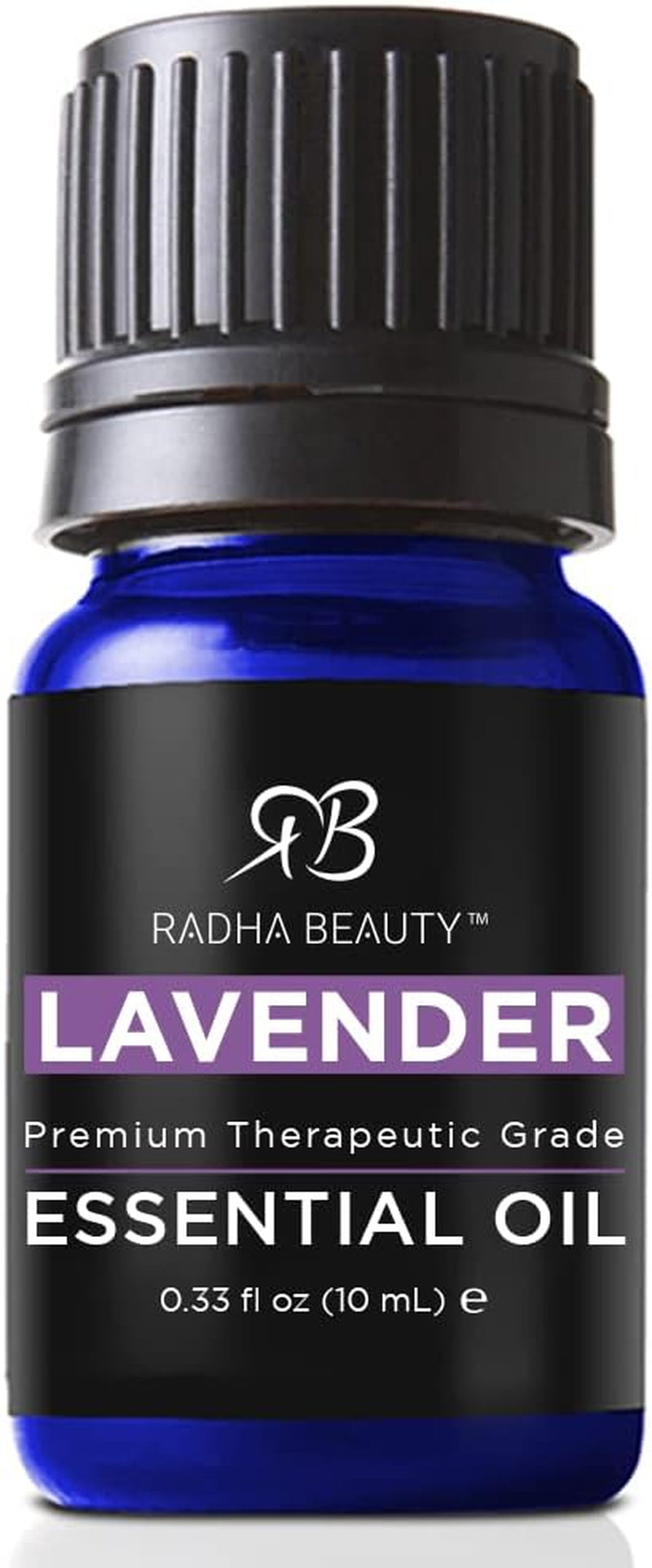
Start today: If you're new to essential oils, begin with lavender. It's the most versatile, most researched, and most likely to deliver immediate results. Shop our premium Lavender Essential Oil and experience the difference quality makes.
Build your routine: Select a diffuser, choose 2-3 oils that resonate with you, and commit to 30 days of consistent use. This is how real change happens—not overnight, but gradually and measurably.
Explore combinations: Once you're comfortable with single oils, experiment with blends. Create your personal stress-relief blend, your sleep blend, and your daytime calm blend.
Support with other wellness tools: Combine essential oils with quality vitamins and supplements from our complete wellness collection. Layer your approach for maximum effect.
Share the gift: Once you experience the transformation, introduce family and friends to essential oils and aromatherapy. Wellness is better when shared.
Your Wellness Awaits
Imagine yourself six months from now: sleeping deeply, waking refreshed, moving through your day with calm confidence instead of anxiety. Imagine shoulders that aren't chronically tense, a mind that isn't racing at 3 AM, and moments of genuine peace in an otherwise busy day. This isn't fantasy—it's the reality that thousands of AllCare Store customers experience when they harness the power of essential oils and aromatherapy.
Your wellness journey starts now. Whether you're Eleanor discovering lavender for the first time, or you're an aromatherapy enthusiast looking to deepen your practice, AllCare Store is here to support you with premium oils, expert guidance, and a commitment to your health.
Ready to begin? Shop our essential oil collection at AllCare Store or call our experts at 1-888-889-6260 for personalized recommendations today.
Free shipping, discreet packaging, and 30-day returns on all orders.