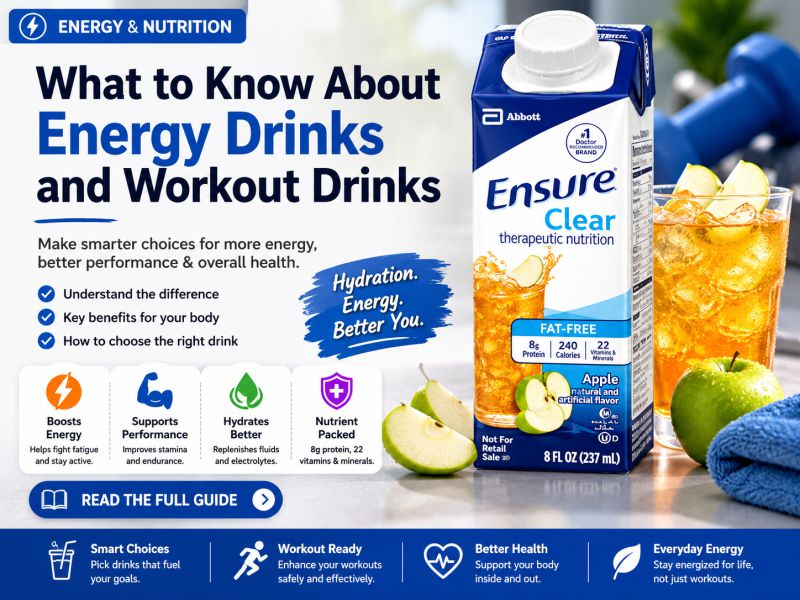
In today's fast paced world, it has become more important than ever to stay energetic and stay healthy whether you are hitting .The gym going for a run or just trying to get through a busy workday, energy drinks and workout drinks have become the go to solution for every person But are they really as effective as they claim And, more importantly are they safe ?
This blog explains about energy drinks and drinks in simple ways .which you can use to improve your health and fitness Or you will know in the blog , What are energy drinks I have been told about it Energy drinks are beverages designed to increase your energy levels, improve relaxation and reduce fatigueThey are especially popular among students, professionals and athletes.
Most energy drinks contain a mix of
-
Caffeine
-
Sugar or artificial sweeteners
-
Taurine
-
B vitamins
-
Herbal extracts like ginseng
These ingredients work together to give you a quick energy boost often within minutes
Why People Choose Energy Drinks
People rely on energy drinks for several reasons
-
To stay awake during long hours
-
To improve focus and concentration
-
To enhance physical performance
-
To fight tiredness
Although they may provide the latest results miraculous effects need to be thought about
What Are Workout Drinks?
Workout drinks are specifically designed to support physical activity. Unlike regular energy drinks, they focus more on hydration, endurance, and recovery.
There are three main types of workout drinks
1. Pre Workout Drinks
These are consumed before exercise to boost energy and performance. They often contain caffeine, amino acids, and nitric oxide boosters
2. Intra Workout Drinks
These are taken during workouts to maintain hydration and energy levels. They usually contain electrolytes and simple carbohydrates
3. Post Workout Drinks
These help with recovery after exercise. They often include protein, electrolytes, and essential nutrients
Energy Drinks vs Workout Drinks: Key Differences
Although they may seem similar, energy drinks and workout drinks serve different purposes
Feature
-
Energy Drinks
-
Workout Drinks
-
Purpose
-
Boost alertness
-
Enhance physical performance
-
Main Ingredient
-
Caffeine
-
Electrolytes & nutrients
-
Timing
-
Anytime
-
Before, during or after workouts
-
Target Users
-
General public
-
Fitness enthusiasts
In simple terms, energy drinks are for mental stimulation, while workout drinks are for physical performance
Benefits of Energy Drinks
When used in moderation, energy drinks can offer some benefits
1. Increased Alertness
Caffeine helps improve focus and reduces fatigue, making it easier to stay productive
2. Improved Reaction Time
Some studies suggest that energy drinks can enhance reaction speed and mental performance
3. Temporary Energy Boost
They provide a quick surge of energy, especially when you need it most
Benefits of Workout Drinks
Workout drinks are more aligned with fitness goals and overall health
1. Better Hydration
Electrolytes like sodium and potassium help maintain fluid balance
2. Enhanced Performance
Pre workout drinks can improve strength, endurance and stamina
3. Faster Recovery
Post-workout drinks help repair muscles and reduce soreness
The Hidden Risks of Energy Drinks
Despite their popularity, energy drinks come with several risks, especially when consumed excessively
1. High Caffeine Content
Too much caffeine can lead to
-
Anxiety
-
Insomnia
-
Increased heart rate
2. Sugar Overload
Many energy drinks contain high amounts of sugar, which can contribute to
-
Weight gain
-
Diabetes
-
Tooth decay
3. Energy Crash
After the initial boost, you may experience a sudden drop in energy levels
Are Workout Drinks Always Safe?
Workout drinks are generally safer, but they are not risk-free
1. Overconsumption
Taking too many supplements can strain your body
2. Artificial Ingredients
Some products contain artificial colors, flavors and preservatives
3. Not Always Necessary
If your workout is light, you may not need a specialized drink at all—water might be enough
Natural Alternatives to Energy Drinks
If you’re looking for healthier options, there are plenty of natural alternatives
1. Coconut Water
Rich in electrolytes and perfect for hydration
2. Green Tea
Provides a mild caffeine boost along with antioxidants
3. Fruit Smoothies
Packed with vitamins, natural sugars, and fiber
4. Lemon Water with Honey
A simple and refreshing energy booster
Choosing the Right Workout Drink
When selecting workout drinks, keep these factors in mind
1. Check the Ingredients
Avoid products with too many artificial additives choose healthy
2. Match Your Fitness Goals
For endurance → choose electrolyte drinks
For muscle gain → choose protein-based drinks
3.Keep an eye on the sweet content
Choose low-sugar or sugar-free options whenever you can
When Should You Use Energy Drinks?
Energy drinks should be used carefully and only when necessary
Best Times to Use
-
Before mentally demanding tasks
-
During long work hours
-
Occasionally before workouts
Avoid Using
-
Late at night
-
On an empty stomach
-
In combination with alcohol
When Should You Use Workout Drinks?
Workout drinks are most effective when used strategically
Before Workout
-
To boost energy and prepare your body
-
During Workout
-
To stay hydrated and maintain performance
-
After Workout
-
To support recovery and muscle repair
The Role of Hydration in Performance
One of the biggest mistakes people make is ignoring hydration
Even mild dehydration can lead to
-
Reduced strength
-
Poor concentration
-
Increased fatigue
Workout drinks can help but water should always be your primary source of hydration
Are Energy Drinks Good for Gym Workouts?
This is a common question and the answer is not always
While energy drinks can give you a temporary boost, they are not specifically designed for workouts
They may
-
Increase heart rate too much
-
Cause dehydration
-
Lead to energy crashes
For gym sessions, workout drinks are usually a better choice.
Tips for Safe Consumption
To stay safe while using energy drinks and workout drinks
Limit caffeine intake
Avoid mixing multiple products
Stay hydrated
Read labels carefully
Listen to your body
Final Thoughts
Energy drinks and workout drinks both have their place but they are not the same
Energy drinks are best for quick mental boosts Workout drinks are designed for physical performance and recovery The key is moderation and awareness. Instead of relying heavily on these beverages, focus on a balanced diet, Regular exercise, Proper sleep,These are the real foundations of long-lasting energy and performance.