MEDICAL DISCLAIMER: This article is for informational purposes only and should not replace professional medical advice. Always consult with your healthcare provider before starting any prenatal vitamin regimen or making changes to your pregnancy care plan. Every pregnancy is unique, and what works for one person may not be appropriate for another. Your doctor or midwife can recommend prenatal vitamins tailored to your specific health needs.
Sarah's Journey: Why Prenatal Vitamins Changed Everything
Sarah, 32, stared at the pharmacy shelf for what felt like an eternity. Two pink lines on a home pregnancy test had changed everything just hours before. Now, standing in front of what seemed like hundreds of prenatal vitamin options, she felt completely overwhelmed.
"I didn't even know where to start," she recalls. "My mom had told me to 'just take a vitamin,' but there were gummies, pills, liquids... some had iron, some didn't. Some claimed to help with morning sickness, others promised better baby brain development. I wanted to do everything right for my baby, but I felt paralyzed by choice."
Like so many expectant mothers, Sarah discovered that choosing the best prenatal vitamins isn't just about picking a bottle off the shelf. It's about understanding what your body and your developing baby actually need, navigating through marketing claims, and finding a supplement that fits your lifestyle and budget.
Today, Sarah takes a gummy prenatal vitamin from AllCare Store's vitamin collection, and she wished she'd had the knowledge she has now when she started this journey. She recommends the prenatal vitamin gummies from AllCare Store for anyone who struggles with pill-taking. That's exactly why we've created this comprehensive guide to the best prenatal vitamins in 2026.
Why Prenatal Vitamins Matter: The Science Behind the Supplement
Before we dive into specific products, let's talk about why prenatal vitamins are so important. When you're pregnant, your nutritional needs increase dramatically. You're not just feeding yourself—you're supporting the growth and development of another human being.
During pregnancy, your body needs:
- 27 mg of iron (compared to 18 mg for non-pregnant women)
- 600 mcg of folic acid (double the normal 300 mcg)
- 1,000 mg of calcium daily
- 600 IU of vitamin D
- 220 mcg of iodine
- 450 mg of choline
- 200-300 mg of DHA omega-3 fatty acids
While a healthy diet can provide many of these nutrients, prenatal vitamins ensure you're getting consistent, therapeutic doses of the most critical nutrients for fetal development. Research shows that prenatal vitamins, particularly those containing folic acid, reduce the risk of neural tube defects by up to 70%.
The Critical Nutrients: What Each One Does
Folic Acid (Vitamin B9): The Neural Tube Guardian
Folic acid is perhaps the most important nutrient in any prenatal vitamin. This B vitamin is crucial for DNA synthesis and cell division—literally the building blocks of your baby's development. During the first weeks of pregnancy (often before you even know you're pregnant), folic acid helps form your baby's neural tube, which eventually becomes the brain and spinal cord.
The CDC recommends that all women of childbearing age consume 400 mcg of folic acid daily, even before conception. During pregnancy, this increases to 600 mcg daily. Some women with a history of neural tube defects may need even higher doses (up to 4,000 mcg), which is why consulting with your healthcare provider is essential.
Iron: Building Healthy Blood Supply
Your blood volume increases by approximately 50% during pregnancy. Iron is essential for creating the hemoglobin in red blood cells that carries oxygen to your baby. Without adequate iron, you can develop anemia, which can lead to fatigue, shortness of breath, and complications during delivery.
Many women find that the 27 mg of iron in standard prenatal vitamins can cause constipation or nausea. If you experience these side effects, discuss options with your healthcare provider. Some prefer to take iron with orange juice (vitamin C helps absorption) or at different times of day.
DHA Omega-3: The Brain and Eye Developer
Docosahexaenoic acid (DHA) is an omega-3 fatty acid that accumulates in your baby's brain and eyes during the third trimester. Studies suggest that adequate DHA intake may support cognitive development and reduce the risk of preterm birth. Most prenatal vitamins contain 200-300 mg of DHA, which research indicates is the therapeutic dose for pregnancy.
If you're vegetarian or vegan, look for prenatal vitamins with algae-based DHA rather than fish-oil based sources.
Calcium: The Bone Builder
Your baby's skeleton is forming throughout pregnancy, and calcium is the primary mineral in bones. If you don't consume adequate calcium, your body will pull calcium from your bones to meet your baby's needs, potentially affecting your bone health later. Aim for 1,000-1,300 mg daily, including both prenatal vitamins and dietary sources.
Vitamin D: The Calcium Partner
Vitamin D helps your body absorb and utilize calcium. It also supports immune function and helps prevent gestational diabetes. Most prenatal vitamins contain 600 IU of vitamin D, though some healthcare providers recommend 1,000-2,000 IU daily, especially for women with limited sun exposure or darker skin tones.
Iodine: Supporting Thyroid Function
Iodine is essential for thyroid hormone production, which regulates metabolism and supports fetal brain development. Pregnancy increases iodine requirements to 220 mcg daily. Many prenatal vitamins contain 150 mcg, so it's worth checking labels and potentially supplementing with iodized salt or iodine-rich foods.
Choline: The Memory Nutrient
Choline is critical for fetal brain development and may enhance memory and learning. The recommendation during pregnancy is 450 mg daily, yet many prenatal vitamins contain little to no choline. Consider adding choline-rich foods like eggs, chicken, and salmon to your diet.
When Should You Start Taking Prenatal Vitamins?
The ideal time to start prenatal vitamins is actually before you get pregnant. If you're planning to conceive, begin taking a prenatal vitamin (or at minimum, a folic acid supplement) three months before trying to get pregnant. This ensures optimal folic acid levels from conception.
If you discover you're pregnant before starting prenatal vitamins, don't worry. Begin taking them immediately—it's never too late for the benefits, though the earliest weeks are most critical for neural tube development.
Throughout pregnancy, consistency matters more than perfection. If you miss a dose, simply take it the next day. Your body builds nutrient reserves over time, so occasional missed doses won't cause harm.
Prenatal Vitamins Format: Gummies vs. Pills vs. Liquids
One of the biggest decisions expectant mothers face is which format to choose. Each has distinct advantages and disadvantages:
Prenatal Vitamin Pills
Traditional prenatal vitamin pills offer the most comprehensive nutrient profile. They typically contain more iron and other minerals than gummies and are usually the most economical option. However, pills can be difficult to swallow, especially when dealing with morning sickness or food aversions.
Prenatal Vitamin Gummies
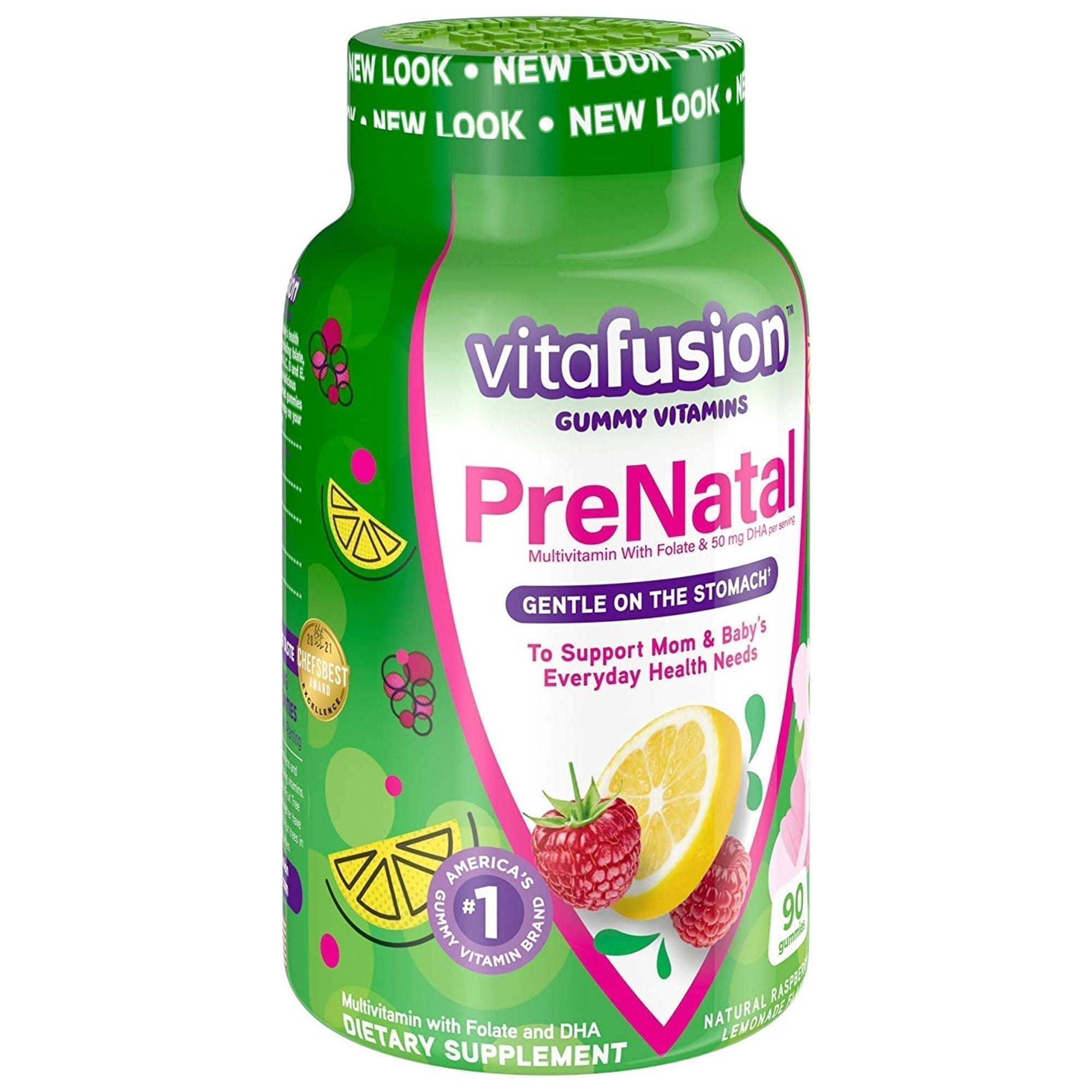
Gummy prenatal vitamins have exploded in popularity, and for good reason. They're easier to take, taste better, and many women find them easier on the stomach than pills. However, gummies often contain less iron (to improve taste and prevent constipation), sometimes contain added sugars, and the gelatin base may not be vegetarian-friendly.
If you choose a gummy prenatal vitamin, ensure it still contains adequate iron and all critical nutrients. Check AllCare Store's vitamin collection for quality gummy options that don't compromise on nutrition.
Prenatal Vitamin Liquids
Liquid prenatal vitamins are ideal for women with swallowing difficulties or severe morning sickness. They're often absorbed quickly and can be mixed into smoothies or juice. However, liquids tend to be more expensive and may not taste as pleasant as gummies.
Product Spotlight: AllCare Store's Best Prenatal Vitamins
At AllCare Store, we carefully curate prenatal vitamins that meet rigorous quality standards. Two standout options include:
SmartyPants Prenatal Complete (120 Ct) - $45.99
This comprehensive prenatal vitamin delivers 600 mcg of folic acid, 27 mg of iron, 200 mg of DHA, and 1,000 mg of calcium per serving. The complete formula includes all critical prenatal nutrients in one convenient daily serving. Many customers appreciate the balanced nutrient profile and the fact that it's not overly chalky like some pill supplements.
SmartyPants Gummy Vitamin Prenatal Complete (120 Ct) - $49.99
For those who prefer gummies, this option offers a delicious alternative without sacrificing nutrition. It contains 600 mcg of folic acid, 24 mg of iron, 200 mg of DHA, and 1,000 mg of calcium. The gummy format makes it easy to maintain consistency, especially during the first trimester when morning sickness makes pill-taking challenging.
Both options are available through AllCare Store's nutrition and feeding collection with the benefits you've come to expect: free shipping on orders over $35, discreet packaging for privacy, and our hassle-free 30-day returns policy.
How to Choose Your Ideal Prenatal Vitamin
With so many options available, here's a framework for making the best choice:
Step 1: Consult Your Healthcare Provider
Your doctor or midwife may have specific recommendations based on your health history, dietary restrictions, and any existing conditions. Some women need additional iron, calcium, or other nutrients.
Step 2: Check the Nutrient Profile
Look for a prenatal vitamin that contains:
- 400-800 mcg folic acid (preferably methylfolate if you have MTHFR mutations)
- 27 mg iron
- 1,000 mg calcium
- 600 IU vitamin D
- 200-300 mg DHA
- 150 mcg iodine
- At least some choline
Step 3: Consider Your Lifestyle
Are you often on the go? A gummy might work better. Do you have difficulty swallowing? Consider liquids. Do you have a sensitive stomach? Pills might be easier on digestion.
Step 4: Think About Your Dietary Restrictions
If you're vegetarian or vegan, ensure your prenatal vitamin uses algae-based DHA and doesn't use gelatin. If you're allergic to shellfish, be cautious about fish-oil-based supplements.
Step 5: Evaluate the Cost
Prenatal vitamins range from $15 to $60 per month. More expensive doesn't always mean better. Check unit costs and consider that you might need to adjust your choice based on how your body responds.
Prenatal Vitamins by Trimester: Changing Needs
While you'll take prenatal vitamins throughout your entire pregnancy, your body's needs shift as your baby develops:
First Trimester (Weeks 1-13)
Focus on folic acid (for neural tube development), B vitamins (for energy as your metabolism increases), and ginger supplements if morning sickness is severe. This is often the hardest time to take vitamins due to nausea, so choosing the right format is critical.
Second Trimester (Weeks 14-26)
By now, morning sickness usually subsides, and you can more easily maintain your prenatal vitamin routine. Your baby's bones are rapidly developing, making calcium and vitamin D increasingly important. DHA accumulation in the brain begins in earnest during this trimester.
Third Trimester (Weeks 27-40)
Iron becomes even more critical as you prepare for potential blood loss during delivery. Some women add additional iron supplementation (with doctor approval) in the final weeks. DHA continues to accumulate in the baby's brain, particularly in the final six weeks of pregnancy.
Common Side Effects and How to Manage Them
Prenatal vitamins, particularly the iron content, can cause side effects. Here's how to manage them:
Constipation
The most common complaint. Increase water intake to at least 3 liters daily, add fiber-rich foods, and consider asking your doctor about stool softeners. Taking iron with orange juice can improve absorption, potentially allowing you to reduce the dose. Some women find that splitting their prenatal vitamin into two smaller doses reduces constipation.
Nausea
Take your prenatal vitamin with food, preferably with a protein-rich snack. Some women find gummies easier on the stomach than pills. Taking vitamins before bed sometimes helps. If nausea persists, discuss alternative formulations with your healthcare provider.
Metallic Taste
Iron can create a metallic taste. Gummy vitamins often mask this better than pills. Sucking on ginger candy or lemon drops after taking your vitamin can help.
Stomach Upset
Take vitamins with a full meal rather than on an empty stomach. If you experience severe upset, talk to your doctor about spacing out your nutrients or switching formulations.
Comparing Prenatal Vitamin Options
| Nutrient | SmartyPants Prenatal Complete (Pill) | SmartyPants Gummy Prenatal Complete | Minimum Recommended |
|---|---|---|---|
| Folic Acid | 600 mcg | 600 mcg | 600 mcg |
| Iron | 27 mg | 24 mg | 27 mg |
| Calcium | 1,000 mg | 1,000 mg | 1,000 mg |
| Vitamin D | 600 IU | 600 IU | 600 IU |
| DHA | 200 mg | 200 mg | 200 mg |
| Price (120 tablets) | $45.99 | $49.99 | N/A |
Beyond Prenatal Vitamins: Supporting Your Child's Health
Once your baby arrives, nutrient needs continue to be important. If you're breastfeeding, you'll continue taking your prenatal vitamin. As your child grows, quality nutrition remains essential. AllCare Store offers products like SmartyPants Kids Probiotic Strawberry Creme (60 Count) and SmartyPants Gummy Vitamin Multi Kid Complex (90 Count) to support your child's development from infancy through childhood. Visit our nutrition and feeding collection to explore options for your growing family.
Postpartum Vitamin Needs: Don't Forget About Mom
Many women stop taking prenatal vitamins after delivery, but your nutritional needs remain elevated, especially if breastfeeding. Consider continuing your prenatal vitamin for at least 6-12 months postpartum to replenish nutrient stores depleted during pregnancy and support lactation.
Breastfeeding mothers need:
- 500 additional calories daily
- 71 grams of protein (compared to 46 grams for non-breastfeeding women)
- Higher levels of vitamins A, C, and D
- Continued iron supplementation if levels are low
Your postpartum body deserves as much nutritional support as your prenatal body. Don't neglect your own health as you care for your newborn.
Why AllCare Store for Your Prenatal Vitamins?
Choosing where to purchase your prenatal vitamins matters. AllCare Store stands out for several reasons:
- Quality Products: We carefully curate only reputable prenatal vitamin brands that meet strict quality and safety standards.
- Competitive Pricing: Our prenatal vitamins are priced to be affordable without sacrificing quality. Both the SmartyPants Prenatal Complete pill and gummy options are competitively priced.
- Free Shipping: Orders over $35 qualify for free shipping, making it easy to stock up on your prenatal vitamins and other Mom & Baby Care products.
- Discreet Packaging: We understand that prenatal care is personal. All orders arrive in discreet packaging to protect your privacy.
- 30-Day Returns: Not satisfied with your prenatal vitamin? We offer hassle-free returns within 30 days of purchase, no questions asked.
- Expert Support: Our team is available to answer questions about prenatal vitamins and help you find the right option for your pregnancy.
Frequently Asked Questions About Prenatal Vitamins
Can I take too many prenatal vitamins?
Yes. Taking more than the recommended dose of prenatal vitamins, particularly fat-soluble vitamins like A and D, can be harmful to your baby. Take only the recommended dose on the label, and always inform your healthcare provider about all supplements you're taking.
When is the best time to take prenatal vitamins?
Take your prenatal vitamin at the same time each day with food to improve absorption and reduce stomach upset. Many women prefer taking it with breakfast or dinner. Consistency matters more than the specific time of day.
Do prenatal vitamins help prevent birth defects?
Prenatal vitamins containing adequate folic acid can reduce the risk of neural tube defects (brain and spinal cord defects) by up to 70%. While they can't prevent all birth defects, prenatal vitamins provide essential support for normal fetal development.
Can I get all my prenatal nutrients from food alone?
While a healthy, balanced diet is crucial during pregnancy, it's very difficult to meet all prenatal nutrient needs from food alone, particularly for iron and folic acid. Prenatal vitamins ensure consistent, therapeutic doses of critical nutrients. Think of them as insurance—ensuring your baby gets what they need even if your diet isn't perfect.
Are gummy prenatal vitamins as good as pill prenatal vitamins?
Quality gummy prenatal vitamins can be just as effective as pills if they contain the same nutrient profile. The main difference is that gummies sometimes contain less iron (which may improve side effects) and may contain added sugars. Check labels carefully and choose a product that meets your nutritional needs. The best prenatal vitamin is the one you'll actually take consistently.
What should I do if I experience side effects from prenatal vitamins?
Contact your healthcare provider. They may recommend taking vitamins with food, splitting the dose, changing the time of day you take them, or switching to a different formulation. Never stop taking prenatal vitamins without consulting your doctor. Solutions like increasing water intake for constipation or taking iron with orange juice can often resolve side effects.
Can I take my prenatal vitamin with other medications?
Some medications can interact with prenatal vitamins. Always inform your healthcare provider about all medications and supplements you're taking. In general, separate prenatal vitamins from medications by at least 2 hours when possible, as iron can interfere with certain medications' absorption.
What's the difference between folic acid and folate?
Folate is the natural form of vitamin B9 found in foods, while folic acid is the synthetic form used in supplements and fortified foods. Both work similarly, though some people with genetic variations (MTHFR mutations) may benefit from methylfolate instead of folic acid. Discuss this with your healthcare provider if you have concerns.
Your Prenatal Vitamin Journey Starts Now
Sarah's story doesn't end with her standing confused at the pharmacy shelf. Today, six months into her pregnancy, she's grateful for the knowledge she gained and the right prenatal vitamin choice she made. She's not anxious about whether she's doing enough—she knows her prenatal vitamin is supporting her baby's development in critical ways.
Your prenatal vitamin journey can begin the same way. Whether you choose the comprehensive SmartyPants Prenatal Complete pill or prefer the convenience of gummies, the key is finding a high-quality prenatal vitamin that fits your lifestyle and body.
Ready to find your perfect prenatal vitamin? Visit AllCare Store's vitamin collection today. Our prenatal vitamins come with free shipping on orders over $35, discreet packaging, and our 30-day returns guarantee. If you have questions about which prenatal vitamin is right for you, our team is here to help.
Call us at 1-888-889-6260 to speak with our prenatal nutrition experts. We're available to answer your questions and help ensure you and your baby get the nutritional support you both deserve.
Your pregnancy is unique, your needs are specific, and you deserve a prenatal vitamin that matches both. Let AllCare Store help you make the best choice for your family.
Medical Disclaimer: This article is for informational purposes only and does not constitute medical advice. Individuals at high risk for pressure injuries should consult a physician, occupational therapist, or certified rehabilitation engineer before selecting a wheelchair cushion.