Medical Disclaimer: This article is for educational purposes only and does not constitute medical advice. TENS therapy is not appropriate for everyone. Do not use a TENS unit if you have a pacemaker, implanted defibrillator, epilepsy, or are pregnant (unless directed by a doctor). Consult your physician or physical therapist before starting TENS therapy, especially for new or undiagnosed pain.
What Is TENS Therapy and How Does It Work?
Margaret, a 71-year-old retired nurse, had managed her chronic lower back pain with over-the-counter NSAIDs for years — until her doctor flagged rising kidney function concerns. Her physical therapist introduced her to a TENS unit as a drug-free alternative. Within two weeks of daily 20-minute sessions, Margaret found she could get through most mornings without reaching for ibuprofen. "It doesn't eliminate the pain entirely," she said, "but it takes the edge off enough to let me function."
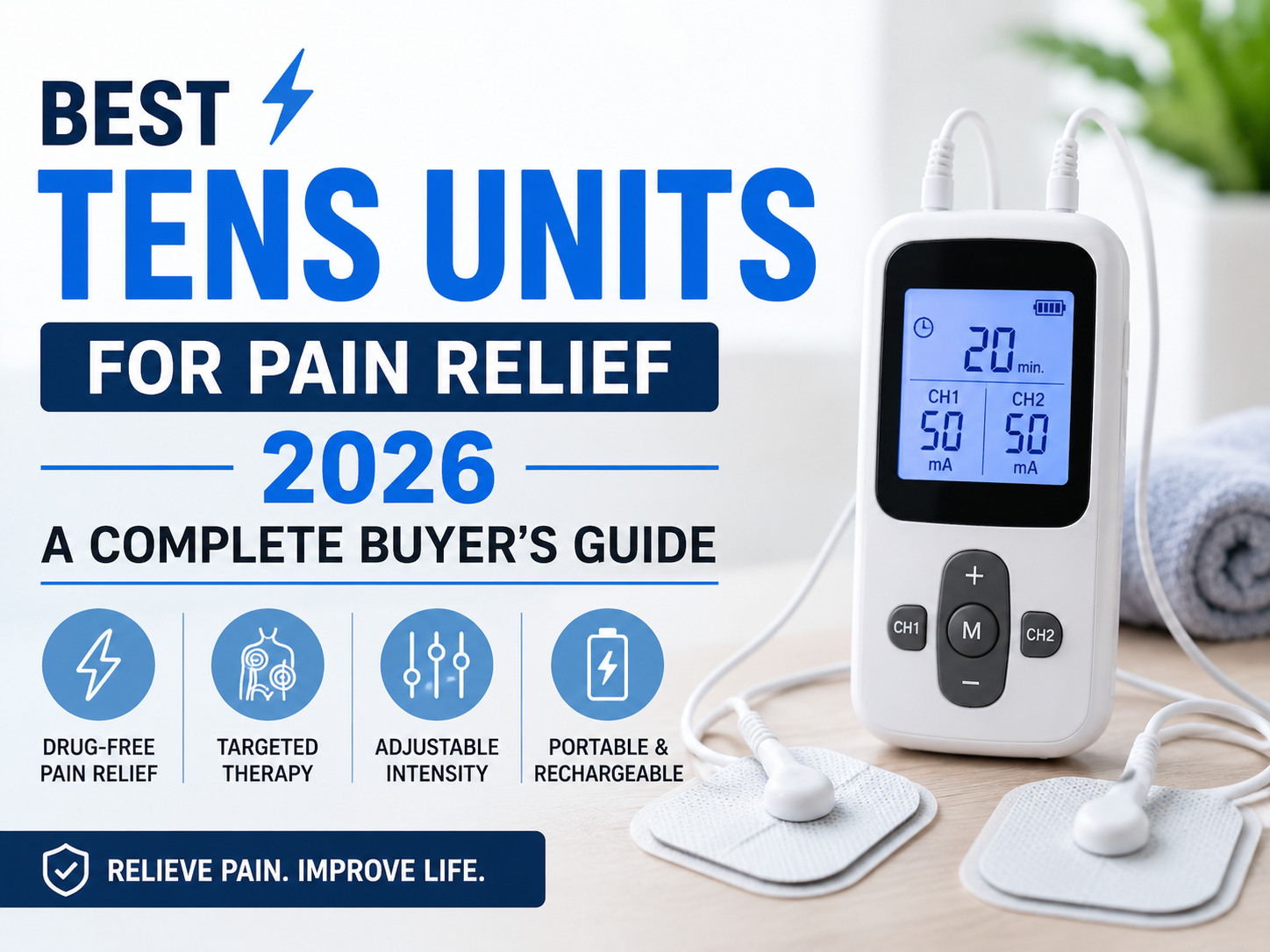
TENS stands for Transcutaneous Electrical Nerve Stimulation. A TENS unit is a small battery-powered device that delivers low-voltage electrical pulses through electrodes (sticky pads) placed on the skin near a pain site. It works through two complementary mechanisms.
The first is called the "gate control" theory: the electrical pulses stimulate sensory nerve fibers that carry non-pain signals. These signals effectively "crowd out" pain signals traveling up the spinal cord to the brain — like jamming a radio frequency. The second mechanism involves stimulating the body's production of endorphins — natural pain-relieving chemicals that act similarly to morphine at opioid receptors in the brain.
The result is a device that, for many people, provides meaningful short-term pain relief with minimal side effects — no pills, no prescriptions, no systemic drug exposure.
TENS vs. EMS: Understanding the Difference
Many devices sold today are labeled "TENS/EMS" units or combine both modes. It's worth understanding the difference:
TENS (Transcutaneous Electrical Nerve Stimulation) uses higher frequency pulses (typically 80–150 Hz) at lower intensity. The goal is sensory nerve stimulation for pain relief — you feel a tingling or buzzing sensation, but muscles do not contract visibly.
EMS (Electrical Muscle Stimulation) uses lower frequency pulses (typically 1–50 Hz) at higher intensity, causing visible muscle contractions. The primary goal is muscle rehabilitation, reducing atrophy during recovery, and improving circulation. Physical therapists use it for post-surgical muscle re-education.
For pain management at home, TENS mode is what most people need. EMS can be a useful addition for muscle recovery after exercise or injury, but it should be used with care and ideally under guidance for the first few sessions.
What to Look for in a Home TENS Unit
Channels and Electrode Pads
Entry-level TENS units have 2 channels (2 electrode pads). Dual-channel units (4 pads) allow you to treat a larger area or two separate body regions simultaneously — useful for lower back pain, which often spans both sides. If you have multiple pain sites you want to address in one session, a 4-pad unit is worth the slight extra cost.
Frequency and Intensity Range
A good home TENS unit should offer adjustable frequency (Hz) from around 2 Hz up to at least 100–150 Hz, and intensity (mA) adjustable in small increments. This flexibility lets you match the settings to your pain type: high-frequency for immediate relief (acute pain, post-workout), low-frequency for longer-lasting endorphin-based relief (chronic pain).
Pre-Set Programs
If you're new to TENS, pre-set programs are genuinely useful. Quality units include settings pre-optimized for back pain, neck pain, shoulder pain, knee pain, and arthritis. This removes the guesswork from frequency and intensity selection. Look for at least 8–12 pre-set modes.
Battery Life and Charging
Older TENS units used AA batteries; modern units use rechargeable lithium batteries via USB. Rechargeable is far more practical for daily use. Look for at least 8–10 hours of battery life per charge for comfortable daily sessions.
Electrode Pad Quality
Electrode pads wear out over time — the adhesive weakens with use and repeated washing. Quality matters here. Larger pads (3" x 5" or 2" x 4") provide better coverage for large muscle groups like the lower back and thighs. Self-adhesive reusable pads typically last 20–30 uses before replacement. Factor in replacement pad cost when evaluating total cost of ownership.
Display and Ease of Use
For older users especially, a clear LCD display with large text, intuitive controls, and a simple interface matters enormously. Avoid devices that require navigating complex menus for basic adjustments. A unit that's frustrating to use won't get used.
Common Uses and What the Research Shows
Lower Back Pain
This is the most common application for home TENS units. Multiple systematic reviews suggest TENS provides clinically meaningful short-term pain reduction for chronic lower back pain when used consistently. It's best viewed as an adjunct to, not replacement for, other evidence-based therapies (exercise, physical therapy, ergonomic adjustments).
Osteoarthritis (Knee, Hip, Hand)
Research on TENS for osteoarthritis shows mixed but generally positive results. A 2019 Cochrane review on knee OA found TENS was more effective than sham treatment for pain reduction in several studies, though effect sizes varied. For many patients, TENS provides a useful drug-free option between flare-ups or as a regular daily maintenance strategy.
Neck and Shoulder Pain
TENS is commonly used by physical therapists for cervicogenic pain and muscle tension-related neck pain. Home use with a dual-channel unit and appropriately placed pads on the trapezius and cervical paraspinal muscles has shown benefit in reducing pain intensity and improving range of motion in several small trials.
Nerve Pain (Neuropathy)
TENS for peripheral neuropathy — particularly diabetic neuropathy affecting the feet and lower legs — has shown promising results in reducing burning and tingling sensations. The mechanism here is primarily gate-control, as TENS stimulates the sensory nerve fibers that compete with pain signals from damaged nerves. Results vary significantly by individual; some patients report excellent relief, others modest benefit.
Fibromyalgia
Emerging evidence suggests TENS may help reduce widespread pain in fibromyalgia when used regularly. A 2020 randomized controlled trial found TENS produced significantly greater pain relief during movement compared to a sham device. Researchers believe this is related to TENS reducing central sensitization — the amplified pain processing that characterizes fibromyalgia.
How to Use a TENS Unit Safely and Effectively
Placement Is Everything
Electrode placement is the most important variable for effective TENS therapy — and the area where most new users go wrong. Pads should be placed:
- On or around (not directly over) the pain site
- Over the nerve supplying the painful area (following dermatome maps, available in TENS manuals)
- Never over the spine directly, across the chest (heart), on the head or throat, over broken skin or rashes
- At least 1 inch apart — pads placed too close create current short-circuiting with reduced effectiveness
Start Low, Go Slow
Begin at the lowest intensity setting and gradually increase until you feel a comfortable tingling sensation. You should never feel sharp pain or muscle jerking during TENS mode. The sensation should feel like gentle buzzing or pins-and-needles. If it hurts, lower the intensity.
Session Length and Frequency
Most protocols recommend 20–30 minute sessions, 1–3 times daily. Longer sessions or very high frequency use can paradoxically cause the pain relief effect to diminish (habituation). Some protocols recommend alternating between high-frequency and low-frequency modes across sessions to maintain effectiveness.
When NOT to Use TENS
Do not use a TENS unit if you have a cardiac pacemaker or implanted defibrillator (electrical interference risk), a history of epilepsy, over tumors, over inflamed or infected skin, or during pregnancy (except under medical supervision for labor pain). Do not drive or operate machinery while using a TENS unit.
Special Considerations for Seniors
TENS is particularly useful for older adults because it provides pain relief without the systemic side effects associated with long-term NSAID use — gastrointestinal bleeding, kidney stress, cardiovascular risk. For seniors on multiple medications or with chronic kidney or liver conditions, a drug-free pain management tool has genuine clinical value.
Practical considerations for seniors:
- Skin sensitivity — older skin may be more sensitive to electrode adhesive; hypoallergenic pads are available and recommended for reactive skin
- Ease of pad placement — reaching the lower back independently can be difficult; consider a device with a built-in back belt or longer lead wires
- Cognitive clarity — choose a device with clear, simple controls and minimal programming steps
- Check medications — blood thinners do not interact with TENS, but any new therapy should be discussed with a physician
AllCare Store: Supporting Comfort and Independence at Home
At AllCare Store, we carry a curated selection of home health and pain management products designed to support everyday comfort and independent living.
- Free Shipping on every order — no minimums
- Discreet Packaging — plain, unmarked boxes on all shipments
- 30-Day Returns — full confidence guarantee
- Expert Support — call us at 1-888-889-6260
Browse our Pain Relief collection and Personal Care collection for home wellness essentials.
Frequently Asked Questions: TENS Units for Pain Relief
How quickly does a TENS unit work for pain relief?
Many people notice pain reduction within 5–10 minutes of starting a TENS session. High-frequency TENS (80–150 Hz) tends to work faster but produces shorter-lasting relief. Low-frequency TENS (2–10 Hz) takes slightly longer to kick in but stimulates endorphin release for relief that may last several hours after the session ends. For chronic pain management, benefits typically accumulate over days to weeks of consistent use.
Can you use a TENS unit every day?
Yes, daily use is generally safe and often recommended for chronic pain management. Most protocols suggest 1–3 sessions per day of 20–30 minutes each. However, avoid using the same electrodes continuously for hours at a time, as this can cause skin irritation. Allow skin to rest between sessions and inspect the electrode sites for any redness or irritation.
Do I need a prescription to buy a TENS unit?
In the United States, consumer-grade TENS units are available over the counter without a prescription. However, higher-powered clinical TENS units used by physical therapists are typically prescription or professional-use devices. OTC units are generally lower in output intensity but fully sufficient for home pain management. It's still advisable to discuss TENS therapy with your healthcare provider before starting, to ensure it's appropriate for your specific condition.
Is TENS therapy safe for people with arthritis?
TENS is widely used for arthritis pain, including osteoarthritis of the knee, hip, and hands. It is generally considered safe for arthritis patients and has no drug interactions. Electrode pads should be placed around (not directly over) inflamed joints. Multiple clinical trials have shown benefit for knee osteoarthritis in particular. As with any therapy, results vary — some patients experience significant relief, others modest improvement.
How long do TENS electrode pads last?
Most self-adhesive TENS electrode pads last approximately 20–30 uses before the adhesive weakens enough to affect skin contact (and therefore effectiveness). You can extend pad life by cleaning the skin thoroughly before use, allowing pads to air-dry after use before re-sealing, and storing them on the plastic backing provided. Replacement pads are widely available and inexpensive — budget for this as a recurring consumable cost.