Disclaimer: This guide is for informational purposes only. CPAP therapy should be prescribed and managed by a physician or sleep specialist. Always follow your prescribing provider's recommendations for pressure settings, mask selection, and therapy goals. Do not adjust CPAP pressure settings without consulting your physician.
The 47 Nights That Didn't Work — and What Changed Everything
James, 58, had been diagnosed with moderate obstructive sleep apnea after his wife finally convinced him to see a sleep specialist. She had been listening to him stop breathing in the night for years — those frightening pauses followed by a sharp gasp — and she had given him an ultimatum: get tested, or sleep in separate rooms. The polysomnography confirmed what she already knew. His doctor prescribed a CPAP machine and sent him home with a full-face mask.
For 47 nights, the mask leaked. James woke with red marks across his nose. The straps pressed into his cheeks. He woke three or four times a night to readjust. He was more tired than he'd been before starting therapy, and he told his doctor he was thinking about giving up. His doctor referred him to a respiratory therapist who spent thirty minutes watching James breathe through different mask types and fitting him in a nasal pillow mask instead. The difference was immediate. Smaller contact area. No bridge seal to fight. The leaks stopped.
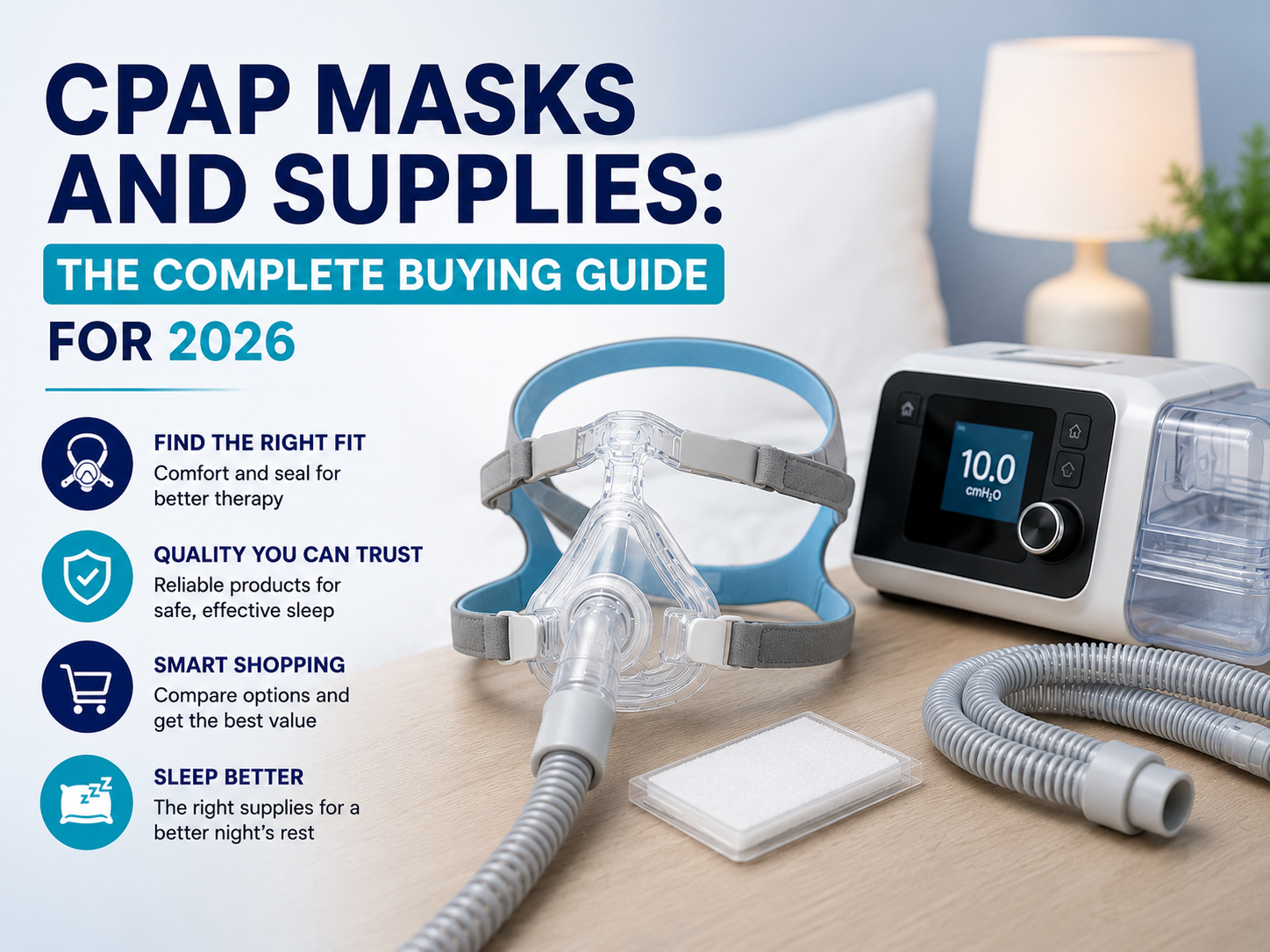
Studies consistently show that 30–50% of CPAP users discontinue therapy within the first year, and mask discomfort is the most commonly cited reason. Finding the right mask — and maintaining it properly — is not a minor detail. It is the therapy. When you're ready to explore your options, AllCare Store's CPAP supplies collection carries masks, cushions, tubing, filters, and cleaning accessories for all major CPAP brands.
The Three Main CPAP Mask Types
1. Nasal Pillow Masks
Nasal pillow masks (also called nasal cradle or nasal pillow interfaces) seal at the nostrils with two small silicone "pillows" or prongs inserted just inside each nostril. They have the smallest footprint and least facial contact of any CPAP mask type.
Best for:
- People who feel claustrophobic in a full-face or nasal mask
- Side and stomach sleepers (minimal frame to catch on pillows)
- Those with mustaches or beards that make other seal types difficult
- People on higher pressure settings who want a direct seal without a large cushion area
- Anyone who wears glasses or reads in bed before sleep
Limitations: Not suitable for people who breathe through their mouth (requires a chin strap add-on), those with nasal irritation or congestion, or anyone who requires lower pressure settings where pillow masks can feel too forceful at the nares.
2. Nasal Masks
Nasal masks cover the nose from bridge to upper lip with a triangular or contoured silicone cushion, creating a seal over the nose. They are one of the most widely used CPAP mask types and are often recommended as a starting point for new CPAP users who breathe primarily through their nose.
Best for:
- People new to CPAP (versatile and widely fitted by DME providers)
- Back sleepers who don't move much during sleep
- People on moderate pressure settings
- Those with wider nose bridges where pillow masks don't seal well
Limitations: Requires nasal breathing throughout the night; mouth breathing will break the seal and cause leaks. A chin strap can help, but if mouth breathing is habitual, a full-face mask is typically more appropriate.
3. Full-Face Masks
Full-face masks cover both the nose and mouth, creating a seal around the perimeter of both. They are the best option for people who breathe through their mouths, those with chronic nasal congestion, and those at higher pressure settings where a smaller seal area may be less stable.
Best for:
- Mouth breathers and those with habitual mouth opening during sleep
- People with chronic nasal congestion, deviated septum, or seasonal allergies
- Higher CPAP pressure settings (typically 12+ cm H2O)
- People for whom nasal masks have consistently leaked
Limitations: Larger contact area means more potential for leaks and more mask to seal; can feel claustrophobic; more difficult for side sleepers and very active sleepers; not suitable for people who cannot breathe through their nose at all (rare, but possible).
Mask Fit: The Most Important Factor in CPAP Success
CPAP mask manufacturers produce most masks in small, medium, and large sizes — but "medium" is not universal across brands. ResMed's medium and Philips Respironics' medium are measured differently and fit differently. A mask that fits well in one brand may need a different size in another.
How to Measure for a CPAP Mask
Most manufacturers include a sizing gauge with new masks, or offer one as a free download. The gauge is held against your face to measure nose width, nose length, or the distance from the bridge of the nose to the upper lip — depending on mask type. Always use the specific manufacturer's sizing guide for the mask you're considering, not a generic measurement.
If you're purchasing a mask without being fitted in person, look for retailers that offer a sizing guide and easy exchange — because even with correct measurements, some people simply fit better in one brand's geometry than another.
Signs Your Mask Doesn't Fit Correctly
- Air leaking consistently from the same location (bridge, sides, or under-nose)
- Red marks or indentations remaining more than 30 minutes after removal
- Needing to overtighten the headgear to maintain a seal
- Waking with dry eyes (air leak directed toward eyes)
- Mouth dryness with a nasal mask (mouth opening due to inadequate nose seal)
- Pressure sores or skin breakdown at contact points
Minor leaks are normal and acceptable (CPAP machines are designed to compensate for small leaks); large or persistent leaks that wake you or significantly reduce therapy effectiveness warrant a mask change or refitting.
CPAP Mask Cushion Materials
The cushion is the part of the mask that contacts your skin and creates the seal. Most modern masks use silicone cushions, but alternatives exist for people with silicone sensitivity or specific comfort needs:
| Material | Characteristics | Best For |
|---|---|---|
| Silicone | Durable, widely available, conforming, easy to clean | Most users; the default material for most masks |
| Gel | Softer than standard silicone; conforms more easily to facial contours | People with sensitive skin; those with facial irregularities that make silicone difficult to seal |
| Memory foam | Soft; molds to face shape over time; quieter than silicone | People who find silicone uncomfortable; skin-sensitive users; those with facial hair |
| Cloth/fabric covers | Not a standalone cushion, but fabric cushion liners reduce skin contact with silicone | People with skin irritation, acne, or silicone sensitivity; anyone who finds the silicone feel uncomfortable |
Essential CPAP Supplies: What Needs Regular Replacement
CPAP equipment degrades with use, and using worn supplies reduces therapy effectiveness and increases infection risk. Most insurance plans cover supply replacements on a regular schedule — knowing when to replace what is essential to both therapy effectiveness and compliance with insurance coverage rules.
Replacement Schedule at a Glance
| Supply Item | Recommended Replacement Frequency | Signs It Needs Replacing |
|---|---|---|
| Nasal pillows / cushion | Every 2 weeks to monthly | Stiffening, cracking, discoloration, persistent leaking at seal |
| Headgear / straps | Every 6 months | Stretching (won't hold adjustment), velcro wearing out, discoloration |
| Mask frame | Every 3 months | Cracking, broken clips, tabs or elbow connections that no longer seal |
| Humidifier water chamber | Every 6 months | Mineral deposits, cracking, discoloration that doesn't clean off |
| CPAP tubing (standard) | Every 3 months | Cracking, pinhole leaks, discoloration, buildup that doesn't clean out |
| Heated tubing | Every 3 months | Same as standard tubing; also check heating wire connections |
| Disposable filters | Every 2 weeks to monthly | Visible discoloration or visible particle accumulation |
| Reusable (foam) filters | Wash monthly; replace every 6 months | Tears, deterioration, buildup that doesn't wash out |
Stock replacement supplies before you need them. Running out of cushions or filters and skipping therapy nights — even occasionally — reduces the effectiveness of sleep apnea treatment. Keep a 30-day supply on hand. Browse CPAP replacement supplies at AllCare Store for cushions, tubing, filters, headgear, and water chambers compatible with ResMed, Philips Respironics, and Fisher & Paykel equipment.
CPAP Cleaning: Daily and Weekly Routines
A poorly maintained CPAP is a petri dish for bacteria, mold, and mineral deposits — all of which can cause respiratory irritation, infection risk, and equipment failure. Clean equipment is not optional for safe therapy.
Daily Cleaning (5 Minutes)
- Disconnect the mask and tubing from the machine
- Empty and rinse the humidifier water chamber with warm water; allow to air dry
- Wipe the inside of the mask cushion with a CPAP mask wipe or a damp cloth with mild soap; rinse thoroughly
- Hang tubing to air dry in a clean area (away from direct sunlight, which degrades silicone)
Weekly Cleaning (15–20 Minutes)
- Disassemble the mask fully: cushion, frame, headgear, and any elbow connectors
- Wash all parts in warm water with mild dish soap (unscented; avoid antibacterial soaps, which can leave residue)
- For the humidifier chamber, use white vinegar solution (1:3 vinegar to water) to dissolve mineral deposits, then rinse thoroughly
- Soak tubing in soapy water, run water through to clean interior, rinse completely
- Allow all parts to air dry completely before reassembly — trapped moisture promotes mold growth
CPAP Cleaning Devices: Worth the Investment?
Automated CPAP cleaning devices (using activated ozone or UV-C light) are popular but should be used with care. Ozone cleaners can damage some mask materials over time if used daily, and the FDA has issued guidance noting that some CPAP cleaning devices have not been cleared for their intended use claims. Manual cleaning with soap and water, done consistently, is effective and safe for all CPAP equipment. If using an automated cleaner, consult your equipment manufacturer's guidance on compatibility and frequency.
Managing CPAP Side Effects
Dry Mouth and Throat
Most commonly caused by mouth breathing (for nasal mask users) or inadequate humidification. Solutions: add or increase heated humidification, use a chin strap to reduce mouth opening, or switch to a full-face mask if mouth breathing is persistent.
Nasal Congestion
CPAP airflow can irritate nasal passages, particularly in cold or dry environments. A heated humidifier and heated tubing (to prevent condensation / "rainout") significantly reduce congestion and dryness. Nasal saline spray before bed can also help. If congestion persists, discuss with your physician — underlying chronic rhinitis or allergies may need separate treatment.
Aerophagia (Air Swallowing)
Some CPAP users swallow air during therapy, causing bloating, gas, and discomfort. More common at higher pressure settings. Discuss with your prescribing physician — pressure optimization (such as switching to an auto-adjusting APAP or adjusting pressure range) often resolves aerophagia.
Skin Irritation and Pressure Marks
Contact dermatitis from silicone is uncommon but real. Try mask cushion liners (soft fabric covers placed over the silicone cushion) or a gel or memory foam cushion variant. Pressure marks that persist more than an hour after removing the mask indicate that headgear is overtightened — loosen slightly and refit. A mask that requires excessive tightening to seal usually needs a different size or different mask type.
Traveling with Your CPAP
CPAP users who stop using therapy while traveling lose the health benefits and often experience a return of daytime sleepiness within days. Most major CPAP machines are travel-compatible — voltage auto-switching (100–240V), lightweight designs, and FAA clearance for in-flight use. Tips for travel:
- Pack in a carry-on bag — checked luggage risks damage, and airlines cannot guarantee delivery timing
- Carry a copy of your CPAP prescription; customs in some countries requires documentation
- Bring distilled water for the humidifier — tap water in hotels may contain minerals that damage the chamber; if distilled water is unavailable, run the humidifier dry rather than using tap water
- Consider a dedicated travel CPAP (smaller, lighter, less expensive) if you travel frequently — your primary machine stays home
- For camping or areas without electricity, battery packs compatible with your CPAP model allow unplugged use for 1–2 nights
Frequently Asked Questions
How do I know which CPAP mask type is right for me?
The right mask type depends primarily on how you breathe during sleep and your sleep position. If you breathe through your nose and sleep on your back, a nasal mask or nasal pillow is usually appropriate. If you breathe through your mouth or open your mouth during sleep, a full-face mask is generally recommended. Side sleepers often find nasal pillow masks most comfortable because they have less frame to interfere with pillow contact. The best way to determine the right type is a fitting session with a respiratory therapist or DME supplier — many will let you try different masks before purchasing.
Can I use tap water in my CPAP humidifier?
Most CPAP manufacturers recommend distilled water exclusively for the humidifier chamber. Tap water contains minerals that deposit on the chamber surface and heating plate over time, reducing efficiency and potentially harboring bacteria. In hard-water areas, tap water mineral buildup can permanently damage the chamber within a few months. If distilled water is temporarily unavailable, running the humidifier without water (dry mode) is preferable to using tap water. Purchase distilled water at any grocery or pharmacy; a gallon typically lasts 1–2 weeks depending on your humidity settings.
Does Medicare cover CPAP supplies?
Medicare Part B covers CPAP equipment and supplies as Durable Medical Equipment (DME) when you have a physician diagnosis of obstructive sleep apnea confirmed by a sleep study, and when you demonstrate compliance with therapy (typically 4+ hours per night for at least 70% of nights in a 30-day period, verified by your machine's compliance data). Coverage includes the CPAP machine, mask, tubing, filters, and humidifier on a replacement schedule. You must purchase through a Medicare-approved DME supplier. After the compliance verification period, supplies are typically covered at 80% after deductible for the life of the therapy.
How often should I clean my CPAP machine?
Daily cleaning of the mask cushion and humidifier chamber (empty and rinse) is recommended. Full disassembly and washing of all components — mask, cushion, tubing, headgear, water chamber — should be done at least once per week. Filters should be checked weekly and cleaned or replaced per manufacturer guidance (disposable filters typically every 2–4 weeks; reusable foam filters monthly). The machine exterior (housing) can be wiped down monthly. Consistent cleaning significantly extends equipment life, reduces odor, and lowers the risk of respiratory infections from contaminated equipment.
What is APAP vs. CPAP vs. BiPAP?
CPAP (Continuous Positive Airway Pressure) delivers a single fixed pressure level throughout the night. APAP (Auto-adjusting PAP) delivers a variable pressure that adjusts breath-by-breath within a prescribed range, providing only the pressure needed at any given moment — often more comfortable than fixed CPAP. BiPAP (Bilevel Positive Airway Pressure) delivers different pressures for inhalation and exhalation, making breathing easier for people who struggle to exhale against pressure or who have conditions such as COPD or central sleep apnea. Your prescribing physician determines which device type is appropriate based on your diagnosis, sleep study data, and response to therapy.
Your CPAP Journey: Persistence Pays Off
James used his nasal pillow mask for four months before his follow-up appointment. His AHI (apnea-hypopnea index) — the measure of how many apnea events per hour his machine was detecting — had dropped from 28 to 1.4. His wife told him she hadn't heard him gasp in weeks. He told his doctor that for the first time in years he was waking up feeling like he'd actually slept.
CPAP therapy has one of the highest proven ROIs in preventive medicine — it reduces the risk of cardiovascular events, stroke, hypertension, diabetes complications, and motor vehicle accidents related to excessive daytime sleepiness. But none of that happens if the mask doesn't fit, the supplies aren't maintained, and the equipment isn't working. Getting the right mask and keeping your equipment in good condition is not an administrative detail. It's the therapy itself.
Shop AllCare Store's CPAP supplies for masks, replacement cushions, tubing, filters, humidifier chambers, and cleaning accessories compatible with all major brands. Free shipping on qualifying orders. Questions? Call us at 1-888-889-6260 or visit AllCareStore.com.
— The AllCare Store Team
Medical Disclaimer: This article is for informational purposes only and does not constitute medical advice. Individuals at high risk for pressure injuries should consult a physician, occupational therapist, or certified rehabilitation engineer before selecting a wheelchair cushion.