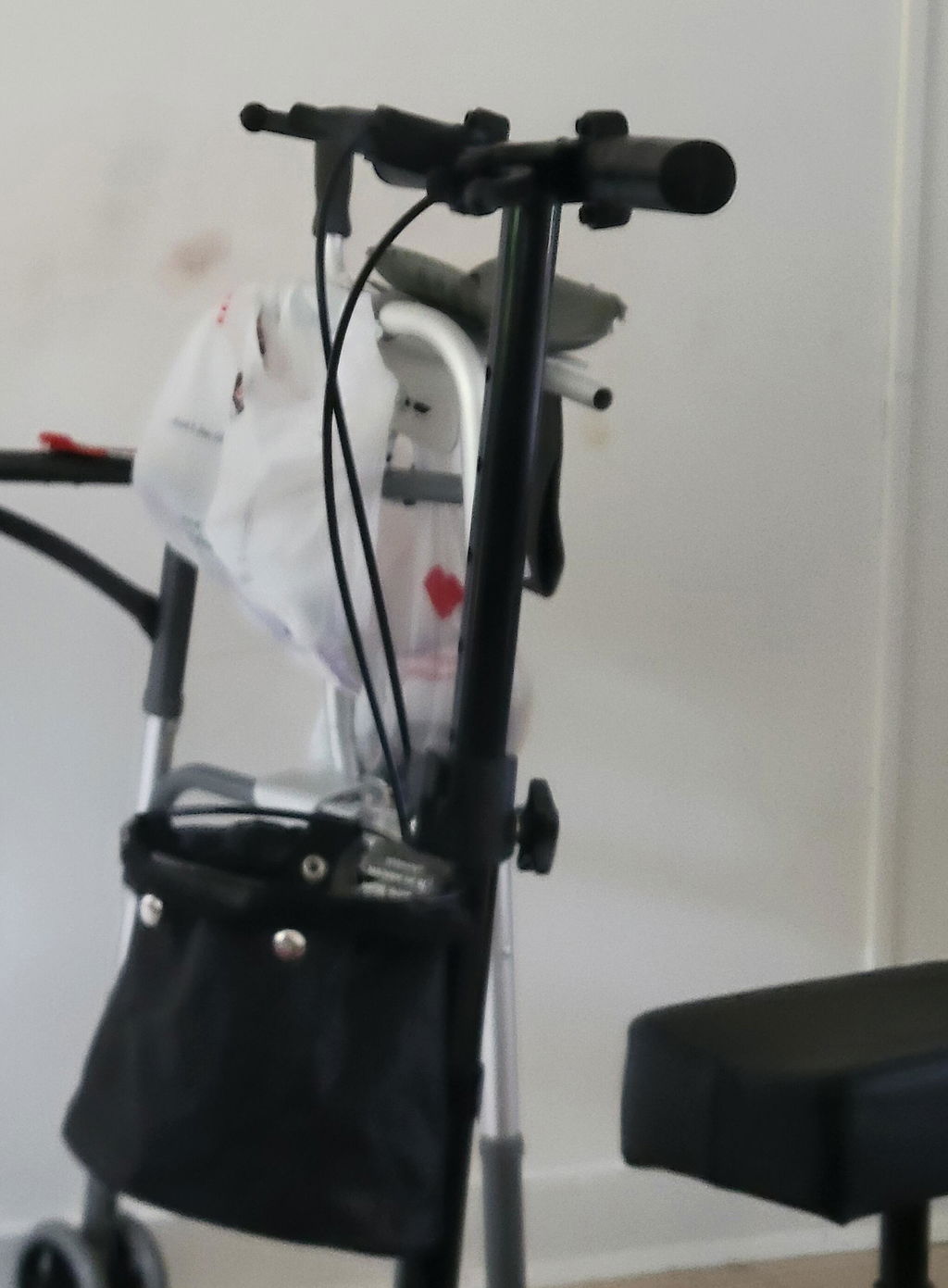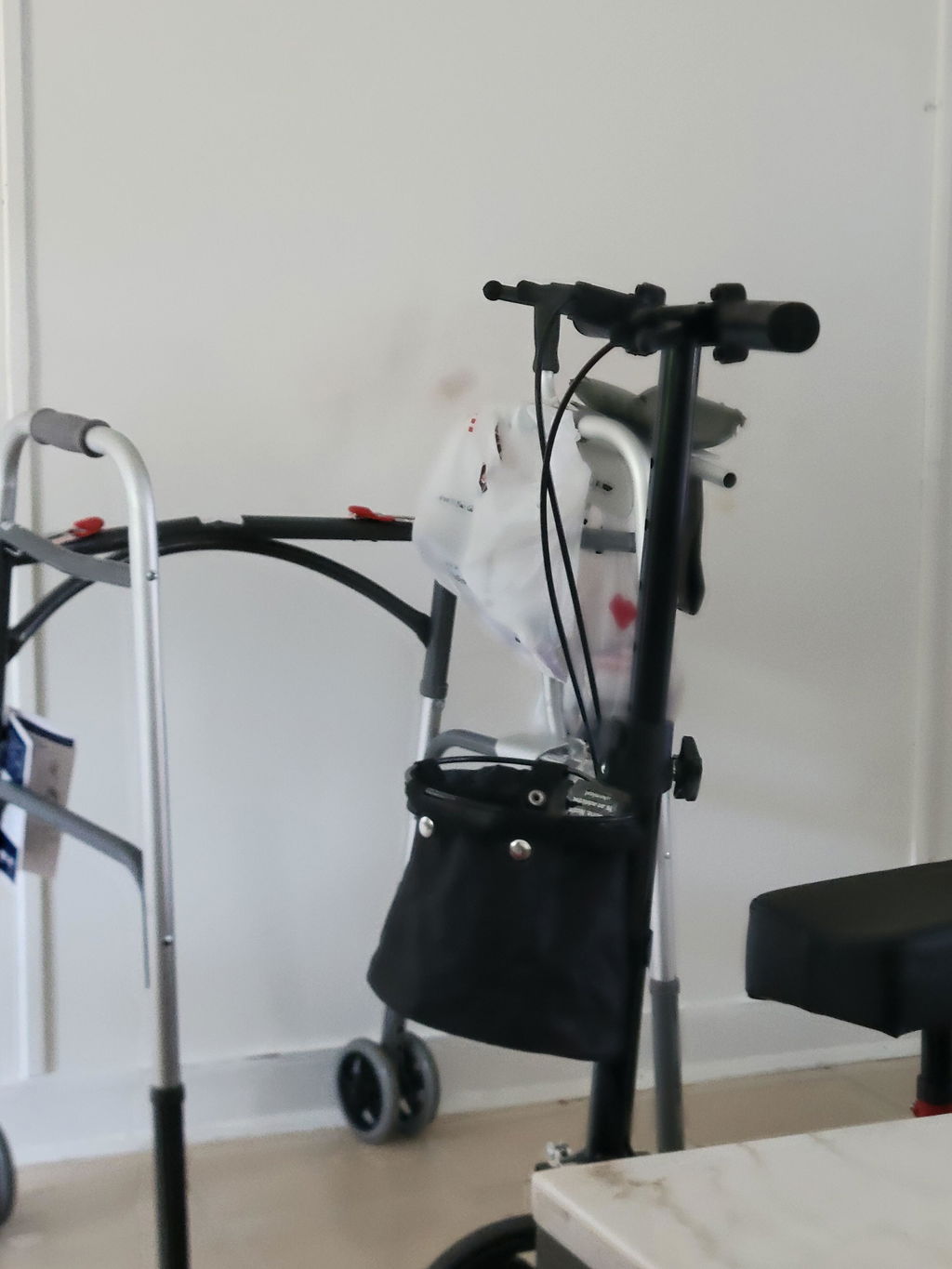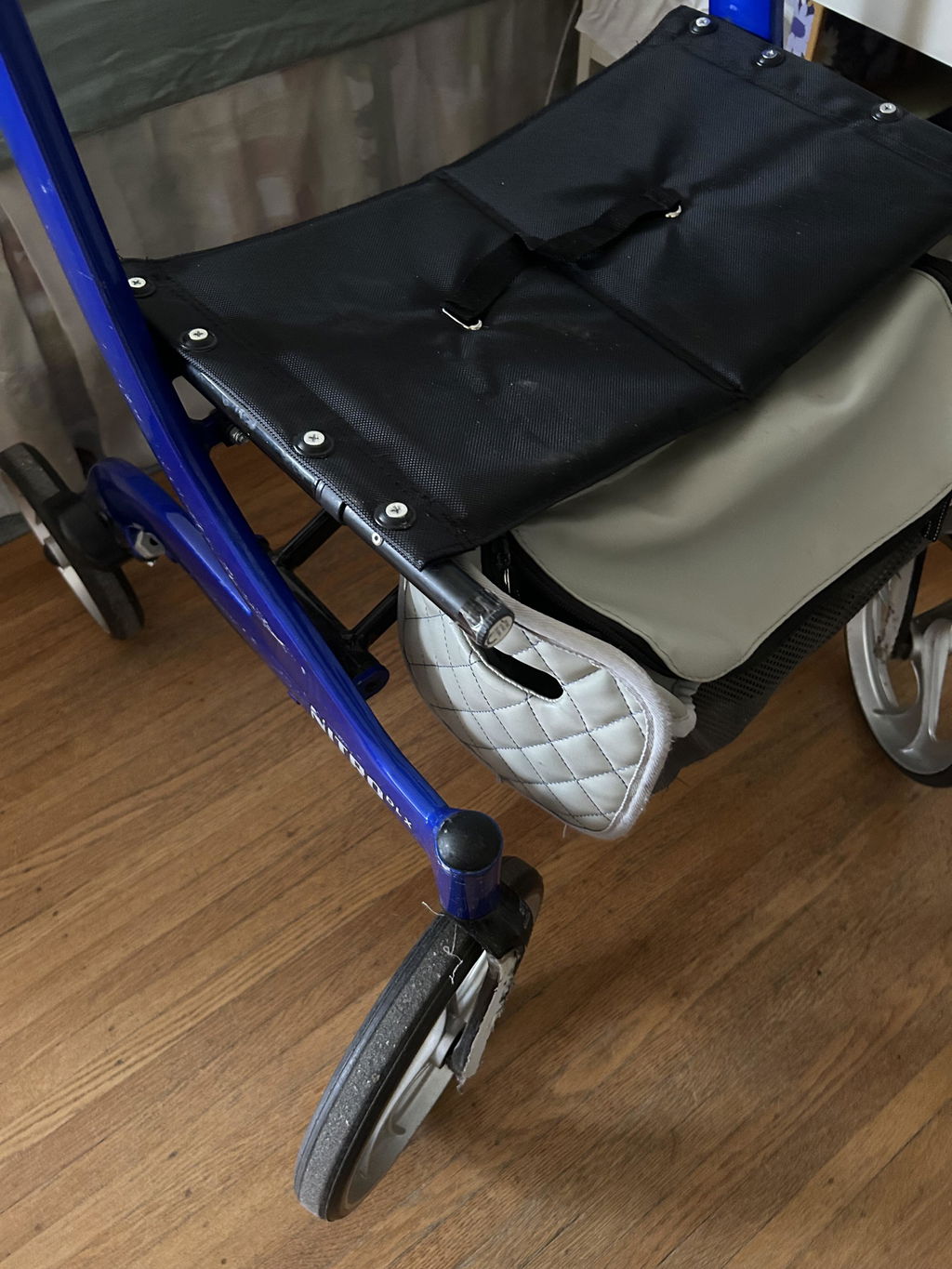
The hardest part of starting to use a walker is usually not learning to use it. It is agreeing to use it at all. Families run into this constantly: a parent who has already had one fall, who is visibly unsteady, and who will not touch the walker sitting unopened in the hall. Pushing harder almost never works, and it frequently makes the refusal more entrenched.
Understanding what the resistance is actually about makes the conversation go very differently.
Why people refuse, and why it is not stubbornness
- Identity. A walker is a visible statement about who you are now. For someone who has spent decades as the capable one in the family, the one who drove everybody, that is a genuine loss to absorb, not a piece of equipment to accept.
- The slippery slope. Many older adults believe, sometimes correctly and sometimes not, that a walker is the first step in a sequence that ends with a wheelchair and leaving their home. Refusing the walker feels like refusing that whole future.
- Loss of control. If the walker was bought, delivered and set up without the person being asked, refusing it may be the only decision left to them in the situation. The refusal is about authorship as much as about the frame.
- Visibility and embarrassment. Being seen with a mobility aid at church, at the shops, at a grandchild's event. This is often unspoken and often the real reason.
- Denial after an unreported fall. A significant number of falls are never mentioned to family or a doctor, precisely because of what admitting them might trigger.
- Bad prior experience. A walker that was the wrong height, had worn grips, or was too heavy to lift into a car will have taught them that walkers are miserable. That is a fit problem being remembered as a walker problem.
What continued refusal actually costs
It is worth being clear-eyed about the stakes, without using them as a weapon in the conversation. Someone who is unsteady and unaided tends to move less, because moving feels risky. Moving less leads to loss of strength and balance, which makes the next attempt riskier still. Meanwhile activities get quietly dropped: the walk to the shop, the visit to a friend, the evening class. The social withdrawal usually arrives before anyone notices the physical decline.
The goal of the conversation is not to win an argument about safety. It is to keep the person doing the things they care about.
How to open the conversation
Pick the moment carefully
Not in the minutes after a fall, when they are embarrassed and defensive. Not in front of grandchildren or visitors. Not as an ambush at the end of a family dinner. A quiet one-to-one, in their own home, when nothing has just gone wrong.
Start from what they want to keep, not what they can no longer do
"You are not safe on your own" invites a defence. "You have stopped going to the Thursday group, and I know you miss it. What would it take to get you back there?" invites a conversation. Frame the walker as a means to a specific thing they want, and let them name the thing.
Ask, do not tell
Useful openings include asking whether they have had any near-misses, whether there are rooms or routes in the house they now avoid, and whether they have stopped doing anything because of how their legs feel. Listening to the answer is more persuasive than any argument you could make.
Expect it to take several conversations
Very few people say yes the first time. Plant it, let it sit, come back to it. A decision they arrive at over three weeks holds far better than one you extract in an afternoon.
Phrasing that helps and phrasing that backfires
Tends to help:
- "What would make this easier for you?"
- "Would you try it just for going out, and not at home?"
- "Which one do you like the look of?"
- "Let's borrow one and see whether it is any use."
- "I would feel better, and I know that is my problem, not yours."
Tends to backfire:
- "You need a walker."
- "You are going to break a hip."
- "We have already ordered it."
- "Don't be so stubborn."
- Anything said in front of an audience.
Give the decision back to them
The most reliable single tactic is to hand over the choosing. Bring two or three options rather than one conclusion. Let them pick the model, the frame size, the colour. Colour sounds trivial and is not: for many people, the difference between a piece of medical equipment and something that looks like it belongs to them is the difference between using it and hiding it.
Two other things reliably help. First, bring in a third party with authority: a GP, physiotherapist or occupational therapist. Advice from a clinician does not carry the same charge as advice from an adult child. Second, propose a trial rather than a commitment. "Try it for two weeks and if you hate it, we will stop" is a much smaller thing to agree to than "start using a walker".
Reduce the visibility problem
If being seen with it is the sticking point, address that directly rather than dismissing it. A frame that folds down and goes in a cupboard when guests arrive can be easier to accept than one that stands permanently in the hall as a reminder. Agreeing that it is for going out, not for use at home, is a reasonable starting compromise even if it later becomes both. Some people find a cane feels acceptable when a walker does not, though a cane offers meaningfully less support and is not an equivalent substitute where balance is the real problem.
The first few weeks
- Expect awkwardness. The first days genuinely feel clumsy. That is normal and it passes with practice, usually indoors first.
- Check the fit before you accept a complaint at face value. "I hate it, it hurts my shoulders" is very often a walker set two inches too high. Get the height set properly before concluding the walker is the problem.
- Do not hover. Walking under close supervision makes most people tense, and tension makes balance worse. Be nearby, not looming.
- Notice progress out loud, once. Repeated congratulation on ordinary walking is patronising and lands badly.
- Ask about hands, wrists and shoulders. Discomfort that goes unmentioned is the most common reason a walker quietly stops being used after a month.
When to involve a professional
Bring in a clinician if the refusal is total and ongoing, if there have been repeated falls, if you are seeing withdrawal, low mood or loss of interest that goes beyond the walker question, or if there is any confusion about why the aid is needed. Persistent low mood in an older adult after a loss of mobility is common, treatable, and frequently missed. It is not something a family should try to manage alone.
A physiotherapist or occupational therapist can also assess which aid actually matches the impairment, set the height correctly, and teach safe technique, all of which make acceptance far more likely.
If you are the one being asked to use one
Everything above assumes a family member reading it. If you are the person resisting, one reframe is worth sitting with: an aid is not the end of independence, it is a tool for protecting it. The people who lose their independence fastest are usually not the ones using a walker. They are the ones who stopped going out because walking felt unsafe, and got weaker as a result. Choosing to use an aid so you can keep going is a decision made from strength.
All Care Store's walkers and rollators range covers frames in a variety of styles and colours, including the Stander EZ Fold-N-Go Walker, with rollators for those who need a seat, canes for lighter support, and aids to daily living for the wider home setup.
Related reading
Practical follow-ups: how to fit and adjust a walker correctly, foldable walkers for travel, cars and small homes, and how to choose the right walker for you.