MEDICAL DISCLAIMER: This article is for informational purposes only and is not a substitute for professional medical advice, diagnosis, or treatment. Home blood pressure monitoring is a valuable tool, but the numbers you collect should always be reviewed with a qualified healthcare provider who knows your full medical history. If you have readings that are dangerously high (generally above 180/120 mm Hg) with symptoms such as chest pain, shortness of breath, sudden weakness, confusion, or severe headache, call 911 or seek emergency care immediately. Always follow the specific instructions given by your own physician.
How to Take Blood Pressure Correctly at Home: Your Complete 2026 Guide

Margaret's Story: The Reading That Changed Everything
Margaret, 68, didn't think much of it at first. Her doctor had mentioned a slightly elevated blood pressure reading during her annual physical, nothing alarming, just something to "keep an eye on." He asked her to pick up a home monitor, take her pressure twice a day for two weeks, and bring the log to her follow-up. Simple enough.
That first evening in her kitchen, Margaret rolled up her sleeve, wrapped the cuff around her arm over the cotton sweater she'd been wearing all afternoon, pressed the start button, and watched the numbers climb. 168/94. Her stomach dropped. She tried again. 165/92. She called her daughter in tears. Something had to be seriously wrong.
Two weeks later, sitting in her doctor's office with a printed log full of high numbers, she was nearly in tears. Her physician looked at her monitor, asked her to demonstrate how she used it, and gently stopped her halfway through. "Margaret, almost everything about this measurement is going to give us an artificially high number. Let's start from the beginning."
He walked her through the basics: the cuff should be on bare skin. Her feet needed to be flat on the floor, not crossed. Her arm needed to be supported at heart level, not dangling. She should sit quietly for five minutes beforehand, not rush to the machine straight from the stove. And the recent cup of coffee, the conversation she'd just finished, the full bladder she was ignoring — all of them could add five or ten points to her reading.
Margaret re-took her blood pressure three days later, following every step exactly. 128/78. Still a touch elevated for her age, worth monitoring, but a world away from the scary 168 that had been keeping her awake at night. "I spent two weeks panicking over readings that were basically measurement errors," she told her daughter afterwards. "I wish someone had just shown me how to do this properly the first time."
Margaret's story is more common than most people realize. A 2019 review by the American Heart Association estimated that improper home blood pressure technique can add 10 to 40 mm Hg of artificial elevation to a reading — enough to turn a healthy adult into a worried one, or to mask real hypertension in someone who needs treatment. This guide exists so that you — or the parent, spouse, or friend you love — never have to go through Margaret's two weeks of unnecessary fear.
By the time you finish reading, you will know exactly how to take your blood pressure correctly at home: which monitor to choose, where to place the cuff, how to sit, when to measure, how often, and what to do with the numbers. You'll learn to separate a real warning sign from a measurement artifact — and you'll do it with confidence, not anxiety. Let's begin.
Why Accurate Home Blood Pressure Measurement Matters More Than Ever
Nearly half of American adults live with high blood pressure, and many of them never feel a single symptom until serious damage — a stroke, a heart attack, kidney disease — has already occurred. That's why hypertension earned its nickname "the silent killer." The only way to catch it early and track whether treatment is working is to measure your blood pressure regularly, and more and more of that measurement is happening at home.
Home monitoring has several advantages over office readings. First, it eliminates "white coat hypertension" — the well-documented phenomenon where your blood pressure spikes simply because you're in a clinical setting. Second, it gives your doctor a richer picture of how your blood pressure behaves across the day and the week, not just in a single clinic moment. Third, it empowers you as a partner in your own health, not a passive recipient of care.
But home monitoring only works if the readings are accurate. A wrong reading isn't just a number on a screen — it can lead to unnecessary medications, escalated doses, missed diagnoses, anxiety, or a false sense of security. Getting the technique right is every bit as important as buying the right device. If you'd like to start by choosing an accurate, clinically validated monitor, our complete 2026 buyer's guide to the best home blood pressure monitors walks through every option, price point, and cuff size. You can also browse the full blood pressure monitor collection at AllCare Store to compare devices side by side.
What Blood Pressure Numbers Actually Mean
Before we dive into technique, it helps to understand what the two numbers on your monitor represent. The top number — systolic blood pressure — is the force your heart generates when it contracts and pushes blood into the arteries. The bottom number — diastolic blood pressure — is the pressure remaining in the arteries between beats, when the heart is resting and refilling. Both matter, and both carry risk when they run too high.
The American College of Cardiology and American Heart Association use the following categories for adults:
Blood Pressure Categories (AHA/ACC 2017 Guidelines)
| Category | Systolic (top) | Diastolic (bottom) | What It Means |
|---|---|---|---|
| Normal | Less than 120 | Less than 80 | Healthy range; maintain habits |
| Elevated | 120–129 | Less than 80 | Lifestyle changes recommended |
| Hypertension Stage 1 | 130–139 | 80–89 | Discuss treatment options with your doctor |
| Hypertension Stage 2 | 140 or higher | 90 or higher | Medication often required |
| Hypertensive Crisis | Higher than 180 | Higher than 120 | Seek immediate medical care |
A single elevated reading does not mean you have hypertension. Diagnosis usually requires multiple readings taken across several days or weeks, using proper technique. That is exactly why your home measurements — when done correctly — are so valuable to your care team.
Choosing the Right Blood Pressure Monitor for Accurate Home Readings
The tool matters. Even the best technique in the world cannot rescue a poorly built or improperly sized monitor. Here is what to look for when selecting a device for your home.
Upper-Arm vs. Wrist Monitors
Upper-arm monitors, where the cuff wraps around the biceps, are the gold standard for accuracy and are what the American Heart Association recommends for most adults. They match how your doctor measures blood pressure in the clinic. Wrist monitors are smaller, easier to travel with, and more comfortable for some users, but they are exquisitely sensitive to wrist position. If the wrist is even slightly below or above heart level, the reading can shift dramatically. For most households, a validated upper-arm monitor is the better choice.
If you're shopping, consider the Advantage Connect 6024N Digital Blood Pressure Monitor with Bluetooth for an upper-arm device that pairs with a phone app and averages three readings automatically. If you need a wrist option for travel or arm discomfort, the Advantage 6015N Wrist Digital Blood Pressure Monitor is British Hypertension Society AA-rated for accuracy. The Omron 3 Series Upper Arm Blood Pressure Monitor is another reliable, well-reviewed choice for a budget-friendly upper-arm device.
Validated vs. Unvalidated Devices
A "validated" monitor has been tested in peer-reviewed clinical studies to confirm that its readings match those taken by trained medical professionals within a tight margin of error. Not every consumer device on the market has passed this testing. In the United States, the AHA-endorsed list at ValidateBP.org is the easiest reference. Look for devices that carry a validation stamp or are specifically noted as meeting the International Organization for Standardization (ISO) or European Society of Hypertension (ESH) standards.
Cuff Fit Is Non-Negotiable
A cuff that is too small will artificially raise your reading; one that is too large will artificially lower it. Measure the midpoint of your upper arm with a soft tape measure and match the number to the cuff size ranges below.
Common Cuff Sizes
| Cuff Size | Arm Circumference | Best For |
|---|---|---|
| Small Adult | 18–22 cm (7–9 in) | Smaller-framed adults, many women |
| Standard Adult | 22–32 cm (9–13 in) | Most adults |
| Large Adult | 32–42 cm (13–17 in) | Athletes, larger-framed adults |
| Extra Large | 42+ cm (17+ in) | Bariatric users, very muscular arms |
If your standard cuff doesn't fit comfortably, replacement cuffs are available separately — both an Omron Extra Large 22–43 cm blood pressure cuff for larger arms and an Omron Small 18–23 cm cuff for smaller arms. Using the correct cuff is one of the single most important steps in getting an accurate reading at home.
The Step-by-Step Protocol: How to Take Blood Pressure Correctly
This is the section to bookmark. Read it once, tape the checklist to your medicine cabinet, and follow it every time. Margaret from the opening story wishes she had.
Step 1: Prepare for the Measurement (30 Minutes Before)
For at least 30 minutes before taking your blood pressure, avoid the following: caffeine (coffee, tea, energy drinks, chocolate), nicotine (cigarettes, vaping, nicotine gum), alcohol, vigorous exercise, and large meals. Each of these can temporarily elevate your blood pressure. Also, empty your bladder — a full bladder can add 10 to 15 mm Hg to both numbers.
Step 2: Choose a Quiet Spot and Sit Quietly for 5 Minutes
Sit in a chair with back support — not the couch, not a stool. Both feet should be flat on the floor, uncrossed. Place the cuffed arm on a table so that the middle of the cuff rests at the level of your heart (roughly the mid-chest). If your table is too low or too high, prop the arm with a rolled towel or a small pillow. Do not talk, watch stressful news, or scroll through your phone. Sit quietly and breathe normally for a full five minutes before pressing the start button.
Step 3: Prepare the Arm Correctly
Roll up your sleeve so that the cuff rests directly on bare skin. Thick sweaters, sleeves bunched above the cuff, and constrictive fabric can all falsely raise the reading. The cuff should be wrapped around the upper arm about one inch above the bend of the elbow. Many cuffs have an arrow or marker that should align with the brachial artery on the inside of the arm.
Step 4: Check the Cuff Fit
The cuff should be snug but not uncomfortably tight. A good test is whether you can slide two fingers underneath the edge of the cuff. If you can't slide any fingers in, it's too tight. If three or more fit loosely, it's too loose. Adjust before starting the measurement.
Step 5: Start the Monitor and Hold Still
Press the start button. The cuff will inflate and slowly deflate. Do not talk, cross your legs, tense your arm, or move during the measurement. Movement is one of the most common causes of an "error" code on a home monitor.
Step 6: Take a Second (and Maybe Third) Reading
One reading is never enough. After the first measurement finishes, wait one full minute with the cuff still on, then take a second reading. Many professional guidelines recommend averaging two or three readings, because the first reading is often slightly elevated as your body settles. Some monitors, like the Advantage Connect 6024N, automatically take three readings and calculate the average for you — a genuinely useful feature.
Step 7: Record the Reading
Write down all readings in a dedicated notebook or in your monitor's app. Include the date, time, both numbers, your pulse, and any notes (recent exercise, stress, missed medications, etc.). This log is what your doctor will use to fine-tune your care.
When and How Often to Measure Blood Pressure at Home
More is not always better. Obsessive measurement can fuel anxiety, which then raises your blood pressure — a self-defeating loop. The American Heart Association recommends the following schedule for most adults monitoring at home:
- Morning check: within one hour of waking, before breakfast, before medications, after emptying the bladder, after 5 minutes of quiet sitting.
- Evening check: before dinner or before bed, after 5 minutes of quiet sitting, at roughly the same time each day.
- Two readings each time: one minute apart, then average.
- Frequency: once daily is plenty for stable patients; twice daily for those starting a new medication or adjusting dosage.
For a week or two before a doctor's visit, it's especially valuable to collect readings morning and evening so your physician can see both your peaks and your troughs. After that, once-daily or a few-days-per-week is usually enough.
The Most Common Mistakes That Throw Off Your Reading
Even people who know the protocol make these mistakes. Here are the most common offenders and how much they can skew a reading.
Common Home Blood Pressure Mistakes and Their Impact
| Mistake | Typical Impact on Systolic | Fix |
|---|---|---|
| Cuff over clothing | +5 to +50 mm Hg | Roll sleeve up; cuff on bare skin |
| Wrong cuff size | ±2 to ±10 mm Hg | Measure arm; match cuff |
| Unsupported arm (dangling) | +10 mm Hg | Rest arm on table at heart level |
| Crossed legs | +2 to +8 mm Hg | Feet flat on floor |
| Back unsupported | +6 mm Hg | Sit in a chair with a back |
| Talking during reading | +10 mm Hg | Stay silent; breathe normally |
| Full bladder | +10 to +15 mm Hg | Use the bathroom first |
| Recent caffeine or nicotine | +5 to +20 mm Hg | Wait 30 minutes |
| Not resting 5 minutes first | +10 mm Hg | Sit quietly before starting |
Adding these up, it's easy to see how Margaret got a reading of 168 when her "true" pressure was 128. Small errors stack.
Understanding What Affects Your Blood Pressure Day to Day
Blood pressure is not a single number etched in stone. It rises and falls naturally throughout the day, in response to everything from the food you ate to the dream you had last night. A normal person's systolic pressure can swing 20 points between morning and evening, and even more during stress, exercise, or strong emotion. That is why one reading never tells the whole story, and why home trends over days and weeks are much more informative than any individual measurement.
Factors that temporarily raise blood pressure include physical exertion, caffeine, nicotine, cold exposure, stress, anxiety, full bladder, certain medications (decongestants, NSAIDs), and dehydration. Factors that lower it include rest, sleep, warm environments, some medications, recent meals, and slow deep breathing. If your evening readings are consistently higher than your morning readings, that can be meaningful to your doctor. If they're consistently lower, that pattern also has diagnostic value.
Lifestyle Foundations That Support Healthy Blood Pressure
Measurement alone is passive — what you do with the information is where the real power lies. Even if you are already on medication, lifestyle habits can reduce doses, improve side effects, and protect your heart over the long term. The following habits are supported by decades of research.
Nutrition
The DASH diet (Dietary Approaches to Stop Hypertension) is the most heavily studied dietary pattern for blood pressure. It emphasizes vegetables, fruit, whole grains, lean protein (especially fish and poultry), low-fat dairy, nuts, and legumes while limiting red meat, sweets, and sodium. The single most high-impact change most Americans can make is cutting back sodium — most of which comes from processed foods, not the salt shaker. Aim for under 2,300 mg of sodium per day; ideally, under 1,500 mg.
Supplements like potassium, magnesium, and omega-3 fatty acids have modest evidence for blood pressure support. Our vitamins and supplements collection at AllCare Store includes a range of options your doctor may recommend, but always ask before starting a new supplement if you take blood pressure medication.
Physical Activity
Regular aerobic exercise — brisk walking, cycling, swimming — for 30 minutes most days of the week can lower systolic pressure by 5–8 mm Hg on its own. Strength training adds further benefit. If joint pain or mobility limits you, even seated exercise, resistance bands, or pool walking helps. Our resistance bands for physical therapy guide explains how to build a safe, progressive routine at home.
Sleep
Chronic short sleep (under 6 hours a night) raises blood pressure over time, as does untreated sleep apnea. If you snore heavily, wake gasping, or feel exhausted despite full nights in bed, ask your doctor about a sleep study. Our CPAP machines complete beginners guide covers what treatment looks like if apnea turns out to be the issue.
Stress Management
Chronic stress keeps your sympathetic nervous system elevated, which is hard on your cardiovascular system. Meditation, slow breathing, gentle yoga, time outdoors, and strong social connection all have measurable effects on blood pressure. These are not "nice extras" — they are clinically meaningful interventions.
Weight
Even a modest 10-pound weight loss in overweight adults can lower blood pressure meaningfully. Pair the effort with nutrition and movement rather than starvation diets, which tend to raise stress and backfire.
Special Situations: Pregnancy, Seniors, and Children
Blood pressure monitoring during pregnancy is critically important, especially in the second and third trimesters, because conditions like preeclampsia can develop quickly. If you are pregnant, follow your obstetrician's specific instructions for home monitoring, which may include more frequent readings and specific cuff placement guidance.
Older adults sometimes experience a drop in blood pressure when standing up, called orthostatic hypotension. If you feel lightheaded when you stand, measure your pressure once while seated, then again one minute after standing, and share both readings with your doctor. Our medical alert systems complete guide covers the kind of safety net that can make a real difference for seniors who live alone.
Children's blood pressure norms vary by age and height percentile and should always be measured and interpreted by a pediatrician. Adult home monitors are not designed or calibrated for young children.
When to Call Your Doctor — and When to Call 911
If your home readings are consistently above 130/80, schedule a visit with your physician. If they are consistently above 140/90, don't wait — get an appointment this month. These numbers shouldn't be used to self-diagnose, but they should prompt a conversation.
If you ever see a reading above 180/120 mm Hg, sit quietly for five minutes and re-measure. If the second reading is still above 180/120 without symptoms, contact your doctor or an urgent care immediately. If the reading is above 180/120 with symptoms — chest pain, shortness of breath, severe headache, weakness on one side, vision changes, confusion, or difficulty speaking — call 911. This is a hypertensive emergency and minutes matter.
Storing and Sharing Your Data
A handful of numbers in a notebook is genuinely useful. A hundred numbers spread across three different monitors, scraps of paper, and memory is not. Pick one system — a dedicated paper log, a spreadsheet, or a Bluetooth-connected monitor's app — and stick with it. Many modern monitors (including the Advantage Connect 6024N) sync automatically with a smartphone app that can generate a printable report for your doctor.
Before your visit, bring the most recent two to four weeks of data. Include your medication list and any notable life events (new job, illness, travel, sleep disruption). The more context your doctor has, the better they can tailor treatment.
Why Buy Your Monitor from AllCare Store
At AllCare Store, we have spent years serving patients, caregivers, and healthcare professionals with trusted medical supplies at fair prices. When you order a blood pressure monitor, cuff, or related supply from us, you get:
- Free shipping on qualifying orders across the United States.
- Discreet packaging so your medical supplies arrive without drawing attention.
- 30-day return policy for peace of mind on your purchase.
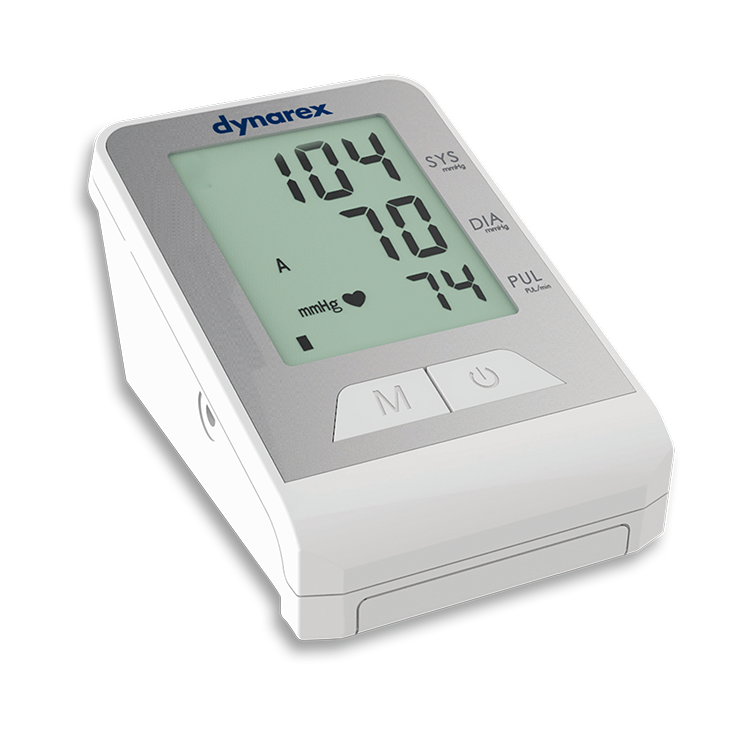
- Clinically validated brands including Omron, ADC, Dynarex, and McKesson.
- Knowledgeable support: Call us at 1-888-889-6260 and a real human will help you find the right monitor and cuff size for your needs.
You can compare models side by side in our medicine and monitors collection, read our full best blood pressure monitors for home use 2026 guide, or browse the stethoscope collection if you are shopping for a complete home diagnostics kit.
Frequently Asked Questions
How often should I take my blood pressure at home?
For most stable adults, once or twice a day is plenty — morning (before medications) and evening. Increase frequency to twice a day for a week or two around medication changes or before a doctor visit. Daily obsessive measurement can raise anxiety and isn't more informative.
Which arm should I use?
Use the same arm consistently. The first time you measure, take readings on both arms and use the arm with the higher numbers for future measurements. A small difference (under 10 mm Hg) between arms is normal; a larger difference may be worth mentioning to your doctor.
What should I do if I get a high reading?
Don't panic. Sit quietly for five minutes and repeat the measurement. If the second reading is still high but you have no symptoms, write it down and continue your normal schedule; discuss the pattern with your doctor at your next visit. If the reading is above 180/120 and you have symptoms such as chest pain, shortness of breath, severe headache, or weakness, call 911.
Why are my home readings higher than the ones at my doctor's office?
This pattern — called "masked hypertension" — is actually more common than people realize and is why home monitoring is so valuable. It can indicate real hypertension that only shows up in daily life. Bring your home log to your next appointment so your doctor can compare.
Why are my home readings lower than the ones at my doctor's office?
This is the classic "white coat effect" and is also common. Bring your home data to your next appointment; many physicians will weight home numbers more heavily when they're confident the technique is correct.
Do I really need to replace the cuff every few years?
Yes. Cuff bladders slowly lose elasticity, and fabric stretches. Most manufacturers recommend replacement every 2–3 years, or sooner if the cuff shows wear or the readings start seeming inconsistent. Replacement cuffs in small, standard, large, and extra-large sizes are readily available.
Are wrist monitors inaccurate?
Wrist monitors can be accurate if the device is validated and the wrist is held exactly at heart level. For most people, this is harder than it sounds, and upper-arm monitors are simpler to use reliably. If a wrist monitor is your best option because of arm pain or size, follow the positioning instructions carefully.
Can medications interfere with my readings?
Some medications — notably decongestants, NSAIDs, steroids, and certain antidepressants — can raise blood pressure. Others, obviously, lower it. Keep a current medication list and share it with your doctor. Never stop or adjust a blood pressure medication based on a home reading without talking to your physician.
What's the best time of day to measure?
Morning, before medications, within one hour of waking, after emptying the bladder, after 5 minutes of quiet rest — and again in the evening. Consistency matters more than any specific clock time.
How do I know if my monitor is accurate?
Take your monitor with you to your next doctor's visit and ask the nurse or physician to measure your blood pressure with their equipment and then with yours. A difference of 5 mm Hg or less is acceptable. If your monitor is consistently off by more than that, it may need calibration or replacement.
The Takeaway: Confidence Comes From Technique
Home blood pressure monitoring is one of the highest-leverage things you can do for your long-term heart health — but only if the numbers are accurate. The recipe is surprisingly simple: a validated monitor, the right cuff size, a quiet five minutes of rest, bare skin, supported arm at heart level, feet flat on the floor, no talking, two readings averaged. Repeat at the same time each day. Bring the log to your doctor. Make decisions together.
Margaret, now 70 and thriving, checks her blood pressure every morning with a properly fitted cuff, sits still for her five minutes, and has trend-lined her numbers gently downward with a combination of a lighter medication dose, the DASH diet, and daily walks. She teaches the technique to her friends in her senior living community now. "The scariest part was not knowing," she says. "Once I understood what I was looking at, I stopped being afraid of it."
That's the gift of doing this right: not just better numbers, but the peace of mind that comes from understanding them.
Ready to Get Started? AllCare Store Is Here to Help
Browse clinically validated monitors, cuffs, and accessories in the AllCare Store blood pressure monitor collection. If you're not sure which model or cuff size is right for you, our team will help you choose.
Call 1-888-889-6260 to speak with a specialist, or visit AllCareStore.com to explore the full product line. Free shipping, discreet packaging, and 30-day returns on every order.
This guide was written and reviewed by the AllCare Store editorial team. For personalized medical advice, always consult your healthcare provider.
Medical Disclaimer: This article is for informational purposes only and does not constitute medical advice. Individuals at high risk for pressure injuries should consult a physician, occupational therapist, or certified rehabilitation engineer before selecting a wheelchair cushion.